TL;DR

Get cleaning gear delivered free with Prime
- Fast, free delivery on millions of items
- Prime Video, Amazon Music and more included
- Member-only deals all year
Removing bird droppings quickly with gentle, surface-appropriate cleaning prevents stains, etching, and health risks. Use water, mild detergents, and proper tools for safe cleanup across outdoor surfaces.
Bird droppings are more than just an unsightly nuisance—they’re an acidic threat to your outdoor surfaces. Left uncleaned, they can etch paint, stain stone, or corrode metal, turning a quick mess into a costly repair. The good news? A few simple steps can keep your outdoor spaces safe and looking sharp.
Whether it’s your car, patio, or roof, knowing how to act fast and choose the right cleaning method can save you time, money, and headaches. This guide breaks down exactly how to remove bird droppings effectively, safely, and with minimal surface damage.
Promptly soaking bird droppings softens deposits and prevents surface etching.
Use gentle, surface-specific cleaners—avoid harsh chemicals like bleach or abrasive tools.
Dry or dried droppings are dustier and riskier; always soak and handle with care.
Large roosts or interior contamination require professional cleanup for safety.
Preventative measures like deterrents and sealing entry points greatly reduce future messes.
How to Remove Bird Droppings From Outdoor Surfaces
Bird droppings are more than an unsightly nuisance — they’re an acidic threat. Left uncleaned, they etch paint, stain stone, and corrode metal. Gentle, prompt, surface-appropriate cleaning prevents stains, etching, and health risks across every outdoor surface you own.
The Five Rules of Safe Removal
Outdoor cleaning experts agree: prompt soaking, gentle tools, and surface-specific products are the difference between a five-minute cleanup and a costly repair.
Promptly soaking droppings softens deposits and prevents surface etching.
Use gentle, surface-specific cleaners — never bleach or abrasive tools.
Dried droppings are dustier and riskier; always soak and handle with care.
Large roosts or interior contamination require professional cleanup.
Deterrents and sealed entry points greatly reduce future messes.
The Cost of Waiting
A fresh dropping on a white car wipes away with a damp microfiber cloth. Wait too long, and the acid etches into the clear coat — requiring professional polishing, sealing, or repainting.
Wipe-Away Stage
A damp microfiber cloth lifts the deposit completely. No trace, no damage, no repair cost.
Etching Stage
Acids penetrate protective coatings, especially on porous surfaces and in heat and sunlight. Dull spots and discoloration form.
Permanent Damage
Irreversible harm requiring repainting, sealing, or material replacement. Prompt cleaning can reduce damage by up to 80%.
Safe Removal Without Spreading Contamination
Never sweep, vacuum, scrape, or pressure-wash dry droppings — disturbing them aerosolizes pathogens. Follow this gentle sequence instead.
Clear the Area
Keep children and pets away to avoid ingestion or inhalation of contaminated dust.
Gear Up
Wear disposable gloves. For heavy buildup, add eye protection, protective clothing, and an N95 respirator.
Soak Gently
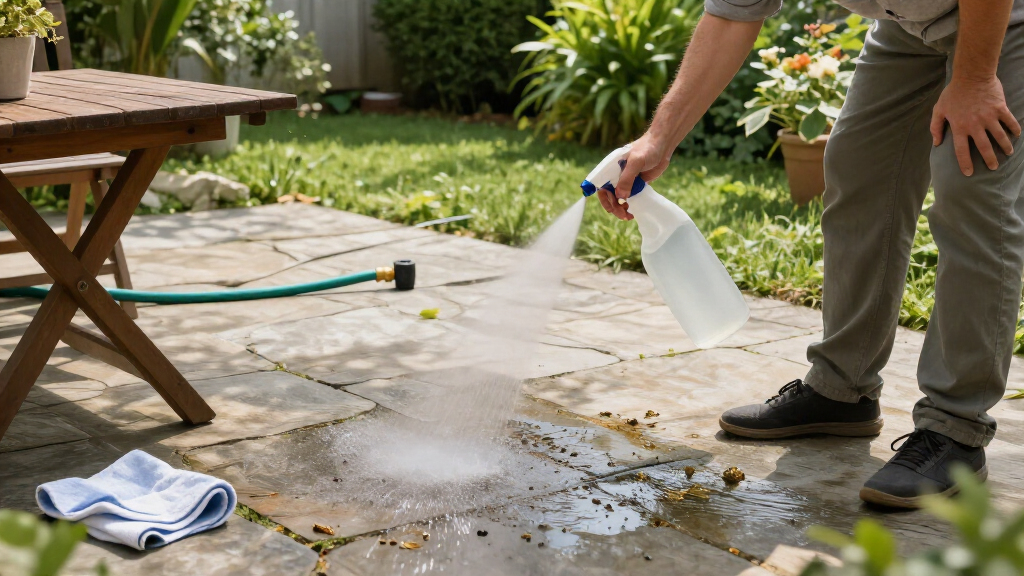
Wet the material with water or mild detergent. Let it soak several minutes to soften dried deposits.
Lift, Don’t Scrape
Remove softened droppings with disposable towels or a plastic scraper. Never agitate dry material.
Wash & Disinfect
Wash with warm water and detergent. If appropriate, apply a surface-compatible disinfectant for its full contact time.
Seal & Dispose
Bag all waste before trashing. Wash reusable tools separately, then wash hands thoroughly.
Safety insight: Dried droppings contain concentrated organic matter and potential pathogens. Aggressive cleaning or high-pressure washing can spray contaminated material onto people, plants, walls, and ventilation openings — trading surface cleanliness for respiratory risk.
What Works Best Where
Each material has different sensitivities to chemicals and abrasion. Match your method to the surface to avoid irreversible damage.
| Surface | Best Method | Critical Tips |
|---|---|---|
| Cars & Painted Metal | Water, automotive shampoo, or paint-safe bird-dropping remover | Wipe gently with a soft cloth; never bleach, abrasive pads, or strong alkaline cleaners |
| Concrete & Pavers | Detergent or enzyme cleaner, low-pressure rinse | Test stronger cleaners in an inconspicuous spot on older, porous surfaces |
| Natural Stone | pH-neutral stone cleaner, blotting, rinsing | Avoid vinegar and acids — they etch marble and limestone; consult a specialist for deep stains |
| Wood Decks & Fences | Mild soap, soft brush with the grain, gentle rinse | No concentrated bleach — it discolors wood and harms nearby plants |
| Furniture & Fabric | Mild detergent or enzyme laundry products, thorough rinsing | Follow care labels; rinse fabric from the back; no chlorine bleach unless explicitly permitted |
| Roofs & Solar Panels | Manufacturer-approved methods only | Fall and electrical hazards — hire a professional when safe access is uncertain |
Harsh vs. Safe: What to Reach For
Harsh chemicals may seem fast, but they cause subtle, cumulative damage. Safer alternatives protect your investment and prevent costly repairs down the line.
✓ Safe Choices
- pH-neutral cleaners for stone and delicate finishes
- Enzyme-based removers that dissolve organic residue
- Automotive shampoo and paint-safe removers
- Microfiber cloths and plastic scrapers
- Warm water and mild detergent washes
✗ Avoid These
- Household bleach — strips paint, corrodes metal, discolors fabric
- Vinegar and acidic cleaners on natural stone
- Abrasive pads, steel wool, and stiff brushes
- High-pressure washers that aerosolize contamination
- Dry sweeping, scraping, or vacuuming dried droppings
What Prompt Action Actually Saves
The numbers behind acting fast instead of waiting — measured against worst-case repair outcomes reported by outdoor cleaning experts.
Why Quick Cleaning Saves You Money and Surface Damage
Bird droppings are more than dirt—they’re acidic and can cause staining or corrosion within hours. Leaving them sit allows the acids to etch into paint, stone, or metal. Quick removal reduces the risk of permanent damage and keeps surfaces looking new.
Imagine a bright white car parked under a tree. A single bird dropping—if cleaned within a few hours—can be wiped away with a damp microfiber cloth, leaving no trace. Wait too long, and that deposit could etch into the clear coat, requiring professional polishing to fix.
Research shows prompt cleaning can diminish damage by up to 80%. That’s like the difference between a minor blemish and a costly repaint or repair.
Understanding why timing is critical helps you prioritize immediate action. The acids in bird droppings are highly reactive; they can rapidly penetrate protective coatings or finishes, especially on porous or unprotected surfaces. The tradeoff is clear: quick cleaning minimizes repair costs, while delays can lead to irreversible damage, requiring expensive interventions such as repainting, sealing, or replacing damaged materials. Recognizing this urgency empowers you to act swiftly, preserving both your surfaces and your budget.
outdoor surface cleaner for bird droppings
As an affiliate, we earn on qualifying purchases.
As an affiliate, we earn on qualifying purchases.
Step-by-Step: How to Safely Remove Bird Droppings Without Spreading Contamination
- Keep pets and children away from the area to avoid ingestion or inhalation of contaminated dust.
- Wear disposable gloves, and for heavy buildup, add eye protection and a respirator, such as an N95 mask.
- Gently soak the droppings with water or a mild detergent solution—aim for several minutes to soften dried deposits.
- Use a disposable towel or a plastic scraper to lift the softened droppings—avoid scraping dry material.
- Wash the surface with warm water and a gentle detergent, rinsing thoroughly.
- If needed, apply a surface-compatible disinfectant, following product instructions for contact time.
- Seal and bag all waste and disposable materials before trashing, and wash reusable tools separately.
This method prevents aerosolizing contaminated particles and minimizes the risk of spreading germs or organic residues.
Properly following these steps ensures that you reduce the risk of spreading pathogens and organic residues, which can pose health hazards. Aerosolization of dried droppings during aggressive cleaning can release dangerous particles into the air, increasing the risk of respiratory issues or infection. Using gentle, controlled methods not only protects your health but also prevents cross-contamination that could affect other areas or surfaces. The tradeoff here is between thoroughness and safety: a careful, step-by-step approach minimizes health risks while effectively cleaning the surface, ensuring you don’t trade surface cleanliness for potential illness.
garden patio bird droppings removal tools
As an affiliate, we earn on qualifying purchases.
As an affiliate, we earn on qualifying purchases.
Cleaning Different Surfaces: What Works Best for Your Outdoor Space
Each surface demands a tailored approach to avoid damage. Here’s how to handle common outdoor materials:
| Surface | Best Cleaning Method | Tips |
|---|---|---|
| Cars & Painted Metal | Water, automotive shampoo, or bird-dropping remover | Soft cloth, gentle wiping, avoid abrasives or bleach |
| Concrete & Pavers | Detergent or enzyme cleaner, low-pressure rinse | Test in an inconspicuous spot first for older surfaces |
| Natural Stone | pH-neutral stone cleaner, blotting, rinsing | Avoid acids like vinegar; consult a specialist for deep stains |
| Wood Decks & Fences | Mild soap, soft brush, gentle rinse | Avoid concentrated bleach; test cleaners first |
| Outdoor Furniture & Fabric | Mild detergent, enzyme laundry products, thorough rinsing | Follow manufacturer’s instructions carefully |
Choosing the right cleaning method is crucial because different materials have varying sensitivities to chemicals and physical abrasion. For example, natural stone like marble or granite can be etched by acids, leading to dull spots or discoloration that are difficult to repair. Conversely, painted surfaces may tolerate mild detergents but can be damaged by abrasive scrubbing or bleach, which can strip paint or cause discoloration. The tradeoff is understanding each material’s vulnerability: using inappropriate cleaners or techniques can cause irreversible damage, which might require costly repairs or replacements. Tailoring your approach ensures effective cleaning while preserving the integrity and appearance of your surfaces.
pressure washer for outdoor surfaces
As an affiliate, we earn on qualifying purchases.
As an affiliate, we earn on qualifying purchases.
Why Using Harsh Cleaners Can Damage Your Surfaces — and What to Use Instead
Harsh chemicals like bleach or alkaline cleaners may seem effective but can cause long-term harm. Bleach can strip paint, corrode metal, and discolor fabrics. Abrasive pads can scratch stone and wood finishes.
Instead, opt for pH-neutral cleaners, enzyme-based organic stain removers, or surface-specific products. These are gentle yet effective at breaking down organic residues without risking surface integrity.
For example, a gentle enzyme cleaner can dissolve bird droppings on a stone patio without etching or staining, unlike vinegar or harsh acids. The tradeoff here is between immediate cleaning power and long-term preservation: harsh cleaners may seem to remove stains quickly, but they often cause subtle, cumulative damage that degrades the surface over time. Safer alternatives may require a bit more patience or multiple applications, but they protect your investment and prevent costly repairs down the line.
As an affiliate, we earn on qualifying purchases.
Handling Large or Dried Bird Droppings Without Spreading Germs
Large or dried deposits require special care. Dry droppings are dusty, and disturbing them can aerosolize pathogens.
Start by soaking the area with water to soften the deposit. Then, gently lift with a plastic scraper or disposable towel. Never dry-sweep or scrape dry material, as this can release dust into the air.
In heavy cases, consider using a damp cloth or sponge to lift the residue, reducing airborne particles. Always wear gloves and a mask if dealing with extensive buildup or potential pathogens.
The reason for this careful approach is that dried droppings contain concentrated organic matter and potential pathogens, which can be hazardous if aerosolized. Disturbing dried deposits without proper preparation can release dust and microbes into the air, increasing health risks. The tradeoff is between thorough removal and safety: gentle, damp methods minimize health hazards while still effectively cleaning the surface. This approach is especially important in areas with high bird activity or where vulnerable populations are present.
When to Call in the Pros for Bird Droppings Cleanup
Professional help is wise for large roosts, indoor contamination, or inaccessible areas. If droppings have accumulated into thick layers, or if they are inside roofs, vents, or HVAC systems, experts can handle the job safely and thoroughly.
Additionally, if you see signs of bird nests, dead birds, or ongoing roosting issues, a wildlife professional can address the root cause while cleaning up the mess.
Remember, extensive contamination can pose serious health risks, especially for vulnerable individuals. When in doubt, hiring experts ensures safe, effective cleanup and prevents further damage or health hazards.
Seeking professional assistance is not just about convenience; it’s about safety. Heavy accumulations or contamination in hard-to-reach areas often involve complex procedures and specialized equipment. Professionals can assess the situation, identify potential hazards, and implement comprehensive cleaning and decontamination strategies. The tradeoff involves cost and effort versus peace of mind and health safety—investing in expert help can prevent long-term health issues and structural damage that might be overlooked with DIY methods.
Prevention Tips to Keep Bird Droppings Off Your Surfaces
Prevention is easier than cleanup. Here are practical steps:
- Remove food, uncovered trash, and standing water that attract birds.
- Install humane deterrents like bird netting, spikes, or reflective devices around roosting spots.
- Seal gaps in eaves, vents, and attics to block nesting sites.
- Park under covered areas whenever possible.
- Clean small deposits immediately to prevent hardened stains.
Consistent effort pays off, reducing the frequency and severity of bird droppings on your property. By proactively managing attractants and potential nesting sites, you reduce the likelihood of large accumulations that are more difficult and costly to remove. The tradeoff here is ongoing effort versus long-term savings—investing time into prevention saves money and effort in the future, and helps maintain the aesthetic and structural integrity of your outdoor spaces.
Frequently Asked Questions
Can I use vinegar to clean bird droppings?
Vinegar is acidic and can damage certain surfaces like natural stone, grout, and metal. It’s safer to stick with water, mild detergents, or surface-specific cleaners that won’t etch or discolor your materials.
Does bleach kill germs in bird droppings?
Bleach can disinfect surfaces if used properly on nonporous materials, but it must be applied after removing visible droppings. Never mix bleach with acids or ammonia, and always follow the manufacturer’s instructions for safe use.
Is pressure washing safe for bird droppings?
Pressure washing while droppings are dry can aerosolize pathogens and spread contamination. It’s best to wet the deposits first, then use low-pressure rinsing, or better yet, stick to hand cleaning for delicate surfaces.
How long should I soak dried droppings?
Soaking for several minutes—around 5 to 10—usually softens dried deposits enough for gentle removal. Reapply water or cleaner if stubborn deposits remain, avoiding aggressive scraping.
Can bird droppings permanently damage my car paint?
Yes. The acids and trapped heat in droppings can etch clear coats, especially if left in direct sunlight. Quick, gentle removal with a microfiber cloth and appropriate cleaner helps minimize lasting damage.
Conclusion
Cleaning bird droppings isn’t just about appearance—it’s about protecting your surfaces and health. The key is to act quickly, use gentle methods, and respect the material you’re cleaning. A little effort now saves you from costly repairs later.
Imagine your patio, car, or roof gleaming, free from stains and damage. Regular maintenance and prompt cleanup keep your outdoor spaces safe and inviting—so stay vigilant and clean smart.
Evergreen bestsellers Picks
bestsellers
As an affiliate, we earn on qualifying purchases.