
TL;DR

Get cleaning gear delivered free with Prime
- Fast, free delivery on millions of items
- Prime Video, Amazon Music and more included
- Member-only deals all year
Cleaning an outdoor trash can regularly with natural agents like vinegar and baking soda prevents odors from building up. Using effective deodorizing techniques and sunlight for drying keeps it fresh longer, reducing bacteria and mold growth.
Few things are as unpleasant as opening your outdoor trash can to a wave of sour, rotten smells. It’s like a cloud of foul air that’s been brewing for days. But here’s the good news: you don’t need harsh chemicals or expensive gadgets to tame that stench. With a few simple steps, you can keep your trash can smelling fresh and clean.
This guide walks you through practical, eco-friendly ways to clean, deodorize, and prevent odors in your outdoor trash can. You’ll learn how to tackle stubborn smells, what natural ingredients work best, and how regular maintenance can keep that sour aroma at bay.
Regularly clean your outdoor trash can with vinegar and baking soda to eliminate bacteria and odors.
Use natural odor absorbers like baking soda, activated charcoal, or herbal sachets inside the can to prevent smells from returning.
Expose your trash can to sunlight and good air circulation to naturally disinfect and dry it out.
Choose eco-friendly cleaning methods for safer, more sustainable maintenance.
Incorporate simple weekly habits—like rinsing and deodorizing—to keep your outdoor trash can smelling fresh without effort.
Why Your Outdoor Trash Can Smells and How to Stop It First
The main reason your trash can stinks is bacteria and mold feeding on leftover food, liquids, and organic waste. These microbes produce gases that smell sour, rotten, or sourly sweet. Left unchecked, odors intensify and spread, making your yard less inviting.
Understanding this process is crucial because it highlights the importance of controlling microbial activity early. Bacteria and mold reproduce rapidly in moist, nutrient-rich environments, so neglecting basic maintenance allows these microbes to flourish, producing stronger, more persistent odors. The implications are not just cosmetic; these microbes can also contribute to health risks, especially if spores become airborne or if mold spores irritate sensitive individuals. The tradeoff with quick fixes like harsh chemicals is that they may kill microbes temporarily but often do not prevent their rapid return, especially if moisture and organic waste remain. Therefore, preventive cleaning and natural disinfectants matter because they slow microbial growth sustainably, reduce chemical exposure, and promote a healthier environment.
To stop the smell before it starts, focus on three simple tactics: remove waste promptly, rinse the can regularly, and use natural deodorants. For example, if you wait a week to clean, that’s enough time for bacteria to multiply and produce a noticeable smell. Rinsing with water and vinegar after trash collection keeps residues from fermenting, while deodorizing with baking soda neutralizes lingering odors. These steps are about managing microbial growth and moisture levels, which are the core factors influencing odor development and longevity.
As an affiliate, we earn on qualifying purchases.
Step-by-Step Guide to Deep Cleaning Your Smelly Outdoor Trash Can
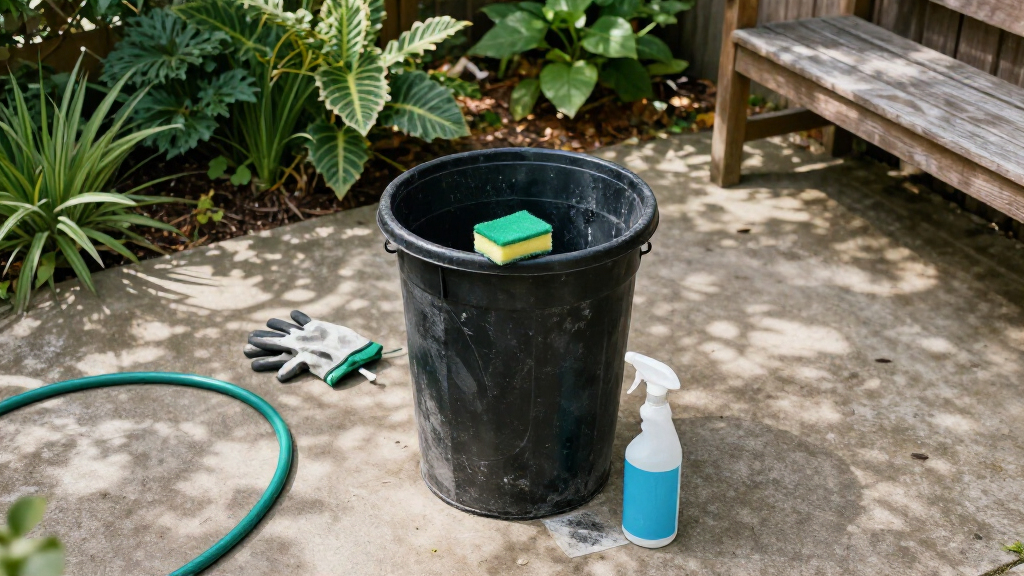
- Empty the can completely, removing all trash and debris. Use gloves to avoid contact with germs.
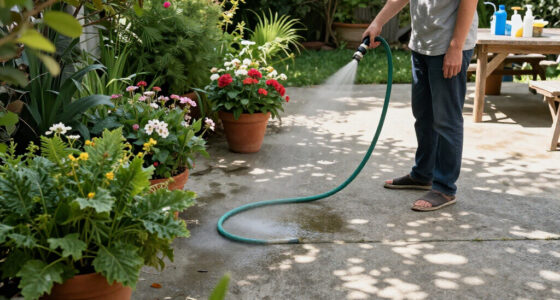
- Rinse out the can with a hose, focusing on corners and the lid. Remove any stuck-on grime.
- Sprinkle baking soda liberally inside the can — about 1/2 cup for small cans, more for larger ones.
- Mix one part white vinegar with three parts water in a spray bottle. Spray generously over the baking soda. The fizzing action lifts grime and neutralizes odors.
- Scrub the interior with a long-handled brush or broom, paying attention to the bottom and sides.
- Rinse thoroughly with water. Use a cloth or sponge to wipe down stubborn spots.
- Let the can dry in the sun for at least an hour. Sunlight kills bacteria naturally and speeds up drying.
Repeat this process monthly or whenever odors become noticeable. Consistency matters because microbes can quickly recolonize, especially in humid or shaded environments. Regular deep cleaning breaks the microbial life cycle, reducing odor sources and preventing the buildup of grime that can harbor bacteria. The tradeoff here is balancing effort with effectiveness; more frequent cleaning means less stubborn odor accumulation, but it also requires a routine commitment. Using natural agents like vinegar and baking soda enhances safety and sustainability, making it easier to maintain a fresh-smelling can over time.
As an affiliate, we earn on qualifying purchases.
Natural Odor Absorbers That Keep Your Can Fresh All Week
Once cleaned, how do you keep odors from returning? The answer lies in natural, inexpensive odor absorbers. Baking soda is a classic — just sprinkle a cup at the bottom of the can after each cleaning. Activated charcoal works even better; it traps odor molecules and can last several weeks.
For ongoing freshness, consider placing a small container of baking soda or charcoal briquettes inside the lid or at the bottom. Some folks hang a mesh bag of dried herbs like lavender or rosemary inside to add a pleasant scent. These natural options won’t mask odors—they absorb them.
Additionally, commercial odor-absorbing gels or blocks designed for outdoor trash cans are available. They act as a passive, continuous deodorizer, making it easier to keep your outdoor space smelling fresh without constant attention.
Choosing effective odor absorbers is about understanding their capacity to trap and neutralize molecules. Baking soda works by reacting with acids and bases, neutralizing odors chemically. Activated charcoal’s porous structure provides a large surface area that adsorbs odor molecules physically, removing them from the air. Herbal sachets add a scent but don’t absorb odors; they serve as a supplementary option for a more pleasant environment. The tradeoff involves balancing cost, ease of use, and effectiveness—activated charcoal may last longer but can be more costly upfront, while baking soda is inexpensive but requires more frequent replacement. Using these absorbers consistently ensures microbial activity stays suppressed, and odors stay at bay, especially during humid or rainy periods when smells tend to intensify.
activated charcoal trash can deodorizer
As an affiliate, we earn on qualifying purchases.
As an affiliate, we earn on qualifying purchases.
How Sunlight and Air Circulation Help Keep Your Trash Can Smelling Clean
Sunlight is a powerful natural disinfectant—think of it as a free, eco-friendly sanitizer. Exposing your trash can to direct sunlight for a few hours kills off many bacteria and mold spores that cause bad smells. It also helps dry out residual moisture, which bacteria love.
Air circulation is equally important. Keep the lid closed between uses to contain odors, but when cleaning or drying, leave the lid open or remove the can entirely. This lets fresh air flow in, speeding up evaporation and discouraging microbial growth.
Imagine a hot summer day, with your trash can bathed in sunlight and a gentle breeze flowing through. That scene dramatically reduces the chance of foul smells lingering.
Understanding how environmental factors like sunlight and airflow work together helps you optimize natural odor control. Sunlight not only disinfects but also dehydrates organic matter, making it less hospitable for microbes. Good air circulation prevents moisture buildup, which is a primary catalyst for microbial growth, mold, and bacteria. The tradeoff is that these methods are dependent on weather conditions; cloudy days or shaded locations might reduce effectiveness. However, consistently exposing your can to sunlight and ensuring good airflow significantly reduces the microbial load, making odors less likely to develop or persist.
eco-friendly trash can cleaning supplies
As an affiliate, we earn on qualifying purchases.
As an affiliate, we earn on qualifying purchases.
Comparison: Natural Cleaning Agents vs. Commercial Trash Can Cleaners
| Feature | Natural Solutions | Commercial Cleaners |
|---|---|---|
| Ingredients | Vinegar, baking soda, lemon, essential oils | Industrial disinfectants, enzymatic formulas |
| Environmental Impact | Biodegradable, non-toxic, safe for plants & pets | May contain harsh chemicals, less eco-friendly |
| Cost | Very affordable, household staples | More expensive, often sold in bottles or sprays |
| Effectiveness | Excellent at deodorizing and mild cleaning | Strong disinfecting power; better for heavy grime |
| Ease of Use | Simple, accessible, quick | Ready-to-use sprays or gels, some require mixing |
Choosing between natural and commercial cleaners depends on your priorities: eco-friendliness, cost, or heavy-duty cleaning. For most outdoor trash cans, natural options work well for regular maintenance and odor prevention. Keep in mind that while commercial options may offer stronger disinfecting capabilities, they often come with environmental tradeoffs and higher costs. Natural cleaners, on the other hand, foster a safer, more sustainable routine, which is especially important if your trash can is in a garden or near pets and children. The tradeoff involves balancing immediate cleaning power against long-term health and environmental benefits. For ongoing odor control, natural methods often suffice and support eco-conscious living.
Prevent Future Odors with Simple Weekly Habits
Prevention is easier than curing a bad smell. Incorporate these habits into your routine to keep odors at bay:
- Use a sturdy trash bag liner—this contains spills and leaks.
- Sprinkle baking soda or activated charcoal inside the can once a week.
- Rinse the can with water and vinegar after each trash collection.
- Keep the lid tightly closed when not in use.
- Place the can in a shaded, well-ventilated spot if possible.
For example, after emptying the trash, spray the inside with a vinegar-water mix, sprinkle baking soda, and close the lid tightly. These small steps make a big difference in preventing those sour, lingering smells. Adopting these habits consistently is key because microbes can quickly recolonize, especially in humid conditions. Regular maintenance prevents the buildup of organic residues that serve as food for microbes, thereby reducing the chances of odors developing. The tradeoff is that these habits require minimal effort but yield significant long-term benefits, making your outdoor space more pleasant and odor-free.
Frequently Asked Questions
How often should I clean my outdoor trash can?
Aim to clean it at least once a month. If you notice persistent odors or heavy use, cleaning every two weeks helps keep it fresh.What’s the best natural way to remove stubborn odors?
Deep clean with a mixture of vinegar and baking soda, scrub thoroughly, then rinse and dry in the sun. This combo neutralizes odors effectively.Can I use bleach to clean my outdoor trash can?
Yes, but dilute it properly and use sparingly. Bleach is harsh and can harm the environment, so natural options are usually safer and just as effective.Are eco-friendly options effective for ongoing odor control?
Absolutely. Baking soda, activated charcoal, and natural oils absorb odors and are safe for the environment, making them ideal for regular use.What should I do if mold or mildew appears?
Scrub with a vinegar or diluted bleach solution, rinse thoroughly, and dry in sunlight. Keeping the can dry prevents mold from returning.Conclusion
Keeping an outdoor trash can odor-free isn’t about harsh chemicals; it’s about consistent, smart habits. Regular cleaning with natural ingredients, combined with natural sunlight and airflow, keeps it fresh without chemicals or fuss.
Next time you’re tempted to ignore that sour smell, remember: a little effort now saves you from a stinky mess later. Your outdoor space—and your nose—will thank you for it.
Halloween Picks
halloween
As an affiliate, we earn on qualifying purchases.