TL;DR

Get cleaning gear delivered free with Prime
- Fast, free delivery on millions of items
- Prime Video, Amazon Music and more included
- Member-only deals all year
Sap and tree stains can be tough, but quick action with common household items or eco-friendly products makes removal easier. Using appropriate cleaning methods prevents surface damage and keeps your driveway pristine.
Ever had a sticky mess of tree sap or stubborn stains on your driveway? It’s frustrating to see those dark, glossy patches marring your concrete or asphalt, especially when they seem impossible to scrub away. But here’s the good news: with the right approach, you can banish those stains without harsh chemicals or costly professional help.
This guide will walk you through proven, practical methods to tackle sap and tree stains. You’ll learn how to identify the best cleaning agents, the proper steps to avoid surface damage, and tips for preventing future stains. Whether you’re dealing with fresh drips or old, stubborn patches, these techniques will restore your driveway’s appearance and keep it looking fresh.
Act quickly when you notice sap or stains; fresh stains are much easier to remove.
Use natural, eco-friendly solutions like rubbing alcohol, citrus cleaners, or vegetable oil for safe, effective cleaning.
Test any cleaning agent on a small patch first to prevent surface damage.
Gentle scrubbing and thorough rinsing are key—avoid high-pressure washers on delicate surfaces.
Regular maintenance and preventative measures save time and effort in the long run.
What Makes Sap and Tree Stains Hard to Remove? Here’s the Real Deal
Tree sap is a sticky resin that oozes from branches and trunks, especially during the warmer months. Once it lands on your driveway, it quickly adheres, forming a glossy, stubborn film. Over time, it hardens and becomes almost glass-like, making removal more work. This hardening process is akin to glue setting, which is why fresh sap is much easier to clean than dried, hardened patches. If left untreated, it can penetrate the tiny pores of concrete or fill the cracks in asphalt, leading to deeper staining and potential surface damage.
Tree stains, like tannins from leaves or fruit, cause discoloration—think of a dark, almost purple hue that seeps into concrete pores. These stains aren’t just surface-level; they embed themselves, especially if left untreated long enough. For example, a fallen cherry or berry can leave a purple stain that seeps into the porous surface, making it difficult to remove without proper cleaning agents. The longer these stains sit, the more they bond with the surface, requiring stronger or more abrasive methods to fully eliminate them.
Concrete and asphalt surfaces react differently. Concrete is porous, so stains penetrate deep, requiring gentle but effective cleaning to avoid surface erosion or discoloration. Asphalt, being more sensitive, can degrade or discolor if exposed to harsh chemicals or high-pressure washing. Understanding these differences helps you choose the right method to avoid unintentionally damaging your driveway while removing stains.
As an affiliate, we earn on qualifying purchases.
Quick Action Tips: How to Spot and Stop Sap Stains Before They Set
The best way to keep stains from becoming permanent is to act fast. Imagine you’re parking your car under a tree and notice a small, sticky droplet. If you ignore it and wait, that droplet can dry and harden within a few hours, turning into a stubborn patch that’s difficult to remove. Acting quickly prevents the resin from setting into a solid, glass-like state, which would require stronger chemicals or even mechanical removal to clean.
Here’s a quick plan:
- Remove loose debris—leaves, dirt, and excess sap—using a broom or leaf blower. This prevents scratching the surface during cleaning and ensures you target just the stain.
- Apply a suitable cleaner immediately—like rubbing alcohol or a citrus-based degreaser. The sooner you apply, the less time the stain has to bond deeply into the surface.
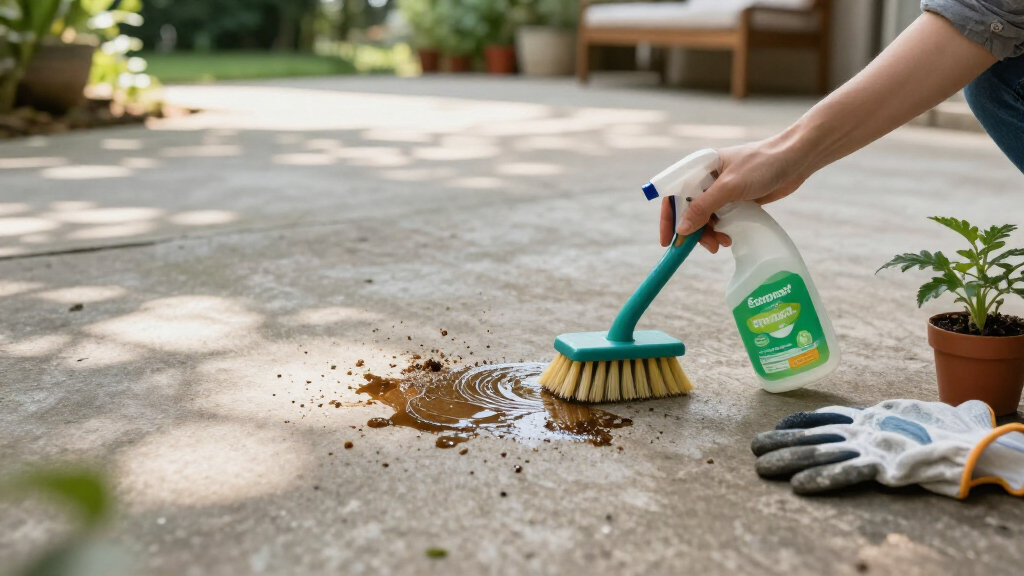
- Scrub gently with a stiff brush to loosen the resin or stain. Think of it like scrubbing away glue before it hardens completely—gentle but persistent pressure works best.
- Rinse thoroughly with water to wash away loosened residue, preventing re-absorption into the surface pores.
Pretreating stains early prevents them from soaking in deeper, making cleanup easier and faster. For example, if you notice a fresh sap drip on your driveway, treating it within the first hour can save you from more intensive scrubbing later.
citrus-based stain remover for concrete
As an affiliate, we earn on qualifying purchases.
As an affiliate, we earn on qualifying purchases.
Best Natural and Safe Solutions to Remove Sap From Your Driveway
For a safe, eco-friendly approach, natural solutions work surprisingly well. They’re gentle on your driveway surface and better for the environment. For instance, if a bird drops berry residue on your driveway, or sap drips from a nearby tree, these methods can help without risking surface damage.
Here are some of the most effective options:
- Rubbing Alcohol or Isopropyl Alcohol: Dissolves sap quickly. Pour it on a cloth or sponge, then apply directly to the stain. Let sit for 5-10 minutes before scrubbing. This acts like a solvent that breaks down the sticky resin, making it easier to wipe away.
- Citrus-Based Cleaners: Contain d-limonene, a natural solvent that breaks down sticky resin. Spray on, wait a few minutes, then scrub. Think of it as lemon juice on a sticky surface—natural, effective, and pleasant smelling.
- Vegetable Oil or WD-40: Loosen the sticky resin by dissolving the glue-like substances. Apply a small amount, let it sit, then follow with soap and water. For example, using vegetable oil on a dried sap patch can make the resin more pliable, easing removal without harsh scrubbing.
- Vinegar: Mild acid that can help break down residues. Use diluted vinegar, apply, then scrub gently. It works well on light stains and is especially good if you want a chemical-free option.
- Baking Soda Paste: Combine baking soda with water to create a gentle abrasive scrub. Great for surface stains without scratching. Imagine it as a natural scrub brush—effective but gentle enough to preserve your driveway’s finish.
Always test any solution on a small, hidden patch first to avoid surface damage. For example, applying citrus cleaner on a painted or sealed surface first will help ensure it doesn’t cause discoloration. When used properly, these options are safe, effective, and environmentally friendly, making them ideal for regular maintenance or spot cleaning.
As an affiliate, we earn on qualifying purchases.
Step-by-Step: How to Remove Tough Sap and Stains Without Damaging Your Driveway
Removing stubborn sap takes patience and the right technique. Think of it like removing glue from a delicate craft project—gentle, persistent, and methodical. Follow this simple process:
- Prep the surface: Sweep off loose debris and dirt to avoid scratching the surface during scrubbing. This step is crucial because dirt particles can act like abrasives, scratching the surface if rubbed in.
- Apply your cleaner: Use rubbing alcohol, citrus cleaner, or vegetable oil. Fully saturate the stain and let it sit for about 10 minutes. This allows the solvent to penetrate and loosen the resin, making removal easier.
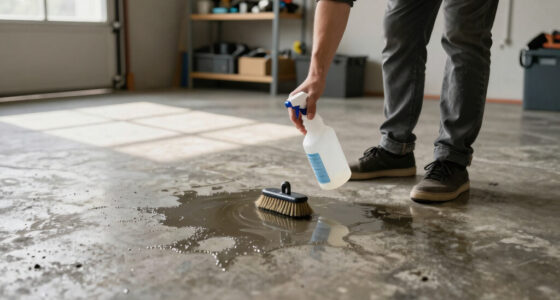
- Scrub gently: Use a stiff-bristled brush or a non-abrasive scrub pad. Work in circular motions to lift the stain, similar to how you’d scrub glue off a surface—gentle but firm enough to break the bond.
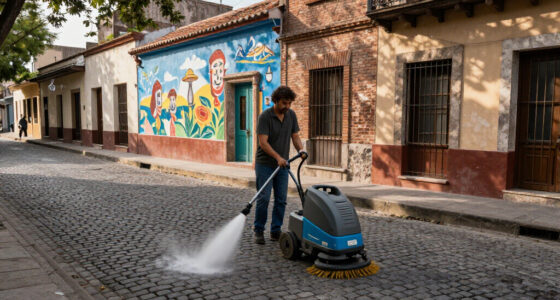
- Rinse thoroughly: Use a garden hose or pressure washer on a low setting. Avoid high pressure on asphalt or delicate surfaces to prevent erosion or cracking. Proper rinsing ensures no residue remains that could cause re-staining.
- Repeat if necessary: For stubborn patches, reapply the cleaner and scrub again. Persistence is key—sometimes multiple attempts are needed, especially with older, hardened stains.
This method balances effectiveness with surface safety, giving you a clean driveway without risking cracks, discoloration, or surface degradation. Think of it as a gentle but effective way to restore your driveway’s appearance without causing harm.
concrete and asphalt stain removal kit
As an affiliate, we earn on qualifying purchases.
As an affiliate, we earn on qualifying purchases.
Comparison Table: Best Methods to Remove Sap and Stains From Driveways
| Method | Effectiveness | Safety on Surface | Ease of Use | Eco-Friendly? |
|---|---|---|---|---|
| Rubbing Alcohol | High | Yes (on concrete) | Easy | Yes |
| Citrus Cleaners | Moderate to High | Yes | Easy | Yes |
| Vegetable Oil / WD-40 | High | Yes (with rinsing) | Moderate | Yes |
| Vinegar | Moderate | Yes | Easy | Yes |
| Baking Soda Paste | Gentle but Effective | Yes | Easy | Yes |
How to Prevent Sap and Stains from Ruining Your Driveway Again
Prevention is easier than cleanup. Think of your driveway like a canvas that you want to keep pristine. For example, parking your car under a tree that’s dripping sap can result in a sticky, hard-to-remove patch. Using a car cover or parking in a different spot during high-sap seasons can prevent these issues. Regularly washing your driveway during spring and early summer—when trees shed more sap and leaves—acts like a shield, reducing the chance of deep stains forming. Applying a concrete sealant creates a protective barrier, much like a clear coat on a painted surface, which makes it harder for stains to penetrate deeply. Trimming overhanging branches is akin to pruning a plant to prevent excess fruit or sap from falling—lessening the chances of staining and making future cleaning easier. These proactive steps preserve the surface integrity and save you time and effort in the long run, much like maintaining a well-kept garden prevents weeds and overgrowth.
Frequently Asked Questions
What is the best way to remove tree sap from a concrete driveway?
Applying isopropyl alcohol or a citrus-based cleaner directly on the stain, letting it sit, then scrubbing with a stiff brush works well. Follow with rinsing to wash away residue. Acting quickly helps prevent the sap from hardening and sticking permanently.
Can I use harsh chemicals like bleach to clean stains?
No, bleach can damage concrete and asphalt surfaces, causing discoloration or surface degradation. Stick with milder, surface-safe cleaners like alcohol, vinegar, or citrus degreasers for best results.
How long does sap stay sticky before hardening?
Sap can harden within just a few hours, especially in warm weather. The sooner you treat it after it drips, the easier it will be to remove.
Are eco-friendly options effective for cleaning sap?
Yes, natural solutions like citrus-based cleaners and vegetable oils are effective and environmentally safe. They dissolve sticky residues without damaging your driveway or harming nearby plants.
Will pressure washing damage my driveway surface?
When used with appropriate pressure settings, pressure washing can be effective. Avoid high pressures on asphalt or delicate surfaces to prevent erosion or cracks.
Conclusion
Removing sap and tree stains from your driveway doesn’t have to be a chore. The trick is to respond quickly and choose the right cleaning method for your surface. With simple supplies like rubbing alcohol or citrus cleaner, you can restore your driveway’s appearance safely and affordably.
Remember, regular upkeep and preventive measures go a long way. Keep your driveway free of overhanging branches, wash it periodically, and treat stains promptly. That way, your driveway stays clean, bright, and inviting—no matter how many trees surround it.
Halloween Picks
halloween
As an affiliate, we earn on qualifying purchases.