TL;DR
Open a free Amazon Business account
Business pricing, bulk buying and tax-exempt orders.
Create a free accountAs an affiliate, we earn on qualifying purchases.
Permanent marker isn’t impossible to remove. Use specific cleaners for different surfaces, starting with gentle methods like rubbing alcohol or dry-erase markers, and always test first. Quick action prevents stains from setting.
Have you ever accidentally marked up your wall, table, or favorite notebook with a permanent marker? It can feel like a disaster—until you realize most marks are removable. The trick is knowing what surface you’re dealing with and choosing the right method. You don’t need harsh chemicals or to scrub until you ruin the finish.
This guide walks you through step-by-step techniques for different surfaces, from glass to fabric, using common household items. You’ll learn how to test first, avoid damage, and get those stubborn marks out without turning your space into a chemical lab.
Always test your cleaner on an inconspicuous spot before applying broadly.
Start with gentle methods—dish soap, water, or rubbing alcohol—before trying stronger solvents.
Use a blotting approach, not scrubbing, to lift ink without damaging surfaces.
Be cautious with porous or sensitive surfaces—natural stone, leather, and fabric need special care.
Safety first: ventilate, wear gloves, and avoid mixing chemicals.
How to Get Permanent Marker Off Surfaces
Permanent marker isn’t impossible to remove. “Permanent” only means the ink resists water — the right solvent dissolves it. Match the method to the surface, start gentle, blot instead of scrub, and always test in a hidden spot first.
Golden rule: gentlest method first — always test before treatingFive Rules That Save Your Surfaces
Permanent ink resists water, but solvents like isopropyl alcohol — or even a fresh dry-erase marker — loosen the resin and colorants so the mark wipes away.
Always test your cleaner on an inconspicuous spot before applying broadly.
Start gentle — dish soap, water, or rubbing alcohol — before stronger solvents.
Blot, don’t scrub. Lifting the ink beats grinding it into the surface.
Porous and sensitive materials — stone, leather, fabric — need special care.
Safety first: ventilate the room, wear gloves, never mix chemicals.
A Reliable Removal Process
Eight steps, every time. Short repeated treatments beat prolonged soaking — and stop immediately if the finish turns tacky, dull, discolored, or soft.
Identify the surface
Check for paint, sealant, or protective coatings — they decide which cleaners are safe.
Test in hiding
Apply the cleaner to a hidden corner. If the surface dulls or discolors, stop.
Cloth, not bottle
Put cleaner on a white cloth or cotton swab — never directly on the item.
Blot & rotate
Blot gently, rotating to a clean cloth section as pigment transfers. Then rinse residue.
Cleaning Agents, Ranked by Versatility
Each agent has a sweet spot. Effectiveness below reflects how broadly and safely each one works across common surfaces.
Best Removal Method by Surface
Start with the gentlest option in column two, escalate to column three only if needed — and respect every caution in column four.
| Surface | Start With | If Needed | Caution |
|---|---|---|---|
| Glass, tile, metal | Rubbing alcohol on a soft cloth | Acetone or a dry-erase marker | ✗ Keep solvents away from painted trim and coatings |
| Whiteboard | Draw over with dry-erase marker, then wipe | Rubbing alcohol | ✗ Avoid abrasives that damage the writing surface |
| Finished wood | Mild dish soap and water | Small amount of rubbing alcohol | ✗ Alcohol may dull or dissolve some finishes |
| Painted walls | Dish-soap solution | Isopropyl alcohol, sparingly | ✗ Scrubbing burnishes paint; alcohol lifts color |
| Laminate countertops | Rubbing alcohol | Baking-soda paste, used gently | ✗ Avoid abrasion and exposed seams |
| Plastic | Soap and water, then rubbing alcohol | Melamine foam, very lightly | ✗ Acetone can melt, craze, or discolor plastic |
| Fabric & upholstery | Blot with alcohol over an absorbent towel | Stain remover, then laundering | ✗ No machine-drying until the stain is gone |
| Leather | Leather cleaner | Professional treatment | ✗ Alcohol and acetone strip dye and finishes |
| Carpet | Blot with alcohol or carpet-safe solvent | Professional cleaning | ✗ Work outside-in; never saturate the backing |
| Skin | Soap and warm water, then oil-based cleanser | Repeated gentle washing | ✓ Gentle beats harsh — patience wins here |
| Porous stone | Stone-safe cleaner | Professional poultice | ✗ Acids, bleach, acetone, or oils etch stone |
Surface-Specific Techniques
The same marker behaves differently on every material. These are the field-tested approaches for the trickiest cases.
The Easiest Wins
Shiny, slick surfaces release ink with rubbing alcohol on a microfiber cloth — most marks lift in a few gentle wipes. Stubborn spots yield to acetone or a dry-erase marker.
Protect the Finish
The paint or varnish is both your ally and your risk. Dish soap and water removes fresh marks; sparing isopropyl alcohol dissolves older ink. Gentle blotting only.
Blot From the Outside In
Place an absorbent towel behind fabric stains and work from the reverse side. For carpet, dab with alcohol working from the stain edge inward to stop spreading.
Cleaner, Not Solvent
Leather’s porous surface makes it vulnerable: use a dedicated leather cleaner and a soft cloth with gentle blotting. Test any alcohol on a hidden area first.
Gentle Solvent, Light Touch
Alcohol dissolves the ink resin without abrasives. Older, set-in stains respond to a baking-soda-and-water paste with minimal pressure.
The Poultice Protocol
Marble and granite absorb ink into their pores. A stone-safe cleaner handles surface marks; deep stains need a professional poultice that draws ink out.
Solvent Strength Spectrum
Where a cleaner sits on this track tells you when to use it. Work left to right — and only escalate when gentler methods fail the hidden-spot test.
How to Remove Permanent Marker from Nonporous Surfaces Like Glass and Metal
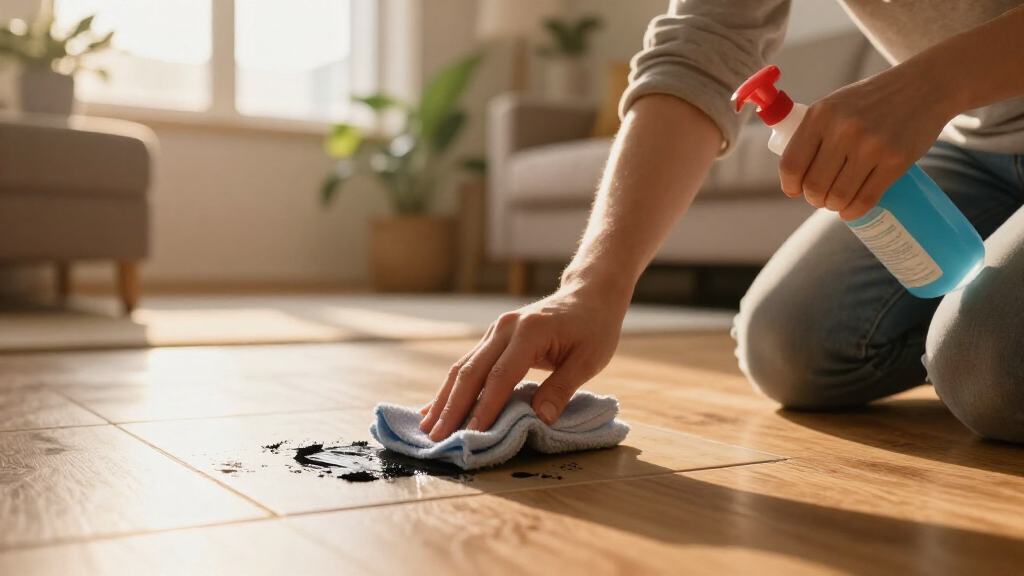
Permanent marker on shiny, slick surfaces like glass, tile, or metal is usually the easiest to tackle. You can often wipe it away with rubbing alcohol. The key is to use a soft cloth, apply a small amount of alcohol, and gently rub until the ink lifts.
For example, if marker gets on your kitchen glassware or a metal fridge door, start with rubbing alcohol on a microfiber cloth. If needed, switch to acetone or a dry-erase marker for stubborn spots. Just be cautious: acetone can damage certain plastics or painted finishes if you’re not careful.
Always test a hidden corner first. If the surface dulls or discolors, stop immediately. The process is quick—most marks come off in a few gentle wipes. Keep the area ventilated, and wear gloves if you’re using stronger solvents.
isopropyl alcohol for stain removal
As an affiliate, we earn on qualifying purchases.
As an affiliate, we earn on qualifying purchases.
How to Remove Permanent Marker from Painted Walls and Finished Wood
Painted walls and finished wood are trickier. The paint or finish acts as a protective layer, but it can also be damaged easily if you use harsh chemicals or abrasive scrubbing. Understanding this balance is crucial—using too aggressive a method risks stripping the paint or dulling the surface, while too gentle might not remove the stain effectively. Starting with mild cleaning solutions like dish soap and water minimizes this risk, often removing fresh marks without any damage.
If that doesn’t work, applying a small amount of isopropyl alcohol can help dissolve the ink. Gently blot instead of scrubbing—rubbing can burnish the paint or lift off the finish, making the surface look dull or uneven. Patience here is key: repeated gentle treatments are more effective and safer than aggressive scrubbing, which can cause more harm than good. Always test first, and consider that some finishes may require professional touch-ups if the stain is stubborn.
Understanding the delicate nature of painted and finished surfaces helps prevent unintended damage, ensuring your walls and wood retain their aesthetic appeal while effectively removing ink.
dry-erase marker for cleaning permanent marker
As an affiliate, we earn on qualifying purchases.
As an affiliate, we earn on qualifying purchases.
Best Ways to Remove Permanent Marker from Plastic and Laminate Surfaces
Plastic surfaces like countertops, toys, or laminate furniture resist some cleaners but are sensitive to others. Rubbing alcohol is usually the first line of attack because it dissolves the resin and dyes in the ink without harsh abrasives. Applying it with a soft cloth and gently rubbing helps lift the stain without scratching or melting the plastic surface. However, the effectiveness depends on how long the marker has been on the surface—older, set-in stains may require additional steps.
If alcohol alone isn’t enough, a light paste of baking soda and water can serve as a mild abrasive to help lift the ink. This combination works because the baking soda gently scrapes away the residual pigment while the liquid acts as a solvent. For example, on a plastic cutting board, this method can be effective without damaging the material. Still, it’s essential to use minimal pressure to prevent scratching or dulling the surface finish.
Using aggressive abrasives or harsh solvents like acetone can cause crazing, melting, or discoloration of plastics. Always test first in an inconspicuous area and proceed cautiously. Melamine sponges, like magic erasers, can physically lift the ink but can also dull glossy finishes or remove paint if used excessively. Weigh the benefits against potential surface damage and opt for gentler methods whenever possible.
Understanding the chemical and physical properties of plastics guides you to choose the safest, most effective removal method, balancing stain removal with surface preservation.
As an affiliate, we earn on qualifying purchases.
How to Remove Permanent Marker from Fabric, Upholstery, and Leather
For fabrics and upholstery, the goal is to blot out the ink without rubbing it deeper into the fibers, which can cause the stain to spread or set more firmly. Starting with rubbing alcohol applied onto a clean towel or absorbent cloth allows you to gently lift the ink by dissolving the resin and dyes, but the method’s success depends on the fabric type and stain age. Rubbing can sometimes embed the ink further or damage delicate fibers, so gentle blotting is essential. For stubborn or older stains, professional cleaning or specialized stain removers might be necessary.
Leather presents a different challenge: its porous and sensitive nature means harsh chemicals can damage the finish or cause discoloration. Using a leather cleaner designed for this purpose is safest, and often, gentle blotting with a soft cloth suffices. If you consider using alcohol or acetone, test on a hidden area first to assess any color change or finish deterioration. When in doubt, consulting a professional ensures the leather’s integrity remains intact, avoiding costly repairs or replacements.
Understanding the material’s properties and choosing appropriate, spot-specific techniques help preserve the fabric or leather while effectively removing ink.
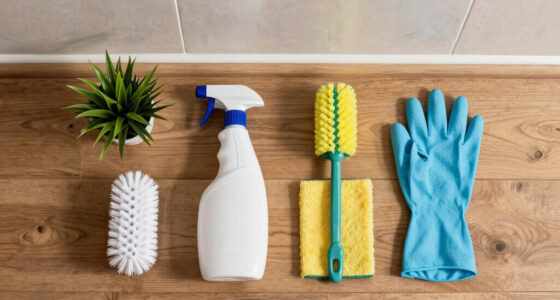
household cleaning kit for ink stains
As an affiliate, we earn on qualifying purchases.
As an affiliate, we earn on qualifying purchases.
How to Remove Permanent Marker from Carpets and Porous Surfaces
Carpets and porous stones absorb ink, making removal more challenging than nonporous surfaces. The key is to act quickly and use solvents that can penetrate the fibers or pores without causing additional damage. Dab with rubbing alcohol or a commercial ink remover designed for fabrics, working from the outside of the stain inward to prevent spreading. This approach helps lift the ink from the fibers or pores before it sets deep into the material.
Never saturate the backing or let the stain spread further, as excess liquid can cause the ink to bleed and make removal more difficult. For stubborn spots, some commercial ink removers are formulated specifically for delicate fabrics or porous stones; always test first to ensure compatibility. For natural stones like marble or granite, avoid acids or bleach—they can etch or stain the surface permanently. Instead, opt for a stone-safe cleaner or consult a professional for a poultice treatment, which gently draws out the stain without damaging the surface.
Understanding the porosity and chemical sensitivities of these surfaces guides you to choose the appropriate method—quick, gentle, and targeted—to minimize damage and maximize stain removal success.
How to Safely Tackle Permanent Marker on Skin, and Why It’s Different
Removing marker from skin is usually simple because the skin’s natural oils and gentle cleansers can break down the ink’s resins and dyes. Soap and warm water are effective for everyday cleaning, but if the stain persists, an oil-based cleanser like makeup remover or baby oil can help loosen the ink more thoroughly. The oils dissolve the resins, making it easier to wipe away stubborn marks without harsh scrubbing, which could irritate or damage sensitive skin.
It’s important to avoid harsh solvents like acetone or nail polish remover, as these can cause skin irritation or even chemical burns. Patience is key—repeated gentle washes often do the trick faster than aggressive scrubbing. After the stain is removed, wash the area again with soap and water to remove any residual oil or ink particles. The skin naturally sheds ink over time, but acting quickly reduces the likelihood of prolonged staining or irritation.
Understanding that skin is a living, sensitive surface guides your approach—gentle, repeated, and safe methods ensure effective removal without harm.
How to Deal with Permanent Marker on Natural Stone and Other Sensitive Surfaces
Natural stone like marble, granite, or porous limestone requires special care because these materials are sensitive to acids, alkalis, and reactive chemicals that can cause etching, staining, or surface damage. Using only stone-safe cleaners or professional poultice treatments helps preserve the integrity of the stone while attempting to remove the stain. Harsh chemicals like vinegar, bleach, or acetone can react with the mineral content, leading to permanent damage, so understanding their chemistry is critical—these substances can dissolve or discolor the stone surface, often leaving worse stains than the original marker.
For example, if marker hits your marble countertop, a gentle, pH-neutral cleaner designed for stone is preferable, or better yet, seek professional advice for a poultice that draws out the stain without harming the surface. Always test any cleaning method in a small, inconspicuous area first. If the stain persists despite gentle cleaning, consulting a professional ensures the best chance of removal while maintaining the surface’s appearance and durability. Prioritizing the surface’s safety over aggressive cleaning ensures longevity and preserves the aesthetic value of your natural stone surfaces.
The Top Cleaning Agents for Removing Permanent Marker
Choosing the right cleaner makes all the difference. Isopropyl alcohol is versatile and effective on many surfaces because it dissolves resins and dyes without leaving residues, and it evaporates quickly, reducing the risk of damage. Dry-erase markers contain solvents that can re-dissolve permanent ink, making them useful for cleaning smooth, sealed surfaces like whiteboards or glass. Acetone is powerful but can damage plastics and paints—its aggressive nature means it should be used cautiously and only on durable, nonporous surfaces.
Melamine foam (magic eraser) physically lifts marks through abrasion, but overuse can dull finishes or strip paint, so it’s best used sparingly. For everyday cleaning, dish soap and water are safe and effective, especially on less stubborn stains. Combining alcohol with mild abrasives like baking soda often provides a balanced approach—powerful enough to remove stains but gentle enough to avoid surface damage. Understanding each cleaner’s chemistry and limitations helps you select the most appropriate tool for your specific surface and stain severity.
Step-by-Step: How to Remove Permanent Marker Without Damaging Your Surfaces
- Identify the surface and check for any special coatings or finishes, as these influence which cleaners are safe to use.
- Test your cleaning method in a hidden area to ensure no adverse reactions or damage occur.
- Apply the cleaner—like rubbing alcohol—on a soft cloth or cotton swab, avoiding excessive saturation.
- Gently blot or wipe the stain with light pressure; avoid rubbing vigorously, as this can spread the ink or damage the surface.
- Use a clean section of cloth to lift the ink, repeating the process if necessary, always monitoring for any surface changes.
- Rinse or wipe away any residue with water or a damp cloth, ensuring no cleaner remains that could harm the surface over time.
- Stop immediately if the finish shows signs of dulling, discoloring, or damage—persistence with gentle methods is better than aggressive scrubbing.
- For fabrics, work from the back side if possible, and air dry before attempting further treatment, to prevent setting the stain.
Frequently Asked Questions
Does rubbing alcohol really remove permanent marker?
Yes, rubbing alcohol dissolves many of the resins and dyes in permanent marker ink. It works best on smooth, nonporous surfaces like glass, metal, and plastic, but always test first to avoid damage.
Why does a dry-erase marker erase permanent marker?
The dry-erase marker contains solvents that re-dissolve the permanent ink, allowing it to be wiped away easily from nonporous surfaces like whiteboards. This trick is only effective on smooth, sealed surfaces.
Can I remove dried permanent marker from walls or wood?
Yes, but it may take multiple gentle treatments. Start with dish soap and water, then try a small amount of rubbing alcohol. Always test first, and avoid aggressive scrubbing to prevent damaging paint or finish.
Is acetone safe to use on plastic or painted surfaces?
Acetone can work on durable, nonporous surfaces but is risky for plastics and painted finishes. It can craze, discolor, or melt some materials. Always test in a hidden spot before applying broadly.
How can I remove marker from fabric or upholstery without ruining it?
Blot with rubbing alcohol on a clean towel, working from the outside inward. Follow with a fabric-safe stain remover and launder, but avoid drying until the stain is fully gone. Test first for colorfastness.
Conclusion
Removing permanent marker doesn’t have to be a battle. With the right approach—gentle, targeted, and always tested—you can reclaim your surfaces without damage or frustration. Think of it as a quick rescue mission for your home’s surfaces, saving you time and costly repairs.
Next time a stray mark appears, remember: patience and the right tool make all the difference. Your surfaces will thank you—and so will your peace of mind.
NFL season / tailgating Picks
team gear
As an affiliate, we earn on qualifying purchases.