TL;DR
Listen free for 30 days with Audible
Thousands of audiobooks and originals — cancel anytime.
Start your free trialAs an affiliate, we earn on qualifying purchases.
Getting pet accident smells out of a room requires thorough cleaning, odor neutralizers, and good airflow. Natural options like baking soda and activated charcoal work well, but deep-seated odors may need professional help. Regular maintenance prevents future issues.
Few things smell more stubborn than pet accidents filling an entire room. That pungent, ammonia-like scent can cling to carpets, furniture, and even the air itself. The good news? You can wipe out these odors with a few straightforward steps, without resorting to harsh chemicals or costly professional services.
Whether it’s a recent spill or a lingering scent from months ago, understanding how odors embed into your space is the first step. This guide will walk you through proven strategies—cleaning, neutralizing, airing out—to restore freshness. Plus, you’ll discover natural remedies and when to call in the pros if needed.
Locating whether odors are surface-level or embedded guides your cleaning approach.
Enzymatic cleaners are the most effective for breaking down organic pet waste molecules.
Natural options like baking soda, vinegar, and charcoal are safe, inexpensive, and effective for neutralizing pet smells.
Ventilation and air purifiers can drastically improve air quality and help disperse lingering odors.
Persistent odors may require professional cleaning methods that reach deep into carpets and walls.
How to Get Pet Accident Smells Out of a Whole Room
Few things smell more stubborn than pet accidents filling an entire room. That pungent, ammonia-like scent clings to carpets, furniture, and even the air itself. The good news: thorough cleaning, odor neutralizers, and smart airflow can wipe it out — no harsh chemicals or costly services required.
Identify How Deep the Odor Goes
Before cleaning anything, determine whether the smell is surface-level or embedded. Urine can seep into carpet, padding, and even the subfloor — and the depth of contamination dictates which cleaning method will actually work.
Damp Patches & Visible Stains
Clear indicators that odor has embedded into the material. A faint aroma in a corner often means urine has penetrated beneath the surface into underlying layers.
Time Is the Enemy
The longer pet waste sits untreated, the more it seeps into subfloors and wall cavities — becoming harder to eliminate and degrading indoor air quality.
Match Method to Depth
Deep odors require enzymatic cleaners or professional treatments that reach beyond the surface. You may need to lift carpets or remove padding to access affected areas.
Clean & Neutralize in 3 Easy Steps
A proven sequence that tackles both the visible stain and the root cause of the smell — the organic molecules that feed the odor.
Blot & Rinse
Soak up as much as possible with paper towels or a clean cloth. Rinse gently with cool water to dilute urine and remove surface residue — reducing the workload for enzymes later.
Apply Enzymatic Cleaner
Spray generously over the entire stain. Enzymes digest the organic waste molecules that cause odor. Cover fully — quick drying or thin coverage leaves odor-causing residues behind.
Deep Clean Surroundings
Steam clean or extract carpets to reach deeper layers; wipe furniture and floors with a vinegar solution to neutralize lingering odors across the wider area.
Modern enzymatic cleaners break down pet waste molecules at a microscopic level — making them significantly more effective at odor removal than older cleaning products.
Natural Odor Absorbers That Actually Work
Safe, inexpensive, and effective — these pantry-and-hardware staples neutralize pet smells at a molecular level. Combine them for synergistic results.
| Absorber | How to Use | Best For | Pet Safe |
|---|---|---|---|
| Baking Soda | Sprinkle liberally, let sit several hours or overnight, then vacuum thoroughly. Repeat for persistent smells. | Carpets & furniture | ✓ Yes |
| White Vinegar | Mix 1 part vinegar with 2 parts water in a spray bottle; mist affected areas. Vinegar smell dissipates as it dries. | Ammonia-based odors; also disinfects | ✓ Yes |
| Activated Charcoal | Place filled bowls around the room, especially near problem spots and in poorly ventilated spaces. | Continuous airborne odor absorption | ✓ Yes |
| Bleach / Harsh Chemicals | Not recommended for pet odor removal. | — | ✗ Risky |
Ventilation + Purifiers: Your Odor-Fighting Dream Team
Odors linger because molecules float in the air and settle into fabrics, carpets, and walls. Increasing airflow disperses them before they embed.
Open Windows Wide
Creates a cross-breeze that pushes stale air out and invites fresh air in — essential for reducing lingering smells quickly.
Fans on Full
Ceiling and oscillating fans circulate air throughout the room, speeding up odor dissipation and preventing molecules from settling.
HEPA + Charcoal Purifier
HEPA filters trap tiny particles carrying odor molecules while charcoal filters chemically adsorb smells — a dual-action approach that prevents buildup over time.
Smart home devices can now monitor air quality and automatically activate purifiers — or alert homeowners when odor levels spike.
From Accident to Fresh Room — The Complete Chain
Every stage builds on the last. Skip one and residual smells can re-emerge over time.
Hours, Not Weeks
Proper cleaning can significantly reduce odors within hours. Complete removal may need ongoing airing and air purification, especially for older, deep-set smells.
When to Call Pros
Persistent odors that survive multiple treatments have likely reached padding, subfloor, or wall cavities — professional equipment reaches where DIY cannot.
Stay Ahead of It
Consistent pet training, designated areas, and regular cleaning prevent future odor buildup. Prevention is always cheaper than deep extraction.
Identify How Deep the Odor Goes — Find the Source First
The first move is figuring out whether the smell is just on the surface or deeply embedded. Sometimes, pet urine seeps into carpets, padding, and even the subfloor. This seepage can cause odors to linger long after the visible stain is gone, making it crucial to locate the source. Failing to do so means your cleaning efforts might only be superficial, leaving residual smells that can re-emerge over time.
For example, if you notice a faint aroma in a corner, it could be a sign that the pet urine has penetrated beneath the surface, affecting underlying layers. Visible stains or damp patches are clear indicators that the odor has embedded itself into the material. Recognizing the depth of contamination helps you select the appropriate cleaning method—whether surface cleaning or more intensive treatments.
In some cases, you may need to lift carpets or remove padding to access the affected areas better. Remember, pet waste that sits untreated can seep into the subfloor or wall cavities, making the odor much harder to eliminate. The longer you wait, the more the smell becomes ingrained, which can lead to ongoing issues and even impact your indoor air quality.
Understanding the extent of penetration is essential because it influences the choice of cleaning products and techniques. Deep odors typically require enzymatic cleaners or professional treatments that can reach beyond the surface, ensuring complete removal. Ignoring this step risks leaving behind residues that serve as ongoing sources of unpleasant smells and potential health concerns.
enzymatic pet stain and odor remover
As an affiliate, we earn on qualifying purchases.
As an affiliate, we earn on qualifying purchases.
How to Clean and Neutralize Pet Smells in 3 Easy Steps
- Blot and rinse the area. If the accident is recent, soak up as much as possible with paper towels or a clean cloth. Use cool water to gently rinse the spot, which helps dilute the urine and remove surface residue. This initial step is crucial because it reduces the amount of organic waste that enzymes need to break down later, preventing the odor from setting in deeper layers.
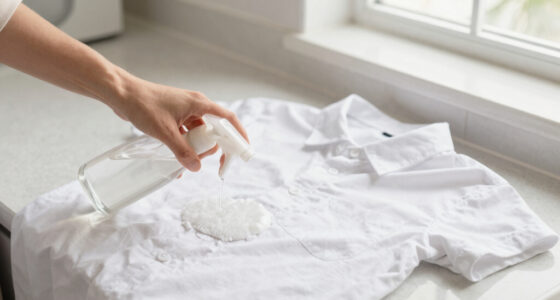
- Apply an enzymatic cleaner. Spray generously over the affected area, ensuring you cover the entire stain. Enzymes are biological agents that digest organic waste molecules—like urine—that cause odors. Proper application is vital; insufficient coverage or quick drying can leave residues behind, allowing odors to persist. Follow product instructions—usually, you need to wait 10-15 minutes before blotting dry—and consider repeating treatments for stubborn spots. This process not only removes the visible stain but also tackles the root cause of the smell.
- Deep clean surrounding surfaces. For carpets, consider steam cleaning or using a carpet extractor, which can penetrate deeper layers and remove residues that regular vacuuming or surface cleaning miss. For furniture or floors, wiping down with a vinegar solution or natural cleaner helps neutralize lingering odors. These steps are important because pet odors often extend beyond the initial spot, affecting larger areas. A comprehensive approach ensures that you’re addressing both surface and embedded odors, reducing the chance of reoccurrence.
This combination tackles the stain and the smell at their core. It’s like giving your room a fresh reset, removing the organic molecules that feed the odor. Remember, patience is key; stubborn spots may require multiple treatments or professional intervention to fully eradicate the smell.
natural pet odor neutralizer spray
As an affiliate, we earn on qualifying purchases.
As an affiliate, we earn on qualifying purchases.
Natural Odor Absorbers That Actually Work (And How to Use Them)
Natural remedies are your friend when battling pet odors. Baking soda is a classic. Sprinkle it liberally over carpets and furniture, let it sit for several hours or overnight, then vacuum. Baking soda works by absorbing and neutralizing odors at a molecular level, but for it to be most effective, it needs sufficient contact time and thorough vacuuming afterward. This means you might need to repeat the process for persistent smells, but it’s a safe and inexpensive method that can make a noticeable difference in room freshness.
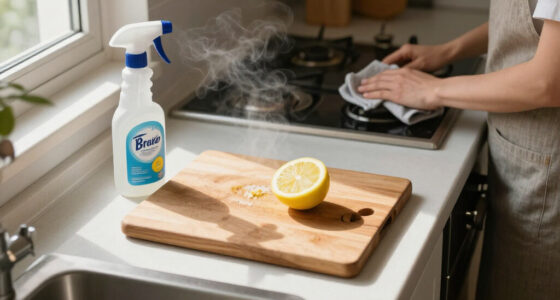
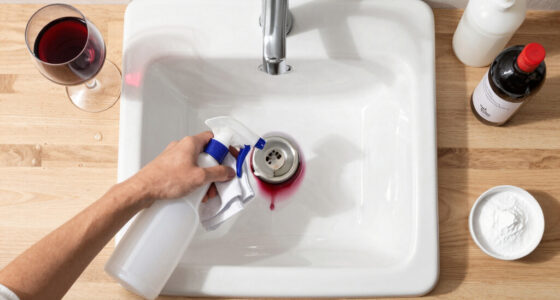
White vinegar neutralizes ammonia-based odors because it can break down the chemical compounds that cause strong pet smells. Mix one part vinegar with two parts water in a spray bottle and mist the affected areas. The vinegar’s acidity helps to neutralize alkaline ammonia molecules, which are common in pet urine. Don’t worry about the vinegar smell—once it dries, it dissipates quickly, taking much of the pet odor with it. Using vinegar also helps disinfect surfaces, adding a dual benefit to your cleaning routine.
Activated charcoal is another powerhouse. Place bowls filled with charcoal around the room—especially near problem spots. Charcoal is highly porous, allowing it to trap airborne molecules responsible for odors. This method is especially effective in spaces with persistent smells or poor ventilation, as it continuously absorbs odors from the air over time. Combining these natural options can significantly improve air quality and keep your room smelling fresh longer.
For example, after treating a heavily soiled area, I set out a few bowls of charcoal and sprinkled baking soda on the carpet. Within a day, the room smelled noticeably cleaner, demonstrating how these natural products work synergistically to combat pet odors.
As an affiliate, we earn on qualifying purchases.
Ventilation and Air Purifiers: Your Odor-Fighting Dream Team
Odors tend to linger because they’re floating in the air, settling into fabrics, carpets, and wall surfaces. Increasing airflow helps disperse these molecules more quickly, preventing them from settling and becoming embedded. Opening windows wide creates a cross-breeze that pushes stale air out and invites fresh air in, which is essential for reducing lingering smells. Ceiling fans and oscillating fans enhance this effect by circulating air throughout the room, speeding up odor dissipation.
Air purifiers equipped with HEPA filters and activated charcoal are particularly effective because they actively trap airborne particles and absorb odors at their source. HEPA filters remove tiny particles that carry odor molecules, while charcoal filters chemically adsorb smells, providing a comprehensive approach to air cleaning. This dual-action method not only improves immediate air quality but also prevents odors from building up over time, especially in homes with pets that shed or have multiple animals.
For instance, after cleaning, I left my windows open all day and ran an air purifier on high. The combination dramatically improved air freshness, removing residual pet smells and creating a healthier environment. In homes with multiple pets or thick carpets, investing in a high-quality air purifier can be a game changer, especially models that monitor air quality and alert you when odor levels are high.
As an affiliate, we earn on qualifying purchases.
When Deep Cleaning Isn’t Enough — Time to Call the Pros
Sometimes, pet odors are stubborn enough to hide deep in carpets, upholstery, or even the walls. When repeated cleaning efforts fail to fully eliminate the smell, it’s a sign that the odor has penetrated beyond what typical DIY methods can reach. This is especially true for older stains or areas with significant contamination, where residues have seeped into porous materials, creating a persistent source of odor that can re-emerge even after cleaning.
Professional odor removal specialists have access to industrial-grade equipment like ozone machines, thermal foggers, and specialized cleaning solutions. These tools can reach deep into fibers, padding, and wall cavities, breaking down organic molecules that cause odors at a microscopic level. This deep cleaning not only removes visible stains but also neutralizes the underlying odor sources, providing a more permanent solution.
For example, after trying multiple DIY treatments and noticing no improvement, I hired a professional service. They used ozone treatment, which effectively eliminated the odor—something that was impossible with standard cleaning. Keep in mind, these treatments are more costly but are often the only way to fully restore a space affected by old or severe pet odors. Weigh the severity of the odor, your budget, and your timeline before deciding whether professional intervention is necessary.
Prevent Future Odors With Good Habits and Maintenance
The best way to avoid a room full of pet smells is through consistent prevention and maintenance. Regularly washing pet bedding, cleaning litter boxes, and promptly addressing accidents are crucial. Training pets to use designated spots and reinforcing good habits can significantly reduce the chances of accidental messes that lead to odors. Quick response is key—cleaning and neutralizing odors immediately after an accident prevents the molecules from settling in and becoming ingrained.
For example, I kept a spray bottle of pet-safe deterrent near common accident zones. When my dog tried to revisit these spots, I would spray the deterrent, which conditioned him to avoid marking there again. Additionally, vacuuming carpets weekly with a HEPA filter vacuum and washing furniture covers regularly helps keep odors at bay. Using odor-neutralizing sprays or mats in high-traffic or accident-prone areas adds an extra layer of protection.
Establishing these routines and habits creates a proactive approach to odor control, saving you from larger cleanup efforts later. Consistency ensures your space remains fresh and inviting, even with pets around. Remember, prevention is always easier than cure, and small daily habits can make a big difference in maintaining a pet-friendly, odor-free environment.
Frequently Asked Questions
How long does it take for a room to smell fresh after cleaning?
Proper cleaning can reduce odors within hours, especially if you ventilate well. For stubborn smells, airing out the room and running an air purifier for a full day can make a noticeable difference. Persistence pays off.
Can I use bleach to remove pet smells?
Harsh chemicals like bleach can be harmful to pets and may damage surfaces. Enzymatic cleaners and natural neutralizers are safer and more effective at breaking down organic odors without the risks.
What’s the best way to prevent pet accidents from causing odors?
Consistent training, quick cleanup after accidents, regular washing of pet bedding, and using deterrents help prevent future odors. Staying proactive keeps your space fresh longer.
Are natural remedies enough for severe pet odors?
For minor incidents, baking soda or vinegar work well. But deep-seated or old odors may need professional cleaning or specialized equipment to fully eliminate the smell.
Conclusion
Getting pet accident smells out of a whole room isn’t magic—it’s about combining good cleaning techniques with fresh air and prevention. Take your time, use natural products, and don’t hesitate to call in pros if needed. A fresh-smelling space is just a few thoughtful steps away.
Imagine walking into a room that smells clean and inviting, not like a pet accident. That’s your goal—and with these strategies, it’s entirely achievable. Breathe easy, and enjoy your pet-friendly, fresh space.
NFL season / tailgating Picks
team gear
As an affiliate, we earn on qualifying purchases.