TL;DR

Get cleaning gear delivered free — and shop member deals
- Fast, free delivery on millions of items
- Access to Prime Big Deal Days deals on October 6–7
- Prime Video, Amazon Music and more included
Vacuum before dusting to remove loose dirt and prevent dust from resettling. Using a HEPA filter makes a big difference for allergy sufferers. Tailoring your routine boosts cleanliness and air quality.
Ever wondered if you should dust or vacuum first? It’s a surprisingly common question with no one-size-fits-all answer. But the truth is, the order you choose can influence how much dust gets stirred up and how clean your home truly feels.
In this guide, you’ll learn the pros and cons of each approach, backed by recent insights and practical tips. Whether you’re tackling pet hair, allergies, or just want that squeaky-clean feeling, knowing the right order makes all the difference.
Vacuum first with a HEPA filter to trap the most dust and allergens, preventing them from becoming airborne during dusting.
Dust surfaces before vacuuming if you want to achieve a spotless look, but expect to vacuum afterward to clean fallen debris.
Using damp or microfiber tools for dusting keeps dust from spreading, making your routine more effective.
Regular cleaning (at least weekly) is essential, but more frequent vacuuming is needed if you have pets or allergies.
Adjust your approach based on your home environment — what works for allergy control might differ from surface cleaning priorities.
Why Vacuuming First Usually Works Better
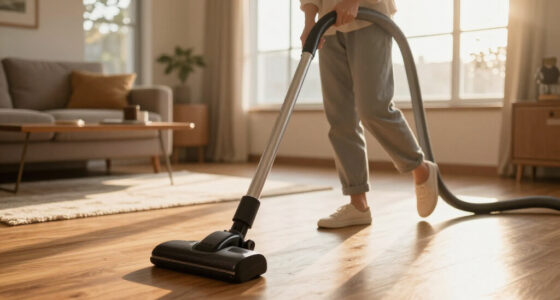
Vacuum first if you want to clear out loose dirt, pet hair, and dust from floors and carpets. It’s like sweeping before mopping — it makes the whole cleaning process more efficient. When you vacuum first, you prevent dust from settling back onto surfaces during dusting.
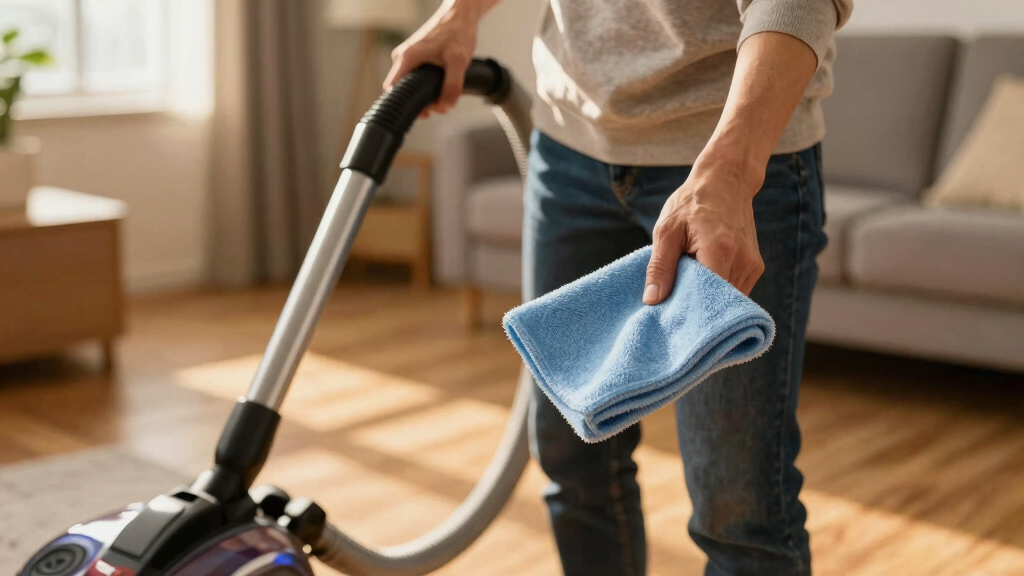
Imagine vacuuming your living room with a HEPA filter — within minutes, you’ve pulled up a surprising amount of fine dust, pet dander, and pollen. Then, when you dust, you’re working with cleaner surfaces, and less dust gets kicked into the air.
Plus, vacuuming first reduces the amount of airborne dust during dusting, which is especially helpful if you have allergies or asthma. It’s a simple step that makes your entire cleaning routine more effective and less dusty.
Furthermore, vacuuming first can help prevent the cycle of dust resettling. If you dust first, loose particles are often stirred into the air or fall onto the floor, requiring you to vacuum again. This can lead to a repetitive cleaning loop that wastes time and reduces effectiveness. Therefore, vacuuming first is a strategic move for thorough dust removal and better indoor air quality.
Deeply, this approach recognizes the importance of source removal—by eliminating the bulk of dust and allergens at the outset, you reduce the workload on your surfaces and air quality. It’s a proactive method that minimizes the reintroduction of particles into the environment, which is crucial for those with sensitivities. The tradeoff, however, is that some dust may still resettle during subsequent dusting, but overall, this method significantly lowers airborne contaminants and improves overall cleanliness.
As an affiliate, we earn on qualifying purchases.
Why Dusting First Is Still Worth Considering
If you prefer to dust first, that’s not wrong — it can make surfaces look spotless before you tackle floors. But be aware, dusting first can cause loosened dust to fall onto floors and carpets, which then need vacuuming afterward.
Think about dusting your shelves or window sills first, then running the vacuum. This way, you’re not redistributing dust onto cleaned surfaces, but you’ll need to vacuum again afterward to catch the debris that falls. The key consideration here is timing and the potential for dust to resettle, which can make the process more labor-intensive if not managed carefully.
This approach can be beneficial if you’re allergic to dust or want to focus on cleaning surfaces thoroughly. However, it often leads to extra steps and can be less efficient overall. The main tradeoff is that dusting first might give immediate visual satisfaction but could require additional cleaning efforts later to achieve a truly dust-free environment.
Deeply, dusting first can be advantageous for quick surface cleaning and immediate aesthetic results. It’s especially useful if you have limited time or want to see instant results. However, the downside is that dust can resettle onto floors or other surfaces, creating a cycle of re-cleaning. This means that while initial dusting is easier, the overall effort may increase if you need to go back and vacuum multiple times to address fallout, especially in areas with a lot of loose dust or pet dander.
As an affiliate, we earn on qualifying purchases.
Comparison Table: Vacuum First vs. Dust First
| Vacuum First | Dust First |
|---|---|
| Removes loose dirt, pet hair, and dust from floors and carpets first, preventing loose debris from resettling on surfaces. | Clean surfaces thoroughly before vacuuming, which can loosen dust and cause it to fall onto floors, possibly requiring additional vacuuming. |
| Reduces airborne dust during dusting, leading to improved air quality and less respiratory irritation. | May cause dust to resettle onto floors or furniture, necessitating a second round of vacuuming to capture loosened particles. |
| Best suited for allergy sufferers and homes with pets, as it minimizes dust reintroduction into the air. | Useful for achieving a pristine look on surfaces but can be less efficient if it leads to additional cleaning steps. |
| Speeds up the overall cleaning process by removing most debris upfront. | Potentially lengthens cleaning time due to the need for extra vacuuming after dusting. |
As an affiliate, we earn on qualifying purchases.
How to Make Your Cleaning Routine More Effective
- Start with a vacuum with a HEPA filter — this traps tiny particles and allergens, preventing them from becoming airborne during cleaning.
- Use microfiber cloths or electrostatic dusters for surfaces — they trap dust rather than just moving it around, reducing potential recontamination.
- Dust with a damp cloth to keep dust particles from becoming airborne, which is especially important for allergy sufferers.
- If you dust first, vacuum afterward to catch any loosened debris, ensuring a more thorough clean.
- For hard floors, vacuum thoroughly before dusting to prevent dirt from spreading and resettling during the process.
- Use damp cloths or microfiber dusters instead of dry cloths — they trap dust better and prevent it from becoming airborne.
- Vacuum with a HEPA filter to prevent dust from recirculating into the air, especially in enclosed spaces.
- Clean or replace vacuum filters regularly to maintain suction and filtration efficiency, ensuring dust isn’t released back into the environment.
- Keep windows open or run an air purifier while cleaning to promote air circulation and remove airborne dust particles.
- Declutter surfaces to reduce the amount of dust that can settle, making dusting easier and more effective.
Imagine finishing a cleaning session where every step flows smoothly, leaving your home feeling fresh and less dusty. These simple tweaks can make your routine more effective and healthier.
As an affiliate, we earn on qualifying purchases.
How Often Should You Vacuum and Dust?
Most households benefit from vacuuming and dusting at least once a week. But if you have pets, allergies, or live in a dusty area, you might want to do it twice or more. Regular cleaning keeps dust mites, pet dander, and pollen at bay.
For example, pet owners often find their homes need more frequent attention — a quick vacuum every 3-4 days helps control pet hair and dander buildup, while dusting twice a week keeps surfaces looking fresh.
Investing in a good vacuum cleaner with HEPA filters and microfiber cloths can cut down cleaning time while improving air quality.
Understanding the importance of frequency is crucial because dust and allergens can accumulate quickly, especially in high-traffic or pet-friendly homes. Regular cleaning routines not only maintain a healthier environment but also prevent the buildup of stubborn dirt and allergens that become harder to remove over time.
Tips to Reduce Dust During Cleaning
For example, swapping your traditional feather duster for a microfiber cloth instantly reduces airborne dust. This small change not only improves indoor air quality but also minimizes the effort needed to keep your home clean and allergen-free.
Frequently Asked Questions
Should I vacuum or dust first if I have allergies?
Vacuum first with a HEPA filter to remove airborne allergens. Then, dust surfaces with a damp cloth to trap remaining dust and prevent it from floating into the air.Does it matter which order I do these chores?
Yes. Vacuuming first generally reduces the amount of dust that gets stirred up during dusting, making the whole process more effective and less dusty.What tools are best for dusting and vacuuming?
Use microfiber cloths or electrostatic dusters for surfaces, and a vacuum cleaner with a HEPA filter for floors and carpets. These tools trap dust better and improve indoor air quality.How often should I vacuum and dust?
Most households should aim for once a week. Pet owners or allergy sufferers may need to do it more often — even twice a week helps keep dust and dander under control.Are there tricks to reduce dust during cleaning?
Yes. Use damp microfiber cloths, vacuum with HEPA filters, clean filters regularly, and open windows or run an air purifier during cleaning. These steps help keep dust from floating around.Conclusion
For most homes, vacuuming first offers a cleaner, healthier environment by trapping dust and allergens before you dust surfaces. It’s a simple switch that makes a big difference in air quality and overall cleanliness.
Next time you clean, think about the order — it’s a small change with big results. Imagine that fresh, crisp feeling of a home that’s truly free of dust, ready for whatever comes next.
Halloween Picks
halloween
As an affiliate, we earn on qualifying purchases.