TL;DR

Get cleaning gear delivered free — and shop member deals
- Fast, free delivery on millions of items
- Access to Prime Big Deal Days deals on October 6–7
- Prime Video, Amazon Music and more included
Most cleaning experts recommend vacuuming before dusting. Vacuuming first removes loose dirt and debris, so dusting doesn’t cause dust to resettle. This order saves time and improves indoor air quality.
Ever wonder if you should dust or vacuum first? The order actually makes a big difference. Doing it in the right sequence can cut down on re-cleaning and boost your home’s air quality.
Think about the last time you dusted first and then vacuumed. You might have noticed dust settling back onto surfaces or floors. That’s because dust tends to resettle after being loosened.
It’s a simple switch—vacuum first, then dust—that can transform your cleaning game.Vacuum first, then dust, to prevent dust from resettling on cleaned surfaces.
Using a HEPA-filter vacuum and microfiber cloths enhances cleaning results.
Regular vacuuming and dusting improve indoor air quality, especially for allergy sufferers.
Sequence matters—skipping steps can mean redoing your work or missing dust.
Adjust your routine based on your home’s needs and allergy sensitivities for best results.
Why vacuuming first stops dust from settling back onto surfaces
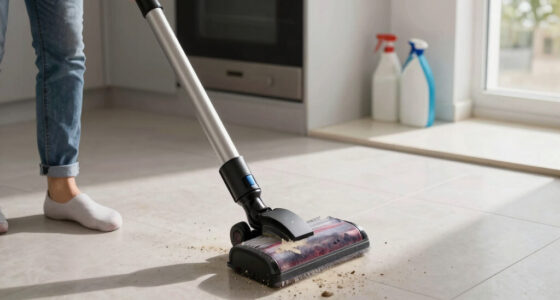
Vacuuming first pulls up loose dirt, pet hair, and big debris from floors and carpets. For example, imagine sweeping a kitchen floor after cooking — if you sweep first, you clear away most crumbs and dirt, making mopping more effective later. Similarly, vacuuming first removes larger particles, so when you dust, you’re not just redistributing dirt but actually removing it. If you skip this step, dust and debris are often stirred up and resettled, creating a cycle of re-cleaning that wastes your time and effort.
By removing these larger particles first, you minimize the amount of dust that becomes airborne during dusting, which is especially important for allergy sufferers or anyone concerned about indoor air quality. Additionally, thorough vacuuming helps prevent the accumulation of dust in hard-to-reach areas, reducing long-term buildup and making your overall cleaning more sustainable.
The tradeoff is that vacuuming can be time-consuming, especially in larger spaces, but the efficiency gained afterward—less re-cleaning and cleaner air—often outweighs this initial investment.
As an affiliate, we earn on qualifying purchases.
The best cleaning routine: step-by-step for maximum efficiency
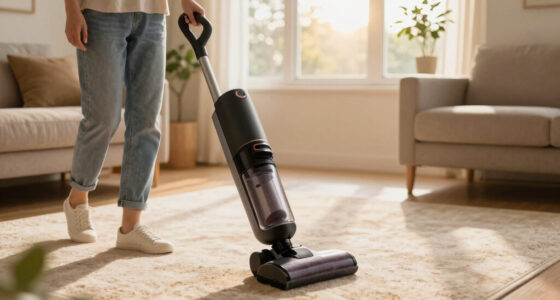
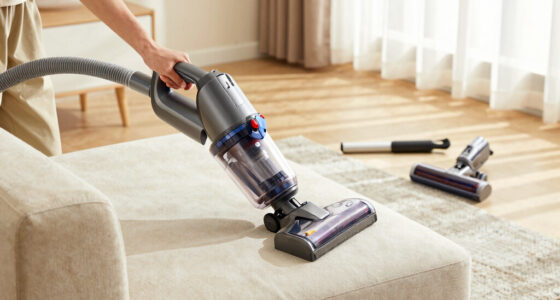
- Start with a vacuum equipped with a HEPA filter—especially if you have allergies or pets. Using a HEPA filter ensures that airborne particles are captured effectively, preventing them from recirculating into your home’s air and reducing allergy symptoms.
- Vacuum all carpets, rugs, and hard floors thoroughly, paying attention to corners, edges, and under furniture. For instance, moving furniture slightly to vacuum underneath prevents hidden dust from accumulating and resettling later.
- Use microfiber cloths or electrostatic dusters to wipe surfaces, shelves, and electronics. These tools trap dust particles more effectively than traditional feather dusters, preventing dust from becoming airborne during cleaning. Imagine wiping a dusty bookshelf with a microfiber cloth that attracts dust like a magnet, rather than just spreading it around.
- Finish with damp cloth dusting on delicate surfaces for trapping fine dust particles without dispersing them into the air. Damp cloths can also help remove residual dirt that static or dry dusters might leave behind.
This order ensures loose debris is gone before you tackle dust, which not only enhances cleanliness but also reduces the likelihood of dust resettling, making your entire routine faster, more thorough, and more environmentally friendly.
As an affiliate, we earn on qualifying purchases.
Comparison table: vacuum first or dust first? Which is better?
| Vacuum First | Dust First |
|---|---|
| Removes larger debris, prevents dust resettling, saves time. For example, vacuuming a living room before dusting shelves means dust from surfaces doesn’t fall onto the floor afterward, saving you from re-vacuuming. | May cause dust to resettle on floors and furniture, leading to re-cleaning. For instance, dusting a dusty bookshelf before vacuuming might loosen dust that then settles onto the floor, requiring another round of vacuuming. |
| Better for allergy sufferers with HEPA-filter vacuums, as it traps airborne allergens at the source. | Useful for delicate items where dusting is gentle and detailed, but less effective overall because it often necessitates additional vacuuming afterward to remove resettled dust. |
| Most experts recommend this order for efficiency and health benefits. | Less effective overall, often requiring re-vacuuming or re-dusting, which can double your effort and time. |
As an affiliate, we earn on qualifying purchases.
Tips for making dusting safer and more effective
- Use microfiber cloths—they trap dust better than traditional dusters, reducing the amount of dust that becomes airborne during cleaning. For example, wiping a dusty picture frame with a microfiber cloth captures dust that a feather duster might just spread around.
- Slightly dampen cloths for surfaces prone to static or stubborn dust buildup, which helps prevent dust from dispersing into the air. Imagine wiping a computer monitor with a slightly damp cloth to trap dust without dispersing it into the room.
- Opt for electrostatic dusters for electronics and tricky corners, as they attract and hold dust particles more effectively. For instance, using an electrostatic duster on a TV screen or keyboard pulls dust away cleanly, rather than just pushing it around.
- Wear a mask during dusting if you have allergies or asthma. This reduces inhalation of airborne dust and allergens, especially when working in poorly ventilated areas. Think of it as wearing a filter mask while sweeping a dusty attic to protect your lungs from fine particles.
These tools and tricks help contain dust at the source, making your cleaning safer for your respiratory health and more effective at removing fine particles that can linger in the air.
As an affiliate, we earn on qualifying purchases.
Frequently Asked Questions
Should I vacuum or dust first for the best results?
Most cleaning pros recommend vacuuming first. It clears out loose debris and prevents dust from resettling when you begin dusting. For example, imagine vacuuming a carpet before dusting shelves — this prevents dust from floating into the air and settling back onto the carpet, making your cleaning more efficient and effective.
Does it matter if I dust before vacuuming?
Yes, dusting first can cause dust to resettle on floors and furniture, requiring you to vacuum again. For instance, if you dust a bookshelf before vacuuming the floor, loosened dust might fall onto the carpet, necessitating another round of vacuuming. To avoid this, vacuum first to remove larger debris, then dust to capture remaining dust on surfaces.
What tools work best for dusting?
Microfiber cloths, electrostatic dusters, and slightly damp cloths are your best options. They attract and hold dust effectively, much like a magnet. For example, using a microfiber cloth on a dusty window sill traps dust particles instead of just spreading them around, resulting in cleaner surfaces and less airborne dust.
How often should I vacuum and dust?
Vacuum weekly, and dust surfaces at least twice a week. For example, vacuuming the living room on Saturdays and dusting shelves twice a week can significantly reduce dust buildup, especially during allergy seasons or if you have pets. Regular cleaning keeps your indoor air healthier and your home cleaner.
Can I do both at the same time?
It’s better to do them sequentially—vacuum first, then dust—for maximum effectiveness and to reduce re-cleaning. For example, trying to vacuum while dusting at the same time can stir up dust into the air, making your efforts less effective. Following the recommended order ensures a cleaner, healthier home with less effort.
Conclusion
Cleaning isn’t just about what you do—it’s about doing it in the right order. Vacuum first, then dust, is the simple switch that makes a big difference. It saves time, reduces dust resettling, and leaves your home healthier.
Next time you clean, picture your routine as a smart, step-by-step process—your home will thank you, and so will your lungs.
Halloween Picks
halloween
As an affiliate, we earn on qualifying purchases.