
TL;DR

Get cleaning gear delivered free with Prime
- Fast, free delivery on millions of items
- Prime Video, Amazon Music and more included
- Member-only deals all year
The most common eco-cleaning mistake is using extra cleaner or combining products under the assumption that more or more natural means safer. Measure concentrated cleaners according to their labels, use a product suited to the job, and never mix cleaning products, especially bleach with vinegar, toilet-bowl cleaner, or ammonia.
The greener-looking cleaner under your sink can still leave a mess behind. Extra concentrate can leave a sticky film, and mixing familiar ingredients such as bleach and vinegar can release dangerous fumes.
The eco mistake is assuming that more cleaner—or a label that says “natural”—automatically means a cleaner, safer home. You’ll learn how to measure products, avoid risky mixtures, and choose practical habits that cut waste without risking your floors, counters, or breathing air.
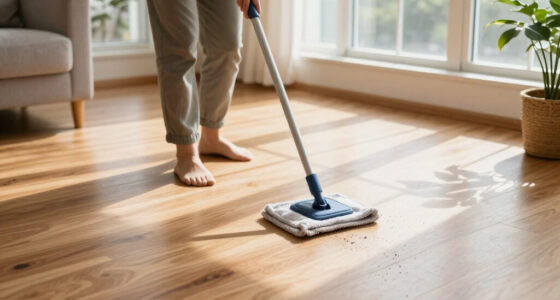
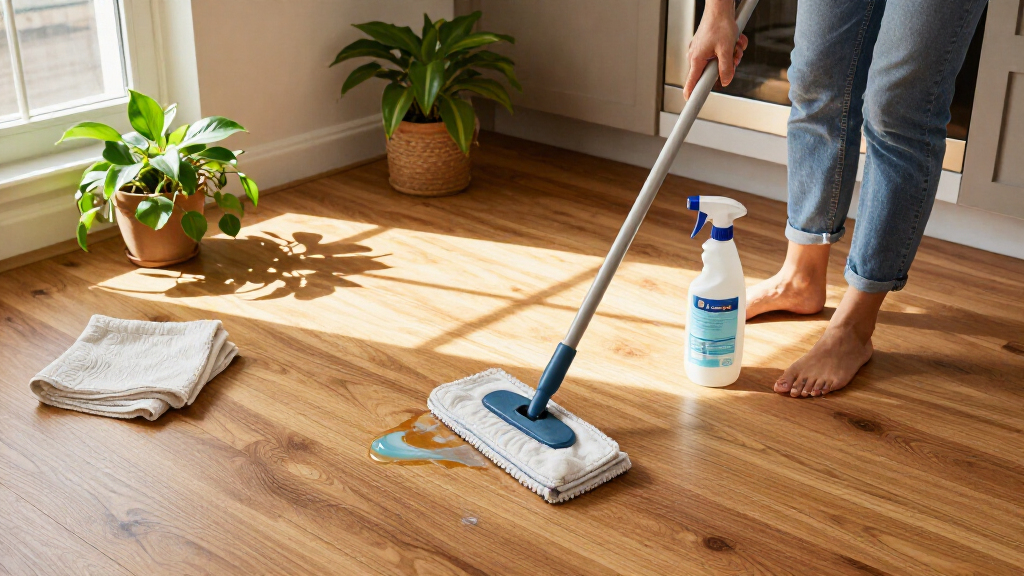
A simple example: if your kitchen floor only has crumbs and muddy footprints, a measured dose of suitable cleaner and a damp reusable cloth may do the job. Pouring in extra concentrate can waste product and leave the floor dull or tacky.
Measure concentrated cleaners according to the label; overdosing can waste product and leave residue.
Never mix cleaning products. Bleach can release dangerous gases with acids such as vinegar or with ammonia.
Use a cleaner suited to the surface and task, and follow stated dilution, contact time, and ventilation directions.
“Natural” and “eco-friendly” labels do not guarantee a product is harmless, allergy-free, or safe to combine.
Reusable cloths and suitable refill systems can reduce waste when you use and care for them properly.
The Eco Mistake Most People Make When Cleaning
Using extra cleaner or mixing products can waste ingredients, leave residue, or create dangerous fumes. Measure each product and follow its label.
Use the right amount
Concentrates are made for a stated dose or dilution. More product does not mean more cleaning power.
Sweep crumbs or dust before wet cleaning.
Follow care instructions and choose a cleaner suited to the task.
Use the label’s dose, dilution, and contact time. A damp reusable cloth may be enough for routine dirt.
Keep products separate
A familiar ingredient or “natural” label does not make a mixture safe.
- Vinegar or some toilet-bowl cleaners can release toxic gases.
- The mixture can form hazardous chloramine gases.
Read beyond the green claims
Broad labels do not establish that a cleaner is harmless, right for every surface, or safe to combine.
Check what’s inside
Plant-derived fragrances and essential oils can still irritate skin or airways or trigger allergies.
Trust the product label
Check dilution, surface restrictions, ventilation, and whether rinsing is needed.
Weigh the whole lifecycle
Refills and concentrates can reduce packaging or transport, depending on the product and how it is used.
Cut waste with simple habits
Routine cleaning and disinfecting are different tasks; use disinfectants selectively and as directed.
- Measure concentrated cleaners instead of guessing.
- Use reusable cloths where practical and avoid unnecessary disposable wipes.
- Choose refill packaging when it suits the product and local recycling options.
Why using extra cleaner can leave a dirtier-feeling home
The biggest eco mistake in cleaning is often using more concentrated product than the label calls for. Extra cleaner rarely means extra cleaning power; it can leave residue, waste ingredients, and send more product down the drain. Concentrates are formulated for a stated dose or dilution, so measure instead of guessing.
Think about a kitchen floor after a week of cooking. You mix a bucket of water with a generous glug of concentrate because the tiles look dull. After mopping, the floor feels slightly tacky, and every sock seems to pick up a faint drag. That film may be cleaner left behind, not evidence that the floor needs another, stronger round.
Residue can also make routine cleaning harder. Dust and crumbs may cling to a sticky surface, so you end up mopping again and using still more product. On wood, stone, laminate, or other sensitive finishes, an unsuitable or overly concentrated cleaner can damage the surface; follow the flooring maker’s instructions.
For example, if a product label gives a dilution, use a marked measuring cup or bottle rather than a free-poured splash. If it is ready to use, don’t dilute it unless its instructions say to. The right dose depends on the product and task, not on how strong the fragrance smells or how large the stain looks.
- Measure the dose for concentrates.
- Check surface restrictions before mopping or wiping.
- Use only the stated amount and repeat cleaning if needed instead of pouring in extra.
Products Worth Considering

LG 77-Inch OLED evo C6 4K Smart TV

Google Nest Cam Indoor/Outdoor Battery Security Camera

Samsung 48 4K OLED Smart TV (2026) with WireLogic 8ft Ultra High Speed HDMI Cable
As an affiliate, we earn on qualifying purchases.
How to clean a routine mess with less product
For ordinary household dirt, start with the least product that the surface and label allow: remove loose debris, use a suitable cloth, and apply a measured cleaner only if needed. Routine cleaning lifts dirt; disinfecting targets germs and follows separate product directions. One does not automatically replace the other.
- Check the surface. Read the care instructions for your counter, floor, or appliance, since finishes react differently to cleaners.
- Pick up loose mess. Sweep crumbs or vacuum dust before wet cleaning so you do not turn grit into a smear.
- Use a damp cloth or mild detergent. For a greasy kitchen splash, a small amount of dish soap in water can be enough, provided it suits the surface.
- Measure concentrated cleaner. Follow its label for dilution, contact time, and whether you need to rinse.
- Let the surface dry. If residue remains, check the instructions before wiping again with clean water.
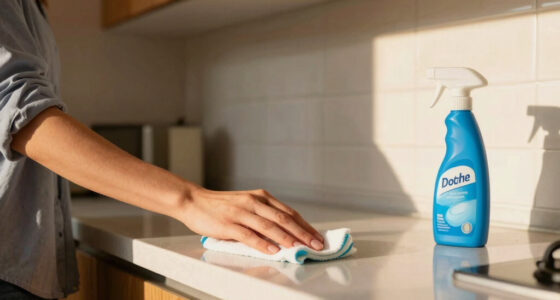
Picture breakfast cleanup: you wipe toast crumbs from a laminate counter, then find a thin ring of dried coffee. A damp microfiber cloth may lift both. If the coffee has dried stubbornly, use an appropriate cleaner in its stated amount rather than spraying the whole counter several times.
Disinfectant is useful in specific situations, but using it for every everyday wipe can add unnecessary product and effort. Follow the label’s surface directions, ventilation advice, and contact time whenever you disinfect. More product does not shorten the required contact time; the instructions determine how to use it.
Why mixing cleaners can turn a small job into a hazard
Never mix cleaning products, even when one or both say “natural.” Bleach mixed with an acid, including vinegar or some toilet-bowl cleaners, can release toxic gases. Bleach mixed with ammonia can form hazardous chloramine gases. That risk is a good reason to use one product at a time and follow its label.
A common wrong turn happens in a bathroom: someone sprays vinegar on hard-water marks, decides the stain needs a stronger treatment, then adds bleach without rinsing or checking what remains. The result can be dangerous fumes. The same principle applies to homemade combinations; familiar pantry ingredients are not automatically safe to combine.
Vinegar and baking soda fizz when combined, but the bubbling does not make them a better cleaner. Their reaction largely neutralizes the acid and base, and the mixture may not do the job you expected. Use either ingredient only where appropriate for the surface and task, and avoid treating an internet recipe as a substitute for product directions.
Keep cleaners separate: use one product at a time, follow its label, and never combine bleach with vinegar, toilet-bowl cleaner, ammonia, or another cleaning product.
If you accidentally mix products and notice fumes, coughing, burning eyes, or difficulty breathing, leave the area and get fresh air. Do not lean over the container or try to neutralize the mixture with another product. Contact local emergency services or poison control for advice appropriate to your location, especially if anyone has symptoms.
What “natural” and “green” labels can—and can’t—tell you
A “natural” or “eco-friendly” label does not by itself tell you that a cleaner is harmless, suitable for every surface, or safe to mix with another product. Ingredients and instructions matter more than broad claims. Plant-derived fragrance and essential oils can still irritate skin or airways or trigger allergies for some people.
Suppose you’re cleaning a bathroom while a child with sensitive airways is home. A strongly scented spray may smell like citrus peel, but that pleasant scent does not prove it is gentler to breathe. You might choose a fragrance-free option, open a window if the label recommends ventilation, and keep people and pets away as directed.
Broad claims can also mean different things across products and jurisdictions. Look for specific details you can check, such as a stated concentration, a clear ingredient disclosure, packaging made with recycled content, or instructions for refilling. A vague “green” badge tells you less than a plain label that explains how much to use and where not to use it.
There are tradeoffs. A concentrated refill can reduce the amount of packaging or shipping needed, but the overall benefit depends on the formula, container, transport, local recycling options, and whether you use the dose correctly. Choose the cleaner for the job and the surface; don’t assume that a product is a better environmental choice just because its marketing looks leafy.
- Check ingredients and warnings, especially if fragrance affects you.
- Look for clear dosing and surface guidance.
- Favor specific, verifiable claims over broad promises.
Which everyday cleaning habits cut waste without adding hassle
You can cut cleaning waste through small habits that prevent overdosing and reduce disposable supplies. Measure, reuse where practical, and match the cleaner to the mess. You do not need a cupboard full of special products to handle every ordinary spill.
| Situation | Lower-waste habit | What to check |
|---|---|---|
| Routine dust or crumbs | Use a reusable cloth or broom | Wash cloths as needed; avoid using a wet cloth on surfaces that need dry care |
| Concentrated floor cleaner | Measure a label-directed dose | Floor material, dilution, and rinse directions |
| Refillable spray cleaner | Reuse its intended bottle | Refill compatibility and safe storage directions |
| Food or bathroom mess | Clean first; disinfect only when the task calls for it | Product label and relevant public-health guidance |
For example, after a child tips cereal across the kitchen, sweep the dry pieces first. Then wipe the sticky milk with a damp cloth and, if needed, a small amount of suitable cleaner. A disposable wipe for every crumb can create more rubbish without making the counter cleaner.
Microfiber cloths are reusable, but their environmental effect depends on how you wash and care for them, while disposable wipes create waste with each use. A refill system may also help reduce packaging, but only if its containers suit the product and can be reused or recycled locally. Use what lasts and works safely in your home, rather than buying replacements for a green label alone.
How to tell when cleaning is enough and disinfecting is needed
Cleaning removes everyday dirt from surfaces, while disinfecting uses a product intended to reduce germs when used according to its directions. Most routine household cleaning does not automatically call for disinfectant; the right choice depends on the task, surface, and relevant public-health guidance. Check the product label rather than assuming a stronger product is always better.
Imagine you’ve wiped flour from a dining table after making biscuits. A damp cloth and an appropriate cleaner can handle visible mess. That is different from a situation where someone in the household is sick and current health guidance recommends disinfection of frequently touched surfaces. The task changes, so the cleaning plan may change too.
When you disinfect, give the product the stated contact time. If the label says the surface must remain wet for a stated period, a quick wipe that dries immediately may not follow the directions. Use the stated ventilation and protective measures, and check whether the product requires rinsing before food touches the surface.
People often make the mistake of equating strong smell with effectiveness. A sharp scent does not tell you whether a product is appropriate, whether it will work on a particular material, or whether you have used enough time. Read the label for the actual directions, then use the product only where its instructions and your situation call for it.
Frequently Asked Questions
What is the most common eco-friendly cleaning mistake?
A common mistake is using more concentrated cleaner than directed, assuming extra product will clean better. It can waste ingredients and leave a film on floors or counters. Measure the label’s dose and use a product suited to the surface.
Can I mix vinegar and bleach?
No. Bleach and vinegar must never be mixed; the acid can cause bleach to release toxic gases. Use one product at a time and follow its label.
Are homemade cleaners always safer than store-bought products?
No. Familiar ingredients such as vinegar and baking soda can react when combined, and a homemade recipe may not suit your surface or task. Avoid mixing cleaners, check material care instructions, and use products only as directed.
Does “natural” mean a cleaner is safe for children, pets, or people with asthma?
No. A natural ingredient can still irritate skin or airways or trigger an allergy. Read the product’s warnings and ventilation guidance, and follow directions for keeping people and pets away during use.
Do I need to disinfect my kitchen counters every day?
Routine cleaning is often enough for ordinary household dirt, but needs can change with the task, surface, or public-health guidance. If you disinfect, follow the product label for contact time, rinsing, and ventilation.
Are refillable cleaners and reusable cloths greener?
They can reduce packaging or disposable waste when the refill system works for the product and your local recycling options. The full benefit depends on packaging, transport, formulation, and proper use. Choose durable supplies you will actually reuse.
Conclusion
Keep one rule in mind: measure your cleaner, match it to the job, and never mix products. A small dose and a reusable cloth often handle routine dirt without leaving a film or filling the room with fragrance.
Next time you reach under the sink, let the label—not the size of the spill or the word “natural”—guide your hand. The best clean is a surface that feels right under your fingertips and air that smells like home.