TL;DR

Get cleaning gear delivered free — and shop member deals
- Fast, free delivery on millions of items
- Access to Prime Big Deal Days deals on October 6–7
- Prime Video, Amazon Music and more included
Polished concrete needs gentle, neutral pH cleaners and regular maintenance to stay shiny. Avoid acids like vinegar or bleach, and seal periodically for best results. Simple routines can extend its life and keep it looking fresh.
Use only neutral pH, non-abrasive cleaners to avoid damaging your polished concrete.
Regular sweeping and damp mopping extend the floor’s lifespan and keep it shiny.
Seal your polished concrete every 1-3 years for better stain resistance and durability.
Avoid acids, bleach, and harsh abrasives—they dull or etch the surface over time.
Deep clean with gentle methods, and address stains promptly to prevent long-term damage.
Why Regular Cleaning Matters for Your Polished Concrete
Polished concrete is more than just a pretty face—it’s tough, but not invincible. Dirt, dust, and debris settle into the surface, dulling its shine and causing tiny scratches over time. Regular sweeping or dust mopping keeps loose grit off, preventing these tiny abrasions. Damp mopping with a neutral pH cleaner lifts away stains and stubborn dirt without dulling the finish.
Think of it like caring for a mirror—regular wiping keeps it bright, while neglect leads to dullness and buildup. When dirt and debris accumulate, they act like tiny sandpaper, gradually eroding the surface’s smoothness and mirror-like sheen. Regular cleaning also prevents the buildup of grime that can trap moisture or promote mold in certain environments. In high-traffic areas, neglecting routine cleaning accelerates wear, leading to costly resurfacing or polishing. Therefore, consistent maintenance isn’t just about aesthetics; it’s about preserving the integrity and durability of your investment.
As an affiliate, we earn on qualifying purchases.
The Right Cleaning Products for Polished Concrete
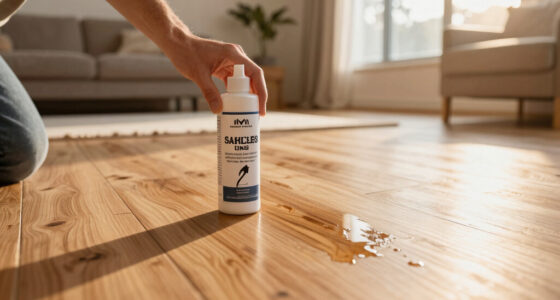
Choosing the correct cleaner makes all the difference. Look for products labeled as neutral pH, typically between 6 and 8. These cleaners are gentle enough to preserve the surface’s shine while removing dirt and grime effectively.
Avoid acids like vinegar or alkaline cleaners—they can etch or dull the surface. Instead, opt for commercially available concrete floor cleaners designed for polished surfaces. For example, a simple diluted solution of a neutral pH floor cleaner can be used with a mop or microfiber cloth.
Here’s a quick comparison:
| Feature | Neutral pH Cleaner | Vinegar/Acidic | Alkaline Cleaner |
|---|---|---|---|
| Gentleness | High | Low (can etch) | Moderate (may dull finish) |
| Effectiveness on Dirt | Good | Good (but risky) | Moderate |
| Surface Safety | Safe | Risk of damage | Use with caution |
Using the wrong cleaning agents can have serious implications. Acidic cleaners like vinegar, while natural and seemingly gentle, actually react chemically with concrete’s alkaline components. Over time, this can cause etching—the microscopic surface damage that dulls the shine and weakens the surface. Alkaline cleaners may seem safe but can leave residues that attract dirt or cause uneven dullness. Therefore, selecting a neutral pH cleaner balances cleaning effectiveness with surface preservation, ensuring your polished concrete remains glossy and intact for years to come.
As an affiliate, we earn on qualifying purchases.
Step-by-Step: How to Clean Your Polished Concrete the Right Way
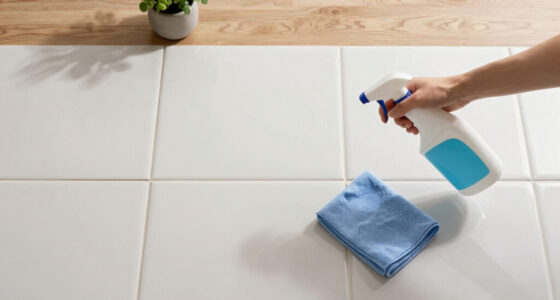
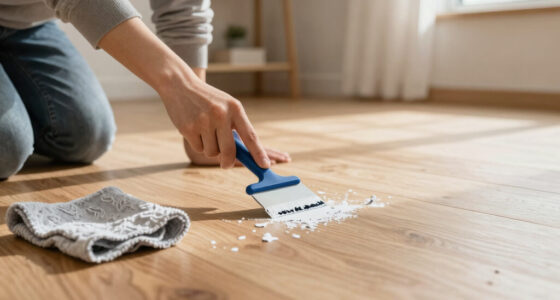
- Start with a dry, soft broom or microfiber dust mop. Remove all loose debris, leaves, and grit. Imagine walking on a smooth beach—no rough stones to scratch the surface.
- Mix a neutral pH cleaner according to the label—usually a few ounces per gallon of water. Use warm water for better dirt removal.
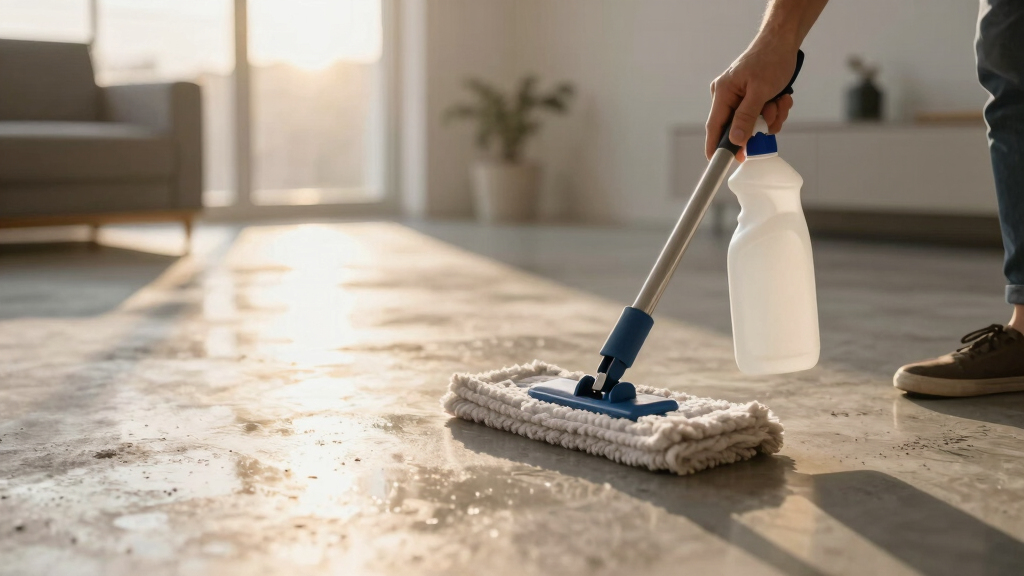
- Damp mop the floor, rinsing the mop frequently. Work in sections, avoiding puddles that can leave streaks.
- For stubborn stains, spot-clean with a soft cloth dipped in the cleaner. For example, oil stains from a spilled bottle can be treated with a degreasing agent, then rinsed thoroughly.
- Allow the floor to air dry or wipe with a clean microfiber cloth. Never leave excess water sitting—standing water can dull the finish.
- Reapply a penetrating sealer every 1-3 years, especially in high-traffic areas, to boost stain resistance.
Following these steps keeps your polished concrete gleaming without risking damage. Regular, gentle cleaning preserves the glossy look and prevents costly resurfacing. Think of this routine as a gentle touch—aggressive scrubbing or harsh chemicals can strip away the protective layer or scratch the surface, leading to faster deterioration. Patience and consistency are key to maintaining that mirror-like shine, especially in busy environments where dirt and stains are inevitable. Proper drying prevents water spots, which can leave dull patches or cause minor surface damage if moisture seeps into microscopic pores. Sealing after cleaning enhances resistance to future stains and wear, making this routine a comprehensive approach to longevity.
As an affiliate, we earn on qualifying purchases.
Avoid These Common Mistakes When Cleaning Polished Concrete
Many homeowners unintentionally dull their floors by using the wrong products or techniques. Never use harsh abrasives, steel wool, or scouring pads—they can scratch the surface. Skip acidic cleaners like lemon juice or vinegar in the long run; while they might seem safe, they can etch the finish over time.
Another mistake is neglecting to seal the floor regularly. Without a proper sealant, stains can penetrate deeper, making cleaning harder and dulling the shine faster. For example, a homeowner who ignored resealing found that oil and coffee stains became stubborn and impossible to remove.
Finally, avoid using high-pressure steam mops unless the floor is sealed and designed for it. Excessive heat or moisture can weaken the surface or cause water spots.
Understanding these pitfalls is crucial because each mistake compromises the delicate balance that keeps polished concrete looking its best. Using abrasive tools or harsh chemicals can create permanent scratches or etchings, reducing gloss and exposing pores that trap dirt. Neglecting resealing allows stains to seep deeper, causing discoloration and uneven gloss that’s difficult to restore. Steam mops, while convenient, generate heat and moisture that can weaken the surface if not used correctly, leading to surface pitting or water spots. Recognizing these risks enables you to take preventative steps, ensuring your floors remain beautiful and durable over time.
eco-friendly polished concrete cleaner
As an affiliate, we earn on qualifying purchases.
As an affiliate, we earn on qualifying purchases.
Seal and Protect: The Key to Long-Lasting Shine
Sealing is like putting a clear shield over your polished concrete. It prevents stains, reduces wear, and keeps that mirror-like shine intact. According to an anonymous researcher, floors sealed every 1-3 years retain their luster longer and resist damage better.
Choose a penetrating sealer—these soak into the surface, offering stain resistance without changing the appearance. Applying it after cleaning and drying the floor is simple: use a roller or sprayer, then let it cure for a day.
In high-traffic areas, reapply sealers more frequently. Matting or rugs in entryways also help keep dirt from scratching the surface.
Proper sealing is a crucial step because it forms a protective barrier that minimizes the impact of daily wear and tear. Without it, dirt and moisture can penetrate microscopic pores, leading to staining, surface etching, and loss of gloss. Penetrating sealers are preferred because they do not alter the visual texture, maintaining the floor’s sleek appearance while strengthening its resistance to scratches and stains. Regular reapplication in high-traffic zones ensures that this barrier remains effective, prolonging the floor’s aesthetic and structural integrity. Think of sealing as maintaining the floor’s armor—consistent care here preserves the shine and extends the lifespan of your polished concrete.
Frequently Asked Questions
Can I use a steam mop on polished concrete?
Yes, but only if your floor is sealed well. Use the steam mop on low heat and avoid excessive moisture. Too much heat or water can cause damage or dull the finish over time.
How often should I reseal my polished concrete floor?
Typically every 1-3 years, depending on traffic. High-traffic areas may need resealing sooner. Keep an eye out for signs of dullness or stains that won’t come out.
Are eco-friendly cleaning options effective for polished concrete?
Absolutely. Many biodegradable, pH-neutral cleaners work just as well without harming the environment or your floors. Look for products labeled as safe for polished concrete.
What’s the biggest mistake to avoid when cleaning polished concrete?
Using harsh chemicals or abrasive tools. These can scratch or dull the surface permanently. Stick with gentle, neutral cleaners and soft tools for best results.
Conclusion
Maintaining polished concrete isn’t about complex chemicals or heavy-duty scrubbing. It’s about gentle, consistent care—like giving your floors a daily, loving touch. Think of your polished concrete as a mirror; treat it right, and it will reflect beauty for years to come.Halloween Picks
halloween
As an affiliate, we earn on qualifying purchases.