TL;DR

Get cleaning gear delivered free — and shop member deals
- Fast, free delivery on millions of items
- Access to Prime Big Deal Days deals on October 6–7
- Prime Video, Amazon Music and more included
Excess water or moisture is the leading cause of hardwood floor damage. Prompt cleanup, humidity control, and using the right cleaning methods can protect your investment—stay vigilant.
Imagine walking into your living room and noticing a puddle of water left from a spilled glass or a leaking pipe. The damage might seem minor at first, but beneath the surface, water can quietly ruin your beautiful hardwood floors. This isn’t about heavy flooding—it’s about small, often overlooked moisture incidents that cause lasting harm.
The big takeaway? The one mistake that ruins hardwood floors isn’t neglect or poor cleaning habits, but failing to control moisture. In this guide, you’ll learn how excess water sneaks into your floors, the real risks it creates, and simple steps to keep your floors safe and stunning for years to come.
The main cause of hardwood floor damage is water or moisture that isn’t cleaned up quickly.
Early signs include stains, cupping, and a soft feel underfoot—detect them before irreversible damage occurs.
Avoid using excessive water during cleaning—use damp cloths and proper techniques.
Controlling indoor humidity and using protective mats help prevent water seepage and warping.
Water-resistant flooring options like vinyl planks can be a smart upgrade in moisture-prone areas.
The One Mistake That Ruins Hardwood Floors
TL;DR: Excess water or moisture is the leading cause of hardwood floor damage. Prompt cleanup, humidity control, and the right cleaning method protect your investment before a small spill becomes permanent cupping, staining, or warping.
It is not heavy flooding that usually starts the problem. It is the quiet puddle nobody dries.
Visible damage can begin within hours of water exposure.
Moisture accounts for the majority of hardwood floor repairs.
Spills, leaks, wet mops, and high humidity all feed the same damage cycle.
The indoor range that helps wood avoid swelling, gaps, and buckling.
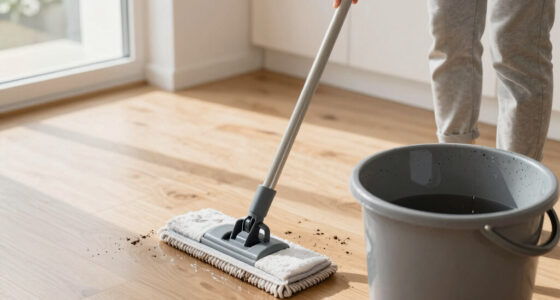
Use a well-wrung cloth or mop, never standing water.
Dry spills immediately, then monitor for stains, softness, or lifting edges.
Why Water Is the Silent Killer
Hardwood is porous. Once water slips through seams, cracks, or worn finish, the fibers swell like a sponge. That swelling changes the board’s shape, weakens the structure, and can leave stains long after the surface looks dry.
Tiny openings matter
Water enters through seams, scratches, porous grain, and unfinished edges, then moves below the visible surface.
Fibers expand unevenly
Boards absorb moisture at different rates, creating cupping, crowning, buckling, and a soft feel underfoot.
Damage gets locked in
Dark spots, cloudy finish, mold, and mildew become more likely the longer moisture remains trapped.
The Damage Chain
A little water becomes expensive when time does the work. The goal is to break the chain before moisture reaches the subfloor or distorts the board profile.
Spill or Leak
A glass tips, a pipe drips, or a wet mop leaves water behind.
Seams Absorb
Moisture travels through joints, cracks, and worn finish layers.
Wood Swells
Boards cup, crown, buckle, or feel spongy beneath your feet.
Mold Risk
Damp layers create conditions for musty smells and microbial growth.
Repair Cost
Delayed cleanup can mean sanding, refinishing, or replacing boards.
Spot Trouble Early
Early detection is the difference between a towel and a contractor. Watch the floor’s surface, shape, smell, and feel after any moisture incident.
Moisture Damage Signals
Indoor Humidity Sweet Spot
Use a hygrometer, dehumidifier, air conditioner, or ventilation to keep boards from expanding and contracting beyond their comfort range.
Compare Your Flooring Options
Water-resistant materials can help in kitchens, bathrooms, laundry rooms, and basements, but no surface excuses standing water. Choose the floor by matching risk to room.
| Floor Type | Moisture Resistance | Best For | Limitations | Water Score |
|---|---|---|---|---|
| Solid Hardwood | ✗ Low, needs sealing and maintenance | Dry areas with occasional spills | Susceptible to water damage if seams or finish fail | 2 / 10 |
| Engineered Hardwood | ~ Moderate, layered construction helps | Moisture-prone rooms and some basements | Still vulnerable to long-standing water | 6 / 10 |
| Waterproof Vinyl Plank | ✓ High, designed to resist water | Kitchens, bathrooms, laundry rooms | Less authentic than real wood, varies by style quality | 9 / 10 |
Avoid the Mistake at All Costs
The biggest cleaning mistake is using too much water. A soaked mop may feel thorough, but hardwood floors need controlled moisture, quick drying, and no standing water.
Do This
- ✓Use a damp, well-wrung cloth or microfiber mop.
- ✓Blot spills immediately with a dry towel.
- ✓Place mats near doors, sinks, and pet bowls.
- ✓Keep humidity in the 35-55% range.
Skip This
- ✗Do not leave puddles, wet towels, or soaked rugs on wood.
- ✗Do not steam clean hardwood unless the manufacturer allows it.
- ✗Do not ignore dark spots, lifting edges, or soft boards.
- ✗Do not assume a surface that looks dry is dry underneath.
Trace the Prevention Loop
Protecting hardwood is less about perfection and more about fast, repeatable habits that keep moisture from lingering.
Spills, leaks, wet shoes, or humid air appear.
Mats and trays catch water before it spreads.
Cleanup happens before the two-hour risk window.
Humidity stays between 35% and 55%.
Gaps, joints, and finishes stay maintained.
Floors stay stable, clean, and beautiful longer.
Why Water Is the Silent Killer of Hardwood Floors
Water is the enemy of wood because it seeps in easily, especially through tiny cracks and porous surfaces. Once water penetrates, it causes the fibers to swell, warp, and stain. Think of a sponge soaking up liquid—it’s the same with wood. Even a small spill left uncleaned can start a chain of damage.
Understanding this process matters because wood’s cellular structure is highly sensitive to moisture. When water infiltrates, it disrupts the natural balance of the wood, leading to irreversible warping, buckling, and staining. The severity depends on both the amount of water and the duration of exposure. For instance, a quick wipe can prevent damage, but leaving a spill unattended for hours can cause the fibers to swell beyond repair. This swelling weakens the structural integrity, making the floor susceptible to further damage from everyday wear. The key takeaway? Moisture doesn’t just stain; it fundamentally alters the physical makeup of your hardwood, often leading to costly repairs or replacements that could have been avoided with prompt action.
hardwood floor water damage repair kit
As an affiliate, we earn on qualifying purchases.
As an affiliate, we earn on qualifying purchases.
The Real Cost of Ignoring Moisture — What Happens When You Delay
Ignoring small spills or leaks invites serious trouble. Water that sits on or within your floors causes cupping, warping, and discoloration. The longer water remains, the more it penetrates deep into the wood’s layers, disrupting the cellular structure and weakening the material. This can lead to permanent damage that’s not just aesthetic but structural, compromising the floor’s stability. Mold and mildew are also common consequences, which pose health risks and can spread quickly in humid environments. For example, a slow leak in a bathroom or kitchen, if unnoticed, allows water to seep into the subfloor and beneath the finish, making repairs far more invasive and expensive. This delayed response often results in the need for extensive sanding, refinishing, or even replacing entire sections of flooring. The statistics speak volumes: moisture damage accounts for over 60% of hardwood floor repairs, highlighting how critical timely intervention is. The lesson? The longer you wait, the higher the cost—addressing water issues immediately preserves both your investment and your health.
moisture meters for hardwood floors
As an affiliate, we earn on qualifying purchases.
As an affiliate, we earn on qualifying purchases.
How To Spot Water Damage Early (And Save Your Floors)
- Look for dark spots or stains on the surface, which indicate moisture seeping into the wood fibers.
- Feel for soft or spongy areas when walking across the floor; these signs suggest swelling beneath the surface.
- Check for cupping or buckling—edges lifting or floors becoming uneven—signs that water has caused the wood to expand and contract unevenly.
- Notice musty smells, which often point to mold or mildew growth due to prolonged dampness.
- Monitor humidity levels—ideally between 35-55%—to prevent internal damage. Elevated humidity can accelerate moisture absorption, especially in poorly ventilated areas.
Detecting these early signs is crucial because it allows you to intervene before the damage becomes irreversible. For example, noticing a slight crown in your floorboards after a spill means water has penetrated deeper than surface stains. Acting quickly—such as drying the area thoroughly and reducing ambient humidity—can prevent the need for costly repairs. Using a moisture meter can help you identify hidden problems behind baseboards or beneath the surface, giving you a proactive edge. The earlier you catch the signs, the better your chances of preserving the original look and integrity of your floors.
humidity control dehumidifier for home
As an affiliate, we earn on qualifying purchases.
As an affiliate, we earn on qualifying purchases.
The One Mistake That Ruins Hardwood Floors — Avoid It at All Costs
The biggest mistake you can make? Using excessive water when cleaning. Many homeowners think mopping with lots of water keeps floors extra clean, but this actually invites damage. Water that lingers or seeps into seams creates the perfect storm for warping and staining.
This mistake is particularly dangerous because it often seems harmless—using a mop or sponge soaked with water may seem like good practice, but the reality is that hardwood floors are highly sensitive to moisture. Standing water can seep into joints, seams, and beneath the finish, saturating the wood fibers. Over time, this leads to swelling, cupping, and darkening, which are signs of advanced damage. The tradeoff here is clear: while water is necessary for cleaning, overdoing it can undo years of careful maintenance. Using a damp, well-wrung cloth and gentle cleaning solutions minimizes this risk, but many overlook this nuance, risking costly repairs. The key takeaway? Respect water’s power—less is more when it comes to cleaning your hardwood floors.
As an affiliate, we earn on qualifying purchases.
Smart Ways to Protect Your Floors From Water Damage
- Place mats at entryways to catch dirt and moisture before they reach your floors, preventing tracking and seepage.
- Clean spills immediately with a dry cloth or towel to prevent water from seeping into seams and causing swelling.
- Use a damp cloth for cleaning—never soaking wet—to control moisture exposure and avoid saturating the wood.
- Control indoor humidity with dehumidifiers or air conditioners, especially in humid climates or seasons, to reduce the risk of internal moisture buildup.
- Seal gaps and joints with appropriate finishes to prevent water from seeping into the subfloor or beneath the finish, preserving structural integrity.
- Consider water-resistant flooring options if your home faces frequent moisture issues, providing added protection without sacrificing aesthetic appeal.
For instance, installing a dehumidifier in the basement can significantly reduce humidity levels from 70% to 50%, drastically decreasing the likelihood of warping and mold. These simple, proactive steps help maintain a dry environment, preserving both the appearance and longevity of your hardwood floors.
Comparing Water-Resistant Options for Hardwood Floors
| Floor Type | Moisture Resistance | Best For | Limitations |
|---|---|---|---|
| Solid Hardwood | Low — needs sealing and maintenance | Dry areas, occasional spills | Susceptible to water damage if not properly sealed, requiring regular upkeep to maintain resistance |
| Engineered Hardwood | Moderate — better sealing layers | Moisture-prone areas, basements | Still vulnerable to standing water over long periods; sealing helps but isn’t foolproof |
| Waterproof Vinyl Plank | High — designed to resist water | Kitchens, bathrooms, laundry rooms | Less authentic look, may not match all decor styles; however, offers peace of mind in moisture-heavy zones |
Choosing the right flooring depends on your environment and lifestyle. For high-moisture zones, waterproof vinyl planks or sealed engineered wood provide reliable resistance, reducing worries about spills and humidity. In living areas with less exposure, traditional hardwood with proper sealing remains a stylish and durable option—if you stay vigilant about cleaning and maintenance.
Frequently Asked Questions
How quickly does water damage hardwood floors?
Water can begin to cause damage within just 2 hours of exposure if not dried promptly. The sooner you clean and dry the area, the better your chances of avoiding permanent harm.Can I fix water-damaged hardwood floors myself?
Minor damage, like surface stains, can sometimes be sanded and refinished. However, deep warping or cupping often requires professional repair or replacement to restore your floors properly.What’s the safest way to clean hardwood floors?
Use a well-wrung, damp microfiber cloth with a gentle cleaner. Avoid soaking the floor with water or using harsh chemicals, which can strip finishes and invite damage.Are there waterproof flooring options that look like hardwood?
Yes, waterproof vinyl planks and certain engineered hardwoods with a moisture-resistant finish are available. They provide the appearance of real wood but resist water better—ideal for kitchens and bathrooms.What should I do if my floor gets soaked?
Act immediately: remove standing water with towels or a wet vacuum, dry thoroughly with fans or a dehumidifier, and watch for signs of cupping or stains. Quick action can prevent costly repairs.Conclusion
Remember, water is your hardwood floors’ worst enemy. Quick cleanup, proper humidity control, and choosing the right cleaning methods make all the difference. Think of your floors as living, breathing parts of your home—treat them with respect, and they’ll reward you with years of beauty.
Next time you spill a drink or notice a damp spot, act fast. Your floors will thank you—and so will your wallet.
Halloween Picks
halloween
As an affiliate, we earn on qualifying purchases.