TL;DR

Get cleaning gear delivered free with Prime
- Fast, free delivery on millions of items
- Prime Video, Amazon Music and more included
- Member-only deals all year
Vinegar can handle many household cleaning tasks, like removing mineral buildup and odors. But it’s not a reliable disinfectant and can damage certain surfaces. Use it wisely for safe, eco-friendly cleaning.
Ever grabbed a bottle of vinegar and wondered if it’s really the cleaning miracle everyone claims? You’re not alone. Vinegar’s reputation as a green, natural cleaner has made it a household staple, but does it truly live up to the hype?
In this guide, you’ll learn what vinegar can and can’t do around your home. We’ll look at real-world scenarios, scientific insights, and practical tips to help you decide if vinegar deserves a place in your cleaning routine.
Vinegar is effective for removing mineral deposits, soap scum, and odors, especially in bathrooms and on glass.
It’s not a broad-spectrum disinfectant and cannot replace EPA-approved cleaners for viruses and high-risk bacteria.
Avoid using vinegar on natural stone, delicate plastics, or electronics to prevent damage.
Dilute vinegar with water and test on small areas before applying widely to avoid surface harm.
Use vinegar as part of a layered cleaning routine—not a one-stop solution.
Is Vinegar Really a Good Cleaner?
Yes—for mineral buildup, soap scum, glass and odors. No—as a dependable broad-spectrum disinfectant. Vinegar earns a place in the cleaning cupboard, but it should be treated as a specialist rather than a miracle solution.
The jobs vinegar genuinely handles
White vinegar’s acetic acid reacts with alkaline mineral deposits and helps loosen soap residue. That chemistry makes it especially practical in bathrooms, around faucets and on suitable glass surfaces.
Mineral buildup
Useful against limescale, hard-water marks and chalky deposits on compatible fixtures. Allow brief contact time before wiping or scrubbing.
Glass & mirrors
A diluted solution can loosen film and leave glass streak-free when followed with a clean microfiber cloth.
Odor control
Vinegar can help neutralize household odors in washable, compatible areas such as bins, sinks and selected fabrics.
Soap scum
Acidity helps soften residue around showers, tubs and faucets—provided the underlying material tolerates acid.
Stainless steel
It may remove water spots from compatible stainless surfaces. Check appliance guidance, avoid seams and wipe dry.
Low-residue cleaning
It is inexpensive, biodegradable and free from many harsh additives, making it appealing for routine low-risk jobs.
Natural cleaners compared
“Natural” does not mean interchangeable. Acidity, abrasiveness and scent each solve different problems—and none of these three options provides reliable broad-spectrum disinfection.
| Feature | Vinegar | Baking soda | Lemon juice |
|---|---|---|---|
| Mineral deposits | ✓Excellent fit | ~Limited | ✓Acid helps |
| Scrubbing power | ~Low abrasion | ✓Strongest option | ~Limited |
| Odor control | ✓Good | ✓Excellent | ~Freshens |
| Broad disinfection | ✕Not reliable | ✕None | ✕Not reliable |
| Main caution | Acid-sensitive surfaces | Scratch-sensitive finishes | Acid damage and fabric stains |
| Scent profile | Sour and pungent | Neutral and earthy | Fresh citrus |
Where vinegar does not belong
Strong cleaner, weak universal solution
Relative suitability by household task—not laboratory efficacy percentages.
Clean with a simple four-step check
Surface compatibility matters as much as cleaning power. A short decision chain prevents permanent etching, damaged finishes and misplaced confidence about sanitation.
Name the surface
Check whether it is glass, sealed metal, stone, wood, plastic or an electronic component.
Read the guidance
Follow the manufacturer’s cleaning instructions, especially for counters, floors and appliances.
Try a hidden spot
Apply a small amount first. Stop if the finish changes, clouds, softens or discolors.
Use the right tool
Wipe with microfiber; for mineral buildup, allow 5–10 minutes before gentle scrubbing.
Know when to escalate
Vinegar may reduce certain bacteria, including some strains of E. coli and Salmonella, but performance varies with concentration, contact time and conditions. It is not a proven substitute for a registered disinfectant.
Reach for vinegar
Use it for compatible glass, limescale, soap residue, water spots and odor control where pathogen risk is low.
Use a proven disinfectant
During illness, flu season or contamination concerns, choose an EPA-approved product and follow its contact time.
Treat mold properly
Recurring or widespread mold needs a mold-specific approach, moisture control and sometimes professional assessment.
Keep the vinegar.
Lose the miracle myth.
Vinegar is a capable, low-cost and biodegradable option for specific cleaning tasks. It shines at dissolving mineral deposits and freshening compatible surfaces. Its limits are equally important: it can damage acid-sensitive materials and does not provide dependable broad-spectrum disinfection.
What is vinegar and why do people swear by it for cleaning?
Vinegar is a simple solution of acetic acid and water. Its acidity, usually between 4-8%, makes it a natural choice for breaking down mineral deposits, soap scum, and greasy surfaces. Imagine wiping down a mirror and seeing streaks vanish—vinegar’s sharp tang cuts through grime like a charm.
Many households rely on vinegar for cleaning glass, stainless steel, and even deodorizing trash cans. It’s cheap, safe, and biodegradable—no harsh chemicals needed. But is it all it’s cracked up to be?
As an affiliate, we earn on qualifying purchases.
Can vinegar really disinfect your kitchen and bathroom like bleach?
The quick answer: not entirely. Vinegar can reduce some bacteria, like E. coli and Salmonella, when used in cleaning. But it’s not a substitute for powerful disinfectants like bleach or commercial options proven to kill viruses—including COVID-19.
For example, if you wipe down your kitchen counters with vinegar, it cuts grease and bacteria to some extent. But if you’re worried about virus transmission in high-risk areas, rely on EPA-approved disinfectants instead.
As an affiliate, we earn on qualifying purchases.
What surfaces does vinegar love, and where should you steer clear?
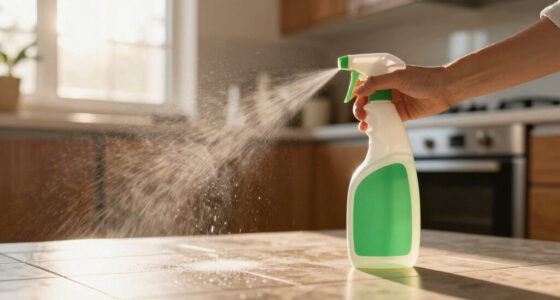
Vinegar is excellent for removing limescale in the bathroom, cleaning glass, and deodorizing fabrics. Think about a foggy mirror—spray vinegar, wipe, and enjoy a streak-free shine. It’s especially good for hard water stains and soap scum.
But avoid using vinegar on natural stone surfaces like marble or granite. Its acidity can etch and dull the surface, leaving permanent damage. Similarly, it’s not suitable for certain plastics or electronics that can corrode or degrade.
For example, a quick test spot on your marble countertop can save you from costly repairs later. Always check manufacturer guidance before applying vinegar to delicate surfaces.
As an affiliate, we earn on qualifying purchases.
How to use vinegar effectively without wrecking your home
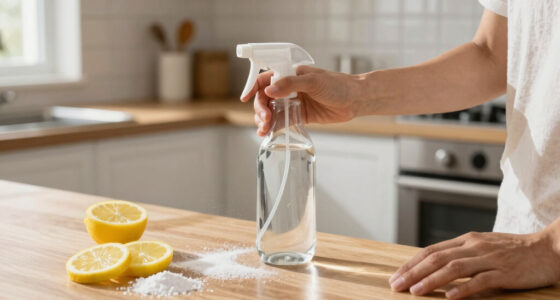
- Mix equal parts of vinegar and water for most cleaning tasks—this dilutes acidity while maintaining cleaning power.
- Add a few drops of essential oils like lemon or tea tree for a fresh scent.
- Test on a small, hidden area first—especially on natural stone or delicate plastics.
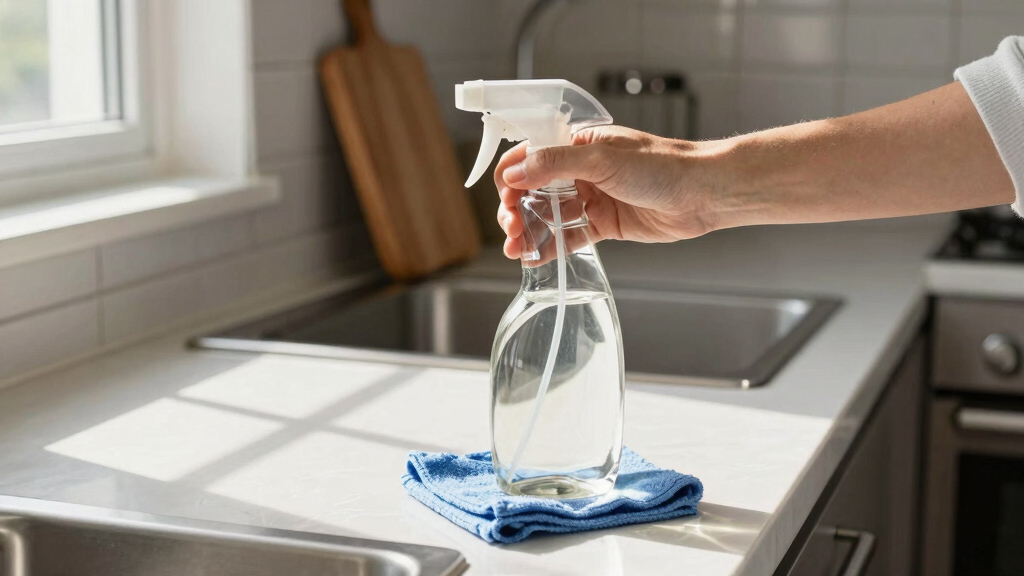
- Apply with a spray bottle or microfiber cloth, then wipe clean for streak-free results.
- For stubborn mineral deposits, let the vinegar solution sit for 5-10 minutes before scrubbing.
As an affiliate, we earn on qualifying purchases.
Vinegar vs. Other natural cleaners: How does it compare?
| Feature | Vinegar | Baking Soda | Lemon Juice |
|---|---|---|---|
| Cleaning power | Good for mineral deposits, odors | Excellent for scrubbing, deodorizing | Great for cutting grease, freshening |
| Disinfecting | Limited, not broad-spectrum | None | Limited |
| Surface safety | Safe on most surfaces except natural stone | Safe on most surfaces | Safe, but may stain fabrics |
| Scent | Sour, pungent | Earthy, clean | Fresh citrus |
Each of these natural cleaners has unique properties that suit different cleaning needs. Vinegar’s acidity makes it excellent at dissolving mineral deposits and cutting through grease, but its limited disinfectant capabilities mean it’s not suitable for sterilizing. Baking soda’s abrasiveness and odor-absorbing qualities make it ideal for scrubbing and deodorizing, but it doesn’t have the same dissolving power. Lemon juice offers a fresh scent and mild grease-cutting ability but shares vinegar’s limited disinfectant strength. Choosing the right cleaner depends on understanding these tradeoffs and matching them to your specific cleaning tasks.
The real limits of vinegar: When it falls short
Vinegar isn’t a cure-all. It struggles against mold, mildew, and certain viruses. If your bathroom has persistent mold, a stronger, mold-specific cleaner works better. Similarly, for disinfecting high-touch surfaces during flu season, rely on proven disinfectants.
It’s also not magic against greasy kitchen cabinets or baked-on grime. Sometimes, you need a stronger scrub or commercial cleaner. Think of vinegar as a helpful tool, not a magic wand. Understanding these limitations helps prevent frustration and ensures you’re using the right product for each job. For instance, repeatedly trying to eliminate stubborn mold with vinegar may lead to ineffective results, wasting time and resources, and possibly allowing mold to worsen. Recognizing when to escalate to specialized products is essential for maintaining a healthy environment.
Should you ditch your chemical cleaners for vinegar? Pros and cons
Switching to vinegar means fewer chemicals and safer use around kids and pets. It’s biodegradable and leaves no toxic residue. But it’s not as powerful as commercial disinfectants and can damage certain surfaces.
For example, if you want a quick, eco-friendly way to freshen your kitchen sink or clean your windows, vinegar works well. But for disinfecting hospital-grade surfaces, it falls short. The tradeoff lies in balancing safety with effectiveness—while vinegar minimizes chemical exposure, it may require more frequent or combined cleaning efforts to achieve the same level of sanitation as stronger cleaners. This means understanding the specific needs of your household and surfaces to decide whether vinegar alone suffices or if a complementary approach is necessary.
Deciding depends on your needs—balance safety, effectiveness, and the surfaces you’re cleaning.
Frequently Asked Questions
Can I use vinegar to disinfect my kitchen counters daily?
Vinegar can reduce bacteria but isn’t reliable as a daily disinfectant against all pathogens. For high-touch areas, especially during flu season, use an EPA-approved disinfectant for peace of mind.
Is vinegar safe for cleaning my hardwood floors?
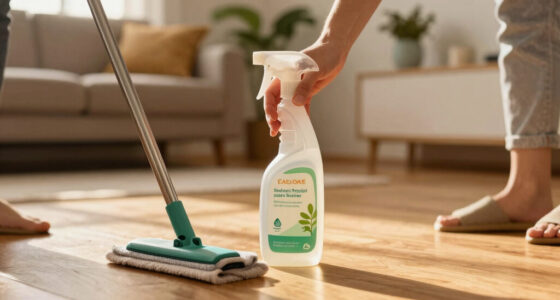
Vinegar is generally safe on sealed hardwood floors when diluted properly. Avoid using it on unsealed or waxed wood, as acidity can damage the finish over time.
How often can I safely use vinegar in my cleaning routine?
In moderation, vinegar is safe for regular use on appropriate surfaces. Don’t overdo it on natural stone or delicate surfaces, and always rinse thoroughly afterward.
Will vinegar remove stubborn stains from fabrics?
Vinegar can help with some stains, like deodorizing or light discoloration, but it’s not a powerful stain remover. For tough stains, consider specialized products or professional cleaning.
Does vinegar help with mold and mildew?
Vinegar can kill some mold and mildew on surfaces, but persistent or widespread growth often requires stronger, mold-specific solutions or professional removal.
Conclusion
Vinegar is a handy, eco-friendly tool in your cleaning arsenal, but it’s not a magic fix. It works best for specific tasks like mineral buildup, deodorizing, and streak-free glass cleaning.
Remember, no single cleaner does everything. Using vinegar wisely means understanding its strengths and limits—and knowing when to bring in a stronger solution. Your home stays safer, cleaner, and greener that way.
Halloween Picks
halloween
As an affiliate, we earn on qualifying purchases.