TL;DR

Get cleaning gear delivered free with Prime
- Fast, free delivery on millions of items
- Prime Video, Amazon Music and more included
- Member-only deals all year
Vinegar is a natural, inexpensive cleaner that works well on mineral deposits and odors. However, it isn’t a reliable disinfectant and can damage certain surfaces. Use it wisely for specific tasks, but don’t rely on it for sterilization.
What Is Vinegar, and Why Do People Use It for Cleaning?
Vinegar is a clear, sour-tasting liquid made from fermented alcohol — usually from apples or grains. Its main active ingredient, acetic acid, makes up about 5-8% of household vinegar. That acidity is what gives vinegar its cleaning superpowers: it dissolves mineral deposits, soap scum, and greasy grime. Many homes rely on vinegar because it’s cheap, biodegradable, and safe to handle in small amounts. For example, a splash of vinegar can cut through hard water stains on your glassware or freshen up smelly sneakers.
People love it because it’s a natural alternative to harsh chemical cleaners. But the question remains: does this simple, cloudy liquid truly clean everything?
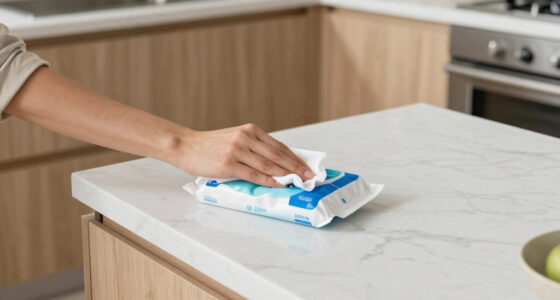
natural vinegar cleaner for kitchen countertops
As an affiliate, we earn on qualifying purchases.
As an affiliate, we earn on qualifying purchases.
Can Vinegar Actually Disinfect Your Home? Here’s the Truth
Vinegar can kill some bacteria, but it’s not a guaranteed disinfectant. It’s effective against certain germs like E. coli and some molds, but it doesn’t get rid of all pathogens. For example, it’s not reliable against norovirus or influenza viruses. The EPA doesn’t register vinegar as a disinfectant because it doesn’t meet the standards required for killing 99.9% of germs in high-risk areas.
Imagine wiping down your kitchen counter with vinegar after handling raw chicken; it might reduce some bacteria, but it’s not enough to prevent illness if the surface is heavily contaminated. For regular household cleaning, vinegar helps reduce surface bacteria, but for sterilization, you’ll need stronger disinfectants.
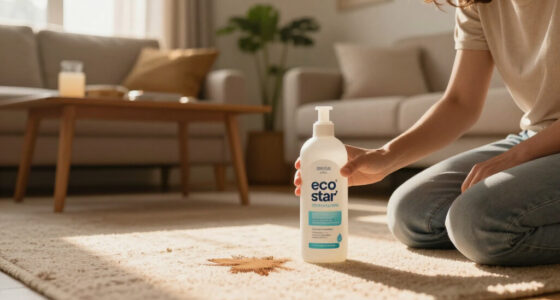
eco-friendly mineral deposit remover
As an affiliate, we earn on qualifying purchases.
As an affiliate, we earn on qualifying purchases.
How Well Does Vinegar Remove Stains, Odors, and Build-Up?
Vinegar shines when it comes to tackling mineral deposits, soap scum, and odors. For example, pour a 1:1 mixture of vinegar and water on a cloudy glass shower door, let it sit for 10 minutes, then scrub away foggy mineral buildup. It also neutralizes musty smells in fabric or trash cans, leaving your space smelling fresh.
Here’s a quick comparison of common cleaning tasks and vinegar’s effectiveness:
| Task | Vinegar’s Effectiveness | Best For |
|---|---|---|
| Mineral deposits | Excellent | Faucets, showerheads |
| Soap scum | Good | Bathroom tiles, glass |
| Odor neutralization | Effective | Clothes, trash cans |
| Grease and grime | Moderate | Kitchen counters, stovetops |
| Heavy stains (wine, coffee) | Limited | Carpets, fabrics |
As an affiliate, we earn on qualifying purchases.
The Surprising Limitations of Vinegar You Need to Know
Vinegar’s biggest weakness? It doesn’t kill all germs, especially in high-risk areas like bathrooms or kitchens where pathogens can spread quickly. It’s not registered as a disinfectant by the EPA, meaning it doesn’t reliably sterilize surfaces.
For example, if you’re cleaning a cutting board after raw meat, vinegar reduces bacteria but doesn’t eliminate all harmful germs. It also can damage certain materials. Natural stone like marble and granite, for instance, can react badly to vinegar’s acidity, leading to etching or dulling.
So, think of vinegar as a good helper, not a complete solution. For heavy-duty disinfecting, especially during cold and flu season, you’ll want something stronger.
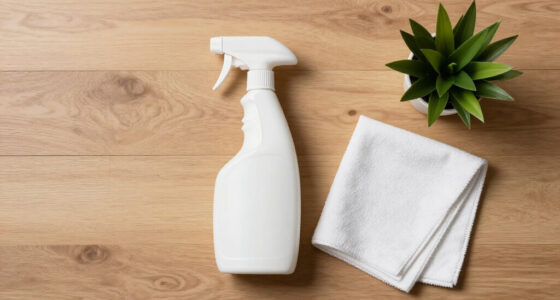
household disinfectant alternatives
As an affiliate, we earn on qualifying purchases.
As an affiliate, we earn on qualifying purchases.
How to Use Vinegar Safely and Effectively Around Your Home
- Mix equal parts vinegar and water for most cleaning tasks.
- Test on a small, hidden area before applying broadly, especially on delicate surfaces.
- Use vinegar for mineral buildup, odors, and grease, but avoid natural stone or hardwood finishes.
- Never mix vinegar with bleach or ammonia — dangerous fumes can form.
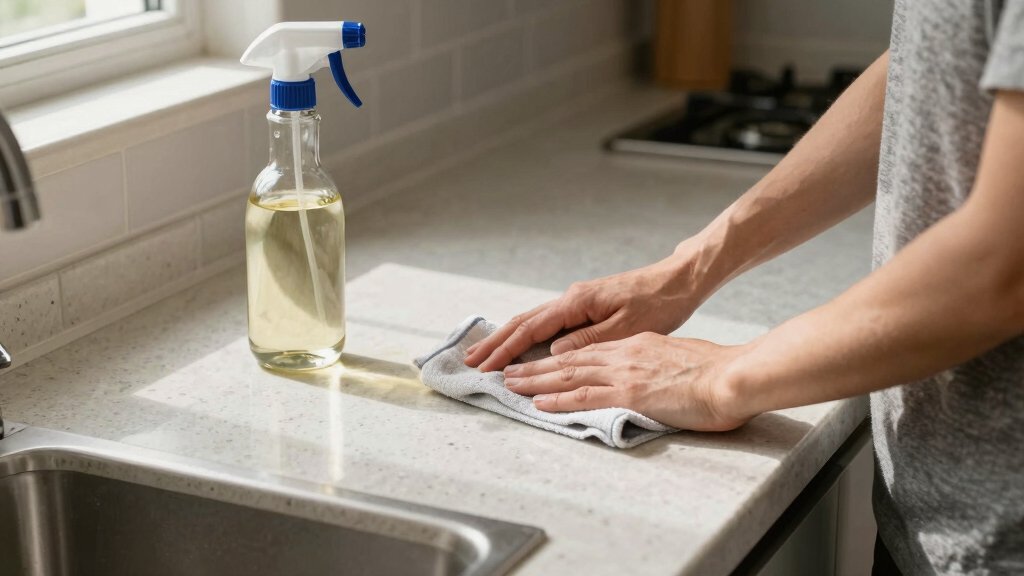
- Apply with a spray bottle, let it sit for a few minutes, then wipe clean with a cloth.
For example, you can spray a vinegar-water solution on your kitchen sink’s faucet to dissolve mineral deposits or clear out mildew around your shower. Just remember to rinse thoroughly afterward and avoid prolonged contact with sensitive surfaces.
Vinegar vs. Commercial Cleaners: When to Choose Which
Vinegar is a gentle, eco-friendly option for many household cleaning tasks, but it falls short when it comes to disinfecting or tackling heavy grime. Commercial cleaners often contain stronger active ingredients designed to kill germs and remove tougher stains.
Here’s a quick comparison:
| Feature | Vinegar | Commercial Cleaner |
|---|---|---|
| Natural and non-toxic | Yes | Depends on the product, often chemical-based |
| Disinfects (EPA-registered) | No | Yes, in many cases |
| Effective on mineral deposits | Yes | Often more aggressive |
| Stains and heavy grime | Limited | Strong formulations available |
Key Takeaways for Using Vinegar in Your Cleaning Routine
- Vinegar is excellent for mineral deposits, odors, and light grime but isn’t a substitute for disinfectants.
- Always dilute vinegar with water and test on small areas first.
- Avoid natural stone surfaces and certain hardwood finishes to prevent damage.
- For heavy germ control, especially during illness outbreaks, choose EPA-registered disinfectants.
- Use vinegar as a complementary tool, not a one-stop cleaning fix.
Frequently Asked Questions
Is vinegar safe to use on all surfaces?
Vinegar is safe on many surfaces like glass, tile, and stainless steel. However, it can damage natural stone, hardwood, and certain finishes. Always test on a small area first.Can vinegar disinfect my home effectively?
Vinegar can reduce some bacteria but does not kill all germs. For thorough disinfection, especially in high-risk areas, EPA-registered disinfectants are more reliable.How often should I use vinegar for cleaning?
Use vinegar regularly for mineral deposits, odors, and light cleaning. Avoid overusing on delicate surfaces, and supplement with stronger disinfectants when needed.Are there health risks with vinegar cleaning?
Generally safe, but concentrated vapors can irritate eyes and lungs. Never apply undiluted vinegar directly to skin or sensitive areas.What’s the best way to incorporate vinegar into my cleaning routine?
Dilute with water, test on small areas, and use for specific tasks like descaling faucets or removing soap scum. Avoid mixing with bleach or ammonia.Conclusion
Vinegar is a versatile, budget-friendly cleaner that can handle many household chores. Its real power lies in dissolving mineral buildup and neutralizing odors. But don’t rely on it for disinfecting or heavy-duty cleaning — for those, stronger solutions are needed.
Think of vinegar as your cleaning sidekick, not your hero. Use it wisely, and it will serve you well. For a fresh, safe home, mix, test, and know its limits — then clean with confidence.
Columbus Day / Indigenous Peoples' Day Picks
long weekend sales
As an affiliate, we earn on qualifying purchases.