TL;DR

Get cleaning gear delivered free with Prime
- Fast, free delivery on millions of items
- Prime Video, Amazon Music and more included
- Member-only deals all year
Act fast and use gentle blotting to lift mud from your carpet. Cold water and careful scraping prevent spreading. Eco-friendly solutions and proper drying make the job easier and safer.
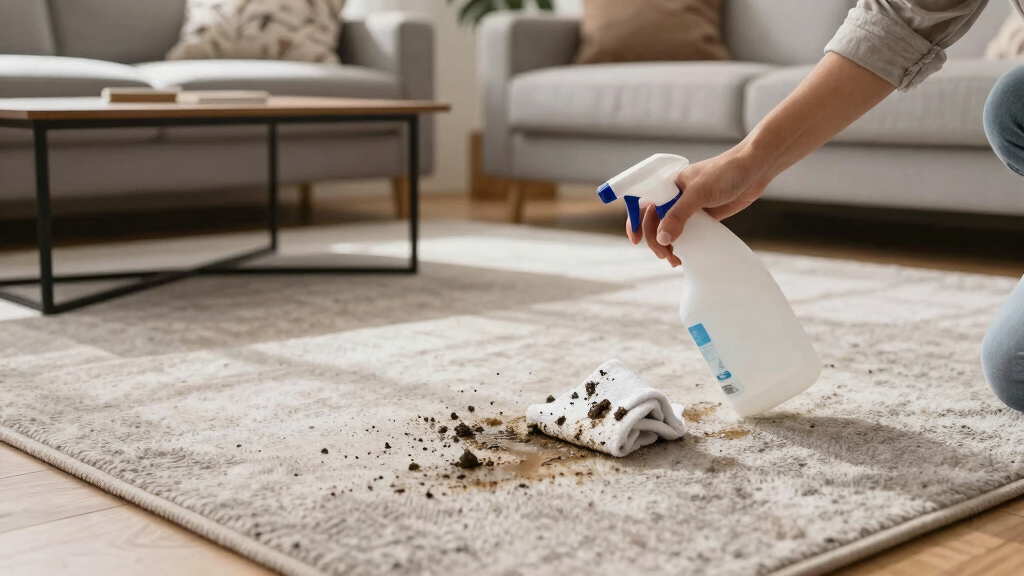
Getting mud on your carpet feels like a mini crisis. You see the dark, wet stain spreading, and your first instinct might be to scrub like crazy. But that actually makes things worse. The key is acting quickly with the right approach—gentle, deliberate, and smart.
In this guide, you’ll learn how to lift mud without spreading it, using techniques that protect your carpet and keep your cleaning eco-friendly. Whether it’s a small spill or a stubborn dried patch, these simple steps will help you restore your carpet’s freshness without turning a muddy mess into a bigger disaster.
Act quickly to lift fresh mud before it dries and becomes harder to remove.
Avoid rubbing or scrubbing, which pushes mud deeper and spreads it wider.
Use cold water and gentle blotting to lift mud without spreading it.
Carefully scrape dried mud before wet cleaning to prevent smearing.
Eco-friendly options like vinegar or baking soda are safe, effective cleaners for mud stains.
How to Get Mud Out of Carpet Without Spreading It
The instinct to scrub is exactly what turns a contained mark into a wide, embedded stain. Control the edges, lift loose material, use cold water, and blot patiently.
Three moves that keep the mess contained
Mud spreads through pressure, friction, and excess moisture. The safest response limits all three while gradually transferring soil from the carpet to a clean cloth.
Blot the boundary first
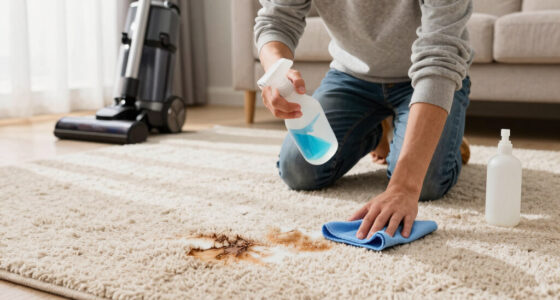
Press a clean towel around the outer edge, then move toward the center. Rotate to a clean section of cloth as it picks up dirt.
Do not wipe sidewaysRemove solids before liquid
For dried mud, use a plastic spoon or dull knife to lift the crust. Vacuum loose particles before introducing water.
Do not crush the crustKeep moisture controlled
Dampen the cloth rather than soaking the carpet. Excess water can carry soil outward and leave the backing vulnerable to mildew.
Do not over-wetA six-step controlled clean
Move slowly through the sequence. Repeating a gentle blot is safer than adding pressure, heat, or more solution.
Contain the edge
Blot from the outside toward the center with a dry towel.
Remove excess
Scrape dried mud gently and vacuum the loosened particles.
Add cold water
Moisten a clean cloth lightly; never pour water onto the stain.
Blot repeatedly
Press, lift, and switch to a clean cloth area as soil transfers.
Use mild cleaner
Apply a small amount to the cloth, then continue gentle blotting.
Dry thoroughly
Press with a dry towel, air-dry fully, then vacuum the fibers.
The motion matters: travel from the clean perimeter toward the muddy center. Never drag a loaded cloth back across clean carpet.
DIY or professional cleaning?
Fresh, contained stains usually respond well to careful home treatment. Size, age, depth, carpet value, and previous failed attempts should guide escalation.
| Method | Advantages | Limitations | Best use |
|---|---|---|---|
| DIY cleaning ✓ Quick response |
Cost-effective, immediate, and compatible with eco-friendly solutions. | Less reliable for large or embedded stains; poor technique can spread mud. | Small, fresh, surface-level marks. |
| Professional cleaning ✓ Deep extraction |
Specialized equipment, deeper cleaning, and less handling risk. | Higher cost, appointment required, and cleaning agents may vary. | Large, dried, repeated, or deep stains. |
Eco-friendly tools that work gently
Natural solutions can loosen remaining soil without harsh treatment. Always test any mixture on a hidden carpet area and use the smallest effective amount.
Diluted vinegar
1:1 vinegar + cold waterLightly apply to a cloth, not directly to the carpet. Blot to loosen residue, then follow with a cold-water cloth.
Baking soda paste
Small spot treatmentUse sparingly on compatible carpet fibers. Let it work without aggressive brushing, then remove all residue.
Mild detergent
A few drops onlyMix with cold water and blot gently. Too much soap can leave a sticky film that attracts new soil.
Limits outward movement
Reduces later smearing
Moves soil and slows drying
Heat and friction embed dirt
Patch-test protocol: place a small amount of the chosen solution on an inconspicuous area, blot with a white cloth, and check for color transfer or texture change before treating the stain.
The clean-path chain
Each controlled action protects the next. Skip containment or drying and the risk of spreading, residue, or mildew rises.
When the mud will not budge
If repeated gentle treatment has not improved the stain—or if it is large, deeply embedded, or affecting valuable carpet—stop adding moisture. Professional extraction can reach soil below the surface without aggressive scrubbing.
Frequently asked questions
The safest answer is usually the gentlest one: remove dry material, keep water cold, control the direction, and avoid saturating the carpet.
How do I stop mud spreading?
Blot the perimeter first and work inward. Lift the cloth straight up after each press instead of wiping across the fibers.
What about dried mud?
Gently scrape away the crust and vacuum loose particles before using a cold, damp cloth and mild cleaner.
Can I use hot water?
No. Hot water can help set discoloration and drive residue deeper. Begin with cold water and minimal moisture.
Which natural cleaners help?
Diluted vinegar or a carefully tested baking soda paste can help. Always patch-test first and avoid over-application.
Can I scrub with a brush?
Avoid aggressive brushing. Friction embeds particles and can distort fibers; blotting is safer for the initial treatment.
When should I call a cleaner?
Escalate when the stain is large, deep, persistent after careful treatment, or located on delicate or high-value carpet.
Lift slowly. Blot inward. Dry completely.
Mud removal is less about force and more about control. A dry-first approach, cold water, gentle transfer, and thorough drying can restore the carpet without turning one muddy mark into a larger problem.
Why Rubbing Spreads Mud and How Your First Move Matters
Rubbing pushes mud deeper into the fibers, making it harder to lift and increasing the risk of spreading. This is because friction forces particles further into the carpet’s structure, embedding dirt more securely and potentially enlarging the stain. If you scrub aggressively, you risk creating a larger, more diffuse area of discoloration that becomes increasingly difficult to clean. Instead, your first move should be to gently lift or scrape away the excess mud without pressing it further. This minimizes disturbance to the carpet fibers and prevents the stain from spreading outward, maintaining control over the cleaning process. Recognizing the importance of gentle removal helps you avoid the common mistake of exacerbating the problem, ultimately saving time, effort, and your carpet’s appearance.
As an affiliate, we earn on qualifying purchases.
Step-by-Step: How to Remove Mud Without Spreading It
- Stop the spread: Use a paper towel or cloth to blot the edges of the stain, working from the outside inward, to contain the mud. This prevents the stain from enlarging as you clean.
- Lift dried mud: Carefully scrape or lift dried mud with a plastic spoon or dull knife. Removing the crust before wet cleaning reduces the chance of smearing and ensures the subsequent cleaning process is more effective.
- Apply cold water: Lightly dampen a clean cloth with cold water. Never use hot water, as it can cause the mud to set deeper into the fibers, making removal more difficult and risking permanent staining.
- Blot, don’t scrub: Gently press the damp cloth onto the mud stain, lifting dirt without spreading it. Repeating this process helps lift the stain gradually, reducing the risk of embedding particles further into the carpet.
- Use a cleaning solution: Mix a small amount of mild detergent or eco-friendly cleaner with cold water, then blot again. This helps break down mud particles and loosen them for easier removal without damaging the fibers.
- Dry thoroughly: Use a dry towel or cloth to absorb excess moisture. Proper drying prevents mold and mildew, which thrive in damp environments, and helps lock in the cleaned area’s appearance.
Following these steps carefully can dramatically reduce the chances of spreading mud and help lift the stain cleanly. Each step is designed to minimize disturbance, protect the integrity of your carpet, and ensure a thorough yet gentle cleaning process.
eco-friendly carpet cleaning solutions
As an affiliate, we earn on qualifying purchases.
As an affiliate, we earn on qualifying purchases.
Comparison Table: DIY Methods vs. Professional Cleaning
| Method | Pros | Cons |
|---|---|---|
| DIY Cleaning | Cost-effective, quick for small stains, eco-friendly options available | Less effective on stubborn or large stains, risk of spreading if not careful |
| Professional Cleaning | Deep cleaning, better for large or dried mud, less risk of spreading | More expensive, scheduling needed, possible chemical use |
Choosing between DIY and professional depends on your stain’s size and stubbornness. For minor, fresh mud, your own efforts with gentle techniques often do the trick. For tough, dried mud, professionals can provide a safer, more thorough solution. Understanding the tradeoffs helps you decide whether to attempt a quick fix or invest in expert help, especially considering factors like stain severity, carpet value, and environmental impact.
cold water carpet stain removal kit
As an affiliate, we earn on qualifying purchases.
As an affiliate, we earn on qualifying purchases.
Eco-Friendly Tools and Solutions That Make Mud Removal Safer
Natural options like vinegar diluted with water (1:1 ratio) or baking soda paste offer gentle, effective cleaning. These are safe for your carpet and the environment, and they won’t cause damage or discoloration. Using eco-friendly solutions not only minimizes chemical exposure but also reduces environmental impact, making them a responsible choice for sustainable cleaning. For example, a quick spray of vinegar solution can loosen mud particles, making blotting easier and more effective. Incorporating soft scrub brushes or cloths ensures you lift dirt without damaging delicate fibers. Modern steam cleaners also cut through mud safely, especially if you’re dealing with dried or stubborn stains, as they can penetrate deep without harsh chemicals. These tools and solutions emphasize safety, environmental consciousness, and effectiveness, giving you options that are both gentle on your carpet and kind to the planet.
As an affiliate, we earn on qualifying purchases.
What to Do When Mud Won’t Budge: When to Call in the Pros
If your mud stain is large, dried, or deeply embedded, DIY methods might not cut it. Persistent stains often require professional steam cleaning or deep extraction, especially if the mud has penetrated multiple layers of carpet. Attempting to scrub or apply excessive moisture can sometimes worsen the problem by pushing dirt further down or causing fiber damage. For example, if repeated blotting and gentle scrubbing don’t lift the stain after 48 hours, it’s time to bring in a professional. They have industrial equipment that can remove stubborn dirt without spreading it further, saving your carpet from permanent damage. Recognizing when DIY efforts are insufficient helps prevent further harm and ensures your carpet gets the thorough cleaning it needs, extending its lifespan and maintaining its appearance.
Frequently Asked Questions
How can I remove mud from my carpet without spreading it further?
Gently lift or scrape dried mud first. Use a damp cloth with cold water to blot, working from the outside inward. Avoid rubbing or over-wetting, which can push mud deeper or cause it to spread.
What’s the best way to clean dried mud from a carpet?
Start by carefully scraping off as much dried mud as possible. Then, dampen a cloth with cold water and blot gently. For stubborn spots, a mild eco-friendly cleaner helps lift remaining dirt without damage.
Can I use hot water or harsh chemicals on mud stains?
No. Hot water can set the mud stain, making it harder to remove. Stick to cold water and gentle, eco-friendly solutions to protect your carpet’s fibers and color.
What natural products work well for mud removal?
Vinegar diluted with water, baking soda paste, or commercial eco-friendly cleaners are safe, effective options. Always test on a small hidden area first to prevent discoloration.
When should I call a professional carpet cleaner?
If the stain is large, dried, or doesn’t respond after multiple DIY attempts, professional cleaners have specialized tools that safely remove stubborn mud without spreading it further.
Conclusion
Getting mud out of your carpet doesn’t have to be a muddy mess if you stay calm and follow the right steps. Gentle lifting, smart use of water, and patience turn a potential disaster into a quick fix.
Next time mud threatens your floors, remember: slow and steady wins the clean. Your carpet will thank you, and so will your nerves.
Halloween Picks
halloween
As an affiliate, we earn on qualifying purchases.