TL;DR

Get cleaning gear delivered free with Prime
- Fast, free delivery on millions of items
- Prime Video, Amazon Music and more included
- Member-only deals all year
Removing candle wax from carpet is easiest when you harden the wax first, then gently scrape and soften remaining residue with heat. Acting quickly and testing first keeps your carpet safe and stain-free.
Use ice cubes to harden wax before scraping—this makes removal 60% easier and less risky.
Layer a paper towel or brown paper bag over the wax and gently press with a warm iron to lift residual wax.
Always test cleaning methods on a small, inconspicuous patch to avoid discoloration or fiber damage.
Natural solutions like dish soap or vinegar work well for cleaning leftover oils but are less effective on large wax chunks.
Patience and gentle handling save your carpet from damage and stains.
How to Harden Candle Wax Quickly for Easy Removal
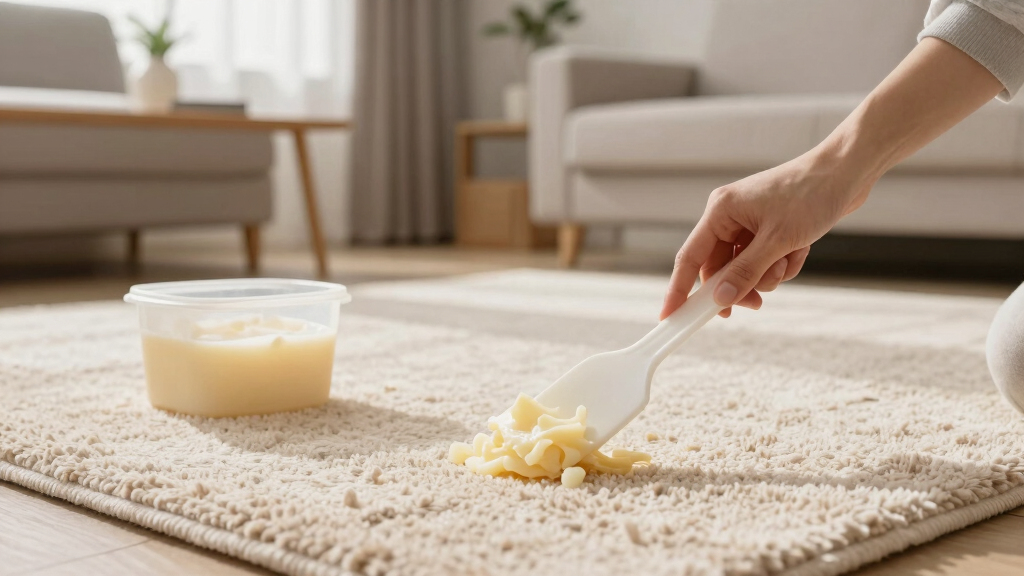
Hardened wax is much easier to lift than melted, sticky deposits. The best way to do this is with ice cubes. Place a few in a plastic bag and press them onto the wax for about 10 minutes. The cold makes the wax brittle, ready to crack and lift away.
Imagine spilling a bright yellow beeswax candle on a beige shag rug. As cold hits the wax, it shrinks and hardens, turning into a firm, crumbly chunk you can scoop up with a plastic spatula or credit card.
As an affiliate, we earn on qualifying purchases.
Step-by-Step: How to Remove Wax Without Damaging Your Carpet
- Harden the wax with ice cubes. Remove excess with a plastic scraper.
- Lay a brown paper bag or a few layers of paper towels over the remaining wax.
- Set a warm iron (not hot) over the paper, pressing gently for 10-15 seconds. The heat melts the wax, which the paper absorbs.
- Lift the paper — the wax should transfer onto it.
- If residual wax remains, repeat with a fresh paper layer.
This method works well on thick, stubborn wax and minimizes risk to your carpet fibers.
As an affiliate, we earn on qualifying purchases.
Compare Heat, Scraping, and Chemical Methods for Wax Removal
| Method | Pros | Cons |
|---|---|---|
| Ice Cubes & Scraping | Safe, eco-friendly, inexpensive | Requires patience, may need multiple attempts |
| Heat with Iron or Hairdryer | Quick, effective on small spots | Risk of damaging fibers if too hot |
| Commercial Wax Removers | Designed for tough wax, easy to use | Potential chemical exposure, need to test first |
Choosing the right method depends on your carpet type and how much wax is involved. For delicate fibers, stick to ice and gentle heat. For larger spills, commercial options might save time but require caution.
As an affiliate, we earn on qualifying purchases.
Natural Solutions for Cleaning Up Residue and Stains
Once the wax is gone, a faint stain or oily residue might remain. For a gentle, eco-friendly fix, mix a teaspoon of mild dish soap into a cup of warm water. Blot the area with a clean cloth dipped in this solution, then rinse with plain water.
Some homeowners swear by a mixture of equal parts vinegar and water. Test first on a hidden spot, as vinegar can sometimes affect delicate fibers or dyes. These natural solutions help lift remaining oils and prevent future staining.
As an affiliate, we earn on qualifying purchases.
Avoid These Common Mistakes When Removing Candle Wax
Don’t rub the wax or press too hard—this can push it deeper into fibers or spread it wider. Never pour boiling water or use overly hot tools, which can melt or damage your carpet.
Always test any method on a small, hidden area first. For instance, a bright red wax on a light-colored carpet might stain more if you don’t test first.
Keep patience in mind. Rushing or using harsh chemicals often makes the problem worse, not better.
Understanding these pitfalls helps you make better choices, reducing the risk of permanent damage or stains. For example, excessive rubbing can grind wax further into fibers, making removal more difficult and increasing the chance of fiber damage. Similarly, using overly hot tools can cause irreversible melting or discoloration, especially on delicate or synthetic fibers. Recognizing these risks encourages a cautious, measured approach, which ultimately preserves your carpet’s appearance and integrity.
Frequently Asked Questions
How do I remove hardened candle wax from my carpet?
Apply ice cubes to the wax for about 10 minutes until it hardens. Then, gently scrape off the excess with a plastic spatula or credit card. Finish by using a warm iron over paper towels to lift remaining wax without damaging fibers.Can I use a hairdryer to remove wax from my carpet?
Yes, set a hairdryer to a low, warm setting. Gently blow over the wax to soften it, then blot or scrape it away. Be careful not to overheat, as too much heat can melt or damage delicate fibers.What if the wax leaves a stain after removal?
Blot the area with a mix of mild dish soap and warm water. For stubborn stains, a gentle vinegar solution can help. Always test first, and avoid rubbing, which can spread the stain or harm fibers.Are commercial wax removers safe for carpets?
They can be effective but always follow the manufacturer’s instructions. Test on a small, hidden part of your carpet first to check for discoloration or damage before applying broadly.How can I prevent wax stains on my carpet?
Remove wax promptly when spilled, and avoid rubbing or spreading it. Using a quick freeze method and gentle heat minimizes the risk of deep stains or fiber damage.Conclusion
Removing candle wax from carpet is about acting smart and gentle. Harden it first, then lift it carefully with heat and scraping. Keep your fibers safe, and your rug will thank you with its vibrant look intact. Remember—quick, calm action prevents long-term stains and damage. Your carpet’s future is in your hands.Columbus Day / Indigenous Peoples' Day Picks
long weekend sales
As an affiliate, we earn on qualifying purchases.