
TL;DR

Get cleaning gear delivered free with Prime
- Fast, free delivery on millions of items
- Prime Video, Amazon Music and more included
- Member-only deals all year
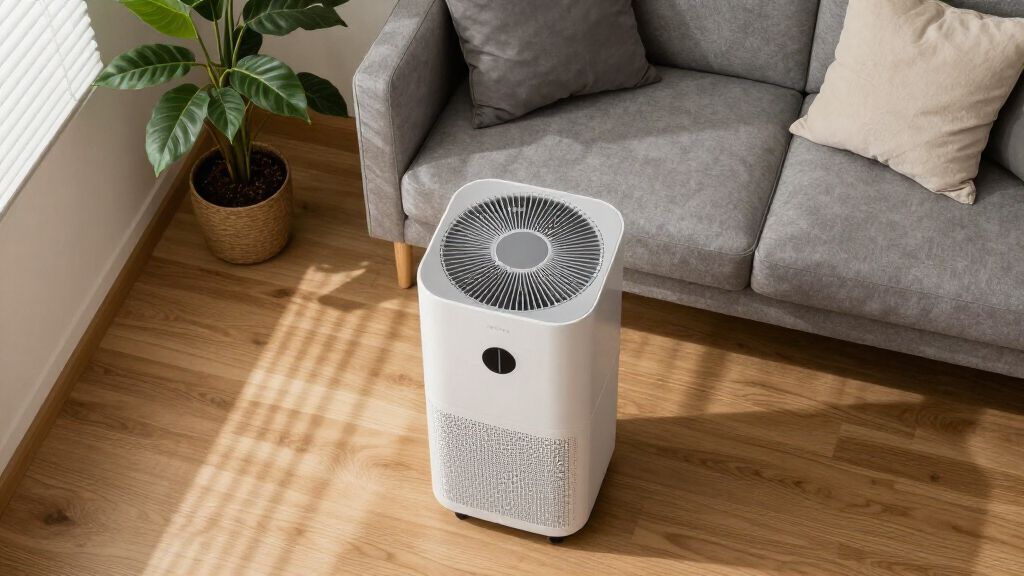
A dehumidifier size calculator estimates the right capacity based on room size, humidity, and moisture sources. Proper sizing prevents over- or under-humidity, saving energy and protecting your home.
Ever bought a dehumidifier that just doesn’t seem to do the job? Or one that cycles on and off so fast it wastes energy? The secret is in the size. Choosing the right capacity isn’t about picking the biggest or cheapest unit — it’s about matching your space’s moisture load.
A simple, accurate size calculator helps you find that sweet spot. It considers everything from ceiling height to moisture sources, so your home stays comfortable, dry, and mold-free without wasting money or energy.
Always calculate effective room volume, not just square footage, to size a dehumidifier accurately.
Use a dehumidifier size calculator as a starting point, then adjust for humidity levels and moisture sources.
Capacity ratings vary between older and newer models; compare based on test standards, not just pints per day.
Oversizing can improve drying but may lead to higher costs and uneven humidity; aim for a slight buffer.
Proper drainage and placement are just as vital as capacity for effective moisture control.
How a dehumidifier size calculator works — and why it matters
A dehumidifier size calculator estimates the capacity needed based on your room’s size and moisture level. Simply put, it predicts how many pints of water your unit should remove in 24 hours to keep humidity in check. This matters because an undersized unit will struggle to dry your space, leading to persistent dampness, mold growth, and discomfort. Conversely, an oversized unit may run excessively, wasting energy, increasing operational costs, and causing rapid cycling that can shorten the unit’s lifespan.
Understanding these implications helps you choose a unit that balances performance and efficiency. Proper sizing ensures your space remains comfortably dry without unnecessary energy consumption or equipment wear, ultimately saving you money and protecting your home environment.
As an affiliate, we earn on qualifying purchases.
Step-by-step: How to use a dehumidifier size calculator
- Measure your space accurately: Write down length, width, and ceiling height. For example, a 20-foot by 30-foot room with 9-foot ceilings equals 5,400 cubic feet. Accurate measurements are essential because even small errors can significantly affect the capacity estimate, leading to over- or under-sizing.
- Assess humidity levels: Use a hygrometer or estimate based on signs of dampness, mold, or condensation. Recognizing high humidity helps fine-tune your capacity choice, ensuring the unit can handle peak moisture levels without constantly running or failing to dry adequately.
- Identify moisture sources: Are there leaks, indoor drying, or outdoor humidity entering? These sources can drastically increase the moisture load, so accounting for them prevents underestimating the needed capacity. Ignoring these factors may result in a unit that can’t keep humidity in check during peak conditions.
- Input data into the calculator: Enter your room size, humidity level, and any moisture sources. This step translates real-world conditions into a tailored recommendation, but remember, the calculator provides a starting point—consider local climate and specific room usage for final adjustments.
- Review the recommendations: The calculator will suggest a capacity range, such as 30–40 pints per day. Use this as a guideline, but also consider your comfort preferences and specific conditions that may require leaning toward the higher or lower end of the range.
- Adjust for conditions: Increase capacity if you have high ceilings, water leaks, or persistent moisture sources. Conversely, if your space is well-ventilated and dry most of the time, a unit on the lower end may suffice. These adjustments ensure the unit performs reliably without overworking or wasting energy.
best dehumidifier for mold prevention
As an affiliate, we earn on qualifying purchases.
As an affiliate, we earn on qualifying purchases.
Understanding capacity ratings — what do they really mean?
Capacity ratings tell you how much water a dehumidifier can remove in 24 hours, but they’re based on standardized tests conducted under specific conditions. Older units might be rated at 70 pints per day, while newer models use different test standards, making direct comparisons tricky. This discrepancy can lead to misjudging a unit’s real-world performance.
For example, a 50-pint newer unit might perform similarly to an older 70-pint model under your actual conditions, especially if the newer unit is more energy-efficient or has better moisture removal technology. Always check whether ratings are based on the same testing standards, and consider adding a buffer—such as 10–20% capacity—if your space is very damp or humid. This ensures your unit can handle peak moisture loads without underperforming, especially during humid seasons or in areas with persistent moisture sources.
As an affiliate, we earn on qualifying purchases.
How to interpret your calculator results — what’s a good capacity for your home?
Once you input your data, the calculator will give a range—say 30–50 pints per day. For most homes with moderate dampness, sticking to this range ensures effective moisture control without overspending. If your space is very damp, or humidity levels are high due to external factors like weather or indoor activities, aim for the higher end of the range. Choosing a unit near the upper limit provides a buffer to handle peak moisture loads, preventing constant cycling or inadequate drying.
For example, a laundry room with frequent drying, or a basement prone to flooding, might need a 50-pint or bigger unit to ensure consistent dryness. On the other hand, a small, dry guest room may only require 30 pints. Remember, slightly oversizing is preferable to undersizing because it offers more reliable performance and reduces the risk of humidity spikes, which can promote mold growth and damage.
digital dehumidifier with humidity control
As an affiliate, we earn on qualifying purchases.
As an affiliate, we earn on qualifying purchases.
Why size isn’t everything — other factors to consider
While capacity is a critical factor, other elements significantly influence the effectiveness of your dehumidifier. Proper airflow allows the unit to operate efficiently; placing it against a wall without sufficient clearance can reduce airflow, making it less effective and increasing energy use. Drainage options also matter—if you forget to consider how you’ll empty or drain the water, your device might stop working when the bucket fills up, disrupting moisture control.
In spaces with leaks, outdoor air infiltration, or high humidity climates, a larger or more powerful unit may be necessary to compensate for these additional moisture sources. Moreover, the placement of the dehumidifier affects its performance; installing it in a central location with unobstructed airflow ensures optimal operation. Considering these factors helps prevent underperformance, even if the capacity rating is appropriate, and ensures your investment effectively maintains desired humidity levels.
Quick comparison: Portable vs. whole-house dehumidifiers
| Feature | Portable Units | Whole-House Systems |
|---|---|---|
| Best for | Single rooms, apartments, small basements | Multiple rooms, large basements, entire homes |
| Capacity | 20–50 pints/day typical | Up to 70+ pints/day or more |
| Installation | Plug in, move around | Professional ducted setup |
| Cost | Lower initial, less permanent | Higher initial, permanent solution |
| Noise | Generally louder | Quieter in living areas |
Drainage — don’t forget about emptying and plumbing
Dehumidifiers stop working when their water buckets fill up. Manual buckets are simple but require frequent emptying—sometimes daily if humidity is high. For convenience, units with gravity drains or built-in pumps are better, especially in basements.
If you prefer hassle-free operation, look for a model with a continuous drain option or a pump that lifts water to a sink or drain. Proper drainage ensures consistent humidity control without interruption. Keep in mind, choosing the right drainage method can significantly affect maintenance ease and the unit’s ability to run continuously during humid seasons or in high moisture areas.
Energy costs: How much will your dehumidifier add to your bill?
Energy use varies with size, efficiency, and run time. A typical 50-pint refrigerant dehumidifier consumes about 400–600 watts. Running it for 8 hours daily costs roughly $10–$15 per month, depending on local electricity rates. Over time, these costs can add up, especially if the unit runs continuously during humid seasons.
Choosing an ENERGY STAR-rated model can significantly reduce energy consumption, cutting operating costs. Additionally, proper room sealing, fixing leaks, and improving ventilation can reduce the workload on your dehumidifier, further lowering energy bills. Balancing capacity with energy efficiency ensures your home stays dry without inflating your utility expenses.
Common sizing mistakes to avoid
- Using only square footage without considering ceiling height or humidity levels—since taller ceilings and higher humidity increase moisture load, ignoring these factors can lead to choosing an undersized unit that struggles to keep up or an oversized one that wastes energy.
- Ignoring actual moisture sources or signs of dampness—overlooking leaks, poor ventilation, or outdoor humidity can cause the unit to be ineffective, as it won’t be able to handle unexpected moisture spikes.
- Trusting overly optimistic capacity claims from manufacturers—these ratings are based on standardized tests that may not reflect real-world conditions. Relying solely on these numbers can result in selecting a unit that underperforms in your environment.
- Choosing a unit based solely on bucket size—larger buckets mean less frequent emptying but don’t necessarily correlate with capacity or performance. A bigger bucket might give a false sense of adequacy if the unit’s removal capacity is insufficient for your moisture load.
- Overlooking drainage needs or placement constraints—failing to consider how you will drain the unit or where to place it can hinder operation, especially in spaces where continuous drainage is necessary for reliable moisture control.
Remember, a smaller or larger unit isn’t automatically better. Match capacity with your specific moisture load for real results, and consider the practicalities of installation and maintenance to ensure long-term effectiveness.
Frequently Asked Questions
How do I know if my dehumidifier is too small or too large?
If your space stays damp, or the unit runs constantly, it’s too small. If it cycles on and off quickly or creates excess heat, it might be oversized. Proper sizing balances run time and efficiency.Can I use a small dehumidifier in a large basement?
Probably not. Small units are designed for rooms up to about 500 square feet. For larger spaces, a bigger capacity (50 pints or more) or multiple units work better.Does ceiling height really matter in sizing?
Absolutely. Higher ceilings mean more air volume and moisture. Adjust your calculation to account for ceiling height — a 10-foot ceiling increases room volume by 25% compared to an 8-foot ceiling.Should I oversize my dehumidifier for quick drying?
A slightly larger unit can speed up drying, but too large can cause uneven humidity and higher costs. It’s best to choose a capacity within your calculated range.How often do I need to empty the water bucket?
Depends on humidity and capacity. In very damp spaces, daily emptying is common. For continuous use, units with drain hoses or pumps minimize maintenance.Conclusion
Choosing the right dehumidifier isn’t about picking the biggest or most expensive. It’s about matching capacity to your space’s moisture load. Use a calculator as your guide, but remember: a well-placed, properly drained unit will do the real work.
Think of it like tuning a guitar—correct sizing tunes your home’s humidity perfectly, making mold, dampness, and odors a thing of the past. Your dry, comfortable space is just a calculator away—make it count.
Dehumidifier Size Calculator
Estimate daily pint capacity from room size and how damp the space feels.
Your room likely starts in the 20 to 30 pint range. Compare compact dehumidifiers for smaller spaces.
See compact dehumidifier matchesYour room points to a 35 to 40 pint unit. Compare mid-size dehumidifiers and check drainage options.
See mid-size dehumidifier matchesYour conditions call for a 50 pint or larger unit. Compare larger dehumidifiers and confirm room moisture sources.
See larger dehumidifier matchesEstimate only. Check product specs, local rates, and site conditions before buying or planning around these numbers.
Halloween Picks
halloween
As an affiliate, we earn on qualifying purchases.