TL;DR

Get cleaning gear delivered free with Prime
- Fast, free delivery on millions of items
- Prime Video, Amazon Music and more included
- Member-only deals all year
Mold in your home is mainly caused by excess moisture—like leaks, high humidity, or poor ventilation. Addressing these issues quickly and maintaining dry conditions prevents mold from taking hold. Regular checks and good habits keep your home safe and mold-free.
Ever notice that musty smell lingering in your basement or bathroom? That’s often a sign mold is lurking. But what’s really fueling its growth? It’s not just the spores floating around—it’s the moisture that gives them a place to settle and thrive.
Understanding the true cause of mold in your home helps you fight it more effectively. In this guide, you’ll learn how moisture sneaks in, what triggers mold growth, and simple ways to keep your space dry, safe, and mold-free.
Moisture is the root cause of mold—fix leaks and control humidity to prevent growth.
Hidden water sources like condensation or leaks behind walls can hide mold trouble.
Use moisture meters and infrared cameras to detect unseen water and mold risks.
Regularly ventilate and dry damp areas to make your home less hospitable to mold.
Ignoring water problems can lead to costly damage and health issues—act fast.
Why Moisture Is the Main Culprit for Mold
Moisture is the spark that ignites mold growth. Without it, mold spores—tiny, airborne particles—can’t settle and grow. Think of mold spores as seeds that need water and warmth to sprout. If your home stays dry, those spores remain dormant, harmless, and invisible.
But when water seeps in—through leaks, condensation, or high humidity—the spores find a cozy spot to settle. From damp drywall to soggy carpets, moisture transforms these materials into mold-friendly environments.
For example, a leaky pipe under your kitchen sink can turn a small leak into a mold hotspot in just a few days. That’s why addressing water issues promptly is key. Ignoring these water problems can lead to rapid mold proliferation, which not only damages your property but also poses health risks such as respiratory issues and allergies. The tradeoff here is between quick, often inexpensive fixes and costly repairs or health treatments later on. Preventing moisture intrusion saves money and preserves your home’s integrity, making proactive water management an essential part of maintaining a healthy living space.
As an affiliate, we earn on qualifying purchases.
Common Water Sources That Feed Mold in Homes
Here are the top ways water sneaks into your home, turning it into a mold magnet:
- Leaking pipes, roofs, or windows
- High indoor humidity from showers, cooking, or drying clothes
- Flooding or water intrusion after storms
- Condensation on cold surfaces like windows or pipes
- Poor ventilation in bathrooms, kitchens, and laundry rooms
Imagine a bathroom with no vent fan—over time, moisture from showers condenses on cold walls, creating a damp environment perfect for mold. Or a basement with a crack in the foundation that lets in rainwater, turning the space into a mold breeding ground.
Understanding these sources helps you identify where mold may be hiding or developing. Each source represents a different pathway for water to enter, and their implications are significant: unchecked, they can lead to persistent dampness, structural damage, and health issues. Addressing these water sources involves tradeoffs—installing better ventilation might require upfront investment, but it pays off by reducing long-term mold risk. Recognizing and mitigating these entry points is crucial for effective prevention.
As an affiliate, we earn on qualifying purchases.
How to Spot Mold and Its Hidden Causes
Spotting mold isn’t just about seeing black or green patches. Sometimes, it hides behind walls or under floors. Look for:
- Visible spots—green, black, or white
- Musty odors that won’t go away
- Water stains or peeling paint
- Health symptoms like sneezing, coughing, or itchy eyes
If you notice these signs, it’s time to investigate further. Use moisture meters or infrared cameras to peek behind walls or under floors. These tools reveal hidden water pockets that fuel mold growth.
For example, a homeowner found mold behind their kitchen backsplash after noticing a persistent smell. Moisture testing revealed a slow leak in the pipe behind the wall—fixing it stopped the mold from spreading. Recognizing these signs early can prevent extensive damage and health problems. The tradeoff is between the effort of investigation and the benefits of early detection—catching mold early is less costly and less disruptive than dealing with a major infestation later.
As an affiliate, we earn on qualifying purchases.
The Best Way to Prevent Mold: Keep Your Home Dry
Prevention boils down to moisture control. Here’s a simple 3-step plan:
- Fix leaks immediately—don’t let water stand or seep into walls.
- Maintain indoor humidity below 60%, ideally around 30-50%. Use dehumidifiers or air conditioners in humid climates.
- Ensure proper ventilation—use exhaust fans in bathrooms and kitchens, and open windows when possible.
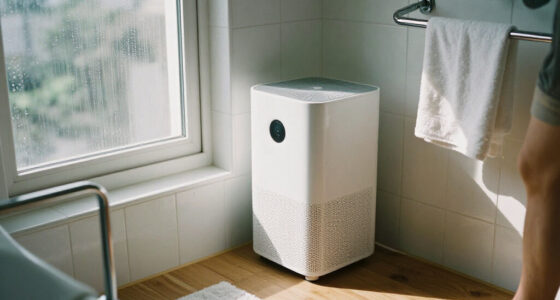
Imagine a bathroom with a good exhaust fan and a dehumidifier running after every shower. That dry air prevents moisture buildup, making it hard for mold to settle. The effectiveness of this approach lies in its simplicity—controlling moisture directly influences mold growth potential. The tradeoff involves regular maintenance and initial costs for equipment, but these are minor compared to the expense of mold remediation and health costs if you neglect moisture control. Small steps, big difference—by keeping your home dry, you create an environment that actively discourages mold development.
As an affiliate, we earn on qualifying purchases.
Comparison: Mold Prevention Strategies — What Works Best?
| Strategy | Effectiveness | Ease of Implementation | Cost |
|---|---|---|---|
| Fixing leaks promptly | High | Easy | Low |
| Using dehumidifiers | Moderate to High | Moderate | Moderate |
| Improving ventilation | High | Easy | Low |
| Applying mold-resistant paint | Moderate | Easy | Moderate |
Combining these strategies offers the best protection. Fix leaks fast, keep humidity in check, and ventilate well for a mold-proof home.
Each strategy addresses a different aspect of moisture control. Fixing leaks stops water from entering, while dehumidifiers and ventilation manage ongoing moisture levels. Mold-resistant paints provide an extra layer of defense but are not foolproof. The tradeoff is in choosing the right combination based on your home’s needs and budget—more comprehensive strategies provide better protection but may require more effort or expense. A layered approach is often the most effective for long-term mold prevention.
What Happens if You Ignore the Moisture Problem?
If you leave water issues unchecked, mold can spread quickly and cause serious damage. Mold can weaken drywall, rot wood, and ruin carpets—all while putting your family’s health at risk. A small leak in a bathroom pipe can turn into a massive mold problem within a week if ignored.
Beyond structural damage, mold spores irritate lungs, cause allergies, and can trigger asthma attacks. It’s like inviting a health hazard into your home, all because water was left to fester. The long-term implications include costly repairs, health expenses, and persistent discomfort. The tradeoff of neglect is significant: what might seem like a minor inconvenience today can escalate into a major health and financial burden tomorrow. Acting swiftly to address water problems minimizes these risks and preserves your home’s value.
Act fast. Fix leaks, dry out damp areas, and remove visible mold before it becomes a costly nightmare.
Can You Ever Truly Eliminate Mold Spores?
Mold spores are everywhere—floating in the air inside and outside your home. You can’t fully eliminate them, but you can control conditions so they don’t grow. Think of spores as seeds that lie dormant until watered.
Regular cleaning, controlling humidity, and fixing leaks keep spores from sprouting. Removing existing mold and preventing moisture buildup stops spores from multiplying. It’s about creating a hostile environment for mold, not eradicating every spore. The tradeoff here is understanding that spores are a natural part of your environment; complete eradication is neither feasible nor necessary. Instead, focus on maintaining conditions that inhibit growth, thus reducing health risks and property damage. For instance, consistent use of dehumidifiers and prompt leak repairs can keep spores in check, preventing them from becoming a problem.
Frequently Asked Questions
How quickly does mold start growing after water exposure?
Mold can begin to grow within 24 to 48 hours after water comes into contact with a surface. Acting quickly to dry out the area can prevent mold from establishing itself.What are the most common signs of hidden mold?
Look for a persistent musty smell, water stains, peeling paint, or health symptoms like sneezing and itchy eyes. Use moisture meters or infrared cameras if you suspect hidden growth behind walls or under floors.Can I prevent mold without expensive products?
Absolutely. Keep indoor humidity below 60%, fix leaks promptly, and ensure proper ventilation. Regularly inspecting damp areas and drying them out is often enough to prevent mold.Is mold dangerous for my health?
Yes. Mold exposure can cause allergic reactions, respiratory problems, and worsen asthma, especially in sensitive individuals. Removing mold and controlling moisture reduces these health risks.What’s the best way to remove existing mold?
For small patches, scrub with soap and water while wearing protective gear. For larger infestations, it’s best to hire professional mold remediation to ensure thorough removal and address moisture sources.Conclusion
Understanding that moisture fuels mold makes prevention straightforward. Fix leaks, keep the air dry, and regularly check hidden spaces. Mold is less about spores and more about the water that feeds them.
Imagine your home as a fortress against mold—dry, ventilated, and well-maintained. That’s the best way to stay safe and comfortable. Keep moisture out, and mold won’t stand a chance.
Halloween Picks
halloween
As an affiliate, we earn on qualifying purchases.