
TL;DR

Get cleaning gear delivered free — and shop member deals
- Fast, free delivery on millions of items
- Access to Prime Big Deal Days deals on October 6–7
- Prime Video, Amazon Music and more included
Musty smells come from mold, mildew, or dampness. Fix the moisture, improve airflow, and clean affected areas to restore freshness. Regular maintenance prevents future odors.
That stale, damp smell isn’t just unpleasant — it’s often a sign of hidden mold or moisture lurking in your home. You might notice it in the basement, behind the washing machine, or in the closet after a rainy week. The good news? You can banish it with a few simple, practical steps.
This guide walks you through exactly how to identify the source, improve your home’s airflow, and clean the affected areas. No hype, just straightforward advice to make your home smell fresh again — naturally and safely.
Identify and fix the moisture source before trying to mask odors.
Boost ventilation and keep humidity below 50% to prevent mold growth.
Deep clean affected surfaces with vinegar or baking soda, then dry thoroughly.
Use natural odor absorbers like activated charcoal or baking soda for ongoing freshness.
Regular maintenance of gutters, leaks, and filters keeps odors from returning.
Pinpoint the Real Cause of the Musty Smell
Before you spray air freshener, find out where the smell originates. Musty odors are often a sign of mold, mildew, or lingering dampness. Common sources include basements, bathrooms, behind appliances, or inside closets.
Look for visible mold patches, water stains, or water damage. Feel for dampness or a clammy sensation on walls or floors. For example, after a heavy rain, you might notice a musty smell creeping out from the basement corner where water seeped in.
Identifying the source is crucial. Otherwise, you risk just masking the smell, not fixing the problem. Ignoring the cause can lead to mold spreading further, potentially compromising indoor air quality and your health. Understanding whether the issue is a minor leak or a major water intrusion helps determine the appropriate repair or remediation steps, saving you time and preventing costly damage in the long run.
Deeply understanding the cause of a musty smell guides your remediation efforts. For instance, if water intrusion is the culprit, fixing the leak stops new mold from forming. If poor ventilation is the issue, improving airflow prevents moisture from lingering. This comprehensive approach ensures you’re addressing the root problem, not just the symptoms, which is essential for long-term freshness and health.
air purifier with HEPA filter for mold removal
As an affiliate, we earn on qualifying purchases.
As an affiliate, we earn on qualifying purchases.
Boost Airflow and Ventilation — Your First Defense
Fresh air is your best friend against musty odors. Open windows and doors whenever possible. Use exhaust fans in the kitchen and bathroom to pull out damp air. Consider adding vents or installing an air purifier with a HEPA filter.
For instance, in a humid summer, leaving a window cracked for an hour can drastically reduce indoor humidity and drive out that stale smell. If you have a basement prone to dampness, a small window or vent can make a big difference.
Better airflow doesn’t just freshen the air; it helps dry out damp spots that mold loves. Proper ventilation is a proactive measure—by increasing air circulation, you reduce moisture buildup, which is the root cause of musty odors. This not only improves immediate smell but also prevents mold spores from settling and growing, which can have serious health implications, especially for allergy sufferers and those with respiratory issues.
Enhancing ventilation is a key step because stagnant air allows moisture to linger, creating an ideal environment for mold growth. When you improve airflow, you actively reduce the moisture content in the air, making it less hospitable for mold spores. This tradeoff is straightforward: better ventilation requires effort and planning but yields significant long-term benefits in odor control and health safety.
As an affiliate, we earn on qualifying purchases.
Control Humidity to Stop Odors Before They Start
Mold and mildew thrive in humidity above 60%. Keep indoor humidity between 30-50% to prevent mold growth that causes musty smells. Use a hygrometer to monitor levels.
In damp areas like bathrooms or basements, a dehumidifier can remove excess moisture efficiently. For example, a 30-pint dehumidifier running 24 hours can reduce humidity by 10% in a small basement, preventing mold from taking hold.
Fix leaks, improve drainage, and ensure proper ventilation to keep moisture levels in check. Maintaining optimal humidity isn’t just about comfort; it’s a critical barrier against mold development. Too high humidity creates a persistent damp environment, which can lead to mold spores settling and proliferating, causing long-lasting odors and potential health issues. Conversely, overly dry air can cause discomfort and respiratory irritation. Striking the right balance with humidity control is a tradeoff worth making: it involves monitoring and adjusting levels regularly, but the payoff is a healthier, fresher home environment that resists mold growth over time.
As an affiliate, we earn on qualifying purchases.
Deep Clean and Dry Affected Areas — Your Odor-Busting Weapon
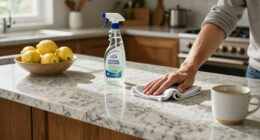
Cleaning moldy surfaces is essential. Use vinegar, baking soda, or commercial mold cleaners to scrub away mold and mildew. For example, a mixture of equal parts vinegar and water sprayed on bathroom tiles can kill mold and neutralize odors.
Wash or replace carpets, curtains, and upholstery if they smell musty. Always dry thoroughly after cleaning — dampness feeds mold. For instance, after washing curtains, hang them outside in the sun to dry completely, which helps eliminate odors.
Remember, moisture and dirt are the root causes; cleaning removes these and helps restore freshness. Deep cleaning isn’t just about appearance; it’s about removing the microscopic mold spores and bacteria that cause odors and health issues. Properly cleaning and drying affected items prevents mold from returning, which would otherwise lead to a cycle of recurring musty smells and potential respiratory problems for inhabitants.
Deep cleaning is more than surface wiping; it’s about thoroughly eliminating mold spores, bacteria, and dirt that contribute to odors. For example, in a basement, scrubbing walls with a mold-killing solution disrupts the mold’s lifecycle, preventing future growth. Drying everything completely afterward is crucial because residual moisture can quickly restart the mold cycle, making your efforts temporary unless moisture sources are also addressed.
As an affiliate, we earn on qualifying purchases.
Absorb and Neutralize Odors Naturally
Once you’ve cleaned the source, use odor absorbers to neutralize lingering smells. Activated charcoal, baking soda, and commercial odor neutralizers are your allies.
Place bowls of baking soda or activated charcoal in musty spots — under sinks, in closets, or in the basement. For example, leaving a box of baking soda in the closet for a week can absorb stubborn smells.
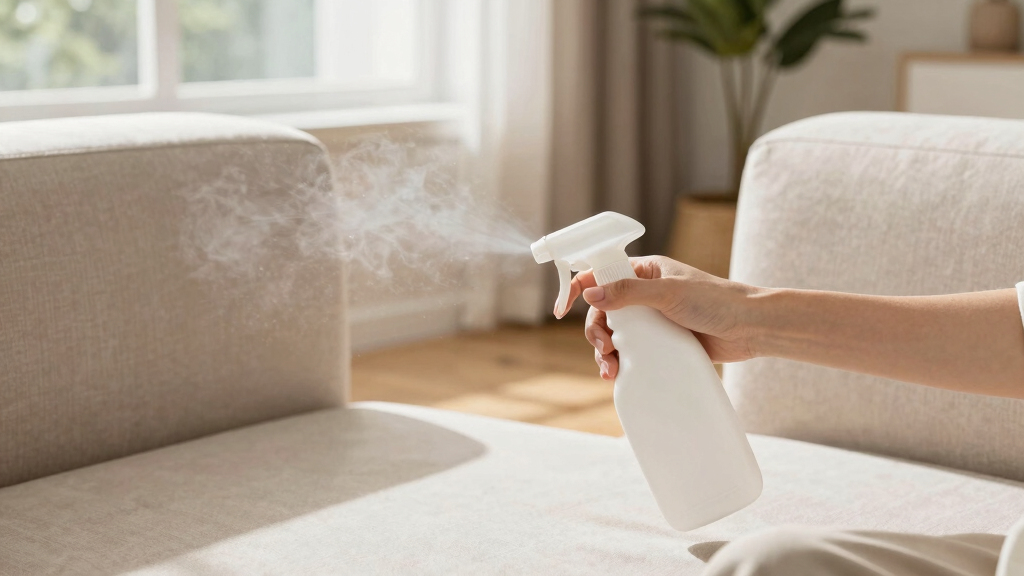
Consider adding essential oils like tea tree or eucalyptus to boost natural freshness. Spritzing a mixture of water and a few drops of oil can leave the air smelling clean and natural.
Using natural odor absorbers is a low-cost, eco-friendly way to maintain freshness between deep cleans. They work by trapping odor molecules, preventing them from lingering in the air. This ongoing neutralization helps you enjoy a consistently fresh environment without relying on chemical air fresheners, which may mask odors but don’t address the root cause.
Natural odor absorbers like baking soda and activated charcoal are effective because they chemically bind with odor molecules, removing them from the environment. This process is especially beneficial because it doesn’t just mask smells temporarily but reduces them at their source. However, their effectiveness depends on placement and frequency of replacement; understanding this tradeoff enhances long-term odor management by integrating these simple tools into your regular cleaning routine.
Maintain Your Home to Keep Odors Away
Prevention beats cure. Regularly clean gutters and check for leaks. Keep humidity in check with dehumidifiers and good ventilation. Schedule routine inspections to catch issues early.
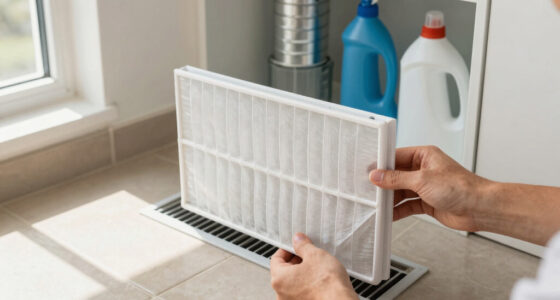
For example, replacing HVAC filters every 3 months prevents dust and mold spores from circulating. Regularly opening windows during cleaning or after showers keeps air fresh, preventing the build-up of stale odors.
These habits cut down on the moisture and dirt that cause musty smells in the first place. When you maintain your home proactively, you’re addressing the conditions that foster mold growth—namely excess moisture and poor airflow. This approach reduces the need for frequent deep cleans and minimizes the risk of mold-related health issues, creating a healthier indoor environment for everyone.
Proactive maintenance like cleaning gutters and checking for leaks might seem routine, but it’s vital because it tackles the environmental conditions that lead to odors. Ignoring these steps allows moisture and dirt to accumulate, creating an ideal breeding ground for mold and bacteria. Consistent upkeep reduces the frequency and severity of musty smells, ultimately saving time and money while promoting a healthier living space. The tradeoff is small effort for long-term benefits: a fresher, safer home environment that resists odor formation and mold growth.
Latest Tech and Eco-Friendly Ways to Fight Musty Smells
Newer air purifiers use UV-C light and photocatalytic oxidation to kill mold spores. Eco-friendly cleaners like vinegar, tea tree oil, and baking soda are safer for your family and the planet.
Smart sensors now monitor humidity levels and detect leaks early. Energy-efficient dehumidifiers with advanced moisture extraction help keep your home dry without high energy costs.
For example, a smart humidity monitor can alert you when levels creep above 55%, prompting quick action before odors develop.
Frequently Asked Questions
How quickly can I eliminate a musty smell?
Most odors start to fade within a few days after addressing moisture and cleaning. Persistent smells may take a week or two of consistent effort, especially in heavily affected areas.
What’s the best natural way to remove mold and odors?
Vinegar, baking soda, and tea tree oil are safe, effective options. They kill mold spores and absorb odors without harsh chemicals, making them ideal for homes with kids or pets.
When should I call a professional for mold issues?
If mold covers more than 10 square feet or is hidden behind walls, it’s best to hire a specialist. DIY cleaning can’t always reach into those hidden spots, and proper remediation is safer and more effective.
Can I just mask the smell with air fresheners?
While air fresheners hide odors temporarily, they don’t solve the underlying problem. Fixing moisture and mold is the only way to keep your home smelling fresh long-term.
How often should I inspect for mold or dampness?
Check your home every few months — especially after heavy rains or high humidity periods. Regular inspections catch problems early, preventing odors from becoming persistent.
Conclusion
Getting rid of musty smells is about more than quick fixes — it’s a matter of controlling moisture, improving airflow, and cleaning thoroughly. When you actively prevent dampness, your home stays fresher longer. Think of it as giving your house a daily breath of fresh air, keeping that stale smell at bay.
Next time you notice that damp scent, remember: quick action, combined with regular upkeep, turns your home into a fresh, inviting space. Breathe easier, enjoy your surroundings, and never let that musty smell linger again.
Halloween Picks
halloween
As an affiliate, we earn on qualifying purchases.