TL;DR

Get cleaning gear delivered free — and shop member deals
- Fast, free delivery on millions of items
- Access to Prime Big Deal Days deals on October 6–7
- Prime Video, Amazon Music and more included
Most HVAC filters need changing every 1 to 3 months, but household factors like pets and allergies can demand more frequent swaps. Regular checks prevent system strain and indoor air problems.
Replace your HVAC filter every 1-3 months; more often with pets, allergies, or high pollution.
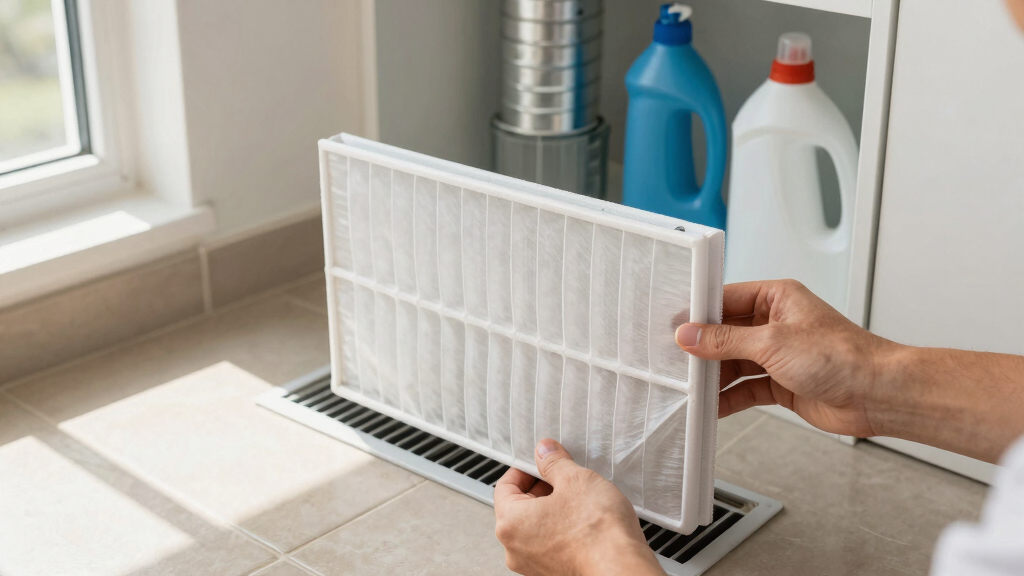
Visual signs like dirt buildup and reduced airflow are your best cues for changing the filter.
Higher-quality filters last longer but may require more frequent replacements if household factors demand it.
Smart filters with sensors can alert you when it’s time to swap, removing guesswork.
Neglecting filter changes leads to inefficient HVAC, higher bills, and indoor air quality issues.
How to Spot When Your HVAC Filter Needs a Change — It’s Easier Than You Think
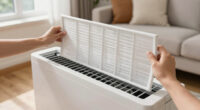
Changing your HVAC filter before it’s totally clogged keeps your air clean and your system happy. But how do you know when that’s right? Look for visible dirt and dust on the filter, or notice if your vents blow less air. If your energy bills spike without reason or you start sneezing more, it’s probably time. Regular visual checks can save you from unexpected breakdowns and poor air quality.
As an affiliate, we earn on qualifying purchases.
How Often Should You Actually Change Your HVAC Filter? The Clear Breakdown
The simple answer: most filters need replacement every 1 to 3 months. But understanding why this range exists helps you make smarter decisions. A filter clogged with dust or pet hair restricts airflow, making your system work harder. This increased workload can lead to higher energy bills, faster wear and tear, and even system breakdowns. Conversely, changing filters too frequently may be unnecessary and wasteful, especially if your household environment is relatively clean. Recognizing household factors—like pets shedding hair or living with allergy sufferers—helps you decide whether to lean towards more frequent replacements. This balance matters because delaying changes can cause your system to strain, reducing its lifespan and increasing your energy costs. On the other hand, overly frequent changes can drain your budget without added benefit. By understanding these tradeoffs, you can tailor your schedule to maintain optimal indoor air quality and system health, avoiding the costly consequences of neglect or over-maintenance.
As an affiliate, we earn on qualifying purchases.
Compare Filter Types — Which Lasts the Longest and Works Best?
| Filter Type | Typical Lifespan | Best For |
|---|---|---|
| Fiberglass | 30 days | Budget-friendly, low usage |
| Pleated | 90 days | Allergy sufferers, pets |
| High-efficiency (HEPA, MERV 13+) | 3-6 months | Air quality sensitive homes, asthma |
As an affiliate, we earn on qualifying purchases.
Smart Filters and New Tech — Do They Make Your Life Easier?
New tech in filters includes sensors that monitor dirt buildup and airflow. Some connect to apps, alerting you when it’s time to change. Imagine a filter that signals you with a gentle beep or a notification—no more guesswork. While these options cost more upfront, they serve as proactive tools that prevent neglect. This technology shifts the maintenance approach from reactive to preventive, helping you avoid the consequences of overlooked filters—like system strain or indoor air quality problems. Over time, this can save money by extending system lifespan and reducing energy waste, making these smarter filters a worthwhile investment for tech-savvy homeowners.
As an affiliate, we earn on qualifying purchases.
What Happens If You Never Change Your Filter? The Risks You Can’t Ignore
Leaving a dirty filter in place can quietly sabotage your system. Expect decreased airflow, which makes your HVAC work harder to heat or cool your home, leading to increased energy bills. Over time, this strain can cause components to wear out prematurely or even fail completely. Additionally, a clogged filter creates an ideal environment for mold, bacteria, and dust mites to thrive—posing health risks, especially for allergy sufferers or those with respiratory issues. For example, a homeowner who neglected filter changes for six months noticed a sudden system failure accompanied by a persistent musty smell, which was traced back to mold growth caused by the dirty filter. This example underscores how neglect can lead to costly repairs and health hazards, emphasizing the importance of timely maintenance.
Simple Tips to Keep Your HVAC Filter Fresh and Effective
- Set a reminder every 1-3 months, depending on your household’s needs and environmental factors. This proactive approach ensures you don’t forget to check or replace the filter regularly.
- Inspect filters monthly, especially if you have pets or allergies, because these factors significantly accelerate dirt accumulation and can compromise indoor air quality sooner than expected.
- Upgrade to pleated or higher MERV filters if you notice increased dust or allergy symptoms. These filters trap smaller particles more effectively, improving air quality but may require more frequent checks.
- Use a filter with a built-in indicator or smart sensor, which provides visual or digital alerts when it’s time to replace, simplifying maintenance.
- Clean around your vents and registers regularly to minimize dust and debris that can accelerate filter dirtiness, helping your system stay cleaner longer.
Frequently Asked Questions
How do I know if my filter is dirty enough to change?
If you see visible dirt or dust on the filter, or notice less airflow from the vents, it’s time. Also, if your energy bills increase or you start sneezing more, those are signs too. Regular visual inspections are your best early warning system.
Can I clean my HVAC filter and reuse it?
Most disposable filters aren’t designed to be cleaned and reused. Check the manufacturer’s instructions. Reusing a dirty filter can reduce air quality and strain your system, so it’s usually better to replace.
What risks come with ignoring filter changes?
Ignoring regular changes can cause your HVAC system to work harder, spike energy bills, and lead to indoor air quality issues. Over time, it can even cause system breakdowns or mold growth, impacting your health and wallet.
Are there filters that last longer than three months?
Yes, high-quality pleated or electrostatic filters can last up to six months. But always check the manufacturer’s guidelines and consider your household’s specific needs, like pets or allergies, which might shorten that interval.
Does household activity affect how often I should change my filter?
Absolutely. Pets, smokers, and high occupancy can fill filters faster. If your home is busy, plan for more frequent checks and replacements to keep the air fresh and your system running smoothly.
Conclusion
A clean HVAC filter isn’t just a small detail. It’s the foundation of good indoor air and a healthy system. Make it a habit—set reminders, check regularly, and upgrade when needed. Your lungs, your wallet, and your HVAC system will thank you for it.Fall Picks
fall essentials
As an affiliate, we earn on qualifying purchases.