
TL;DR
Open a free Amazon Business account
Business pricing, bulk buying and tax-exempt orders.
Create a free accountAs an affiliate, we earn on qualifying purchases.
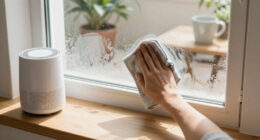
Stuffy indoor air happens when ventilation, humidity, and pollutants build up. Improving airflow, controlling moisture, and using air purifiers can make your home feel fresher and healthier.
Poor ventilation and high humidity are the main reasons your home feels stuffy.
Regularly opening windows, using exhaust fans, and managing moisture drastically improve indoor air quality.
Indoor pollutants like dust and VOCs pile up quickly without proper cleaning and air filtration.
Smart ventilation tech and humidity controls make it easier than ever to keep indoor air feeling fresh.
Maintaining HVAC filters and cleaning ducts ensures your system doesn’t recirculate stale air.
Poor ventilation is the biggest culprit behind stuffy air
When air doesn’t circulate properly, it becomes stagnant and heavy. Modern homes, with their airtight designs, trap indoor pollutants and moisture. Imagine closing all windows and doors on a humid summer day—the air inside feels sticky because it’s not moving.
For example, cooking dinner without opening a window or running a bathroom fan can quickly create a dense, damp atmosphere. Adding a simple exhaust fan or cracking a window for 5 minutes can drastically improve airflow and reduce that heavy feeling.

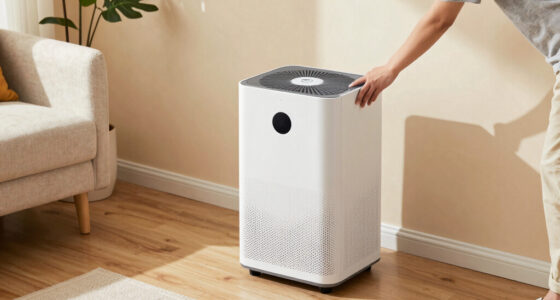
MOOKA Air Purifiers for Home Large Room up to 1076ft², H13 True HEPA Air Filter Cleaner, Odor Eliminator, Remove Smoke Dust Pollen Pet Dander, Night Light, B-D02L White
- Coverage Area: Up to 1076 ft² for large rooms
- Filtration System: H13 True HEPA and activated carbon filters
- Air Changes: 6 per hour in 215 ft², 1 in 1076 ft²
As an affiliate, we earn on qualifying purchases.
As an affiliate, we earn on qualifying purchases.
High humidity turns your home into a damp, heavy space
Humidity levels above 60% make your home feel muggy and uncomfortable. Think of a rainy day when everything feels damp—your home can feel the same if moisture isn’t properly managed. Excess moisture encourages mold growth and makes the air feel heavier.
For instance, a bathroom after a long shower can spike humidity levels, creating a sticky, stale atmosphere. Using a dehumidifier to keep humidity between 30-50% helps your home feel lighter and prevents mold and musty odors.

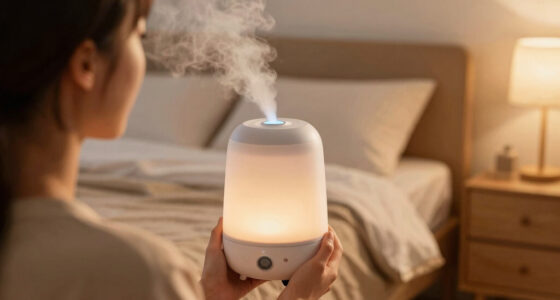
BEDRED Dehumidifier, 95OZ Dehumidifier for Home 1000 sq ft – Quiet with Auto Shut Off & Relaxing 7 Color Ambient Light, Ideal for Livingroom, Bedroom, Basement (Black)
- Cooling Technology: Thermoelectric dehumidification for moisture removal
- Auto Shutoff: Automatically powers down when tank is full
- Ambient Lighting: 7-color soothing ambient light for mood setting
As an affiliate, we earn on qualifying purchases.
As an affiliate, we earn on qualifying purchases.
Indoor pollutants pile up and make the air feel heavy
Dust, pet dander, mold spores, and VOCs from cleaning products or furniture can all contribute to that dense, stuffy feeling. Indoor air often contains more pollutants than outdoor air—up to 5 times more, according to the EPA.
Picture a pet sitting in your living room—every time they shed, allergens fill the air. Without regular cleaning and air filtration, these particles linger, weighing down the air you breathe.
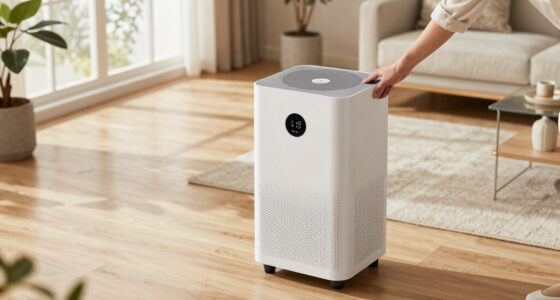
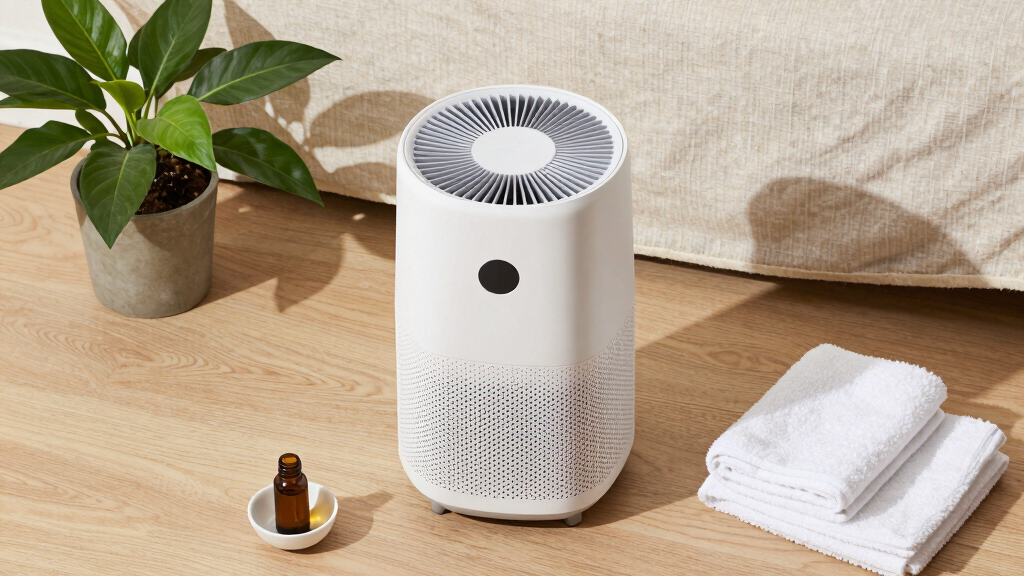
Using an air purifier with a HEPA filter and keeping surfaces clean can help remove these pollutants and lighten the air.

COMFEE' Range Hood 30 Inch Under Cabinet 200 CFM Ducted/Ductless
- Powerful Air Extraction: 2-speed fan removes smoke and odors
- Flexible Installation Options: Ductless and ducted modes available
- Replaceable Filters: Includes aluminum mesh and activated carbon filters
As an affiliate, we earn on qualifying purchases.
As an affiliate, we earn on qualifying purchases.
Lack of air circulation keeps your home feeling stuffy
If you keep windows shut and don’t run fans, stale air just sits, making your home feel like a sealed box. Even in winter, opening a window for a few minutes can refresh indoor air.
For example, turning on ceiling fans or using oscillating fans in rooms can promote air movement, preventing that heavy, trapped feeling.
Remember, even a small boost in circulation can make your space feel significantly lighter.
As an affiliate, we earn on qualifying purchases.
Heating and cooling systems can recirculate stale air
If your HVAC system isn’t well-maintained or lacks fresh air intake, it recirculates the same air over and over. This can make indoor spaces feel stuffy, especially in winter when windows stay shut.
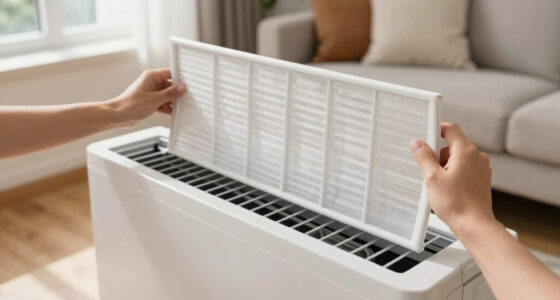
Regularly changing filters, cleaning ducts, and adding fresh air intake options can turn your HVAC into a tool for better air quality. A well-tuned system not only keeps air fresh but also balances humidity.
For example, integrating a heat recovery ventilator (HRV) helps exchange stale indoor air with fresh outdoor air efficiently.
Smart home tech helps keep indoor air feeling fresh
Newer ventilation systems, like ERVs (Energy Recovery Ventilators), automatically exchange stale air for fresh outside air while conserving energy. They keep your home from feeling stuffy, even in sealed-up spaces.
In a recent example, a homeowner installed an ERV that maintained steady humidity and airflow, making a noticeable difference in comfort. These systems are especially helpful if you struggle to remember to open windows or run fans.
Plus, integrating smart sensors can alert you when humidity or pollutant levels spike.
Comparison: How indoor humidity levels impact your comfort
| Humidity Level | How It Feels | Risks |
|---|---|---|
| Below 30% | Dry, crackly skin, static shocks | Respiratory irritation, increased dust |
| 30-50% | Comfortable, no static, less dust | Ideal range for most homes |
| Above 60% | Sticky, damp, feels heavy | Mold growth, musty odors |
Simple steps to clear the air and feel fresher
- Open windows for 5-10 minutes daily, especially after cooking or cleaning.
- Use exhaust fans in bathrooms and kitchens consistently.
- Run a dehumidifier if humidity exceeds 50%.
- Change HVAC filters every 1-3 months, depending on use.
- Keep surfaces dust-free and vacuum regularly with a HEPA filter vacuum.
Frequently Asked Questions
Why does my home feel heavy even when I keep windows closed?
Indoor pollutants, high humidity, and poor ventilation trap stale air inside. Regularly running exhaust fans and using air purifiers can help clear out that heaviness.How often should I run my exhaust fans to keep air fresh?
Ideally, run bathroom and kitchen fans during and after use, for at least 15-20 minutes. Also, consider turning them on a few times a day if you notice lingering odors or stuffiness.Can indoor plants make my home feel more stuffy?
Some plants can increase humidity or emit VOCs, which might add to the heaviness. Choose low-emission, drought-tolerant plants, and keep humidity levels in check.What’s the best way to know if my indoor air quality is poor?
Look for signs like lingering odors, dust buildup, allergies, or a damp, musty smell. Using a simple indoor air quality monitor can also give you real-time feedback.Conclusion
A stuffy home isn’t just uncomfortable—it can impact your health over time. The good news: simple habits like opening windows, controlling moisture, and maintaining your systems can transform your space into a fresh, breathable haven. Think of your home as a living thing—every small action adds up to a lighter, healthier atmosphere.Pool season Picks
robotic pool cleaners
As an affiliate, we earn on qualifying purchases.