
TL;DR

Get cleaning gear delivered free — and shop member deals
- Fast, free delivery on millions of items
- Access to Prime Big Deal Days deals on October 6–7
- Prime Video, Amazon Music and more included
Mold in your home mainly comes from excess moisture. Fix leaks, keep humidity below 60%, and improve ventilation to prevent mold growth. New tech and materials help, but moisture control remains king.
Ever notice a musty smell or dark patches on your bathroom wall? That’s mold, and it’s not just unsightly — it can harm your health. But what’s really fueling its growth? Surprisingly, the answer is simple: moisture. Understanding what causes mold in your home can save you money, health, and headaches.
In this guide, you’ll learn how moisture sneaks in, what triggers mold, and practical steps you can take to keep your home dry and mold-free. No hype, just real, actionable advice rooted in common sense and science.
Controlling moisture is the most effective way to prevent mold — fix leaks, run ventilation, and use dehumidifiers.
Keeping indoor humidity below 60% stops mold spores from settling and growing.
Hidden mold often lurks behind walls or under floors; look for water stains and musty odors.
Modern building materials and design strategies can make your home more resistant to mold.
Proactive maintenance beats reactive cleaning — prevention saves time, money, and health.
Why Moisture Is the Hidden Enemy Behind Mold
Moisture is the main culprit behind mold growth. Mold spores are everywhere — indoors and out — but they need water to settle and grow. Even a small leak or a humid bathroom can turn a damp corner into a mold magnet.
For example, a bathroom with poor ventilation can hit humidity levels of 70%, creating a perfect environment for mold to flourish on tiles, drywall, or shower curtains. Keeping humidity below 60% isn’t just about comfort — it’s about denying mold the water it needs to thrive. This threshold acts as a critical control point; once humidity exceeds it, mold spores can settle and begin to grow rapidly, often unnoticed until the problem becomes visible or health issues arise. Therefore, maintaining optimal humidity isn’t just a minor detail—it’s a fundamental line of defense against mold proliferation.
According to Outright Cleaning, controlling moisture is 80% of the battle against mold. Without it, no amount of cleaning can fully fix the problem, because mold spores will continue to find the damp conditions they need to grow. This highlights why moisture management should be prioritized over reactive cleaning. It’s a proactive strategy that addresses the root cause, ensuring a healthier, mold-free environment.
As an affiliate, we earn on qualifying purchases.
Common Ways Moisture Gets Into Your Home (And How to Stop It)
Moisture sneaks in through leaks, condensation, and poor ventilation. Here’s how to spot and stop the biggest sources:
- Fix leaking pipes and roof leaks immediately. A small drip can raise indoor humidity and encourage mold, especially if left unattended, as moisture can seep into walls and ceilings, creating hidden reservoirs of water that foster mold growth. Addressing leaks quickly reduces the risk of long-term dampness and structural damage.
- Use exhaust fans in bathrooms and kitchens. Running them during and after showers or cooking pulls moisture out of the air before it has a chance to settle and condense on surfaces, which is critical because condensation often occurs in cooler areas, providing ideal conditions for mold spores to settle and grow.
- Install vapor barriers in basements and crawl spaces to prevent ground moisture from seeping in. These barriers act as a moisture shield, reducing the humidity that naturally rises from damp soil and keeps these areas dry, which is essential because basements are often overlooked but are common sources of persistent mold problems when moisture is unchecked.
- Keep gutters clean and drainage away from your foundation to avoid water pooling around your home. Proper drainage prevents water from seeping into the foundation or siding, which can lead to persistent dampness and mold growth behind walls or under floors.
- Use dehumidifiers in damp areas, especially in humid climates or basements. Dehumidifiers actively remove excess moisture, maintaining a stable humidity level that discourages mold spores from settling and growing. Regular maintenance of these devices ensures they operate effectively, providing an additional layer of protection against unseen moisture buildup.
For example, a homeowner found mold behind their laundry room drywall after a small leak went unnoticed for months. Fixing the leak and adding a dehumidifier cleared the air and stopped mold from returning. This illustrates how addressing both visible and hidden sources of moisture is essential for long-term mold prevention, as neglecting these issues can lead to recurring problems despite cleaning efforts.
As an affiliate, we earn on qualifying purchases.
How to Keep Indoor Humidity Below 60% (And Why It Matters)
Maintaining indoor humidity below 60% is vital. When humidity climbs, mold spores settle and grow. Here’s how to keep it in check:
- Use a hygrometer to monitor humidity levels. Aim for 30-50% for comfort and safety. Regular monitoring helps you catch fluctuations early, preventing conditions that favor mold growth.
- Run exhaust fans during showers and cooking. Keep bathroom doors open afterward to circulate air. This reduces moisture buildup and prevents condensation on cooler surfaces, which is often where mold begins to develop.
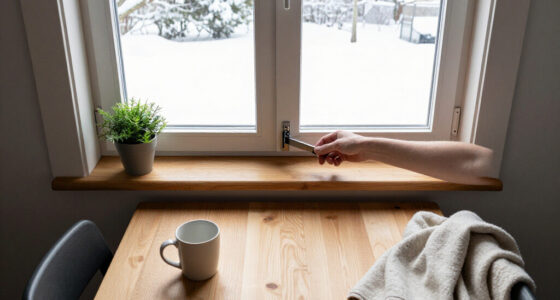
- Open windows on dry days. Fresh air helps reduce indoor moisture and replaces stale, humid air with drier outdoor air, lowering the overall humidity level inside your home.
- Fix drafts around windows and doors that allow humid air in. Proper sealing prevents outdoor humidity from infiltrating your home, maintaining a stable environment less conducive to mold.
- Consider a dehumidifier in high-humidity zones — especially basements and laundry rooms. These devices actively remove moisture, maintaining optimal levels and reducing mold risk. Selecting the right size and maintaining filters ensures they function effectively over time.
For instance, a family noticed their basement’s humidity hovering around 70%. After installing a dehumidifier and improving ventilation, mold stopped returning. This demonstrates how consistent humidity control creates an inhospitable environment for mold, emphasizing the importance of ongoing management rather than one-time fixes.
As an affiliate, we earn on qualifying purchases.
The Surprising Truth About Hidden Mold and How to Detect It
Hidden mold hides behind walls, under floors, or within HVAC systems. It’s often invisible until it causes damage or health issues. You might notice a persistent musty smell or unexplained allergy symptoms. The real danger is that it can grow unchecked for months or even years, silently damaging your home’s structure and affecting your health. Detecting hidden mold is critical because by the time you see visible signs, the problem may be extensive, costly, and challenging to remediate.
To detect hidden mold:
- Look for water stains, discoloration, or peeling paint on walls and ceilings. These signs indicate past or ongoing leaks and moisture problems that can foster mold growth behind surfaces.
- Check behind furniture, under sinks, and in basements. These areas often trap moisture and are common hiding spots for mold, especially when ventilation is poor or leaks are present.
- Use a moisture meter to find damp areas inside walls or floors. Moisture meters help identify hidden wet zones that are prime locations for mold development, even if they are not visible.
- Hire a professional for air and surface testing if you suspect hidden mold. Professionals can detect mold spores or mycotoxins that are invisible to the naked eye, providing a comprehensive assessment of your home’s hidden mold risks. Early detection allows for targeted remediation, preventing health issues and structural damage from worsening.
For example, a homeowner discovered mold behind drywall after noticing a damp, musty smell that wouldn’t go away even after cleaning. This underscores the importance of not just relying on visible signs but also using investigative tools and professional help when needed to uncover hidden hazards.
As an affiliate, we earn on qualifying purchases.
Comparison: Traditional Mold Cleaning vs. Modern Prevention Tactics
| Traditional Mold Cleaning | Modern Prevention & Maintenance |
|---|---|
| Reactive approach, cleaning after mold appears | Proactive, focusing on moisture control |
| Uses harsh chemicals like bleach | Emphasizes ventilation, dehumidifiers, and mold-resistant materials |
| Removes visible mold only | Prevents mold from forming in the first place |
| Often short-term fix | Long-term healthy home environment |
While cleaning mold with bleach can kill surface spores, it doesn’t stop future growth. Prevention tactics, like fixing leaks and maintaining low humidity, address the root causes and create a sustainable environment that discourages mold from taking hold again. This shift from reactive to proactive strategies means fewer health risks, less recurring damage, and a more resilient home over time.
Why Building Materials and Home Design Matter for Mold Prevention
Choosing the right materials and design can make a big difference. Mold-resistant drywall, paints, and sealed floors reduce porous surfaces where mold can settle.
For example, a new home built with mold-resistant drywall and proper ventilation systems showed no signs of mold after five years, despite high humidity in the area. These materials create a barrier, making it harder for mold to find a foothold.
Proper insulation and vapor barriers also keep surfaces warmer and drier, thwarting mold growth at the source. Well-designed homes with good airflow and moisture barriers not only prevent mold but also improve overall energy efficiency and indoor air quality, creating a healthier living environment for years to come.
Frequently Asked Questions
What is the main cause of mold in homes?
The main cause is excess moisture—high humidity, leaks, or poor ventilation. Without enough water, mold spores can’t settle or grow. Keeping moisture in check is the best way to prevent mold from taking hold.
How can I tell if I have hidden mold?
Look for water stains, peeling paint, or persistent musty smells. If you notice unexplained allergies or respiratory issues, hidden mold might be lurking behind walls or under floors. Professional testing can confirm its presence.
What’s the easiest way to prevent mold?
Maintain indoor humidity below 60%, fix leaks promptly, and ensure good ventilation. Use exhaust fans and dehumidifiers where necessary. These simple steps cut off mold’s favorite environment: dampness.
Is mold dangerous for health?
Yes, especially for allergy sufferers, children, and the elderly. Mold can trigger allergies, asthma, and respiratory infections. Keeping your home dry helps protect your health.
When should I call a professional?
If mold covers more than 10 square feet or is hidden behind walls, it’s best to hire experts. They have the tools and expertise to safely remove mold and prevent regrowth.
Conclusion
Remember: mold’s true enemy isn’t just what you see — it’s the moisture you don’t see. Fix leaks, control humidity, and keep your home dry. A little effort now prevents big problems later.
Think of your home as a fortress against mold, built on moisture control. When you understand what fuels mold, you take the power to stop it in its tracks. Your healthier, mold-free home is within reach — start with moisture.
Halloween Picks
halloween
As an affiliate, we earn on qualifying purchases.