TL;DR

Get cleaning gear delivered free — and shop member deals
- Fast, free delivery on millions of items
- Access to Prime Big Deal Days deals on October 6–7
- Prime Video, Amazon Music and more included
Cleaning soap scum doesn’t have to be a chore. Using spray-on solutions, common household ingredients like vinegar, or simple routine habits can keep your bathroom surfaces spotless with minimal scrubbing.
Soap scum is a bathroom villain that seems to appear out of nowhere, clinging stubbornly to tiles, tubs, and glass doors. Who has time for scrubbing every day? Luckily, there are lazy ways to keep it under control—methods that work with minimal effort and fuss. If you’re tired of battling soap scum with harsh chemicals or endless elbow grease, this guide is for you.
We’ll explore quick fixes, natural hacks, and smart routines that make soap scum a distant memory. Think of it as a secret weapon—simple, effective, and gentle enough for your surfaces. Ready to make bathroom cleaning feel less like a chore?
Spray vinegar or a natural cleaner after every shower to prevent soap scum buildup.
Wipe down surfaces daily with a microfiber cloth or squeegee—seconds of effort can save hours of scrubbing.
Use natural ingredients like vinegar, baking soda, and lemon for effective, safe cleaning.
Install a water softener if mineral deposits are a persistent problem.
Avoid harsh chemical cleaners on natural stone surfaces to prevent damage.
What Is Soap Scum and Why Does It Stick Around?
Soap scum is that dull, filmy layer that clings to your shower walls and tub. It’s a mix of soap residue, body oils, and minerals from hard water that bond together. When water evaporates, it leaves behind this stubborn film that’s tough to wipe away once it’s set.
Understanding what causes soap scum is crucial because it reveals the underlying chemistry and physical processes at play. The minerals in hard water—calcium and magnesium—react with soap residues, creating insoluble compounds that adhere strongly to surfaces. This isn’t just about aesthetics; these deposits can lead to surface etching, discoloration, and even mold hiding in the layers if not addressed. Recognizing how soap scum forms helps you choose strategies that target its root causes, like reducing mineral buildup or altering water chemistry, rather than just superficial cleaning. It’s about working smarter, not harder, by understanding the chemistry and physics involved.
vinegar spray for bathroom cleaning
As an affiliate, we earn on qualifying purchases.
As an affiliate, we earn on qualifying purchases.
3 Lazy Tricks to Keep Soap Scum at Bay
Want to prevent soap scum from taking over? These three tips are your new best friends. They require almost no effort after your shower, but they make a huge difference.
- Squeegee after every shower: Running a squeegee or microfiber cloth over tiles and glass removes water droplets that contain dissolved minerals and soap residues. This simple act prevents water from evaporating on surfaces, which is the primary trigger for soap scum formation. By removing the water before it dries, you cut off the moisture that allows mineral deposits and soap residues to bond and harden. Over time, consistent use of a squeegee can significantly reduce buildup, saving you from harsher scrubbing later. Think of it as giving your surfaces a quick rinse of their own—preventive maintenance that pays off by disrupting the initial stages of soap scum formation.
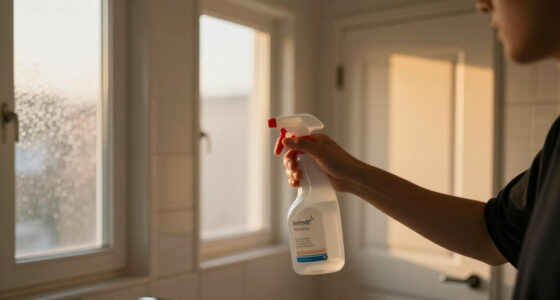
- Spray and forget: Applying a no-scrub spray cleaner or a vinegar-water solution immediately after each shower creates a protective barrier. These solutions work by neutralizing or dissolving minerals and soap residues before they have a chance to bond and harden. Regular application prevents deposits from becoming ingrained, which means less scrubbing in the long run. This method leverages the chemistry of acids and surfactants to keep surfaces cleaner with minimal effort. Essentially, it shifts the cleaning from a reactive chore to a preventative step, ensuring your bathroom stays fresher for longer and reducing the need for aggressive scrubbing later.
- Quick daily wipe: Keep a microfiber cloth nearby and wipe down the tub and tiles once a day. This quick habit removes residual soap and water droplets, preventing mineral deposits from settling and hardening. It’s not just about wiping away visible grime; it’s about breaking the cycle of buildup by removing the foundational elements that lead to soap scum. This light daily maintenance prevents the layers from thickening, making deep cleaning less frequent and less intensive. Over time, this simple routine maintains a more pristine surface, reducing the chemical and physical effort needed to restore cleanliness.
For example, a busy homeowner found that a quick nightly spray of vinegar and a wipe with a microfiber cloth kept soap scum minimal, reducing weekly scrubbing to just a few minutes and avoiding the buildup that requires harsh cleaners.
microfiber bathroom cleaning cloth
As an affiliate, we earn on qualifying purchases.
As an affiliate, we earn on qualifying purchases.
Natural Solutions That Do the Heavy Lifting
Natural ingredients are your secret weapons. They’re safe, inexpensive, and surprisingly effective. Here’s what you can do:
- Vinegar spray: Mix equal parts white vinegar and water in a spray bottle. Spray generously on surfaces. Let sit for 10-15 minutes, then wipe clean. Vinegar dissolves mineral deposits and soap residue, breaking down the bonds that make soap scum cling stubbornly to surfaces. This chemical reaction weakens the structural integrity of the deposits, making them easier to remove. Regular use prevents the buildup from becoming hard-to-remove layers, which means less scrubbing and less risk of damaging delicate surfaces. It’s a simple, natural way to maintain your bathroom’s cleanliness while also addressing the chemistry of soap scum at its core.
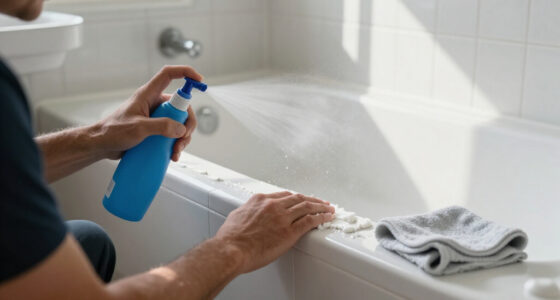
- Baking soda paste: Combine baking soda with a little water to form a thick paste. Apply to stubborn spots, let sit for 10 minutes, then wipe away. Baking soda acts as a gentle abrasive and neutralizer, breaking down greasy and mineral-laden residues without damaging delicate surfaces. Its mild abrasive qualities lift stubborn deposits by physically scrubbing away the bonds that hold soap scum together. This process is especially useful for targeted cleaning of fixtures and grout lines, where buildup tends to be more stubborn. Using baking soda regularly can help prevent the need for harsher chemical cleaners, which may cause surface damage over time.
- Lemon juice: For extra fresh scent and added cleaning power, dab lemon juice onto soap scum. Its natural acidity helps cut through grime and mineral deposits, breaking molecular bonds and loosening the layers of soap scum. The citrus scent also acts as a natural deodorizer, leaving your bathroom smelling fresh. Additionally, lemon’s mild bleaching properties can brighten surfaces and help reduce mold or mildew in the layers of soap scum. Because lemon is less harsh than commercial cleaners, it’s ideal for routine maintenance. Regular application can keep your bathroom looking and smelling clean, while also addressing the underlying chemistry of stubborn residues.
For instance, one homeowner reported that a weekly vinegar spray and occasional baking soda paste application kept her shower sparkling without any scrubbing, illustrating how natural solutions address the chemistry of soap scum effectively with minimal effort.
As an affiliate, we earn on qualifying purchases.
Frequently Asked Questions
What is the easiest way to remove soap scum without scrubbing?
Spray a vinegar-water solution or commercial soap scum remover onto surfaces, let it sit for 10-15 minutes, then wipe away. This loosens buildup with minimal effort.Can I use natural ingredients instead of chemical cleaners?
Absolutely. Vinegar, baking soda, and lemon juice are all effective for regular cleaning and are gentle on surfaces.How often should I clean soap scum to keep it from building up?
Wiping down after every shower and doing a quick weekly spray or wipe can prevent heavy buildup and make cleaning easier.Are tools like squeegees or microfiber cloths worth using?
Yes. They’re quick to use and drastically cut down on soap scum formation by removing water and residue before they dry into stubborn deposits.Does hard water make soap scum worse?
Yes. The minerals in hard water combine with soap residue, creating more stubborn deposits that are harder to clean.As an affiliate, we earn on qualifying purchases.
Conclusion
Dealing with soap scum doesn’t have to mean endless scrubbing. A few simple habits and natural solutions can keep your bathroom gleaming with barely any effort. Think of it as giving soap scum the lazy treatment it deserves—less work, more shine.
Next time you step into your bathroom, imagine it’s already cleaner. With these easy tips, that’s a reality you can create every day.
Fall Picks
fall essentials
As an affiliate, we earn on qualifying purchases.