TL;DR

Get cleaning gear delivered free — and shop member deals
- Fast, free delivery on millions of items
- Access to Prime Big Deal Days deals on October 6–7
- Prime Video, Amazon Music and more included
To get rid of mold on bathroom ceilings, identify moisture sources, wear protective gear, and use natural cleaners like vinegar or hydrogen peroxide. Improving ventilation and sealing surfaces helps prevent future mold growth. Regular maintenance keeps your bathroom mold-free.
Always wear protective gear before starting mold cleanup to safeguard your health.
Natural solutions like vinegar and hydrogen peroxide effectively kill surface mold without harsh chemicals.
Improve bathroom ventilation with fans or open windows to keep moisture levels low.
Seal ceilings with mold-resistant paint or primer to prevent mold from returning.
Call professionals if mold covers more than 10 square feet or keeps coming back after cleaning.
How to Spot Mold on Your Bathroom Ceiling (It’s Easier Than You Think)
Mold on a bathroom ceiling appears as black, green, or gray patches, often fuzzy or slimy. It’s common in areas with high humidity or poor ventilation. If you notice a musty smell or discoloration, it’s likely mold. Catching it early prevents bigger problems later.
For example, after a long shower, you might see dark spots forming near the vent or along the corners. These are signs of lingering moisture that feeds mold growth. Regularly check these spots to stay ahead of the problem.
mold-resistant bathroom ceiling paint
As an affiliate, we earn on qualifying purchases.
As an affiliate, we earn on qualifying purchases.
Protect Yourself First — Gear Up Before Cleaning Mold
Before tackling mold, put on gloves, a mask (preferably N-95), and goggles. Mold spores can irritate your skin, lungs, and eyes. Safety gear isn’t just a precaution — it’s essential for protecting your health.
For instance, wearing a mask prevents spores from entering your lungs, especially if you have allergies or asthma. Protecting yourself makes the cleaning process safer and more effective.
As an affiliate, we earn on qualifying purchases.
Step-by-Step: How to Remove Mold From Your Bathroom Ceiling
- Ventilate the bathroom by opening windows or turning on the fan.
- Mix a cleaning solution: vinegar, hydrogen peroxide, or baking soda work well.
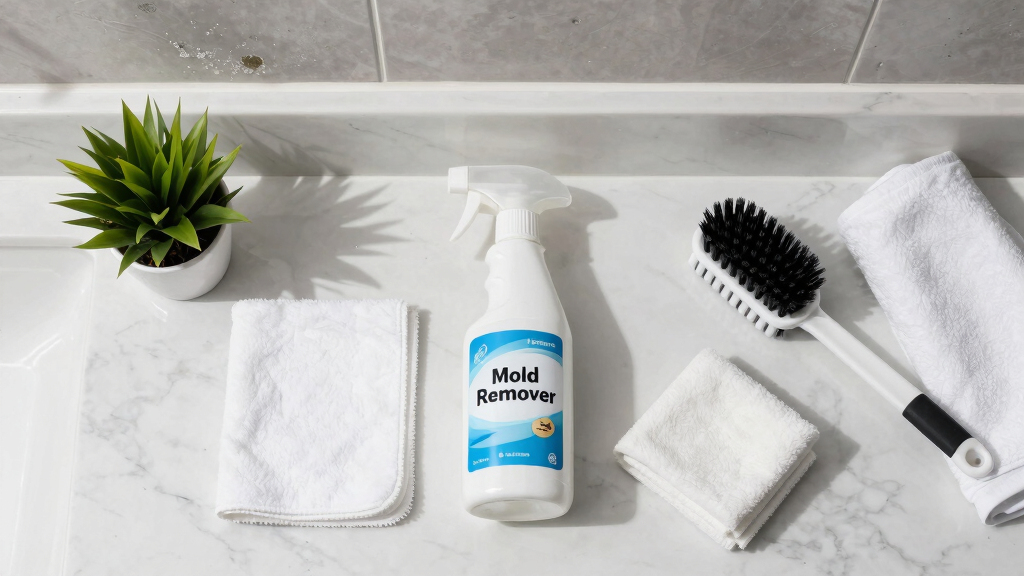
- Apply the solution generously to the moldy area with a spray bottle or sponge.
- Let it sit for 15 minutes to break down the mold.
- Scrub the area with a stiff brush or sponge until the mold lifts.
- Rinse with clean water and dry thoroughly with a towel or fan.
For example, a mixture of vinegar and water in a 1:1 ratio can remove most surface mold without harsh chemicals. Repeat if necessary for stubborn patches.
As an affiliate, we earn on qualifying purchases.
Eco-Friendly Solutions That Actually Kill Mold
Vinegar is a natural mold killer. Pour undiluted vinegar into a spray bottle and apply directly. Hydrogen peroxide (3%) is another powerful option — spray it on, wait 10 minutes, then scrub. Baking soda adds extra cleaning power and freshens the air.
For example, spraying vinegar on a mold patch after a shower dried out the area, preventing new growth for weeks. These methods are safe for surfaces and eco-conscious.
As an affiliate, we earn on qualifying purchases.
How to Stop Mold From Coming Back — Easy Preventive Tips
Mold thrives in damp, poorly ventilated spaces. To keep it away, run your exhaust fan during and after showers. Fix leaks immediately to prevent moisture buildup. Use mold-resistant paint or sealants on your ceiling for added protection.
For example, installing a humidity sensor connected to an exhaust fan keeps moisture levels below 50%, which experts recommend for preventing mold growth.
When to Call in the Pros (And Why It’s Sometimes Necessary)
If mold covers more than 10 square feet or keeps coming back despite cleaning, it’s time to bring in professionals. They can identify hidden mold behind walls or deep within surfaces and use specialized tools.
For example, persistent mold after cleaning might indicate a leak behind the wall, which requires a licensed plumber or mold remediation expert to fix safely and thoroughly.
How to Seal and Protect Your Ceiling Against Future Mold
Apply a mold-resistant primer before painting your bathroom ceiling. Use a high-quality, mildew-resistant paint for long-term protection. Ensuring your bathroom remains dry and well-ventilated is crucial because mold growth is primarily driven by moisture. Sealing the surface creates a barrier that inhibits mold spores from settling and proliferating, which is vital in preventing recurring problems.
Imagine a fresh, white ceiling that stays spotless even after hot showers. Proper sealing not only prevents mold but also preserves the appearance and integrity of your ceiling, saving you money and effort in repairs down the line. It acts as a proactive shield, reducing the chances of mold spores finding a hospitable environment again.
Frequently Asked Questions
Is bleach safe to use for mold removal?
Bleach can kill surface mold effectively, but it’s harsh and releases strong fumes. It also doesn’t penetrate porous surfaces, so mold can come back. Natural solutions like vinegar or hydrogen peroxide are safer and often just as effective for cleaning ceilings.
How often should I clean my bathroom to prevent mold?
Cleaning your bathroom at least once a week helps prevent mold buildup. Pay special attention to high-humidity areas like around the tub and near vents. Regular wiping with eco-friendly cleaners keeps surfaces dry and mold-resistant.
What are signs mold has penetrated deeper than the surface?
If mold keeps returning after cleaning, or you notice a persistent musty smell, it may have penetrated deeper. Peeling or bubbling paint, stains on drywall, or visible mold behind fixtures are signs of deeper contamination requiring professional help.
How do I fix poor ventilation or leaks causing mold?
Install or upgrade exhaust fans, use humidity sensors, and fix leaks immediately to control moisture. Sealing cracks and improving airflow are key to stopping mold from recurring. If leaks are behind walls, hire a licensed plumber to address the issue safely.
Conclusion
Getting rid of mold on your bathroom ceiling isn’t complicated — it’s about understanding what causes it and acting quickly. Regular cleaning, good ventilation, and sealing surfaces form your best line of defense. Think of it as giving your bathroom a fresh start, one that stays clean and healthy longer.Fall Picks
fall essentials
As an affiliate, we earn on qualifying purchases.