
TL;DR

Get cleaning gear delivered free — and shop member deals
- Fast, free delivery on millions of items
- Access to Prime Big Deal Days deals on October 6–7
- Prime Video, Amazon Music and more included
Cleaning grout without bleach is simple with natural solutions like baking soda, vinegar, and hydrogen peroxide. Regular maintenance and proper tools prevent stains and mold, keeping your bathroom fresh and safe.
If you think cleaning grout means slathering on harsh chemicals, think again. You can achieve a sparkling, mold-free bathroom with natural, safe methods that protect your surfaces and your lungs. No need for bleach, fumes, or risking discoloration—just simple ingredients and a bit of elbow grease.
In this guide, you’ll learn how to clean grout effectively without relying on bleach. From everyday maintenance to tackling stubborn stains and mold, I’ll share practical tips that make your bathroom healthier and brighter—without the fumes or damage.
Avoid using bleach to prevent discoloration and surface weakening.
Use natural ingredients like baking soda, vinegar, and hydrogen peroxide for effective cleaning.
Regular grout sealing and wiping reduce the need for deep cleans and mold removal.
Tools like small brushes and steam cleaners make natural cleaning easier and more thorough.
Always test vinegar on natural stone tiles to prevent etching.
Why Avoid Bleach When Cleaning Grout?
Bleach can cause more harm than good. It can discolor your tiles, weaken grout over time, and produce powerful fumes that irritate your lungs and eyes. These fumes are not just unpleasant—they can exacerbate respiratory issues, especially in poorly ventilated bathrooms. Additionally, frequent use of bleach can degrade the grout’s structural integrity, making it more porous and susceptible to staining and mold growth in the long run. This creates a paradox: while bleach might temporarily whiten your grout, over time, it can lead to more stubborn stains and a less durable surface. Natural solutions, on the other hand, work gently but effectively, preserving the longevity of your grout and tiles while maintaining a healthy environment.
Imagine scrubbing your bathroom with a gentle paste of baking soda and vinegar—no fumes, no discoloration, just clean, fresh grout. That’s the benefit of avoiding bleach while still keeping your bathroom spotless. The tradeoff is that natural methods often require a bit more patience and repeated applications, but they reward you with a safer, more sustainable clean that protects your surfaces and your health.
As an affiliate, we earn on qualifying purchases.
How to Use Natural Cleaning Agents for Grout in 3 Simple Steps
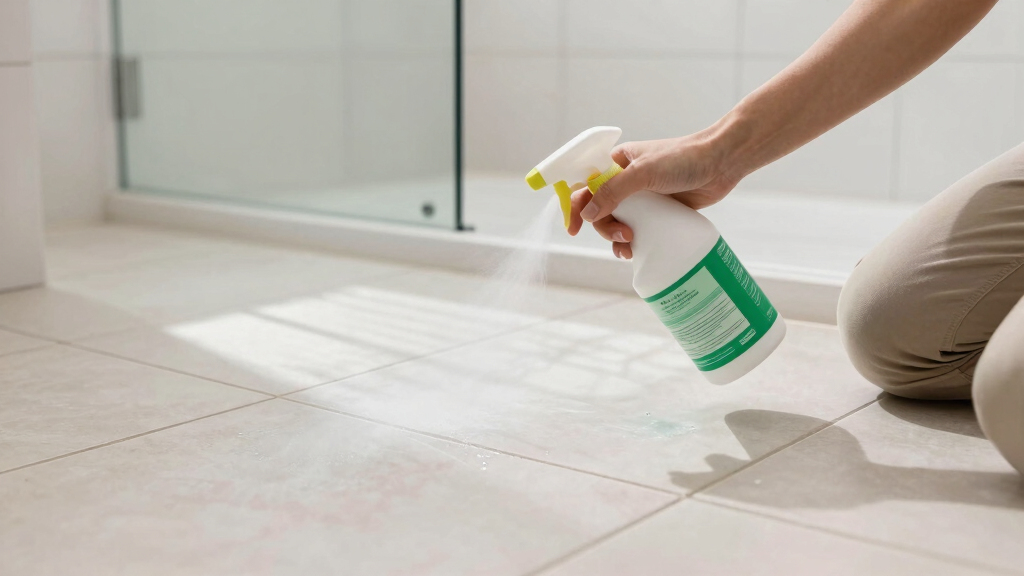
- Apply a Baking Soda Paste. Mix baking soda with a little water to form a thick paste. Spread it over stained grout lines. This paste acts as a gentle abrasive that physically lifts dirt without scratching delicate surfaces. It also neutralizes odors, making your bathroom smell fresher. The key here is that baking soda’s mild abrasiveness helps dislodge grime while being safe for most surfaces, unlike harsher chemicals that can erode grout or tiles if used improperly.
- Spray with Vinegar or Hydrogen Peroxide. Lightly spray vinegar or hydrogen peroxide onto the paste. Vinegar dissolves mineral deposits and stains by breaking down their chemical bonds, which is especially effective against hard water stains. Hydrogen peroxide, with its oxidizing properties, targets mold and mildew at a cellular level, killing spores and preventing regrowth. Using these agents at this stage is crucial because it enhances the cleaning power of the baking soda, allowing for a chemical reaction that lifts stains and disinfects simultaneously. However, it’s important to note that vinegar’s acidity can etch natural stone, so always test first and avoid on sensitive surfaces.
- Scrub and Rinse. Use a small brush or toothbrush to scrub the grout lines gently. Rinsing with warm water removes loosened dirt and residual cleaning agents, preventing streaks or buildup. Wiping dry with a microfiber cloth ensures no moisture remains that could encourage mold. For stubborn stains, repeat the process or let the mixture sit longer to allow deeper penetration. This step consolidates the cleaning effort and ensures your grout stays bright and free of mold or stains, extending the lifespan of your tiling.
For example, a homeowner noticed dark stains in their bathroom grout. A quick paste of baking soda and water, followed by a vinegar spray, loosened years of grime—without any harsh chemicals. The repeated, gentle application prevented damage to the grout and tiles, illustrating how patience and understanding of the chemistry behind these ingredients lead to effective, safe cleaning.
As an affiliate, we earn on qualifying purchases.
Compare Natural Cleaners to Commercial Products
| Feature | Natural Cleaners | Commercial Bleach-Free Cleaners |
|---|---|---|
| Ingredients | Baking soda, vinegar, hydrogen peroxide | Enzymatic formulas, plant-based cleaners |
| Safety | Non-toxic, safe for pets and kids | Usually non-toxic but read labels carefully—some may contain harsh chemicals or allergens |
| Environmental Impact | Biodegradable, minimal waste, reduces chemical runoff | Varies, but many are designed to be eco-friendly; always check certifications |
| Effectiveness | Excellent for routine maintenance, light stains, and mold; may need multiple applications for heavy stains | Strong stains, deep mold, and heavy-duty cleaning; often more potent but with potential tradeoffs |
Natural options excel in maintaining your grout’s health over time. They are gentle but effective, especially when used regularly. For stubborn mold or deep stains, hydrogen peroxide provides a powerful yet safe alternative to harsh chemicals. Commercial eco-friendly products often incorporate enzymes and plant-based ingredients that break down organic stains and mold more aggressively, making them suitable for tough jobs but sometimes at a higher cost or with different application techniques. Understanding these differences helps you choose the right product based on your specific cleaning needs and environmental priorities.
hydrogen peroxide grout stain remover
As an affiliate, we earn on qualifying purchases.
As an affiliate, we earn on qualifying purchases.
Frequently Asked Questions
Is it safe to use vinegar and baking soda on all types of tiles?
Generally, yes for ceramic and porcelain tiles. However, avoid using vinegar on natural stone like marble or limestone, as the acidity can cause etching. Always test a small area first.
How often should I clean my grout without bleach?
Weekly light cleaning helps prevent buildup, and deep cleaning every 3-4 months keeps mold and stains at bay. Adjust based on your bathroom’s humidity and usage.
What tools are best for natural grout cleaning?
Small scrub brushes, toothbrushes, and steam cleaners are highly effective. Use microfiber cloths for wiping and drying for best results.
Can I remove mold from grout without bleach?
Yes, hydrogen peroxide is a safe, effective alternative. Apply, scrub lightly, then rinse. For severe mold, repeat and consider using commercial mold removers designed for grout.
How can I prevent grout stains and mold?
Seal grout lines after cleaning, wipe down tiles regularly, and ensure good bathroom ventilation. These steps keep your grout looking fresh and mold-free longer.
As an affiliate, we earn on qualifying purchases.
Conclusion
Cleaning grout without bleach is not only possible but also safer and kinder to your surfaces. With simple ingredients and a few tools, you can keep your bathroom fresh, mold-free, and environmentally friendly.
Think of your grout as the skin of your bathroom—regular gentle care keeps it healthy and vibrant. Next time you reach for cleaning supplies, remember: a little baking soda and vinegar go a long way.
Fall Picks
fall essentials
As an affiliate, we earn on qualifying purchases.