TL;DR

Get cleaning gear delivered free — and shop member deals
- Fast, free delivery on millions of items
- Access to Prime Big Deal Days deals on October 6–7
- Prime Video, Amazon Music and more included
Low shower pressure often comes down to mineral buildup, leaks, or faulty valves. Cleaning your shower head, checking for leaks, or adjusting regulators can restore strong water flow without professional help.
Ever stepped into a shower that feels more like a drizzle? It’s frustrating. Often, the culprit is a simple clog or a minor plumbing issue that’s easy to fix. Understanding what causes low pressure helps you restore that invigorating spray you expect.
In this guide, you’ll learn exactly why your shower head might be losing pressure and what quick, practical steps you can take to fix it yourself. No need to call a plumber — most problems have a straightforward solution.
Mineral deposits are the top cause of low shower pressure, especially in hard water areas.
Cleaning your shower head with vinegar is a quick fix that can restore 80% of lost flow.
Check for leaks and faulty regulators if cleaning doesn’t work — these are common hidden culprits.
Installing a shower pump can dramatically boost pressure but may require professional help.
Regular maintenance, like cleaning and using water softeners, prevents pressure issues from recurring.
What Causes Low Shower Pressure and How to Spot Them
Low pressure is usually a sign that something’s blocking or restricting water flow. The most common culprit? Mineral deposits, especially if you have hard water. These deposits build up inside the shower head or pipes, narrowing the water path. This buildup not only reduces flow but can also alter the spray pattern, making your shower less enjoyable and potentially leading to uneven water distribution. If ignored, mineral buildup can cause long-term damage to your plumbing, increasing repair costs down the line.
Other causes include leaks in your plumbing, a faulty pressure regulator, or multiple fixtures running at the same time. For example, if your bathroom sink and shower are both on, water might be dividing unevenly, reducing pressure. Detecting these issues early can prevent further damage and ensure consistent water pressure.
To spot the issue, first check if the pressure drops only in the shower or throughout the house. If it’s everywhere, the problem is likely with your main water supply or pressure regulator. If it’s just your shower, it’s probably a clogged head or local plumbing issue. Recognizing these signs helps you target the right fix and avoid unnecessary repairs or replacements.
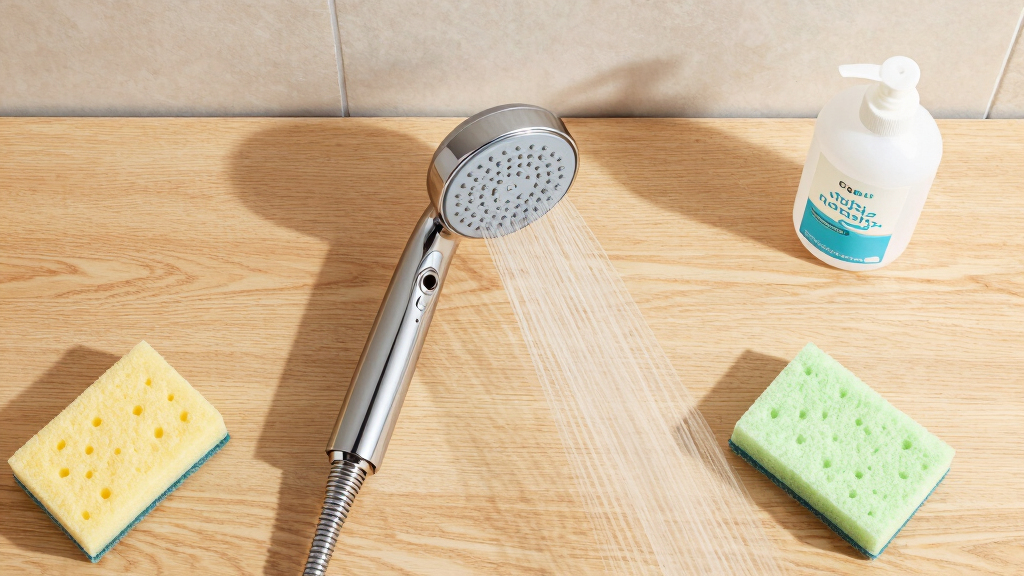
shower head mineral deposit cleaner
As an affiliate, we earn on qualifying purchases.
As an affiliate, we earn on qualifying purchases.
How to Clean Your Shower Head and Boost Water Flow in 3 Easy Steps
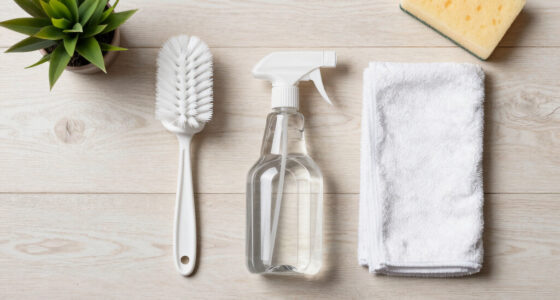
- Remove the shower head. Usually, it twists off by hand or with a wrench. Wrap a cloth around it to avoid scratching.
- Soak it in vinegar for 6-8 hours. The acid dissolves mineral buildup. For stubborn deposits, a longer soak helps break down the deposits more thoroughly, preventing future blockages.
- Scrub with an old toothbrush. Focus on nozzles and crevices to dislodge remaining deposits. Rinse thoroughly before reinstalling. Regular cleaning not only restores flow but also prolongs the life of your shower head by preventing mineral buildup from becoming severe.
This simple trick restores about 80% of lost pressure, especially in areas with hard water. Regular cleaning every 6-12 months keeps mineral deposits from clogging your shower head again, maintaining optimal water flow and ensuring your showers remain invigorating.
adjustable shower pressure regulator
As an affiliate, we earn on qualifying purchases.
As an affiliate, we earn on qualifying purchases.
Compare Common Fixes for Low Shower Pressure
| Fix Method | Ease of DIY | Cost | Effectiveness |
|---|---|---|---|
| Cleaning shower head | High | Low (vinegar or old toothbrush) | High |
| Checking for leaks | Moderate | Low if DIY, higher if professional repair needed | High |
| Replacing pressure regulator | Moderate to Low | Moderate | High |
| Installing a shower pump | Low (professional help recommended) | High | Very high |
Choosing the right fix depends on your comfort level and budget. Starting with simple cleaning is often enough to solve the problem, and it offers a quick return on effort with minimal expense. More involved fixes like replacing regulators or installing pumps can deliver higher pressure but require more technical skill or professional assistance, so weigh these options carefully based on your needs.
shower head with easy cleaning nozzles
As an affiliate, we earn on qualifying purchases.
As an affiliate, we earn on qualifying purchases.
When to Call a Professional for Low Water Pressure
If cleaning your shower head doesn’t help, it’s time to look deeper. Persistent low pressure might mean clogged pipes, a faulty pressure regulator, or hidden leaks. These issues often require professional tools and expertise to diagnose accurately. For example, hidden leaks behind walls can cause significant pressure drops without obvious signs, and only specialized equipment can locate and fix them effectively.
Ignoring these signs can lead to more serious problems, such as pipe corrosion, water damage, or even structural issues if leaks go unnoticed. Addressing these problems promptly with professional help ensures the underlying cause is properly diagnosed and resolved, which can save you money in the long run by preventing costly repairs or replacements.
shower pump for high water pressure
As an affiliate, we earn on qualifying purchases.
As an affiliate, we earn on qualifying purchases.
Smart Tips to Prevent Low Pressure in the Future
- Install a water softener if you have hard water. It reduces mineral buildup in pipes and fixtures, preventing future clogs that lead to pressure drops. While it involves an upfront investment, the long-term benefits include less maintenance and fewer repairs.
- Clean your shower head regularly — every 6-12 months — to prevent clogging. This simple routine maintenance keeps mineral deposits from accumulating and ensures consistent water flow, especially in areas with hard water.
- Check your pressure regulator annually and adjust if needed. Proper regulation maintains optimal pressure across your plumbing system, avoiding both low flow and potential pipe stress from excessive pressure.
- Limit simultaneous water use in busy mornings to avoid pressure drops. Spreading out water usage reduces the load on your system, maintaining steady flow during peak times and preventing sudden drops that diminish your shower experience.
These simple habits, when integrated into your routine, help maintain steady water pressure, improve overall plumbing longevity, and avoid inconvenient pressure fluctuations.
Frequently Asked Questions
Why is my shower head suddenly losing pressure?
It’s usually mineral buildup, a clogged aerator, or a change in your home’s water pressure. Check for mineral deposits first, especially if you have hard water, and clean the head to see if that restores flow.
How do I clean a clogged shower head?
Remove the shower head, soak it in vinegar overnight, then scrub with an old toothbrush. Rinse thoroughly and reinstall. This dissolves mineral deposits and improves flow fast.
Can I fix low water pressure myself?
Yes, many fixes are simple DIY tasks — cleaning the shower head, tightening fittings, or adjusting the regulator. For plumbing issues or persistent problems, consider calling a professional.
What if cleaning doesn’t improve pressure?
If cleaning doesn’t help, check for leaks, corrosion, or faulty valves. Replacing the shower head or regulator might be necessary, or you may need a plumber’s help for deeper plumbing issues.
Are low-flow shower heads effective?
Yes, modern low-flow heads are designed to conserve water while maintaining a satisfying spray. Proper installation and regular cleaning make them just as powerful as traditional heads.
Conclusion
A clogged or worn-out shower head is often the reason behind low water pressure. The good news? Most fixes are straightforward and DIY-friendly. With a little vinegar, a wrench, and some basic checks, you can turn that weak trickle back into a powerful spray.
Picture stepping into a shower that hits just right — warm, strong, and invigorating. That’s the goal. Take control today, and your mornings will thank you.
Evergreen bestsellers Picks
bestsellers
As an affiliate, we earn on qualifying purchases.