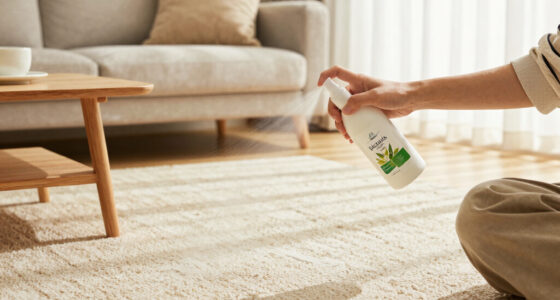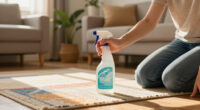
Choosing an eco-minded carpet cleaner means balancing convenience, ingredients, stain type, and how much product you use. Puracy Natural Carpet & Upholstery Shampoo and Biokleen Bac-Out Stain & Odor Remover are often considered by households seeking alternatives to conventional cleaners, but they work differently: Puracy comes ready to use for carpet and upholstery, while Biokleen is a concentrated formula built around enzymes and plant-derived cleaning agents.

Get cleaning gear delivered free with Prime
- Fast, free delivery on millions of items
- Prime Video, Amazon Music and more included
- Member-only deals all year

Biokleen Bac-Out Enzyme Cleaner Spray and Stain & Odor Remover, Lime Scent, 32 Ounces
- ✔ Size: 32 ounces
- ✔ Scent: Lime
- ✔ Formulation: Enzyme-based with plant-based surfactants

Biokleen Bac-Out Stain Remover for Clothes & Carpet – 32 Ounce
- ✔ Size: 32 ounces
- ✔ Formulation: Enzymatic and plant-based
- ✔ Active approach: Live enzyme cultures break down organic material

Whip It Cleaner Multi-Purpose Stain Remover Professional Strength Spray – Plant Based Enzyme Cleaner, 32 OZ
- ✔ Size: 32 ounces
- ✔ Formulation: Plant-based enzyme cleaner
- ✔ Listed ingredients: Eucalyptus, citrus, and corn
That distinction matters more than a broad “natural” label. Puracy is easier to reach for when a spill happens and you want a straightforward spot-cleaning routine. Biokleen can make more sense for food, pet messes, and lingering organic odors, provided you follow its dilution and use directions. Neither formula can guarantee a result on every fiber or stain, so check the label and test a hidden area first. The better fit depends on whether you value grab-and-use convenience or concentrated treatment for odor-prone messes.
At a Glance
| Criteria | Puracy Natural Carpet & Upholstery Shampoo | Biokleen Bac-Out Stain & Odor Remover | Winner |
|---|---|---|---|
| Formula and eco-minded positioning | Marketed as a plant-derived, biodegradable cleaner; ready to use. | Uses plant-derived cleaning agents and enzymes; concentrated format. | Depends |
| Application and convenience | Spray application supports quick spot treatment without dilution. | Requires dilution or use according to the product label. | A |
| Organic stains and odors | Can clean everyday spills; not specifically enzyme-focused. | Enzyme-based approach is a useful fit for many organic messes and odors. | B |
| Carpet and upholstery use | Labeled for carpet and upholstery; confirm fabric compatibility. | Labeled for multiple surfaces; check specific carpet or fabric directions. | Tie |
| Scent and residue | Scent and residue depend on application and rinsing; test first. | May leave a noticeable botanical scent; follow label directions to limit residue. | Depends |
| Value and cost per use | Higher convenience, but ready-to-use packaging can mean more cost per volume. | Concentrate can provide more uses per container and better cost per use. | B |
Biokleen Bac-Out Enzyme Cleaner Spray and Stain & Odor Remover, Lime Scent, 32 Ounces
For a household that wants one spray for common carpet messes and other organic stains, Biokleen Bac-Out Lime Scent makes the strongest all-around case in this group. Its description names live enzyme cultures, citrus extracts, and plant-based surfactants, then lists carpets alongside pet accidents, wine spills, laundry, and diapers. That combination gives us a clear reason to consider it for more than one recurring cleanup job. The ready-to-use bottle also avoids the measuring step some concentrated cleaners require.Compared with the Clothes & Carpet Biokleen, this version explicitly includes a lime scent and citrus extracts. That may suit us if we want a scented cleaner, while the other listing is the more natural match for shoppers avoiding artificial fragrance. Both share enzyme-based stain treatment and may need repeat use on stubborn marks. Against Whip It, Bac-Out’s pitch is more squarely grounded in carpet and household organic messes rather than a very broad list of surfaces. The meaningful tradeoff is that “ready to use” does not mean “one pass”: the description cautions that set-in stains can take multiple applications. We should follow the carpet maker’s care guidance and spot-test first, since the supplied information does not identify compatibility with every fiber or dye.
Pros:
- Names carpets, pet accidents, wine, laundry, and diapers among its intended uses.
- Combines live enzyme cultures with citrus extracts and plant-based surfactants.
- Ready-to-use formula requires no mixing or dilution.
- Description says it is free of artificial fragrances, colors, and preservatives.
Cons:
- Lime scent may not suit fragrance-sensitive households.
- Heavily set-in stains may require multiple applications.
Best for: Households seeking one ready-to-use enzyme spray for carpet, pet accidents, and other organic household stains.
Not ideal for: Shoppers who prefer no listed scent, or anyone expecting a single treatment to remove a heavily set stain.
Bottom line: We’d start with this Biokleen when carpet and varied organic household messes call for one plant-based enzyme spray, provided its lime scent fits our preferences.
“We’d start with this Biokleen when carpet and varied organic household messes call for one plant-based enzyme spray, provided its lime scent fits our preferences.”
Biokleen Bac-Out Stain Remover for Clothes & Carpet – 32 Ounce
This second Bac-Out listing suits us when carpet and clothing cleanup matter and we want the product description to be specific about ingredients it leaves out. It describes an enzymatic, plant-based formula with live cultures and says it contains no artificial fragrances, dyes, phosphates, chlorine, or ammonia. That makes it the more clearly documented Biokleen choice for a shopper who wants to avoid those listed additives. The description does not name a scent, so we should not assume that means completely odorless.Its carpet credentials are comparable to the Lime Scent version: both are ready-to-use, enzyme-based sprays for pet accidents, wine, and other organic messes, and both caution that set stains may require repeated applications. The difference is one of positioning and disclosed details. The Lime Scent product lists citrus extracts and a lime scent, while this one emphasizes clothes and carpet and provides a longer list of exclusions. That focus comes with a specific caveat: enzymes may affect delicate fabrics. For carpet, that warning is a reason to check the care label and test a hidden spot, especially if the same bottle might also be used on clothing. Compared with Whip It, this is the more directly carpet-and-laundry-oriented option, but its stated use range is less expansive.
Pros:
- Explicitly lists carpet, clothing, pet accidents, wine, and cloth diapers as uses.
- Uses live enzyme cultures in a plant-based formula.
- Description excludes artificial fragrances, dyes, phosphates, chlorine, and ammonia.
- Premixed and ready to apply without dilution.
Cons:
- Enzymes may not be suitable for delicate fabrics.
- Set-in stains can require repeated applications.
- The supplied description does not identify a scent, so scent preference is harder to assess.
Best for: Buyers who want a ready-to-use enzyme cleaner for carpet and laundry and value explicit exclusions of several harsh chemicals and artificial fragrance.
Not ideal for: People cleaning delicate fabrics that may be affected by enzymes, or shoppers seeking a clearly specified scent profile.
Bottom line: We’d choose this Bac-Out listing over the Lime Scent version when its explicit ingredient exclusions matter more than a named citrus scent, while keeping enzyme-sensitive fabrics in mind.
“We’d choose this Bac-Out listing over the Lime Scent version when its explicit ingredient exclusions matter more than a named citrus scent, while keeping enzyme-sensitive fabrics in mind.”
Whip It Cleaner Multi-Purpose Stain Remover Professional Strength Spray – Plant Based Enzyme Cleaner, 32 OZ
Whip It Pro Strength is the broadest-use option here, with carpet listed alongside fabric, upholstery, food and wine marks, pet stains, and automotive messes. Its stated plant-based ingredients include eucalyptus, citrus, and corn, and the premixed spray is meant to be applied without dilution. That range could make one bottle useful in several cleanup zones, especially where carpets share space with upholstered furniture or fabric items.For a carpet-first buyer, though, broad versatility is a tradeoff rather than an automatic advantage. The two Biokleen options give a more concentrated account of carpet and household organic stains; Whip It’s description places carpet within a larger multipurpose pitch. It is also the only entry here that specifically cautions against some porous or unsealed surfaces, including certain glass, marble, granite, and mirrored finishes. That warning matters if we plan to use the spray around varied materials. The listed formula avoids alcohol, ammonia, bleach, and dyes, but the product may still need repeat applications on tough stains and may not remove every mark. We should treat “professional strength” as product wording, not a guarantee of results across carpet types, and spot-test before broader use.
Pros:
- Lists carpet, upholstery, fabric, food, wine, pet, marine, and automotive stains among its uses.
- Plant-based enzyme spray with eucalyptus, citrus, and corn ingredients listed.
- Description says it contains no alcohol, ammonia, bleach, or dyes.
- Premixed for direct application.
Cons:
- Not suitable for some porous or unsealed surfaces, including certain stone and glass finishes.
- Tough stains may require repeated applications, and some stains may remain.
- Its wide multi-surface positioning gives less carpet-specific detail than the Biokleen listings.
Best for: Households that want a plant-based enzyme spray for carpet plus upholstery, fabric, and other listed stain-prone materials.
Not ideal for: Buyers focused only on carpet who prefer a more targeted cleaner, or anyone planning to apply it to porous or unsealed surfaces without checking compatibility.
Bottom line: We’d pick Whip It when carpet is only one part of a larger fabric-cleaning routine and its surface exclusions fit the materials we own.
“We’d pick Whip It when carpet is only one part of a larger fabric-cleaning routine and its surface exclusions fit the materials we own.”
As an Amazon Associate we earn from qualifying purchases.
Key Differences
The practical split is ease versus targeted treatment. Puracy is ready to spray, which lowers the effort involved in responding to a fresh spill. Biokleen asks for more care with preparation, but its enzyme-based formula gives it a stronger rationale for stains and odors from food, pets, and other organic material. Results still depend on stain age, carpet fiber, and correct application; neither product should be treated as universal.
Both brands position their formulas around plant-derived ingredients, but “eco-friendly” does not mean harmless on every material or that one product has a smaller footprint in every use. Read current labels for ingredients, certifications, dilution, and disposal guidance. Biokleen’s concentrate may reduce packaging and cost per application when mixed as directed. Puracy’s ready-to-use bottle can be worthwhile when convenience prevents a spill from sitting untreated. The best value follows your cleaning habits, not just the shelf price.
Detailed Comparison
Formula and eco-minded positioning (moderate difference)
Both products are marketed around plant-derived cleaning ingredients, giving each a clearer eco-minded pitch than conventional solvent-heavy spot treatments. Biokleen stands apart with enzymes in its formula, while Puracy emphasizes a ready-to-use cleaner for carpet and upholstery. This is a moderate difference for buyers choosing based on stain type, but not enough to declare either universally greener. Ingredient sourcing, packaging, certifications, and how much you use also matter; check the current label before deciding.
Application and convenience (Puracy Natural Carpet & Upholstery Shampoo wins — moderate)
Puracy wins on speed: it is ready to spray, so treating a small spill takes fewer steps. Biokleen’s concentrate requires attention to its directions and, where specified, dilution before use. The gap is moderate in ordinary use and becomes more noticeable during repeated spot treatments. Choose Puracy if you want a bottle that is easy to keep near a high-traffic area; choose Biokleen if mixing a measured solution is an acceptable part of your routine.
Organic stains and odors (Biokleen Bac-Out Stain & Odor Remover wins — moderate)
Biokleen has the more targeted case for organic messes because it is enzyme-based and marketed for stains and odors. That makes it the stronger starting point for pet accidents, food spills, and similar problems, though success depends on the stain and correct treatment. Puracy remains useful for general spot cleaning, but its positioning does not give it the same enzyme-focused advantage. This is a moderate advantage, not a guarantee of removing old or set-in stains.
Carpet and upholstery use (minor difference)
Neither is an automatic winner across every carpet and fabric. Puracy’s name and directions explicitly place it in carpet and upholstery care; Biokleen is also marketed for a range of stain and odor uses, but users should check its current label for the specific surface. The difference is minor for standard carpet spot treatment and potentially more important for delicate upholstery. Follow fiber-care instructions, avoid saturating the material, and test a hidden patch before wider use.
Scent and residue (minor difference)
There is no dependable universal winner for scent or residue because sensitivities and carpet conditions vary. Biokleen may appeal to people who accept a botanical scent as part of cleaning, while scent-sensitive households should inspect the current formula details before buying. Either product can leave residue if overapplied or not removed as directed. The difference is minor for many users but can become a deciding factor in a bedroom, pet area, or home with fragrance sensitivities.
Value and cost per use (Biokleen Bac-Out Stain & Odor Remover wins — moderate)
Biokleen generally has the value advantage when a concentrate yields multiple correctly mixed applications: each treatment can cost less than using a ready-to-use bottle. Puracy charges for convenience and avoids measuring or mixing. The gap is moderate for frequent cleaners and minor for someone treating an occasional spill. Compare the actual bottle price, label dilution, and your likely use; concentrate is only better value if you prepare and use it as directed.
Puracy Natural Carpet & Upholstery Shampoo: Pros and Cons
Pros:
- Ready to use, with no dilution step.
- Designed for carpet and upholstery spot cleaning.
- Convenient for quick response to fresh spills.
Cons:
- May cost more per application than a concentrate.
- Does not offer Biokleen’s enzyme-focused positioning for organic odors.
- Still requires a hidden-area test and care with delicate fibers.
Biokleen Bac-Out Stain & Odor Remover: Pros and Cons
Pros:
- Concentrated format can lower cost per use.
- Enzymes make it a stronger fit for many organic stains and odors.
- Useful for households that treat recurring pet or food messes.
Cons:
- Requires closer attention to preparation and label directions.
- Scent may not suit fragrance-sensitive users.
- Results vary by stain, fiber, and how long the mess has set.
Who Should Choose What
Choose Puracy Natural Carpet & Upholstery Shampoo if:
- You want a ready-to-spray cleaner for occasional spills.
- You prioritize simple spot treatment for carpet and upholstery.
- You are willing to pay for convenience and use the product infrequently.
Choose Biokleen Bac-Out Stain & Odor Remover if:
- Pet accidents, food spills, or organic odors are recurring problems.
- You prefer a concentrate that may cost less per correctly prepared use.
- You do not mind measuring or following additional application directions.
Skip both if: Skip both if the carpet or upholstery label prohibits these cleaners, the fiber is delicate and cannot be spot tested safely, or the stain requires a specialist treatment.
Value for Money
Biokleen is usually the better value for regular cleaning because a concentrate can stretch across more applications. That advantage matters most in homes with pets, children, or frequent food spills. Puracy can justify its higher cost per volume for occasional messes when a ready-to-use bottle makes prompt treatment more likely. Paying more for Puracy buys convenience; paying for Biokleen makes more sense when you will use its concentrated, enzyme-based approach often. Compare current prices and label directions rather than assuming the larger or more concentrated bottle is automatically cheaper.
Final Verdict
For most households that regularly deal with pet or food messes, Biokleen Bac-Out is the stronger starting choice: its enzyme-based formula suits organic stains and odors, and its concentrate can offer better value over repeated use. Choose Puracy Natural Carpet & Upholstery Shampoo if the main priority is quick, uncomplicated spot cleaning and spills are occasional. The deciding factor is your routine: frequent odor-prone messes favor Biokleen; convenience for the occasional spill favors Puracy. Test either cleaner on an inconspicuous area and follow the product label before treating the full stain.
Frequently Asked Questions
Which is better for pet stains, Puracy or Biokleen?
Biokleen is the more targeted option because it uses enzymes and is positioned for stains and odors. Check the label for your specific surface and treat the area as directed; older stains may need more than one application.
Is a concentrated carpet cleaner better value?
Often, if you use it regularly and prepare it according to the label. Biokleen’s concentrate can spread across multiple uses, while Puracy’s ready-to-use bottle saves preparation time. For occasional spills, convenience may matter more than cost per use.
Are these cleaners safe for every carpet?
No cleaner should be assumed safe for every fiber or backing. Check the carpet maker’s care instructions, read the product label, and test a small hidden area before treating a visible spot.
Which one should scent-sensitive households choose?
Neither is a guaranteed fragrance-free choice. Review the current ingredient and scent information for each product, and consider a small-area test. If fragrance is a firm concern, look for a product explicitly labeled fragrance-free and approved for your carpet.