TL;DR
Open a free Amazon Business account
Business pricing, bulk buying and tax-exempt orders.
Create a free accountAs an affiliate, we earn on qualifying purchases.
Cleaning your car carpet at home is straightforward with the right approach. Regular vacuuming, prompt stain treatment, and deep cleaning with eco-friendly solutions can extend your interior’s life and keep it smelling fresh.
Ever notice how your car’s carpet quickly collects dirt, crumbs, and stains? Keeping it clean isn’t just about appearance—it’s about maintaining a healthy, fresh environment inside your vehicle. Luckily, you don’t need fancy equipment or professional help; with a few household items and some simple steps, you can restore your car’s interior to its original glory. Whether it’s muddy footprints, pet hair, or coffee spills, this guide walks you through everything you need to know to tackle your car’s carpet at home.
By the end, you’ll have the confidence to handle regular upkeep and stubborn stains alike. Plus, you’ll learn how to keep your interior smelling inviting, all without harsh chemicals or costly services. Ready? Let’s dive into the practical, straightforward way to clean a car carpet that actually works.
Always vacuum thoroughly before deep cleaning to prevent dirt from embedding.
Use homemade, eco-friendly solutions for safe, effective cleaning.
Spot-treat stains immediately for better results and easier cleanup.
Proper drying prevents mold, so air out your car for at least 4-6 hours after cleaning.
Regular maintenance includes weekly vacuuming and seasonal deep cleans to keep carpets fresh.
How to Clean a Car Carpet at Home
A fresher cabin is six practical steps away. Lift loose grit, treat stains early, clean in controlled sections, and dry completely. Household tools and an eco-friendly solution can restore tired carpet without harsh chemicals or a costly detailing visit.
Regular vacuuming and prompt stain treatment can reduce embedded grit and fiber wear.
Keep air moving until the carpet is fully dry to discourage mold, mildew, and odor.
Vacuum before dirt works deeper into the pile, especially after muddy or sandy trips.
From preparation to prevention
Small sections improve control
Give the solution time to lift grime
Adjust for pets, weather, and use
Clean in the right order
Each stage prepares the carpet for the next. Skipping the dry vacuum or rushing the final drying period can turn an easy job into embedded mud, residue, or musty odor.
Clear
Remove belongings, mats, child seats, and reachable loose debris.
Vacuum
Make two passes under seats, along edges, and through every seam.
Spot
Blot stains with tested solution before cleaning the full carpet.
Agitate
Brush or steam in controlled sections without soaking the backing.
Extract
Press with dry towels or use a wet/dry vacuum to pull moisture out.
Dry
Open doors or windows and add airflow for at least four to six hours.
Six actions that protect the fibers
Carpet cleaning is less about force and more about sequence, moisture control, and patience. Use the lightest effective treatment first.
Vacuum twice
Use a hose and crevice tool on corners, seat rails, edges, and under pedals. Loosen pet hair with a rubber glove or brush before the second pass. Dry grit acts like sandpaper when left in the pile.
Mix gently
Combine warm water, a few drops of dish soap, and a small splash of white vinegar. Test a hidden area, wait several minutes, and check for color transfer or texture changes.
Blot, don’t grind
Work from the stain’s outer edge toward its center. Press and lift with a clean cloth. Aggressive scrubbing spreads liquid and can force contamination deeper into the carpet.
Divide the floor
Clean one 2 × 2-foot area at a time. Agitate gently with a firm brush or keep a steam nozzle moving. Controlled zones make coverage even and prevent over-wetting.
Press out water
Use clean microfiber towels or a wet/dry vacuum immediately after agitation. Repeat until towels come away only slightly damp. Never leave pooled cleaner beneath the pile.
Dry completely
Open windows or doors, run fans, and use mild sunlight where practical. Do not replace mats or close the cabin until every cleaned area feels fully dry.
A simple cleaner from household basics
Make a small batch and apply lightly. More liquid does not mean more cleaning power—controlled moisture is safer for carpet backing, padding, wiring, and odor prevention.
Everyday carpet solution
Before the first spray
Apply a small amount to an inconspicuous patch. Wait, blot with a white cloth, and inspect for fading, dye transfer, stiffness, or adhesive reaction.
Never seal vinegar and baking soda together in a closed bottle. Their reaction releases gas. Mix only what you need, keep the area ventilated, and never combine cleaners with bleach or ammonia.
Choose the tool that fits the mess
A vacuum and brush handle most routine jobs. Extraction and steam add speed or sanitation, but both demand careful technique and complete drying.
| Tool | Loose dirt | Stain lifting | Best use | Watch out for |
|---|---|---|---|---|
| Vacuum + hose | ✓ Excellent | ✗ Limited | Weekly upkeep and essential pre-cleaning | Missing edges, seams, or a second pass |
| Firm carpet brush | ~ Good | ✓ Strong | Low-cost agitation in small sections | Over-scrubbing delicate or worn fibers |
| Wet/dry vacuum | ✓ Excellent | ✓ Strong | Removing dirty solution and excess moisture | Using equipment not rated for liquids |
| Portable extractor | ~ Good | ✓ Excellent | Deep soil, traffic lanes, and larger areas | Too many wet passes or weak extraction |
| Steam cleaner | ✗ Prep first | ✓ Excellent | Chemical-light sanitation and odor control | Heat-sensitive materials and over-saturation |
| Microfiber towels | ~ Fair | ✓ Strong | Blotting fresh spills and pressing out moisture | Reusing a dirty section of the towel |
Match the treatment to the spill
Prompt action improves the odds of full removal. Always blot up excess material first, test the cleaner, and repeat gentle treatment before increasing strength.
Blot liquid, then dab with diluted soap-and-vinegar solution. Work inward.
Let heavy mud dry, break it apart, vacuum thoroughly, then treat the remaining mark.
Absorb quickly and use an enzyme cleaner labeled safe for automotive carpet.
Lift excess, apply a tiny amount of mild soap, blot repeatedly, and rinse sparingly.
Apply baking soda to fully dry carpet, leave it several hours, then vacuum completely.
The pressure rule
Begin with absorption, progress to gentle agitation only when necessary, and stop before fiber damage becomes more noticeable than the original stain.
Press, hold, lift, and rotate to a clean area.
Short strokes after the loose spill is absorbed.
Hard circular motion spreads stains and distorts pile.
Use the least aggressive method that works
These relative effectiveness scores show the role of each stage in a complete home-cleaning routine. Preparation and extraction matter as much as agitation.
Drying is part of the cleaning job
Damp padding can support mold, mildew, bacteria, and musty smells. Extract first, then keep air circulating until the carpet and backing are completely dry.
Press firmly
Use dry microfiber towels to draw moisture upward. Change towels as soon as they become saturated.
Extract deeply
A wet/dry vacuum can remove moisture below the visible pile more effectively than towels alone.
Create cross-flow
Open multiple doors or windows and aim fans across the floor instead of straight down at one spot.
Confirm before closing
Check edges, seat rails, and thick padding by touch. If any area feels cool or damp, keep drying.
A low-effort maintenance rhythm
Small, consistent actions prevent dirt from embedding, reduce allergens and odor, and make seasonal deep cleaning much faster.
Focus on driver footwells, under seats, edges, and areas used by children or pets.
Keep a microfiber cloth in the car so liquid never has time to soak deep into the pile.
Brush or extract more often after winter salt, muddy weather, beach trips, or heavy use.
Protect high-wear zones and shake out removable mats before grit reaches the fixed carpet.
Why the sequence delivers a fresher cabin
Every stage removes a different source of wear or odor. Together, they create a repeatable cycle that protects the interior rather than merely making it look cleaner.
Regular vacuuming and prompt stain treatment may extend carpet life by up to 30% by preventing dirt from embedding and reducing abrasive wear over time. The winning habit is simple: remove dry soil weekly, treat spills immediately, and never trap moisture after a deep clean.
Start with a Deep Vacuum to Lift Every Grain of Dirt
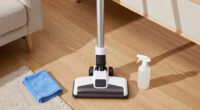
The first step to a clean car carpet is thorough vacuuming. Think of it as prepping your surface before a paint job. Use a handheld or full-size vacuum with a hose attachment. Focus on all corners, under seats, and along the edges. Remove loose dirt, dust, and pet hair—these particles can turn into stubborn stains if left sitting.
For a real boost, go over the carpet twice. Once to pick up loose debris, and again to catch what was missed. If you notice stubborn pet hair or fine dust, consider a brush attachment or a rubber glove to lift particles before vacuuming. This step sets the stage for effective cleaning later.
Why is this so important? Initial vacuuming not only removes surface dirt but also prevents dirt from settling deeper into the fibers. Embedded dirt can become difficult to remove later, leading to persistent stains and a dull appearance. It also reduces the effectiveness of subsequent cleaning steps because cleaner fibers absorb less cleaning solution and dry faster, reducing the risk of mold or odor issues.

Chemical Guys, Lightning Fast Carpet & Upholstery Stain Extractor, 16 oz
- Deep Penetrating Stain Removal: Removes stains, dirt, and odors quickly
- Safe on All Fabrics: Suitable for natural and synthetic fibers
- Effective on Tough Stains: Removes coffee, wine, pet messes, and odors
As an affiliate, we earn on qualifying purchases.
As an affiliate, we earn on qualifying purchases.
Choose and Prepare a Safe, Effective Cleaning Solution
Cleaning your car carpet doesn’t mean loading it with harsh chemicals. Instead, opt for eco-friendly options or make your own. A simple mixture of warm water, a few drops of dish soap, and a splash of white vinegar works wonders. For tougher stains, add a teaspoon of baking soda for extra power and odor neutralization.
Always test your solution on a small, hidden area first. Wait a few minutes to see if it causes discoloration or damage. If safe, proceed with confidence. The goal is to lift dirt without damaging the delicate fibers or emitting strong fumes.
Why does this matter? Commercial cleaners often contain strong chemicals that can weaken fibers over time or cause allergic reactions. Homemade solutions, when used correctly, are safer for you and the environment. They are also less likely to leave residues that attract more dirt later. The tradeoff is that they may require a bit more manual effort and patience, but the safety benefits outweigh this minor inconvenience.
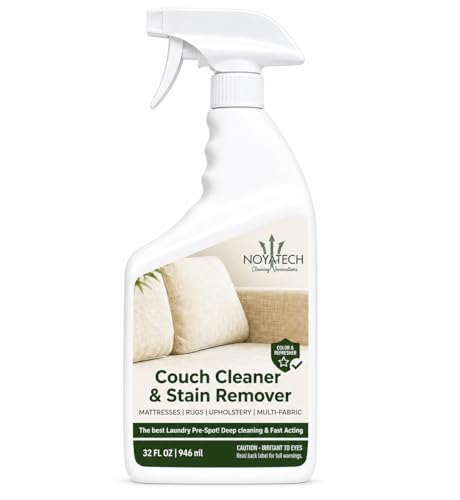
NOYATECH Couch Cleaner and Stain Remover Spray, Pet Safe Upholstery, 32 oz
- Fast Stain Removal: Lifts tough stains quickly with dwell time
- Multi-Surface Cleaner: Suitable for couches, upholstery, mattresses, and car interiors
- Pet and Odor Removal: Eliminates pet messes, food, drink, and odors
As an affiliate, we earn on qualifying purchases.
As an affiliate, we earn on qualifying purchases.
Spot-Treat Stains Before Deep Cleaning
Stains like coffee, mud, or pet accidents need quick action. Use a clean cloth or sponge soaked in your prepared solution to gently blot the stain. For stubborn spots, sprinkle baking soda directly on the area, then spray with your vinegar-water mix. Wait 10-15 minutes for the fizz to lift the stain.
Don’t scrub aggressively. Instead, blot or dab to lift the stain without pushing it deeper. If the stain remains, repeat the process. Quick response prevents stains from setting permanently and makes your overall cleaning easier.
Why is this step crucial? Immediate treatment prevents stains from setting into the fibers, which makes them much harder to remove later. Aggressive scrubbing can damage the delicate fibers or push the stain further in, making it more permanent. Gentle, prompt action preserves the integrity of your carpet and reduces the need for harsher chemicals or multiple treatments, saving you time and effort in the long run.

MONOZEL Car Vacuum Portable Cordless, 18000Pa 2 in 1 Vacuum Cleaner&Air Duster, 130W Brushless Motor Handheld Vacuum Cordless with 7800mAh Battery, LED Light, Multi-Nozzles for Car, Home, Office, Pet
- Powerful Suction and Blowing: 18000PA vacuum and air duster functions
- High-Speed Brushless Motor: 130W motor with 115000RPM speed
- Extended Motor Lifespan: Motor lasts 3 times longer
As an affiliate, we earn on qualifying purchases.
As an affiliate, we earn on qualifying purchases.
Deep Clean with a Brush or Steam for Professional Results
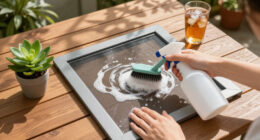
Time to get serious. Use a scrub brush with firm bristles or a portable steam cleaner to work your cleaning solution into the carpet fibers. Move in small sections—about 2×2 feet—to ensure thorough coverage. For steam cleaners, follow the manufacturer’s instructions and keep the nozzle moving to avoid over-saturating one spot.
Steam cleaning is especially effective for sanitizing and lifting dirt without chemicals. It also helps eliminate odors by killing bacteria. If you don’t have a steam cleaner, a stiff-bristle brush and some elbow grease work well—just be mindful not to soak the carpet too much.
Why is deep cleaning so important? It reaches below the surface to remove embedded dirt, bacteria, and odors that regular vacuuming cannot. Using a brush or steam ensures that cleaning solutions penetrate fibers thoroughly, breaking down grime and neutralizing smells at their source. This prevents odors from lingering and keeps your carpet looking and smelling fresh longer. However, over-saturation can lead to mold or mildew if not dried properly, so always balance cleaning with adequate drying time.
Chemical Guys, Lightning Fast Carpet & Upholstery Stain Extractor, 16 oz
- Deep Penetrating Stain Removal: Removes stains, dirt, and odors quickly
- Safe on All Fabrics: Suitable for natural and synthetic fibers
- Effective on Tough Stains: Removes coffee, wine, pet messes, and odors
As an affiliate, we earn on qualifying purchases.
As an affiliate, we earn on qualifying purchases.
Remove Excess Moisture and Speed Up Drying
After scrubbing, your carpet will be damp. Use a clean, dry microfiber towel or a wet/dry vacuum to soak up as much moisture as possible. Press firmly and work in sections. This step prevents mold and mildew from taking hold.
Next, open windows, turn on fans, or park in a sunny spot. Airflow speeds up drying time, reducing the risk of musty smells. For faster results, aim for at least 4-6 hours of drying time, or overnight if possible.
Why is proper drying essential? Moisture left in the carpet creates an ideal environment for mold, mildew, and bacteria to grow, which can cause unpleasant odors and health issues. Efficient drying not only preserves the carpet’s condition but also ensures your vehicle is safe and fresh sooner. Using fans and sunlight accelerates evaporation, but avoid closing windows or covering the area before it’s fully dry, as trapped moisture can undo your efforts and promote mold growth.
Maintain Your Car’s Carpet with Regular Care
Cleaning once or twice a year isn’t enough. Regular vacuuming—once a week—keeps dirt from embedding. Use protective mats, especially in muddy or snowy weather, to reduce wear and stains. Address spills immediately, and give your carpets a quick vacuum afterward.
Every few months, repeat the deep cleaning process to keep odors at bay and fibers looking fresh. A little upkeep now prevents major messes later, saving you time and effort.
Why does this matter? Consistent maintenance prevents dirt and grime buildup that can degrade fibers and trap odors, making cleaning more difficult over time. Regular care also helps maintain the appearance and value of your vehicle, and it creates a healthier environment by reducing allergens and bacteria. The tradeoff is minimal effort for long-term benefits—think of it as routine health care for your car’s interior.
Compare DIY Cleaning Tools for Best Results
| Tool | Pros | Cons |
|---|---|---|
| Vacuum with hose attachment | Quick, easy, effective for loose dirt | Doesn’t remove stains or deep grime |
| Stiff-bristle brush | Good for scrubbing and dirt lift | Can damage fibers if used too aggressively |
| Steam cleaner | Sanitizes, deodorizes, eco-friendly | Costly upfront, needs electricity |
Frequently Asked Questions
Can I use household products like baking soda or vinegar to clean my car carpet?
Yes. Baking soda neutralizes odors and lifts stains, while vinegar breaks down grime and kills bacteria. Mix a solution of water, vinegar, and a touch of dish soap for a safe, effective cleaner. Always test first on a small area to avoid discoloration.
How often should I deep clean my car’s interior carpets?
Ideally, deep clean every 3 to 6 months, especially if you have pets, kids, or frequent spills. Regular vacuuming weekly helps maintain cleanliness between deep cleans and prolongs your carpet’s life.
Is it safe to use steam cleaners on car carpets?
Yes, if used correctly. Steam cleaners sanitize and lift dirt without chemicals, but avoid over-saturating the carpet and always follow the manufacturer’s instructions. Proper use prevents damage and ensures thorough cleaning.
What’s the best way to remove pet odors from car carpets?
Start with a thorough vacuum, then sprinkle baking soda generously over the area. Let it sit for at least 15 minutes, then vacuum again. For persistent smells, a steam clean or enzymatic odor neutralizer can help eliminate the source entirely.
Conclusion
Keeping your car carpet clean doesn’t need to be complicated or expensive. With just a few simple steps—vacuum, treat stains, deep clean, and dry—you can maintain a fresh, inviting interior. Think of it as giving your car a mini spa day that pays off every time you get in.
Next time your car starts to smell or looks a little tired, remember: a little effort now saves you headaches later. Your vehicle’s inside is worth the care—after all, it’s where you spend so much of your time.
Grilling season Picks
grills
As an affiliate, we earn on qualifying purchases.