TL;DR

Get cleaning gear delivered free with Prime
- Fast, free delivery on millions of items
- Prime Video, Amazon Music and more included
- Member-only deals all year
Promptly extracting water and boosting airflow are key to drying a soaked carpet. Using a moisture meter and acting within 24–48 hours can save your flooring and prevent mold growth.
Extract water immediately with a wet/dry vacuum—don’t wait.
Use high-velocity air movers and a dehumidifier together for best drying results.
Check moisture levels with a meter; don’t rely on feeling dry alone.
Replace soaked padding after 24–48 hours to prevent mold growth.
Call professionals if water damage exceeds basic DIY thresholds or involves contaminated water.
Stop the leak and figure out what kind of water you’re dealing with
The first move? Shut off the water supply immediately. Then, identify the water category:
- Category 1 (clean water): Pipes, rain, or sink overflows. Safe to dry yourself.
- Category 2 (gray water): Washing machines, dishwashers, or aquarium leaks. Contains contaminants; likely need padding replacement.
- Category 3 (black water): Sewage or floodwater. Call professionals; don’t attempt DIY.
For example, a burst pipe in your laundry room delivers clean water. Act fast, but avoid trying to save contaminated padding or carpets if it’s black water — safety first.
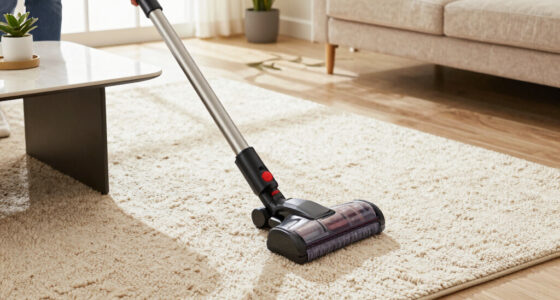
wet dry vacuum for water extraction
As an affiliate, we earn on qualifying purchases.
As an affiliate, we earn on qualifying purchases.
Extract water fast — don’t skip this step
Water removal is the most critical step. Use a wet/dry shop vacuum to extract gallons of water. Run multiple passes from different angles, especially near the edges and corners. Towel blotting helps too, but a vacuum is faster and more thorough.
For example, a 15-minute vacuum session can remove enough water to dramatically improve drying time and reduce mold risks. Standing water is the enemy — get it out first.
high velocity air mover for drying carpets
As an affiliate, we earn on qualifying purchases.
As an affiliate, we earn on qualifying purchases.
Carpet fibers dry quickly, but the foam padding underneath is like a sponge. If it’s soaked, it can hold moisture for days, fostering mold. To check, gently lift a corner of the carpet and peek underneath.
If the padding feels heavy or damp, it’s best to replace it. Elevate the carpet to air out and promote drying underneath.
Why does this matter? Because moisture trapped in padding not only prolongs drying time but also creates an ideal environment for mold growth. If you leave damp padding untreated, you risk persistent odors, health hazards, and the need for costly remediation down the line. Addressing soaked padding promptly is a tradeoff—replacing padding costs more upfront but saves you from bigger expenses later.
As an affiliate, we earn on qualifying purchases.
Airflow + dehumidification — your drying duo
Boost airflow with high-speed air movers aimed across the carpet. These aren’t your household box fans — think commercial-grade or rental-grade units. Simultaneously, run a dehumidifier with windows closed. Outdoors with higher humidity? Keep windows shut.
Expect surface drying in 24–72 hours, but subfloor drying takes longer. Use a moisture meter to confirm when the area is truly dry.
Why combine these methods? Because airflow alone can only remove surface moisture, while dehumidifiers actively pull moisture from the air and materials. This dual approach accelerates drying and reduces mold risk. Neglecting dehumidification can leave residual moisture, especially in humid environments, which can lead to mold growth even after the surface feels dry. Understanding this tradeoff helps you allocate time and resources effectively for complete drying.
industrial dehumidifier for water damage
As an affiliate, we earn on qualifying purchases.
As an affiliate, we earn on qualifying purchases.
When to call in the pros — don’t risk DIY on big jobs
If water sat more than 24–48 hours, covers more than 10 sq ft, or involves gray/black water, it’s time for experts. Also, if you smell mold or see persistent dampness, call professionals. They have industrial equipment and expertise to handle complex situations.
For example, a flooded basement with sewage backup requires professional removal and cleanup. Insurance often covers these emergency services if documented promptly.
Why is professional intervention crucial? Because some damage and contamination can’t be fully addressed with DIY methods. Attempting to do so may leave residual hazards or moisture, leading to mold growth or structural issues later. Recognizing these signs and acting promptly ensures your home’s safety and saves money in the long run.
Use the right tools and techniques for quick drying
Rent or buy high-velocity air movers and industrial dehumidifiers. Set them up properly — air movers should blow across the carpet, not directly into it. Keep doors and windows closed to maximize dehumidifier efficiency.
Replace or clean filters regularly. This boosts airflow and reduces dust or mold spores circulating in your home.
Proper setup is key because incorrect placement can slow drying or even cause damage. For example, pointing air movers directly into the carpet can cause uneven drying or damage fibers. Using the right tools and correct positioning ensures maximum efficiency, saving you time and reducing the risk of mold or further damage.
Monitor moisture levels — don’t rely on feel alone
A moisture meter (about $30–50) is your best friend here. Insert the pins into the carpet and padding — if the reading is above 12–15%, it’s still damp.
Feel dry isn’t dry. Use the meter to decide if you need more drying time or if it’s safe to re-lay furniture and walk on the carpet.
Why does this matter? Because relying on sensation alone can be misleading; materials can feel dry externally but still harbor moisture inside. Persistent moisture can lead to mold, unpleasant odors, and deterioration of the carpet and subfloor. Regularly measuring moisture levels allows you to make informed decisions, ensuring the area is truly dry and safe for normal use.
Know your limits — when to replace vs. dry
48 hours is the cutoff — after that, mold can start colonizing. If padding or subfloor remains damp beyond this window, replace affected materials. It’s cheaper than mold remediation later.
For example, a leak that soaked the padding for two days often can’t be saved without risks. Replacing the padding ensures your carpet stays clean and mold-free.
Understanding this tradeoff is vital. Trying to dry and salvage materials soaked beyond the optimal window increases the risk of hidden mold growth, which can compromise indoor air quality and lead to health issues. Making the decision to replace rather than dry is a proactive step that saves time, money, and health in the long run.
Frequently Asked Questions
How long does it take for a carpet to dry after a leak?
Typically, a carpet can dry within 24–72 hours with proper airflow and dehumidification. Subfloor drying might take longer—up to a week—especially if padding and wood are involved.
Can I save my carpet or do I have to replace it?
If water sat less than 24 hours and the padding isn’t soaked, you might save it. Beyond 48 hours, or if mold develops, replacement is usually the safest move to prevent health issues and odors.
How do I know if the padding underneath is wet?
Lift a corner of the carpet and touch the padding. If it feels heavy, damp, or smells musty, it’s wet. Using a moisture meter can confirm if it’s still damp beyond what you can see or feel.
Will my carpet grow mold if it stays wet?
Yes. Mold can start colonizing damp porous materials within 24–48 hours. Quick drying is essential to prevent mold from taking hold and spreading.
Is it enough to just open windows and use fans?
Open windows only helps if outdoor humidity is lower than indoor air. Use high-velocity air movers and a dehumidifier for faster, more thorough drying, especially in humid environments.
Conclusion
Fast action makes all the difference. Remember, moisture is the enemy — the sooner you remove it, the less risk of mold, odors, and costly repairs. A dry carpet isn’t just about comfort — it’s about protecting your home’s health and value. Act quickly, stay vigilant, and your carpet can often be saved — but don’t delay too long.Halloween Picks
halloween
As an affiliate, we earn on qualifying purchases.