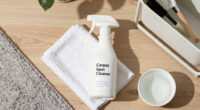
TL;DR

Get cleaning gear delivered free with Prime
- Fast, free delivery on millions of items
- Prime Video, Amazon Music and more included
- Member-only deals all year
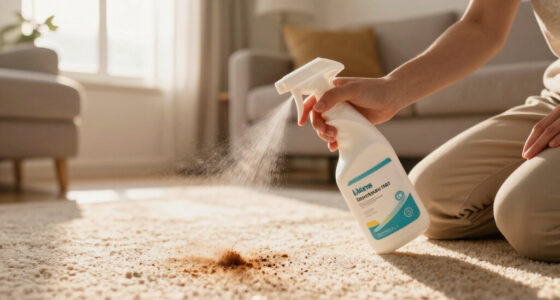
Spot cleaning your carpet quickly and correctly can prevent stains from setting and prolong your carpet’s life. Using the right solutions and techniques makes all the difference, especially for common stains like wine, pet urine, or coffee.
Spills happen. A glass of red wine, a rogue pet accident, or a splash of coffee—your carpet takes the hit. But here’s the secret: how you respond immediately can make or break the stain’s fate.
In this guide, you’ll learn exactly how to identify different stains, pick the right cleaning solutions, and use proper techniques to lift stains without damaging your carpet. Think of this as your quick-play playbook for home carpet care—saving you time, money, and frustration.
Act within 5 minutes of a spill for the best chance to remove the stain entirely.
Identify the stain type first—water, oil, or protein—to choose the right cleaning method.
Always blot, never rub, to lift stains without damaging fibers.
Test solutions on a hidden patch before applying widely to avoid discoloration.
Speed dry after cleaning to prevent mold and lingering odors.
How to Spot Clean Carpet the Right Way
Spills happen. Permanent stains do not have to. The winning formula is simple: act quickly, identify what landed, match the solution to the stain, blot gently, and dry completely.
Blot before the spill penetrates.
Never scrub or rub the fibers.
Water, oil, and protein.
Prevent mold, odor, and residue.
Match the stain to the solution
Cleaning chemistry matters. The wrong product may spread a stain, lock it deeper into the pile, discolor the carpet, or leave a sticky residue that attracts more dirt.
Coffee, juice, wine
These liquid stains usually respond to gentle, water-compatible treatments when handled before their pigments set.
Grease, makeup, lotion
Oil repels plain water. Over-wetting can spread the residue across a wider section of carpet.
Blood, urine, food
Organic material needs a cleaner that breaks protein molecules down instead of simply masking the stain or odor.
What to use—and what to avoid
Test every solution on a hidden patch first. Check for fading, dye transfer, texture change, or damage before treating a visible area.
| Stain | Family | Best first treatment | Avoid | Priority |
|---|---|---|---|---|
| Red wine | Water / dye | ✓Blot, then vinegar-water solution | ✗Scrubbing or hot water | ✓Immediate |
| Coffee | Water-based | ✓Mild detergent or vinegar mix | ✗Bleach and over-wetting | ✓Within 5 min |
| Pet urine | Protein-based | ✓Enzymatic carpet cleaner | ✗Steam before treatment | ✓Immediate |
| Grease | Oil-based | ✓Diluted dish soap or degreaser | ✗Plain water alone | ~Treat carefully |
| Blood | Protein-based | ✓Cold water and enzyme cleaner | ✗Hot water | ✓Immediate |
Six steps from spill to dry
Gentle repetition beats aggressive scrubbing. Work from the outside edge toward the center so the spot becomes smaller—not wider.
Blot now
Use a clean white cloth to absorb excess liquid.
Identify
Classify the stain as water, oil, or protein.
Patch test
Test the chosen cleaner in a hidden area.
Apply
Mist or dab lightly without soaking the backing.
Wait + blot
Allow 5–10 minutes, then blot inward.
Rinse + dry
Use minimal plain water and speed-dry fully.
Press the cloth firmly into the spot, lift it away, rotate to a clean section, and repeat. Never grind the stain into the pile.
Every minute changes the outcome
Fresh liquid is easier to transfer into a cloth. As moisture evaporates, pigments and organic compounds become more concentrated and bond more tightly with fibers.
Relative removal opportunity
The 80%+ figure reflects the reported chance of removal when action begins within five minutes. Later bars visualize the declining opportunity as a stain starts to set.
Four stain-making mistakes
Spreads pigment and frays the carpet pile.
Risks backing damage, mold, and lingering odor.
Can permanently lighten and weaken fibers.
Turns a small spot into visible discoloration.
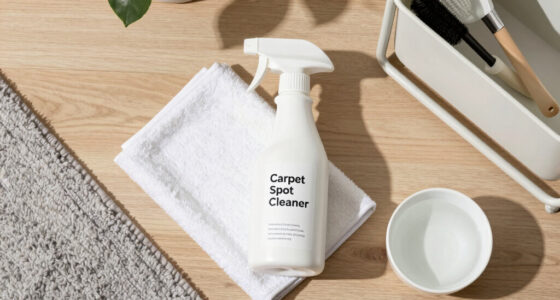
Keep these tools within reach
A ready-made kit removes the delay between spill and treatment. Store supplies together and replenish clean cloths after every use.
White cloths
Reveal dye transfer and prevent color bleeding.
Spray bottle
Applies a controlled mist without flooding.
White vinegar
Useful for many water-based household spots.
Enzyme cleaner
Targets protein stains and organic odors.
Small fan
Speeds drying and reduces moisture risk.
Common spot-cleaning questions
When a stain remains after two gentle treatment cycles—or the carpet is delicate, antique, wool, silk, or heavily saturated—stop and consult a professional.
How should I treat a fresh wine spill?
Blot immediately, apply a tested vinegar-water solution, wait up to ten minutes, and blot again from the outside inward. Repeat gently and dry fully.
Are vinegar and baking soda safe?
They are useful for many carpets, but not universally safe. Always check the manufacturer’s guidance and test a hidden section for colorfastness first.
What if a pet stain still smells?
Use an enzymatic cleaner that reaches the same depth as the contamination. Masking fragrance will not break down the proteins causing the odor.
When should I call a professional?
Get help for large saturated areas, unknown chemicals, persistent stains, recurring odors, delicate fibers, or any spot that changes the carpet’s color or texture.
Why Acting Fast Matters More Than You Think
When a spill occurs, time is your enemy or your friend. The quicker you respond, the easier it is to lift the stain. For example, a fresh red wine spill can often be removed completely if you blot it within the first 5 minutes.
Research shows that stains start to set after just 15 minutes, making removal much harder. Rubbing instead of blotting spreads the stain and pushes it deeper into fibers, turning a quick fix into a stubborn mess.
Understanding why prompt action is crucial lies in the chemistry of stains. Many liquids, especially pigmented or protein-based ones, penetrate fibers quickly. The longer they sit, the more they bond with the carpet material, making them resistant to removal. This is why immediate blotting not only prevents the stain from setting but also reduces the need for harsh chemicals or professional cleaning later. It’s a tradeoff—quick response saves time and preserves your carpet’s appearance, while delays can lead to permanent discoloration and more costly repairs.
As an affiliate, we earn on qualifying purchases.
Identify the Stain Type to Pick the Right Solution
Not all stains are created equal. Oil-based stains like makeup or grease need solvent-based cleaners, while water-based stains like juice or coffee respond well to mild detergents. Protein stains like blood or pet urine require enzymatic cleaners that break down proteins.
Recognizing the stain type is essential because using the wrong cleaner can worsen the problem. For instance, applying water to an oily stain can cause it to spread or set deeper, while using a solvent on a protein stain may not effectively break down the organic material. Knowing the nature of the stain helps you choose a targeted approach, minimizing damage and increasing the chance of complete removal. This tailored method reduces the need for repeated treatments, saving time and effort while protecting your carpet’s fibers and color integrity.
As an affiliate, we earn on qualifying purchases.
Use the Right Cleaning Solution — No Guesswork Needed
Choose solutions that match your stain type. For most water-based stains, a mix of 1 part white vinegar to 2 parts water works wonders. For oily stains, a small amount of dish soap combined with warm water does the trick.
Here’s a quick comparison:
| Stain Type | Recommended Solution |
|---|---|
| Water-based (coffee, juice) | Vinegar-water mix or mild detergent |
| Oil-based (grease, makeup) | Dish soap solution or commercial degreaser |
| Protein (blood, pet urine) | Enzymatic cleaner |
Using the correct solution is critical because it directly affects the stain’s breakdown. An incompatible cleaner might not only fail to remove the stain but could also damage the carpet fibers or cause discoloration. Testing solutions on a hidden area first is a vital step, as it helps you observe any adverse reactions before applying the treatment to the visible area. This precaution ensures that your cleaning method is both effective and safe, preserving your carpet’s appearance and longevity.
As an affiliate, we earn on qualifying purchases.
Step-by-Step: How to Spot Clean Like a Pro
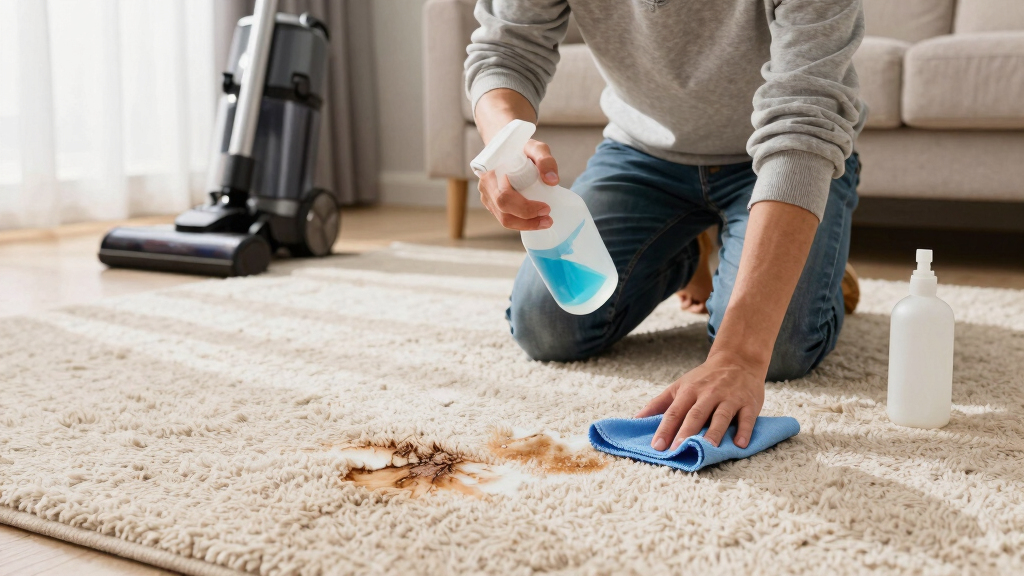
- Blot the stain immediately with a clean, white cloth or paper towel. Don’t rub—press gently to absorb as much liquid as possible.
- Apply your chosen cleaning solution directly onto the stain. Use a spray bottle or sponge, depending on the stain size.
- Let it sit for 5-10 minutes to break down the stain. This waiting period allows the solution to penetrate fibers and loosen the stain, which is crucial for effective removal. Rushing this step can mean incomplete stain lifting, requiring repeat treatments or risking fiber damage from aggressive scrubbing.
- Blot again with a clean cloth, working from the outside toward the center to prevent spreading. This technique minimizes the risk of spreading the stain and helps lift it more thoroughly.
- Rinse with a little plain water if needed, then blot dry.
- Use a fan or open window to speed drying. Ensure the area is completely dry to prevent mold or odors.
For example, after spilling red wine, quickly blot, spray with a vinegar solution, wait, then blot again. Repeat if necessary. Patience during each step ensures the stain is lifted without damaging the fibers or leaving residues that attract dirt later.
As an affiliate, we earn on qualifying purchases.
Avoid Common Mistakes That Worsen Spots
Rubbing stains always makes things worse. It pushes the stain deeper and frays fibers, making it harder to remove later. Excessive wetting invites mold, especially in poorly ventilated areas, leading to potential health issues and unpleasant odors. Using harsh chemicals like bleach can discolor your carpet permanently, destroy fibers, and compromise its structural integrity.
For example, a homeowner trying to bleach out a coffee stain might end up with a lighter, uneven patch that draws more attention. Instead, gentle blotting combined with appropriate solutions preserves the carpet’s color and texture, ultimately making cleaning easier and more effective.
Remember: patience and gentle handling save you trouble in the long run. Rushing or using aggressive methods can cause irreversible damage, resulting in higher repair costs and a shorter lifespan for your carpet.
Tools and Products That Make Spot Cleaning Easier
Having the right tools can turn a chore into a quick fix. Basic supplies include a clean microfiber cloth, spray bottles, and a small brush. For tougher stains, a handheld steam cleaner or stain removal brush helps lift residues without damaging fibers.
Eco-friendly options like baking soda and white vinegar are safe and effective. Use baking soda to deodorize and absorb moisture, then vacuum it up after a few hours. These natural solutions not only reduce chemical exposure but also minimize the risk of damaging your carpet over time, making them ideal for regular maintenance.
Pro tip: keep a small kit handy in your cleaning closet for quick access to spot stains before they set. Having the right tools ready means you can respond instantly, reducing the chances of permanent staining and extending your carpet’s lifespan.
Frequently Asked Questions
How can I remove red wine from my carpet?
Blot immediately with a clean cloth, then spray with a mixture of equal parts white vinegar and water. Let it sit for 10 minutes, then blot again. Repeat if needed, and dry thoroughly. Act fast for best results.
Is it safe to use vinegar and baking soda for stain removal?
Yes, these are safe, natural options that work well for many common stains. Always test on a small, hidden area first to check for colorfastness. They’re eco-friendly and gentle on fibers.
How do I prevent stains from setting in?
Respond quickly. Blot, don’t rub. Use the appropriate solution for the stain type. The faster you act, the less chance it has to soak in and become permanent.
What’s the best way to handle stubborn stains that won’t come out?
If repeated home treatments fail, consider calling a professional. Sometimes, deep cleaning or specialized solutions are needed to fully lift tough stains.
Can I use commercial stain removers around kids and pets?
Many are safe when used as directed. Look for products labeled non-toxic and eco-friendly. Always ventilate the area and keep children and pets away until the area dries.
Conclusion
Spot cleaning is less about magic and more about knowing what to do and when. Your carpet can look fresh and vibrant longer if you act fast and follow proven steps.
Next time a spill happens, picture yourself as a stain-fighting hero. With these tips, you’ll handle messes confidently—saving time, money, and your favorite rug’s life.
Columbus Day / Indigenous Peoples' Day Picks
long weekend sales
As an affiliate, we earn on qualifying purchases.