TL;DR

Get cleaning gear delivered free — and shop member deals
- Fast, free delivery on millions of items
- Access to Prime Big Deal Days deals on October 6–7
- Prime Video, Amazon Music and more included
Many conventional carpet cleaning chemicals contain VOCs, ammonia, and synthetic fragrances, which can pose health risks. Eco-friendly options often work just as well for routine cleaning and are better for your home and the environment. Knowing what ingredients to avoid and how to select safer products helps keep your indoor air clean and your family safe.
Carpet cleaning chemicals aren’t all created equal. Some contain harsh ingredients that can linger in your home, affecting your family’s health. Others are formulated to be safer and kinder to the environment. But how do you tell the difference?
In this guide, you’ll learn what chemicals are commonly used in carpets, why they matter, and how to pick cleaning products that work without risking your health or the planet. Let’s cut through the hype and get real about what’s in those bottles.
Read ingredient labels carefully — avoid VOCs, ammonia, and synthetic fragrances.
Eco-friendly cleaners with certifications like Green Seal are safe and often just as effective for regular cleaning.
Proper ventilation during and after cleaning reduces chemical exposure.
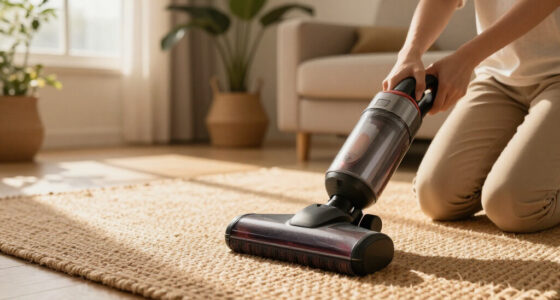
Vacuum thoroughly before cleaning to minimize chemical use and improve results.
For heavy stains or deep cleaning, professional services with green-certified products are often the best choice.
The Truth About Carpet Cleaning Chemicals
Many conventional carpet cleaners contain VOCs, ammonia, bleach, and synthetic fragrances that can linger in fibers and off-gas into indoor air. Safer products can clean well for routine use, especially when paired with good ventilation, careful labels, and smart prep.
Clean carpets should not come at the cost of clean indoor air.
Ingredient transparency, green certifications, and ventilation are the practical difference between “fresh-smelling” and genuinely healthier.The bottle usually does more than lift dirt.
Carpet cleaning formulas commonly combine surfactants, solvents, odor maskers, and stain agents. The concern is not that every chemical is harmful; it is that harsher ingredients can remain in carpet fibers, contribute to indoor air pollution, or trigger irritation in sensitive households.
Surfactants & Solvents
These loosen soil, oils, and grime. They are useful, but poor rinsing can leave residues that attract more dirt or bother sensitive skin.
VOCs, Ammonia & Bleach
These can increase respiratory irritation, headaches, allergic reactions, and indoor air concerns, especially with frequent use.
Enzymes & Biodegradables
Plant-based enzymes and biodegradable surfactants can handle everyday cleaning with fewer harsh residues and lower environmental burden.
Safety, performance, and patience live on the same label.
Eco-friendly cleaners are often strong enough for routine cleaning and odor control. Heavy stains, pet accidents, or high-traffic carpets may still need longer dwell time, repeat treatment, or a professional service using green-certified products.
| Option | Typical Ingredients | Routine Cleaning | Heavy Stains | Indoor Air Impact | Best Use |
|---|---|---|---|---|---|
| Conventional Cleaner | Solvents, surfactants, VOCs, fragrance | ✓ Strong | ✓ Often strong | ✗ Higher risk | Spot use when safer options fail |
| Eco-Certified Cleaner | Biodegradable surfactants, enzymes | ✓ Strong | ~ May need time | ✓ Lower risk | Routine home cleaning |
| Homemade Solution | Vinegar, baking soda, mild soap | ~ Light duty | ✗ Limited | ✓ Lower risk | Odor control and light spots |
| Green Professional Service | Certified products, extraction systems | ✓ Strong | ✓ Best option | ✓ Lower with ventilation | Deep cleaning and pet odors |
How a “fresh” carpet can affect indoor air.
Risk builds when a product releases vapors, leaves residue, and is used in a room without enough airflow. Children and pets are more exposed because they spend more time close to carpet surfaces.
Apply
Chemicals enter carpet fibers during spot cleaning or extraction.
Residue
Incomplete rinsing can leave compounds and fragrance behind.
Off-Gas
VOCs can move from carpet into the room’s air after cleaning.
Contact
Skin contact and inhalation increase exposure for kids and pets.
Reduce
Ventilation, safer labels, and extraction lower the exposure load.
The biggest risks
VOCs, ammonia, bleach, phthalates, formaldehyde, and synthetic fragrances are the ingredients most worth avoiding when indoor air quality matters.
Label scan checklist
Before using a product, check the label like a safety dashboard.
The safer routine is a sequence, not a single purchase.
The best results come from combining prevention, lower-toxicity products, correct use, and extraction. This reduces the amount of cleaner needed while improving stain removal and air quality.
Quick answers for safer carpet cleaning decisions.
There is no single perfect cleaner for every home, stain, and carpet fiber. The goal is to match the least risky product to the job while keeping airflow and residue control in the plan.
Are natural solutions enough for tough stains?
Vinegar, baking soda, and mild solutions work well for light cleaning and odor control. Heavy stains often need a commercial eco-friendly cleaner or professional extraction.
How do I know a product is truly safer?
Look for Green Seal or EPA Safer Choice, read the ingredient list, and avoid VOCs, ammonia, bleach, phthalates, and undisclosed synthetic fragrance.
Should I hire a professional?
DIY is fine for routine cleaning. For deep stains, pet odors, or heavily trafficked rooms, ask for green-certified products and strong extraction equipment.
What protects indoor air the most?
Use safer products, open windows, run fans, avoid over-application, rinse or extract thoroughly, and keep people and pets away until the carpet is dry.
Clean should mean visibly clean and chemically smarter.
Choosing safe, effective carpet cleaning is not about sacrificing cleanliness. It is about understanding what is in the cleaner, using the right amount, and protecting the air your household breathes.
Choose better bottles.
Prioritize certified eco-friendly formulas, fragrance transparency, biodegradable ingredients, and products designed for the specific stain or carpet type.
Clean with the room in mind.
Vacuum before cleaning, ventilate during and after, avoid overuse, and call a green professional when stubborn stains require deeper extraction.
What’s really inside carpet cleaning chemicals? Here’s what you need to know
Carpet cleaning chemicals include a range of ingredients, from surfactants that lift dirt to fragrances that mask odors. The most common are surfactants, solvents, and fragrances, but some contain VOCs, ammonia, or bleach—ingredients that can cause irritation or allergies.
For example, a typical commercial cleaner might contain ammonia to remove stains or synthetic fragrances to make your home smell fresh. While effective, these chemicals can linger in your carpet fibers and off-gas into your indoor air.
Eco-friendly options often use plant-based enzymes or biodegradable compounds. These are gentler but can sometimes be less potent on stubborn stains. Understanding what’s in your cleaner helps you weigh safety versus cleaning power.
Choosing products without harsh chemicals reduces the risk of respiratory irritation, allergic reactions, and long-term health effects. It also means fewer volatile compounds lingering in your indoor environment, which is especially important for households with children or pets. However, eco-friendly options might require more patience or multiple treatments for tough stains, highlighting a tradeoff between safety and convenience.
eco-friendly carpet cleaning products
As an affiliate, we earn on qualifying purchases.
As an affiliate, we earn on qualifying purchases.
Are these chemicals harming your family’s health? Here’s what the science says
Many carpet cleaning chemicals pose health risks, especially with frequent use. VOCs, which are common in conventional cleaners, can off-gas and cause respiratory issues, headaches, or allergic reactions. Children and pets are particularly vulnerable because their developing systems and smaller size make them more susceptible to chemical exposure.
Research shows that exposure to some chemicals in indoor air can contribute to long-term health problems, including asthma, hormonal disruption, and even increased cancer risk. For example, a study found that homes with frequent chemical cleaning exhibited higher VOC levels than outdoor air limits, which correlates with increased respiratory symptoms among residents.
Proper ventilation during and after cleaning can help reduce these risks, but it’s not always enough. Choosing products free of harmful chemicals significantly lowers the potential for adverse health effects, especially over the long term. Going green isn’t just trendy — it’s about proactively reducing chemical exposure that can accumulate over time, leading to chronic health issues. The tradeoff often involves a slight increase in cleaning time or effort but offers peace of mind and better health outcomes for your family.
green seal certified carpet cleaners
As an affiliate, we earn on qualifying purchases.
As an affiliate, we earn on qualifying purchases.
How do eco-friendly carpet cleaners stack up? Are they really safer?
Eco-friendly carpet cleaners are formulated with natural ingredients like enzymes, essential oils, and biodegradable surfactants. They aim to do the same job without harmful chemicals. Many are just as effective for light to moderate stains, but their safety profile makes them preferable for households with children or pets.
For example, a plant-based enzyme cleaner can break down pet stains and odors without leaving toxic residues, reducing the risk of chemical exposure. However, for tough stains or deep cleaning, some eco-products might need longer treatment times or multiple applications, which could be inconvenient but still safer overall.
Look for certifications like Green Seal or EPA Safer Choice to verify safety claims. Remember, a product’s safety is maximized when used correctly—following instructions, ensuring good ventilation, and avoiding overuse. While eco-friendly cleaners often have fewer chemical ingredients, their effectiveness can vary depending on stain severity and carpet type, so understanding their limitations helps you make better choices.
VOC free carpet cleaning solutions
As an affiliate, we earn on qualifying purchases.
As an affiliate, we earn on qualifying purchases.
Frequently Asked Questions
Are natural or homemade cleaning solutions enough for tough stains?
Natural solutions like vinegar, baking soda, and essential oils work well for light cleaning and odor control. For heavy stains or deep dirt, they may not be enough. In those cases, a commercial eco-friendly cleaner or professional service often provides better results.
How can I tell if a carpet cleaning product is truly safe?
Look for labels with certifications like Green Seal or EPA Safer Choice. Read ingredient lists for natural ingredients, and avoid products with VOCs, ammonia, bleach, or synthetic fragrances. Transparency is key to making safer choices.
Is it better to hire professionals or do it myself with natural products?
For routine cleaning, DIY natural solutions are effective and safe. But for deep stains, pet odors, or heavily trafficked carpets, professional cleaning with eco-friendly equipment delivers better results while still prioritizing safety.
What are the biggest chemical risks in carpet cleaning?
VOCs, ammonia, bleach, and synthetic fragrances pose the most health risks. They can cause respiratory irritation, allergies, and long-term health issues. Choosing products free of these chemicals helps protect your indoor air quality.
As an affiliate, we earn on qualifying purchases.
Conclusion
Choosing safe, effective carpet cleaning isn’t about sacrificing cleanliness. It’s about being informed and making smarter choices for your home’s health. When you understand what’s in your cleaner, you can protect your family and the environment — one stain at a time.
Next time you clean, remember: safer products and proper ventilation keep your home healthier. Because a clean carpet shouldn’t come at the cost of your well-being.
Fall Picks
fall essentials
As an affiliate, we earn on qualifying purchases.