
TL;DR

Get cleaning gear delivered free — and shop member deals
- Fast, free delivery on millions of items
- Access to Prime Big Deal Days deals on October 6–7
- Prime Video, Amazon Music and more included
Carpet cleaning symbols are standardized icons that guide safe cleaning methods. Correct interpretation helps avoid damage, extends carpet lifespan, and ensures proper maintenance.
Ever looked at a care label on your carpet or rug and felt completely lost? You’re not alone. Despite their small size, these symbols pack a lot of info—if you know what they mean. Misreading them can lead to damage or ineffective cleaning, wasting time and money.
In this guide, you’ll learn how to decode those symbols, what they really mean, and how to use that knowledge to keep your carpets looking fresh for years. No jargon, just practical tips you can use today.
Always read and interpret your carpet’s care label symbols carefully before cleaning.
A quick understanding of symbols can prevent damage and extend the lifespan of your carpet.
Modern labels now include QR codes and eco-friendly icons—stay updated on new symbols.
When symbols are unclear, contact the manufacturer or hire professionals for advice.
Following proper cleaning guidelines can save you money and protect your investment.
What Those Carpet Cleaning Symbols Actually Mean
TL;DR: Carpet cleaning symbols are standardized icons that tell you how to wash, dry, bleach, iron, or professionally clean a rug without damaging it. Reading them correctly protects fibers, preserves color, and helps your carpet last longer.
Small symbols carry big maintenance decisions.
Key insight: proper care can dramatically extend carpet lifeCheck the care label before water, heat, bleach, or solvents touch the fibers.
Contact the manufacturer or use a professional cleaner for unclear labels.
Care icons are designed for cross-language recognition.
High temperatures can shrink, fade, or weaken fibers.
Ignoring label instructions can compromise coverage.
Modern tags may link to videos and specific care steps.
The Five Symbol Families
Most carpet and rug care tags use a compact visual language. Decode the shape first, then read the number, letter, dots, or cross-out mark for the actual limit.
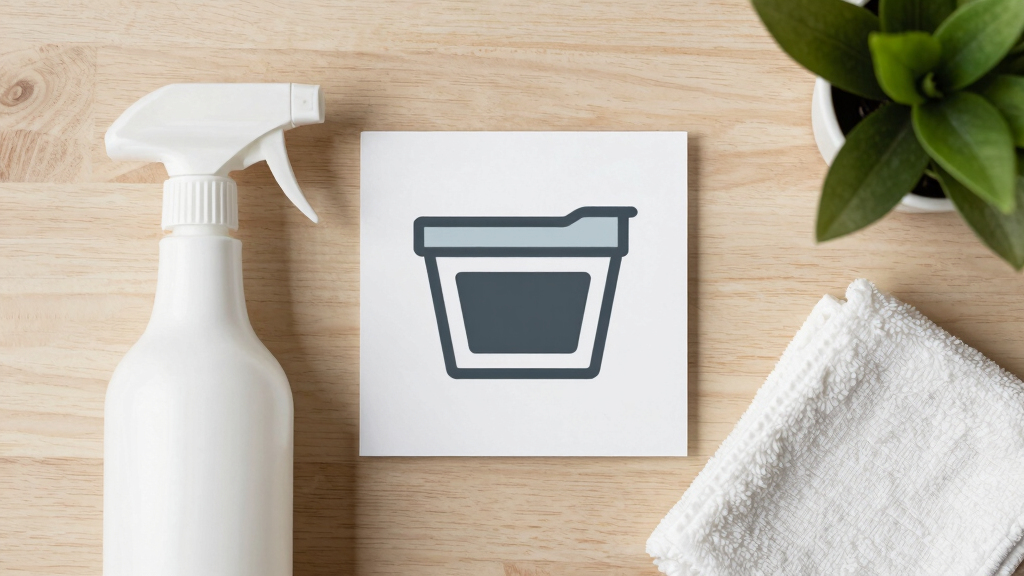
Tub + number
Wash at or below the temperature shown in Celsius. Exceeding it can cause shrinking, color bleeding, or fiber damage.
Circle + letter
P usually means solvent-based professional cleaning. F points to gentler hydrocarbon solvents, still best handled carefully.
Triangle
A plain triangle allows bleach. A crossed triangle means no bleach, especially important for wool, cotton, and dyed fibers.
Square + circle
This indicates tumble-dry guidance. A crossed-out version means avoid tumble drying to prevent warping or brittle fibers.
Iron + dots
Dots show temperature: one is low, three is high. Too much heat can melt synthetics or scorch natural fibers.
Cross-out mark
A cross-out cancels that method. Treat it as a hard stop unless the manufacturer gives updated instructions.
What Damage Looks Like
Most label mistakes do not look dramatic at first. They quietly weaken fibers, dull color, flatten texture, or shorten the usable life of the carpet.
Care symbols are a damage-prevention system.
A no-bleach triangle, low-temperature wash, or solvent-only circle is not decorative fine print. It is the shortest route to preserving softness, shape, color, and warranty protection.
Common Symbols, Plain English
Use this quick comparison before choosing a home wash, spot treatment, steam clean, or professional service.
| Symbol cue | Means | Safe action | Watch out for |
|---|---|---|---|
| Tub with “30” or “40” | Wash at or below that temperature. | ✓ Use gentle wash settings and cool-to-warm water. | Heat shrinkage, dye bleed, fiber distortion. |
| Circle with P | Professional solvent cleaning permitted. | ✓ Use a cleaner familiar with the material. | Natural fibers can react poorly if treated incorrectly. |
| Circle with F | Hydrocarbon solvent cleaning permitted. | ~ Gentler, but still professional-grade care. | Do not substitute household chemicals. |
| Crossed triangle | No bleaching. | ✗ Avoid chlorine and oxygen bleach unless approved. | Discoloration, weakened pile, patchy fading. |
| Crossed tumble dry | No tumble drying. | ✓ Air-dry flat with good ventilation. | Warped backing, frayed edges, brittle fibers. |
| Iron with dots | Iron only within the temperature range. | ~ Use low heat only when the label allows it. | Melted synthetics or scorched wool and cotton. |
Decode Before You Clean
A practical sequence for turning a tiny label into a safe maintenance decision.
Find the tag
Check the underside, edge seam, attached label, or product documentation.
Read shape first
Tub, circle, triangle, square, and iron each point to a care category.
Check limits
Numbers, dots, letters, and cross-outs tell you the safe boundary.
Match material
Wool, silk, cotton, and synthetic rugs may need different caution levels.
Clean gently
When labels are unclear, choose manufacturer guidance or professional advice.
Newer Labels Are Getting Smarter
Care labels are evolving beyond static icons, especially as brands add digital support and lower-impact cleaning guidance.
QR care guides
Some labels now link to exact instructions, cleaning videos, and material-specific steps for the rug you own.
Eco indicators
Emerging marks may identify low-water, low-chemical, or reduced-impact cleaning methods.
Smart labels
Future-facing tags may communicate care data to cleaning devices for more tailored settings.
Fast Answers
The questions people usually have after staring at a care label for more than ten seconds.
Can I wash it at home?
Yes, if the tub symbol allows it. Follow the temperature shown and consider the fiber type before using water.
What if the symbols are missing?
Check manufacturer instructions, use gentle vacuuming, or consult a professional cleaner before wet cleaning.
Can I steam clean it?
Look for professional cleaning guidance. If the carpet is delicate or unlabeled, ask before applying heat and moisture.
Can I iron my carpet?
Only if an iron symbol appears and only within the dot-rated temperature. Most carpets should not be ironed.
What Do Carpet Cleaning Symbols Really Mean? Here’s the Quick Breakdown
Carpet care labels use simple icons designed to be universal. A washing tub indicates if you can wash the carpet at home, with a number showing the max temperature. Circles with letters specify professional cleaning methods—like P for solvent-based cleaning. Triangles tell you about bleaching, squares with circles about drying, and irons show if you can iron the carpet.
For example, a carpet with a symbol showing a tub with “40” means you can wash it in warm water up to 40°C. An icon with a circle and “F” means it’s safe for hydrocarbon solvent cleaning—perfect for dry cleaning at a professional.
As an affiliate, we earn on qualifying purchases.
Decoding the Symbols: A Simple Guide to Care Labels
Here’s a quick guide to the most common symbols you’ll see:
- Washing tub with a number: Wash at or below that temperature (°C). This is crucial because exceeding the recommended temperature can cause shrinking, color bleeding, or fiber damage. For delicate fibers like wool or silk, even a low temperature can be risky, so always follow the specific symbol guidelines.
- Circle with P or F: Professional cleaning permitted. P indicates solvent-based cleaning, which might involve chemicals that can damage natural fibers if not done properly. F suggests hydrocarbon solvents, generally gentler but still requiring caution. Ignoring these can lead to irreversible damage or fading.
- Triangle: Bleaching allowed. A crossed-out triangle indicates no bleach—important because bleach can weaken fibers and cause discoloration, especially in natural fibers like wool or cotton. Using bleach when not recommended can ruin the appearance and texture of your carpet.
- Square with a circle: Drying instructions—circle shows tumble dry; crossed out means no tumble drying. Proper drying prevents shrinkage, warping, or fiber degradation. Overly aggressive drying methods can cause fibers to become brittle or frayed, shortening the carpet’s lifespan.
- Iron: Ironing allowed, with dots indicating temperature (one dot = low, three dots = high). Misusing the iron—like setting it too hot—can melt synthetic fibers or scorch natural ones. Understanding these symbols helps you avoid accidental damage when trying to smooth out wrinkles.
Imagine a plush, shaggy rug with a tag showing a tub with “30”, a circle with a P, and a crossed triangle. That rug can be washed in cold water, cleaned professionally with solvent, but shouldn’t be bleached. Recognizing these details helps you make informed choices that preserve your rug’s integrity and appearance.
professional carpet cleaning tools
As an affiliate, we earn on qualifying purchases.
As an affiliate, we earn on qualifying purchases.
Why Reading Symbols Correctly Saves Your Carpet (And Your Wallet)
Misinterpreting symbols can lead to costly damage that might not be immediately obvious. For instance, washing a delicate wool rug at high heat or using bleach on a natural fiber can cause irreversible damage, such as discoloration, fiber weakening, or shrinking. These mistakes often result in expensive repairs or replacements. Properly understanding and following the symbols acts as a safeguard—guiding you toward safe cleaning methods that extend your carpet’s useful life.
For example, a carpet labeled with a symbol showing a no-bleach triangle and a low-temperature wash indicates gentle care. Ignoring this advice and using bleach or washing at high temperatures can cause fading, fiber deterioration, or loss of softness—reducing the carpet’s lifespan significantly. By respecting these symbols, you prevent avoidable damage, saving money and maintaining the carpet’s original look and feel for years.
eco-friendly carpet cleaning products
As an affiliate, we earn on qualifying purchases.
As an affiliate, we earn on qualifying purchases.
Recent Changes in Carpet Labeling: What You Should Know
Labels are evolving. Now, some brands include QR codes linking to detailed care instructions, making it easier to find specific info. Eco-friendly symbols are also emerging—showing if a cleaning method uses less water or fewer chemicals. These updates aim to make care simpler and greener.
For example, scanning a QR code might reveal a step-by-step video of how to clean your specific carpet type without damage. Meanwhile, new symbols might indicate ‘low-impact’ cleaning options, helping eco-conscious consumers make smarter choices. Understanding these new indicators ensures you can adapt your cleaning practices to align with modern, sustainable standards, ultimately protecting your investment and the environment.
As an affiliate, we earn on qualifying purchases.
Key Facts About Carpet Care Symbols You Need to Know
Knowing these facts can prevent mishaps:
- Following symbols correctly can double your carpet’s lifespan, according to industry research. This is because proper cleaning preserves fibers, colors, and structural integrity, reducing wear and tear over time.
- Ignoring symbols risks voiding warranties or causing irreversible damage—like severe color fading or fiber breakdown—that could lead to costly replacements.
- Some carpets lack labels—when in doubt, always follow manufacturer instructions or hire professional cleaners familiar with your carpet material. Not all carpets are created equal, and their care needs vary.
- Symbols are designed to be simple but can be nuanced depending on the material—always check for specific advice for your carpet type. For example, a synthetic rug might tolerate different cleaning methods than a natural fiber rug, so understanding these distinctions is key to proper maintenance.
Your Most Common Questions About Carpet Symbols Answered
Q: What do the symbols on my carpet’s care label really mean? They show if and how you can wash, dry, bleach, or professionally clean your carpet. Understanding them prevents damage and prolongs life.
Q: Can I wash my carpet at home if the symbol shows a washing tub? Yes, but only at the temperature indicated and with appropriate cleaning methods. Always verify the material—delicate fibers require more cautious handling.
Q: What if the symbols are unclear or missing? Check the manufacturer’s instructions or consult a professional cleaner. When in doubt, opt for dry cleaning or gentle vacuuming—these are safer options for most fibers.
Q: Are there eco-friendly cleaning options indicated by symbols? Some newer labels include symbols for environmentally friendly methods, like low-chemical or water-saving options. Recognizing these helps you choose greener cleaning practices.
Q: How do I know if my carpet can be steam cleaned? Look for symbols indicating professional cleaning methods—like dry cleaning or specific solvent use. When unsure, consult a professional to avoid damaging sensitive fibers.
Q: Can I iron my carpet? Only if the iron symbol appears, and within the specified temperature range. Usually, ironing isn’t recommended for most carpets, especially synthetic ones, as it can melt or scorch fibers.
Conclusion
Knowing what those symbols mean isn’t just about following rules—it’s about protecting your home’s biggest investments. A simple glance can save you from costly mistakes and keep your carpets looking fresh for years.
Next time you see a care label, read it as if your carpet’s health depends on it—because it does. Clear symbols mean happy, long-lasting carpets. Keep that in mind the next time you clean.
Evergreen bestsellers Picks
bestsellers
As an affiliate, we earn on qualifying purchases.