TL;DR

Get cleaning gear delivered free — and shop member deals
- Fast, free delivery on millions of items
- Access to Prime Big Deal Days deals on October 6–7
- Prime Video, Amazon Music and more included
Cleaning bamboo floors safely means using gentle, pH-neutral cleaners, avoiding excess water and harsh chemicals. Regular maintenance extends their life and keeps them looking fresh. Protect your investment with these practical tips.
Bamboo floors are a gorgeous, sustainable choice, but they demand care that respects their delicate finish. Think of cleaning like giving your floor a gentle spa treatment—too harsh, and you risk warping or scratching it. You want to keep that smooth, natural look without turning your home into a chemical lab.
In this guide, you’ll learn exactly how to sweep, mop, and protect your bamboo flooring—without guesswork or accidental damage. Whether you’ve got strand-woven durability or a traditional finish, these tips help you keep your floors looking pristine for years.
Always sweep or dust mop daily to prevent grit from scratching the surface.
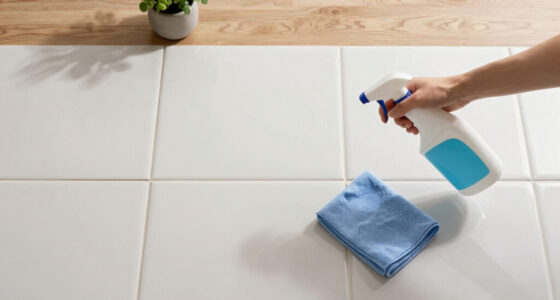
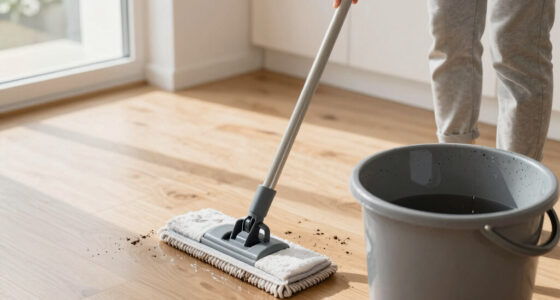
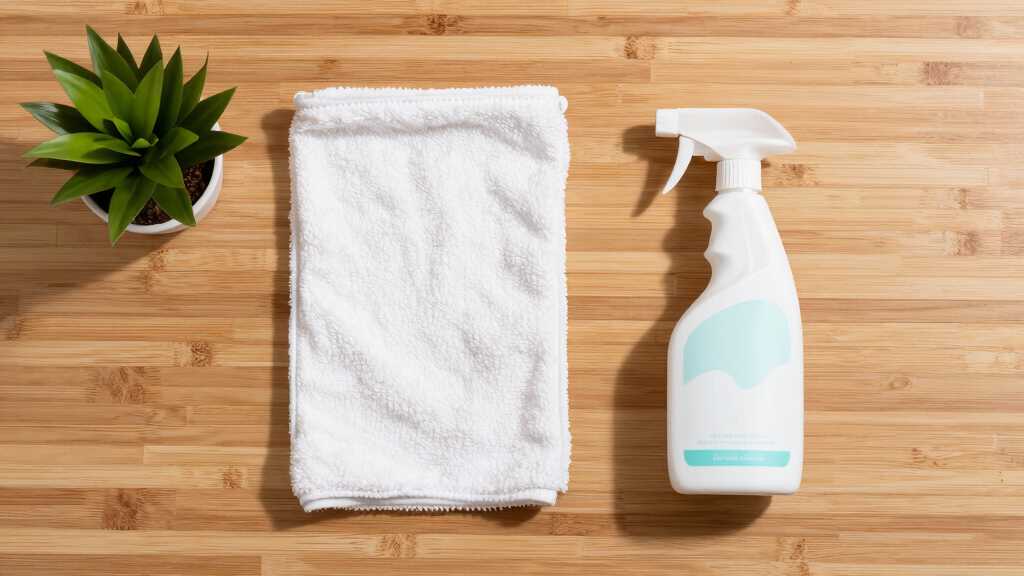
Use a damp, well-wrung microfiber mop with a pH-neutral cleaner for weekly cleaning.
Avoid excess water and harsh chemicals like bleach or ammonia.
Protect your floors with furniture pads and rugs to prevent scratches and moisture damage.
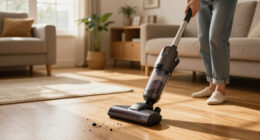
Steer clear of steam cleaners—they can warp bamboo fibers.
What’s the best way to sweep or dust my bamboo floors daily?
Start with a soft-bristled broom or a microfiber dust mop. These tools trap dirt and prevent scratches—think of it like brushing off crumbs before they get ground in. Regular sweeping keeps grit from becoming tiny sandpaper, which is especially damaging on delicate finishes.
Imagine a scenario: You come home after a busy day, shoes covered in gravel. A quick sweep removes the grit before it grinds into your floor’s surface. This simple step saves you from costly repairs later.
As an affiliate, we earn on qualifying purchases.
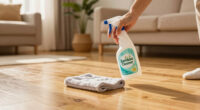
How to clean bamboo floors with the right damp mop — step-by-step
- Choose a microfiber mop or soft cloth mop designed for floors.
- Lightly dampen it with water—no soaking. Wring out excess water until just damp.
- Use gentle strokes to clean the surface, following the grain if possible.
- Dry the floor immediately with a soft cloth if needed to prevent streaks or water spots.
This method avoids the swelling or warping that excess water causes. Think of it like wiping down a favorite piece of furniture—light touch, and don’t drench it.
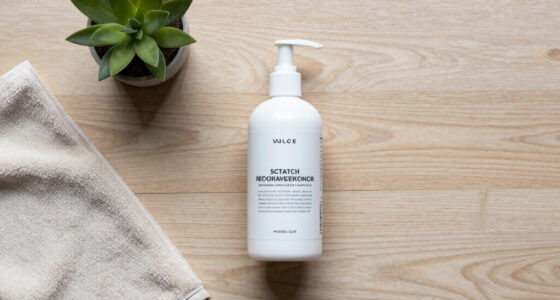
pH-neutral floor cleaner for bamboo
As an affiliate, we earn on qualifying purchases.
As an affiliate, we earn on qualifying purchases.
Comparison: Natural cleaners vs. chemical cleaners for bamboo floors
| Feature | Natural Cleaners | Chemical Cleaners |
|---|---|---|
| Ingredients | Vinegar, lemon juice, water-based solutions | Ammonia, bleach, solvent-based |
| Safety | Gentle, eco-friendly, low VOC | Potentially harsh, fumes, residue |
| Effectiveness | Good for daily cleaning, mild stains | Better for tough grime, but risk damaging finish |
| Damage risk | Low, if used properly | Higher, especially with overuse or misapplication |
furniture pads for hardwood floors
As an affiliate, we earn on qualifying purchases.
As an affiliate, we earn on qualifying purchases.
What common mistakes can ruin bamboo floors, and how to avoid them?
Using excessive water is the biggest mistake. Water can seep into seams, causing swelling and warping. When water infiltrates the core of bamboo, it compromises the structural integrity, leading to buckling or delamination over time. This damage can be subtle initially but becomes severe with repeated exposure, ultimately resulting in costly repairs or replacement. Harsh chemicals like bleach or ammonia can strip the protective finish, dulling the surface and making it more susceptible to staining and damage. These mistakes not only diminish the aesthetic appeal but also significantly shorten the lifespan of your flooring.
Imagine spilling a glass of juice and mopping it up with a soaked rag. Without immediate blotting and a damp cloth, that liquid could stain or damage the finish. Protect your floors by acting fast and sticking to gentle cleaning methods. Understanding these risks helps you prioritize preventative care, ensuring your bamboo floors remain durable and beautiful for years to come.
As an affiliate, we earn on qualifying purchases.
How to protect your bamboo floors from scratches and damage
Prevention is your best friend here. Use furniture pads under chairs and tables—think of it as giving your furniture a soft landing. Place rugs in high-traffic zones and entryways to catch dirt and moisture before they hit your floor.
For example, in a busy household, a small rug at the doorway can trap grit from shoes, saving the finish. It’s like giving your bamboo a shield to keep it looking new.
Why steam cleaners are a no-go for bamboo floors
Steam cleaners are a bad idea for bamboo. The heat and moisture can cause the fibers to swell, warp, or delaminate. Think of bamboo like a delicate fabric—exposed to too much heat, it can fray or shrink.
Imagine steaming a silk shirt—same principle. The high temperature and moisture can penetrate the finish and weaken the core structure. Using steam on bamboo is a tradeoff that favors quick cleaning over long-term durability, risking costly repairs or replacement. Instead, opt for a damp cloth and gentle cleaning, which respects the bamboo’s natural resilience without risking damage.
How to handle stubborn stains without harming your bamboo floor
For tough stains, use a soft cloth with a small amount of bamboo-safe cleaner—nothing abrasive. Gently dab, don’t scrub. If the stain persists, check your flooring manufacturer’s advice before trying harsh solutions.
Picture a coffee spill. Blot it immediately with a soft cloth, then lightly clean with a mild solution. Patience and gentle action save your finish. Recognizing the implications of aggressive cleaning—like scratching or discoloration—is essential. The wrong approach can cause permanent damage, so understanding when to stop and seek professional advice is crucial for maintaining your bamboo’s beauty and integrity.
Frequently Asked Questions
Can I use vinegar or lemon juice to clean bamboo floors?
It’s best to avoid acidic solutions like vinegar or lemon juice, as they can damage the finish over time. These acids can erode the protective coating, leading to dullness and increased susceptibility to staining. Using pH-neutral cleaners designed specifically for bamboo floors ensures that the finish remains intact, preserving its natural luster and durability for years. Choosing the right cleaner is a tradeoff—while natural options might seem appealing, they often lack the balanced pH and gentle formulation needed to protect delicate bamboo surfaces.
How often should I clean my bamboo floors?
Dust or sweep daily to prevent dirt buildup that can scratch or dull the surface. Damp mopping weekly or as needed helps remove grime without exposing the floor to excess moisture. This routine strikes a balance—regular cleaning maintains appearance and longevity without risking water damage. Over-cleaning or using overly wet methods can accelerate deterioration, so understanding the implications of your cleaning frequency is key to a long-lasting, beautiful floor.
What should I do if my bamboo floor gets scratched?
Minor scratches can often be buffed out or touched up with a bamboo repair kit, which contains color-matched fillers or finishes. For deeper scratches, consulting a flooring professional ensures proper repair without causing further damage. Preventative measures like using furniture pads and area rugs reduce the risk of scratches. Recognizing the difference between superficial marks and structural damage helps you decide whether to attempt DIY fixes or seek expert assistance, ensuring your bamboo floor retains its beauty and integrity over time.
Is it safe to use steam mops on bamboo floors?
No. Steam mops introduce excessive heat and moisture that can cause bamboo fibers to swell, warp, or delaminate. The high temperature can weaken the finish and the internal structure, leading to irreversible damage. While steam mops may seem convenient, their risks outweigh the benefits for bamboo flooring. Opting for a damp cloth and gentle cleaning methods preserves the bamboo’s natural resilience, avoiding costly repairs or replacements.
How do I remove stubborn stains?
Gently blot with a soft cloth and a mild, bamboo-safe cleaner. Avoid abrasive scrubbers that can scratch or dull the surface. For persistent stains, consult your flooring manufacturer’s guidance before trying stronger solutions. Recognizing when to seek professional help is important—aggressive cleaning can cause permanent discoloration or surface damage. Patience and cautious cleaning techniques are your best tools for maintaining the beauty and integrity of your bamboo floors.
Conclusion
Keeping bamboo floors looking their best isn’t complicated—gentle, regular cleaning is your best tool. Think of it as giving your floor a calming, protective touch that preserves its beauty for years.
Remember, a little care goes a long way. With these tips, your bamboo floors will remain as stunning as the day they were installed, inviting you to enjoy their natural warmth and elegance every day.
Evergreen bestsellers Picks
bestsellers
As an affiliate, we earn on qualifying purchases.