
TL;DR

Get cleaning gear delivered free — and shop member deals
- Fast, free delivery on millions of items
- Access to Prime Big Deal Days deals on October 6–7
- Prime Video, Amazon Music and more included
Mop water turns black quickly because dirt, dust, and grime are lifted from the floor. Changing water frequently, sweeping first, and using better mops can keep your water cleaner longer.
Ever notice how your mop water turns black almost instantly? It’s more common than you think—and surprisingly simple. That dark hue isn’t just dirt; it’s a mix of dust, grime, and tiny particles lifted from your floors.
In this guide, I’ll show you what really causes that quick color change, why it matters for your cleaning results, and simple tricks to keep your water clearer longer. Because when your mop water stays cleaner, your floors get cleaner, faster, and with less mess.
Dirt and dust are the main reasons mop water turns black so quickly.
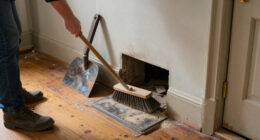
Sweeping or vacuuming floors before mopping reduces debris transfer into water.
Changing water every 1-2 mops is essential for effective cleaning.
Microfiber mops trap dirt better, prolonging water clarity.
Regular rinsing and wringing of the mop prevent dirt buildup in the cleaning tool itself.
The Real Reason Your Mop Water Turns Black Fast
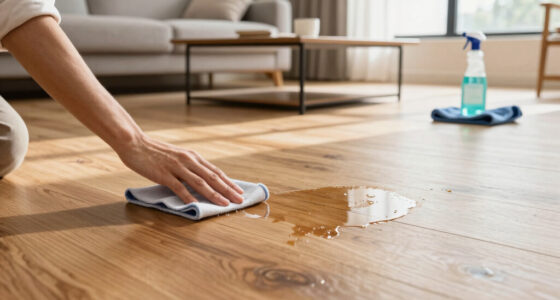
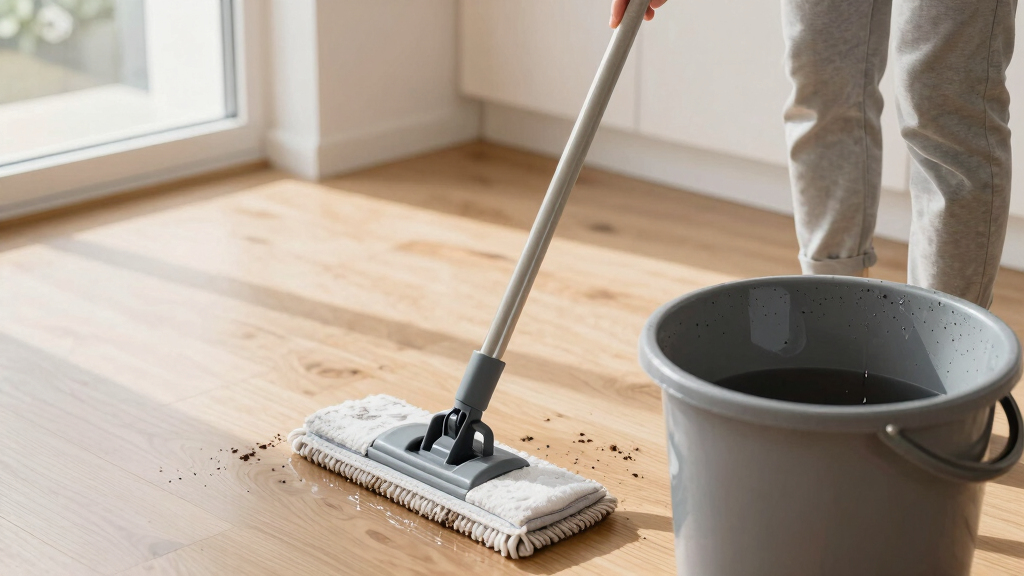
Within seconds of mopping, your water can go from clear to charcoal gray or black. That’s because every floor has a layer of dirt, dust, and grime. When you start mopping, you’re dissolving and lifting that layer into the water.
For example, if your floors are heavily trafficked or haven’t been cleaned in a while, expect the water to darken even faster. Think of it like a sponge—if it’s already soaked in dirt, it’ll turn muddy quickly.
microfiber mop for hardwood floors
As an affiliate, we earn on qualifying purchases.
As an affiliate, we earn on qualifying purchases.
How Dust and Dirt Make Your Mop Water Look Black
Dirt particles are tiny, often invisible to the naked eye, but they add up fast. On a typical day, a single footstep can shed hundreds of thousands of dust particles onto your floor. When you mop, you lift those particles into the water, turning it dark.
Imagine sweeping a dusty porch: the more dirt you sweep, the more dust clouds rise. Mop water works the same way, except the dirt is suspended in water, creating that ominous black hue.
As an affiliate, we earn on qualifying purchases.
The Role of Floor Type and How It Affects Dirt Pickup
Not all floors shed dirt equally. Porous surfaces like concrete or textured tiles release more particles, making water turn black faster. Smooth, sealed surfaces like vinyl or laminate tend to shed less, but if they’re heavily soiled, the water can still darken.
For instance, a dusty basement concrete floor might turn your mop water black after just a few wipes, while a sealed hardwood floor needs a lot more grime to do the same.
floor mop with dirt trapping technology
As an affiliate, we earn on qualifying purchases.
As an affiliate, we earn on qualifying purchases.
The Impact of Mop Type and How It Traps Dirt
Choosing the right mop makes a difference. Cotton mops tend to push dirt around unless rinsed thoroughly. Microfiber mops, on the other hand, trap dirt within their tiny fibers, keeping water cleaner longer.
For example, switching to a microfiber spin mop can extend the time before water turns black, saving you from frequent water changes and making your cleaning more efficient.
As an affiliate, we earn on qualifying purchases.
How Often You Should Change Your Mop Water
- Start with clean water each time you mop. Don’t reuse dirty water.
- Change the water after every 1-2 mops, or when it looks dark or murky.
- Pay attention to the water’s color—if it’s gray or black, it’s time for fresh water.
In practice, a good rule of thumb is to change your water as often as it takes to keep it clear—more often if you’re cleaning a very dirty floor.
Simple Tricks to Keep Your Mop Water Cleaner Longer
- Sweep or vacuum before mopping to remove loose dirt.
- Use microfiber mops for better dirt trapping.
- Rinse your mop thoroughly during cleaning and wring it out well.
- Switch to fresh water frequently—don’t wait until it’s visibly dirty.
- Consider disposable mop pads for heavily soiled areas.
For instance, vacuuming a kitchen tile floor before mopping prevents the dirt from overwhelming your water, keeping it cleaner for longer.
Frequently Asked Questions
Why does my mop water turn black so quickly?
Because of the dirt, dust, and grime being lifted from the floor surface during cleaning. The more debris on your floor, the faster the water darkens.How often should I change my mop water?
It’s best to change it after every 1-2 mops or whenever the water appears visibly dark or murky. Regular changes keep your cleaning effective.Can I prevent my mop water from turning black?
Yes. Sweeping or vacuuming floors beforehand, using microfiber mops, rinsing the mop frequently, and switching to fresh water regularly all help keep water clearer longer.Does the type of mop affect how fast water turns black?
Absolutely. Microfiber mops tend to trap dirt better than traditional cotton mops, which can push dirt around and cause the water to turn dark faster.Are there products that can keep mop water cleaner longer?
Some cleaning solutions or dirt-dissolving additives can help, but the most reliable method remains frequent water changes and proper cleaning techniques.Conclusion
Next time you mop, remember: dirt is the enemy of clean water—and clean floors. Sweeping first, using the right mop, and changing water often keeps your cleaning effective and your floors shining longer.
It’s a simple routine that makes a big difference. Your floors—and your patience—will thank you for it.
Halloween Picks
halloween
As an affiliate, we earn on qualifying purchases.