
TL;DR

Get cleaning gear delivered free — and shop member deals
- Fast, free delivery on millions of items
- Access to Prime Big Deal Days deals on October 6–7
- Prime Video, Amazon Music and more included
Cleaning high-gloss tile requires gentle, non-abrasive methods and proper tools. Regular upkeep and eco-friendly products keep the surface shiny and streak-free, avoiding damage from harsh chemicals or scrubbing.
Nothing ruins the sleek, mirror-like look of high-gloss tile faster than improper cleaning. When you see streaks, water spots, or scratches, it’s a sign you’re applying the wrong cleaning methods. But with just a few simple tips, you can keep your shiny floors looking brand new for years.
This guide covers the exact steps, tools, and products that preserve the gleam without dulling or scratching the surface. It’s about smart, gentle care—because high-gloss tile deserves special attention, just like a polished mirror in your home.
Use gentle, pH-neutral cleaners and soft microfiber cloths for regular cleaning.
Avoid harsh chemicals like vinegar, bleach, or abrasive scrubbers that can scratch or dull the surface.
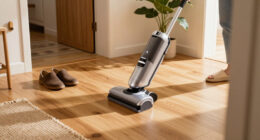
Steam cleaning is a safe, chemical-free way to refresh gloss and disinfect the tiles.
Dry thoroughly after cleaning to prevent water spots and streaks.
Polish and protect your tiles periodically with light coatings of mineral oil or tile polish to maintain their shine.
The Best Way to Clean High-Gloss Tile
TL;DR: High-gloss tile needs gentle, non-abrasive cleaning, pH-neutral products, soft microfiber tools, and thorough drying. Treat the surface like a polished mirror: remove grit first, clean lightly, then buff dry to preserve the shine.
Neutral cleaners protect the reflective glaze from dulling, etching, and chemical wear.
Regular light cleaning prevents grit buildup before it turns into micro-scratches.
Dust first. Clean softly. Dry completely.
Use pH-neutral tile cleaner or diluted dish soap.
Microfiber cloths, soft pads, and gentle sponges only.
Skip vinegar, bleach, ammonia, steel wool, and abrasive brushes.
Buff with a clean cloth to prevent water spots and streaks.
Moderate steam can refresh gloss without chemical residue.
Why Gloss Needs a Gentler System
High-gloss tile reflects light through a smooth surface coating. Grit, rough pads, acidic cleaners, and harsh scrubbing create tiny marks that scatter light, turning a mirror-like finish dull and uneven.
Dust Before Moisture
Loose dirt acts like fine sandpaper. A dry microfiber pass removes grit before mopping spreads it across the glaze.
Stay pH-Neutral
Mild cleaners break down oils without weakening the glossy coating or leaving dull patches behind.
Buff the Finish
Drying immediately prevents water spots, mineral haze, and streaks from disrupting the polished look.
Three-Step Cleaning Flow
The safest routine is simple, repeatable, and low-force. Each step protects the surface before the next one begins.
Lift Dust
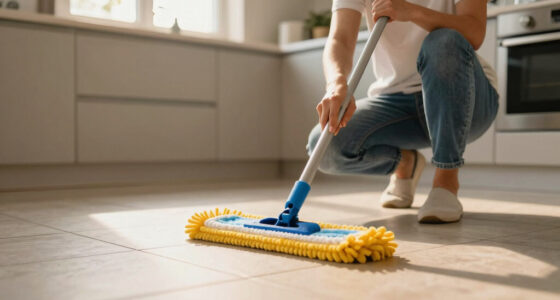
Wipe or mop with dry microfiber to remove loose dust, grit, and debris from the reflective surface.
Clean Lightly
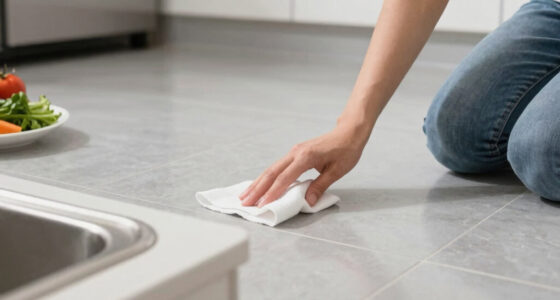
Apply pH-neutral cleaner or diluted dish soap with a soft cloth or sponge. Use gentle pressure only.
Dry & Buff
Rinse if needed, then dry thoroughly with clean microfiber until the tile looks clear and streak-free.
Cleaner & Tool Comparison
The wrong product can dull a glossy surface even when the floor looks clean. Choose tools and cleaners that protect the glaze instead of stripping or scratching it.
| Feature | Recommended | Avoid | Gloss Impact |
|---|---|---|---|
| Cleaner Type | ✓ pH-neutral tile cleaner or mild dish soap | ✗ Vinegar, bleach, ammonia | Protects glaze and reduces dull spots |
| Cleaning Tool | ✓ Microfiber cloth, sponge, soft mop pad | ✗ Steel wool, rough scrub brush | Prevents micro-scratches that scatter light |
| Water Spots | ✓ Buff dry after cleaning | ~ Air drying on hard-water surfaces | Keeps the finish clear and streak-free |
| Deep Refresh | ✓ Moderate steam with microfiber pad | ✗ High heat held in one spot | Disinfects without harsh chemical residue |
Risk & Protection Data
High-gloss care is mostly about controlling abrasion, chemistry, and moisture. The chart shows which habits protect shine and which create the most visible damage over time.
Gloss Protection Score
Cleaner Safety Spectrum
The safest zone is mild and pH-neutral. Strong acidic or alkaline products can erode or haze the finish.
Target zone: pH-neutral tile cleaner
Modern Shine Savers
Recent cleaning upgrades focus on doing less damage: biodegradable formulas, smarter microfiber pads, controlled steam, and protective coatings that repel water and dirt.
Gentle Can Still Be Effective
Biodegradable, pH-neutral cleaners remove everyday oils and grime without aggressive chemical reactions that dull the glaze.
Heat, Not Harshness
Steam loosens dirt and disinfects without vinegar, bleach, or heavy scrubbing. Use a soft microfiber pad and dry afterward.
Repel Future Grime
Protective coatings can enhance gloss and reduce water spotting, making future cleaning faster and less abrasive.
Restore the Gleam
A tile-safe polish or very light mineral-oil buff can revive shine when used sparingly and wiped completely clear.
Traceability Chain
Every glossy result comes from a connected sequence: remove particles, avoid chemical damage, control moisture, then protect the finish before the next cleaning cycle.
Lift grit before it scratches.
Use mild neutral cleaner.
Wipe with microfiber only.
Buff away water spots.
Maintain mirror-like tile.
Why Gentle Cleaning Matters for High-Gloss Tile
High-gloss tile is all about that mirror finish, which creates a sense of spaciousness and elegance in your space. However, this reflective surface is highly sensitive to damage. Aggressive cleaning methods, such as scrubbing with abrasive pads or using harsh chemicals, can scratch or dull the surface, causing the tiles to lose their luster and clarity. Think of it like polishing a delicate glass ornament—too much force or rough tools can leave permanent marks that catch light unevenly, diminishing the overall aesthetic.
Choosing gentle, non-abrasive cleaners and soft tools isn’t just about avoiding damage; it’s about preserving the integrity of the finish over time. Regular dusting with a microfiber cloth prevents the buildup of dirt and grit that can act like tiny abrasives, gradually scratching the surface with every footstep or cleaning. This preventative approach extends the lifespan of your high-gloss finish, maintaining its mirror-like quality and preventing costly repairs or re-polishing down the line.
For instance, a homeowner once used steel wool to scrub her shiny bathroom floor, thinking it would remove stubborn stains. The result? Tiny scratches that reflected light unevenly, dulling the entire surface. Switching to soft microfiber cloths and gentle cleaning solutions helped her preserve the tile’s brilliance and avoid future damage. The key takeaway is that gentle cleaning isn’t just safer—it’s essential to keep that pristine, reflective surface looking its best for years to come.
microfiber cleaning cloth for tiles
As an affiliate, we earn on qualifying purchases.
As an affiliate, we earn on qualifying purchases.
The Best Cleaners for High-Gloss Tile (And What to Avoid)
Using the right cleaning agents is crucial because high-gloss tiles are sensitive to chemical reactions that can weaken their glaze or create dull spots. Mild, pH-neutral cleaners or diluted dish soaps are effective because they clean without stripping away the protective layer that gives tiles their shine. These cleaners work by breaking down dirt and oils gently, allowing you to remove grime without risking etching or dullness.
On the other hand, harsh chemicals like bleach, ammonia, or vinegar are too aggressive—they can react with the glaze or surface coating, causing microscopic damage that accumulates over time. This damage manifests as a loss of gloss, dull patches, or even tiny scratches that catch light and make the surface appear uneven. For example, vinegar’s acidity can erode the glaze layer, leading to a matte appearance and increased porosity, which in turn makes the tiles more susceptible to staining and staining. Therefore, choosing gentle cleaners preserves not only the look but also the structural integrity of your tiles.
Applying a mixture of warm water with a few drops of dish soap using a soft sponge or microfiber cloth ensures thorough cleaning while maintaining the tile’s reflective quality. Rinsing thoroughly and drying with a lint-free microfiber towel prevents water spots and streaks that can detract from the glossy finish. This careful approach balances cleaning effectiveness with preservation, ensuring your tiles stay bright and shiny without compromise.
Here’s a quick comparison:
| Feature | Recommended | Avoid |
|---|---|---|
| Type of cleaner | pH-neutral or tile-specific | Vinegar, bleach, ammonia |
| Tools | Soft microfiber cloths, sponges | Steel wool, rough scrub brushes |
| Frequency | Weekly or as needed | Daily scrubbing or harsh abrasives |
As an affiliate, we earn on qualifying purchases.
How to Clean High-Gloss Tile in 3 Easy Steps
- Dust and wipe the surface with a microfiber cloth to remove loose dirt and dust. This initial step prevents dirt from scratching the surface during subsequent cleaning.
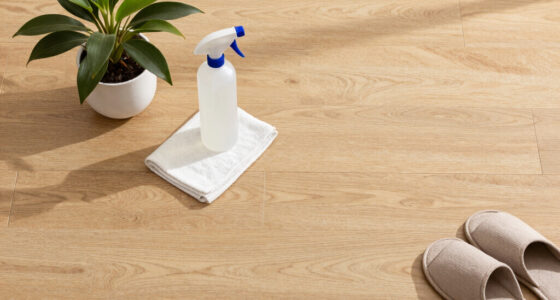
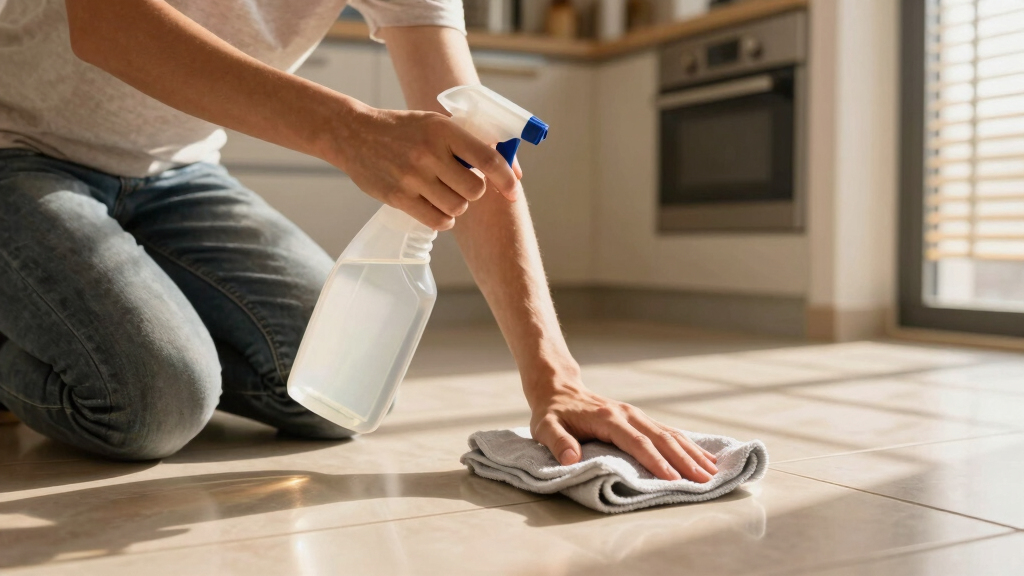
- Spray a mild, pH-neutral cleaner or a diluted dish soap solution onto the tile. Use a soft sponge or microfiber cloth to gently wipe the surface, paying attention to streak-prone areas. This ensures that dirt and oils are lifted without damaging the glaze or creating haze.
- Dry thoroughly with a clean microfiber cloth, buffing to a streak-free shine. For stubborn spots, repeat the process or use a soft brush for gentle scrubbing. Proper drying prevents water spots that can cause dullness or streaks, maintaining that mirror-like finish.
This simple routine keeps your tile gleaming without risking scratches or dullness. Regular maintenance like this prevents buildup of grime and mineral deposits, which can dull the surface and obscure its reflective qualities. The consistent use of gentle, effective techniques ensures your high-gloss tiles remain stunning and pristine for years.
steam cleaner for high-gloss tiles
As an affiliate, we earn on qualifying purchases.
As an affiliate, we earn on qualifying purchases.
How Steam Cleaning Protects Your High-Gloss Tile
Steam cleaning is a chemical-free method that uses high-temperature vapor to loosen dirt, grime, and bacteria from the surface. This process is gentle because it relies on heat and moisture rather than abrasive scrubbing or harsh chemicals. The key benefit is that it minimizes the risk of scratching or dulling the glossy finish, which can happen with aggressive scrubbing or chemical reactions.
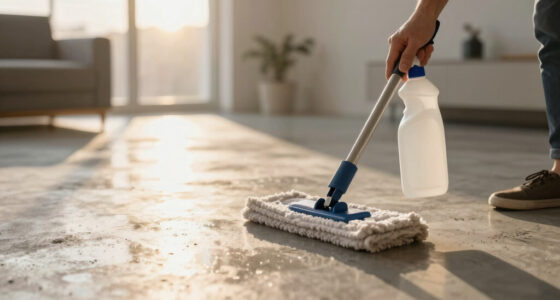
The high-temperature vapor dissolves embedded dirt and oils, making it easier to wipe away without applying force. However, it’s important to use a steam mop with a soft microfiber pad and keep the steam setting moderate. Excessive heat or prolonged contact in one spot can introduce moisture that, if not dried properly, might lead to streaks or water spots that dull the shine.
For example, a homeowner found that regular steam cleaning not only disinfected her kitchen tiles but also restored their mirror-like appearance. This method is eco-friendly and safe, provided you follow these safety tips. It’s especially effective for maintaining high-gloss surfaces because it cleans thoroughly without compromising the delicate reflective layer, making it a smart choice for ongoing upkeep.
As an affiliate, we earn on qualifying purchases.
How to Keep Your High-Gloss Tile Shining Longer
Prevention plays a vital role in maintaining the pristine look of high-gloss tiles. Regularly dust and wipe your floors to remove surface dirt and grit before they can cause scratches. Using mats at entry points helps trap abrasive particles like dirt, sand, and small stones that can scratch the surface when tracked in. These preventative measures significantly extend the lifespan of your glossy finish.
Polishing your tiles periodically with a soft cloth and a specialized tile polish or a small amount of mineral oil can also help. These products create a thin protective layer that enhances the reflective quality and makes the surface more resistant to water spots and smudges. However, it’s important to use these products sparingly—over-application can lead to a greasy film that attracts more dirt, defeating the purpose of regular cleaning.
For example, a homeowner noticed her bathroom tiles looked freshly polished months after applying a light coat of mineral oil. This simple step created a barrier that prevented water spots and kept the tiles looking vibrant with minimal effort. The key is consistent, gentle maintenance combined with protective measures that reinforce the glossy finish over time.
Frequently Asked Questions
Can I use vinegar or bleach on high-gloss tile?
No, most high-gloss tiles are sensitive to acids and harsh chemicals. These can damage the glaze and dull the finish over time. Stick to mild, pH-neutral solutions unless your manufacturer specifically recommends otherwise.
What’s the best way to remove water spots or streaks?
Use a soft microfiber cloth to buff the surface after cleaning and drying. For stubborn streaks, a quick pass with a slightly damp cloth followed by a dry microfiber towel usually does the trick.
Is steam cleaning safe for high-gloss tile?
Yes, if used carefully. Keep the steam at moderate temperature and avoid holding the mop in one spot too long. Steam cleaning can disinfect and refresh the shine without damaging the surface.
How often should I clean high-gloss tile?
Ideally once a week. Regular cleaning prevents buildup, keeps water spots at bay, and preserves the reflective beauty of your floors.
What should I avoid when cleaning high-gloss tiles?
Avoid abrasive scrubbers, steel wool, and harsh chemicals like vinegar or bleach unless specifically recommended. These can scratch or dull the surface, ruining that mirror-like finish.
Conclusion
Keeping high-gloss tile looking like new is about gentle care, smart choices, and regular upkeep. Think of your floors like a mirror—treat them softly, and they’ll reflect that shine for years.
Next time you clean, remember: less is more. A soft cloth, mild cleaner, and a quick buff are all you need to keep your floors gleaming—and turning heads.
Fall Picks
fall essentials
As an affiliate, we earn on qualifying purchases.