
TL;DR

Get cleaning gear delivered free — and shop member deals
- Fast, free delivery on millions of items
- Access to Prime Big Deal Days deals on October 6–7
- Prime Video, Amazon Music and more included
Laminate floors lift at the edges mainly due to moisture, improper installation, or subfloor issues. Addressing these causes early can prevent costly repairs, and recent innovations in flooring tech make fixing and avoiding problems easier.
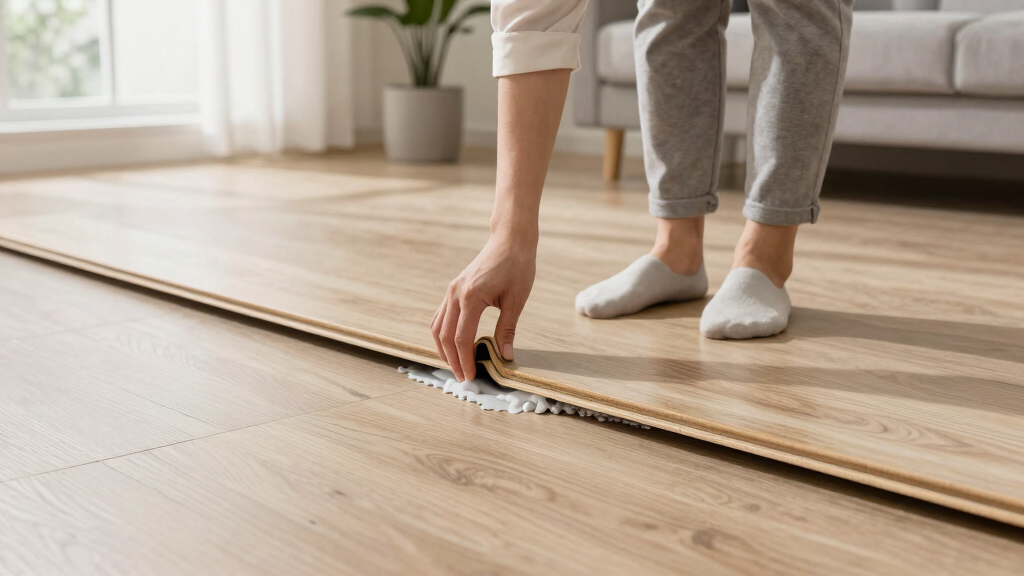
Imagine walking into a room where the laminate floor suddenly lifts at the edges, creating a jagged, uneven surface. It’s frustrating, but it’s also a common problem that many homeowners face. Why does it happen—and more importantly, what can you do about it?
In this guide, you’ll learn the main reasons your laminate flooring lifts, how recent tech improvements are helping, and simple steps to fix or prevent the issue. Whether you’re dealing with a small corner lifting or a wider section, understanding the cause makes all the difference.
Moisture is the leading cause of laminate edge lifting—control indoor humidity and fix leaks promptly.
Proper installation, especially leaving enough expansion gaps, is key to preventing edges from lifting over time.
Recent innovations like water-resistant cores and better locking systems greatly reduce the risk of future lifting.
Address small lifts early by re-securing planks; ignore them, and you risk more damage or replacement.
Regular maintenance and mindful placement in moisture-prone areas keep your laminate looking smooth and flat.
What causes laminate edges to lift? It’s usually moisture, installation errors, or subfloor problems
The first thing to know: moisture is the biggest culprit. Spills, high humidity, or leaks cause the core to swell, pushing the edges up. This swelling isn’t just an aesthetic issue; it compromises the floor’s structural integrity over time, leading to gaps, creaking, and even potential tripping hazards. Recognizing this helps you understand that moisture management isn’t just about appearance but also safety and longevity.
Next, improper installation is a common cause. If the planks aren’t given enough room to expand or if the locking system isn’t installed correctly, edges can lift over time. This can result in a loose, unstable floor that’s prone to further damage. Understanding the tradeoff here is crucial: rushing installation or skipping proper procedures might save time initially but leads to costly repairs later. Proper installation emphasizes leaving enough expansion gaps and ensuring locking mechanisms are fully engaged, which acts as a buffer against environmental changes and movement.
Finally, issues with the subfloor—like unevenness, dampness, or instability—can make the planks shift or lift at the edges. This isn’t just about the surface but about the foundation beneath. An uneven subfloor can cause stress points that gradually push the laminate upward or create gaps. Recognizing subfloor problems early allows for targeted repairs, saving money and preventing further damage. Ignoring these issues can lead to persistent edge lifting, which worsens with time and use, highlighting the importance of a solid, well-prepared base for your flooring.
laminate flooring moisture barrier
As an affiliate, we earn on qualifying purchases.
As an affiliate, we earn on qualifying purchases.
How recent tech improvements help keep your laminate flat
Modern flooring technology offers some smart solutions to edge lifting. Newer click-lock systems snap together more securely, resisting movement and reducing gaps. This improved design helps maintain a tight seal even when environmental conditions fluctuate, which is vital because small gaps can quickly expand into noticeable lifts if not addressed early. Think of it like a puzzle piece locking tightly into place, ensuring stability and reducing the risk of future separations.
Water-resistant and waterproof laminates have advanced cores made from materials that don’t swell when wet. This means less warping and lifting if accidental spills happen, but it also shifts the tradeoff: while these products are more resilient, they are often more expensive and may require professional installation to maximize their benefits. Understanding these innovations helps you weigh options based on your environment—if moisture is a constant concern, investing in water-resistant options can save you time and money in repairs.
Additionally, better underlayments with moisture barriers and soundproofing help keep the planks stable. These layers act like a cushion and shield, preventing moisture and movement from reaching the core. They also improve comfort and sound insulation, which are added benefits. Recognizing the role of these layers underscores that flooring isn’t just about the top surface but about the entire system that supports it. Using high-quality underlayments and embracing new installation techniques can significantly reduce the risk of edge lifting over the lifespan of your floor.
Finally, innovative installation tools and techniques now emphasize proper acclimation and leaving enough expansion gaps—key steps in avoiding edge lift. These advancements mean that even DIY installers can achieve a professional-grade result, provided they follow recommended procedures. The bottom line: technology has made it easier and more reliable to install laminate floors that stay flat and durable, provided you choose the right products and methods.
laminate floor expansion gap spacers
As an affiliate, we earn on qualifying purchases.
As an affiliate, we earn on qualifying purchases.
The top 5 reasons your laminate floor edges are lifting — and how to fix them
| Reason | What’s Happening | Quick Fix |
|---|---|---|
| Moisture intrusion | Water seeps in, causing swelling and expansion of the core material, which pushes the edges upward. This not only causes visual gaps but weakens the locking system, making the floor unstable. | Dry thoroughly, remove damaged planks, and control humidity. Address leaks immediately and consider installing moisture barriers to prevent recurrence. |
| Poor installation | Insufficient expansion gaps or improper locking mechanisms lead to inadequate room for movement. Over time, environmental changes cause the planks to shift or lift, especially if the locks aren’t fully engaged or if the gaps are too narrow. | Reinstall with proper gaps and check locking mechanisms. Ensuring correct installation techniques from the start prevents future issues and extends the floor’s lifespan. |
| Subfloor issues | Uneven, damp, or unstable subfloors cause shifting and stress points in the laminate, which can lead to edges lifting and gaps forming. This undermines the stability and safety of your flooring system. | Level and dry the subfloor before relaying or repairing. Proper preparation of the subfloor is essential to maintain a flat surface and prevent ongoing problems. |
| Temperature fluctuations | Rapid or extreme changes in temperature cause expansion and contraction of the laminate planks, stressing the locking system and leading to separation at the edges. | Maintain stable indoor temperature and humidity levels. Using climate control helps the floor expand and contract uniformly, reducing stress and lift. |
| Wear and tear | Over time, foot traffic and lack of maintenance loosen locks or damage the surface, allowing edges to lift or gaps to form. | Re-secure planks or replace damaged sections promptly. Regular inspections and maintenance extend the life of your flooring and keep it looking smooth. |
water-resistant laminate flooring planks
As an affiliate, we earn on qualifying purchases.
As an affiliate, we earn on qualifying purchases.
Preventing future edge lifts: 4 simple steps you can take now
- Maintain indoor humidity: Keep it between 35-55% using a humidifier or dehumidifier. This prevents the core material from swelling or shrinking, which can cause edges to lift over time. Consistent humidity levels are crucial for the integrity of your laminate floor, especially in climates with seasonal fluctuations.
- Install correctly: Leave at least ¼ inch expansion gaps around the room perimeter. Proper installation allows the flooring to expand and contract naturally with temperature and humidity changes, reducing stress on the locking system and preventing edges from lifting.
- Address water risks: Clean spills immediately and avoid excessive moisture in high-risk areas like kitchens and bathrooms. Even small amounts of water can seep into seams, causing swelling and lift, so quick action is essential to preserve the floor’s integrity.
- Choose the right product: Opt for water-resistant laminate if your space is prone to moisture. This choice provides an extra layer of protection against swelling and warping, especially in areas with high humidity or potential water exposure. Remember, the right product combined with proper installation is your best defense against future issues.
laminate flooring locking system repair kit
As an affiliate, we earn on qualifying purchases.
As an affiliate, we earn on qualifying purchases.
Should you repair or replace your lifting laminate?
If the edges are lifting just slightly, you might fix it by re-securing the planks with special flooring adhesive or tapping them back down. This approach can be effective for minor issues, but it’s important to understand that it’s only a temporary fix if underlying causes aren’t addressed. Over time, moisture or movement may cause the problem to recur, especially if the root issue isn’t resolved.
But if swelling or warping is widespread, or if the issue keeps coming back despite repairs, replacing the damaged planks might be smarter. Persistent problems often signal underlying moisture or installation issues that need professional attention. Ignoring these signs can lead to more extensive damage, including mold growth or structural compromise, which can be costly and disruptive. Ultimately, assessing the severity and cause of the lift helps you decide whether a simple repair suffices or if a full replacement is necessary to ensure long-term durability and safety.
Frequently Asked Questions
Why does my laminate floor lift at the edges after a few months?
Most likely, it’s due to moisture seeping in or improper installation. High humidity, spills, or inadequate expansion gaps can cause the core to swell or shift, making the edges lift.Can I fix lifting edges myself without replacing the whole floor?
Yes, minor lifts can often be fixed by re-securing the planks with flooring adhesive or tapping them back into place. However, if swelling is extensive, replacing damaged sections is usually better.What’s the best way to prevent my laminate floor from lifting again?
Maintain indoor humidity between 35-55%, avoid excess water, leave proper expansion gaps during installation, and use water-resistant flooring in moisture-prone areas.How do I tell if water damage caused the lifting?
Look for warped, swollen, or discolored planks. If swelling is severe, replacing the damaged planks is the safest option. Always dry the area thoroughly and fix leaks immediately.Is it worth calling a professional for lifting edges?
If the lift is widespread, persistent, or you’re unsure of the cause, consulting a flooring professional can prevent further damage and ensure a proper fix.Conclusion
Edge lifting in laminate floors isn’t inevitable. It’s a sign that moisture, poor installation, or subfloor issues are at play. By controlling your environment and paying attention to proper installation, you can keep your floors looking sleek and even for years to come.
Think of your floor as a foundation—if you catch problems early and act quickly, you’ll avoid costly repairs. Keep it dry, leave enough room to breathe, and choose the right materials. Your floors will thank you.
Evergreen bestsellers Picks
bestsellers
As an affiliate, we earn on qualifying purchases.