TL;DR

Get cleaning gear delivered free — and shop member deals
- Fast, free delivery on millions of items
- Access to Prime Big Deal Days deals on October 6–7
- Prime Video, Amazon Music and more included
Cleaning pet urine from hardwood floors quickly is key. Use enzymatic cleaners for odor removal, dry thoroughly, and consider refinishing if damage is severe. Prevention helps keep floors pristine.
Nothing ruins the joy of a clean home faster than discovering pet urine on your hardwood. The rich, warm tones of your floor can quickly turn dull or stained, especially if you don’t act fast. But don’t panic—knowing the right steps can save your floor and your peace of mind.
This guide walks you through practical, safe ways to remove pet urine, neutralize odors, and even restore damage. Whether it’s a fresh accident or a stubborn stain, you’ll learn what works best without risking harm to your wood or your pet’s health.
Immediate blotting and quick application of enzymatic cleaners prevent deep penetration of urine into hardwood.
Enzymatic cleaners are the most effective at breaking down urine proteins and eliminating odors permanently.
Household solutions like vinegar or baking soda can help but shouldn’t replace specialized pet stain products.
Severe stains or warping might require sanding, refinishing, or replacing affected planks.
Preventative measures, including training and barriers, significantly reduce the risk of future accidents.
Act Fast: Why Immediate Cleaning Matters for Hardwood Floors
Pet urine can seep into your hardwood’s pores in seconds, especially if it’s a soft finish or worn surface. The acidity in urine can stain, discolor, or warp the wood if left untreated. The longer you wait, the harder it gets to remove both the stain and the smell.
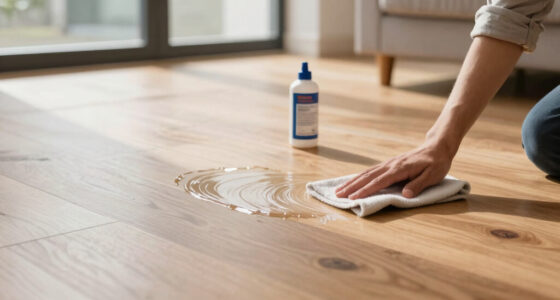
Imagine your pet’s accident happening late at night. The moment you see it, grab paper towels or a clean cloth. Blot—don’t rub—to soak up as much moisture as possible. This simple step prevents the urine from penetrating deep or causing permanent damage.
Why does this matter? Because urine that sits can react with the wood’s finish, leading to chemical burns or discoloration, and can also encourage mold growth if moisture remains trapped. Immediate action minimizes these risks, preserving the integrity and appearance of your floors.
enzymatic pet stain remover for hardwood floors
As an affiliate, we earn on qualifying purchases.
As an affiliate, we earn on qualifying purchases.
Step-by-Step: How to Clean Pet Urine Off Hardwood in 4 Easy Moves
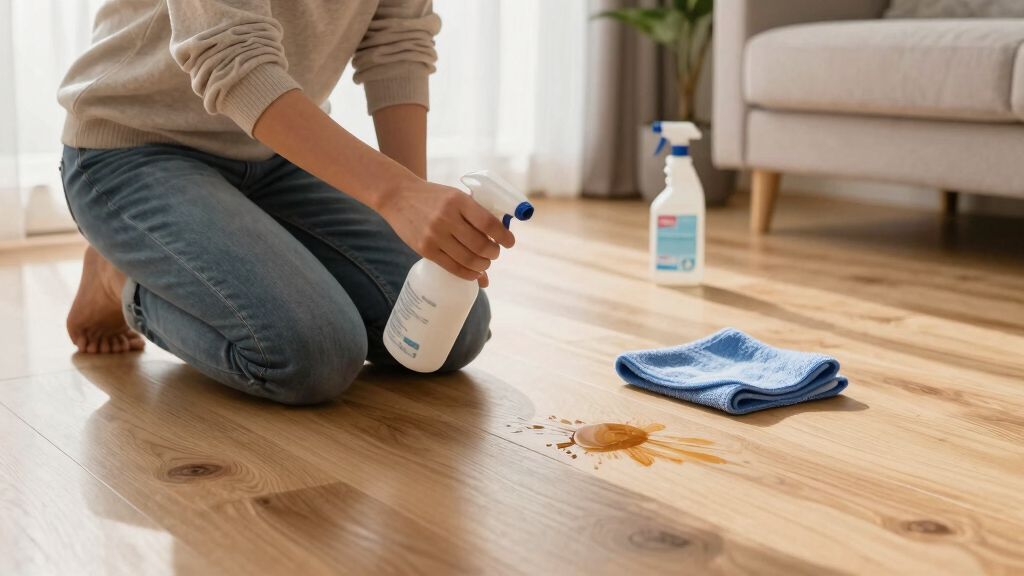
- Blot the Urine: Use paper towels or a microfiber cloth. Press gently to absorb liquids—avoid rubbing, which spreads stains. This step is crucial because it removes surface moisture before it penetrates deeper, reducing the risk of staining and damage.
- Apply Enzymatic Cleaner: Spray or dab a cleaning solution designed for pet stains. Wait 10-15 minutes for it to break down the proteins. Proper application ensures the enzymes reach the microscopic particles causing odor, which is essential for thorough odor neutralization and stain removal.
- Gently Scrub: Use a soft-bristled brush or cloth to work the cleaner into the wood surface. This helps lift residual stain and odor molecules. Gentle scrubbing avoids damaging the finish or gouging the wood, which could worsen the problem.
- Dry Completely: Use clean towels or fans to ensure the area dries thoroughly. Moisture left behind can promote mold or mildew growth, leading to further damage and health concerns. Complete drying preserves the wood’s condition and prevents secondary problems.
For instance, if your dog has an accident in the foyer, follow these steps immediately to prevent a lasting stain or smell. Acting swiftly limits the damage, avoiding costly repairs or refinishing down the line.
pet urine odor eliminator for wood floors
As an affiliate, we earn on qualifying purchases.
As an affiliate, we earn on qualifying purchases.
Why Enzymatic Cleaners Are Your Best Bet for Odor-Free Floors
Enzymatic cleaners are specially formulated to digest the organic compounds in pet urine, unlike simple household cleaners. They target the proteins that cause lingering odors, leaving your floor smelling fresh. These solutions work by breaking down molecules at a microscopic level, making odors disappear at the source.
Imagine the stubborn smell of a recent accident—ordinary vinegar or baking soda might mask it temporarily, but enzymatic cleaners permanently eliminate it. This makes them the gold standard for pet-related messes on hardwood surfaces.
Furthermore, because enzymatic cleaners break down the odor-causing molecules completely, they prevent your pet from re-marking the same spot out of scent familiarity. This reduces repeat accidents and helps maintain a clean, odor-free home environment.
According to an anonymous researcher, enzymatic cleaning solutions are 80% more effective at odor removal than traditional household products, emphasizing their importance in thorough cleaning routines.
As an affiliate, we earn on qualifying purchases.
Household Remedies: Can Vinegar and Baking Soda Help or Hinder?
Vinegar and baking soda are common go-to solutions, but they have limitations. Diluted vinegar (a mix of 1 part vinegar to 3 parts water) can help neutralize some odors and loosen stains. Baking soda, sprinkled on a dry surface, absorbs residual smells. These remedies are inexpensive and readily available, making them attractive options.
However, these remedies alone often fall short for deep stains or persistent odors. Vinegar’s acidity can even dull or damage a delicate finish if used excessively, and baking soda’s odor-absorbing properties are temporary. They do not chemically break down the proteins responsible for odor and staining, which limits their effectiveness in severe cases.
For example, after cleaning with enzymatic solutions, sprinkling baking soda can help absorb any remaining odor, but it won’t eliminate deep-set stains or discoloration. Relying solely on household remedies can give a false sense of security, delaying more effective treatment and risking long-term damage.
As an affiliate, we earn on qualifying purchases.
When Damage Gets Serious: Restoring or Replacing Your Hardwood
If pet urine has soaked deep into your flooring, superficial cleaning may not suffice. Stains can turn dark or yellow, and warping or cupping might develop due to prolonged moisture exposure. In these cases, you may need to sand and refinish the affected area. Severe damage could even mean replacing sections of flooring.
Imagine a corner where your pet’s accident was left untreated for months—discoloration and warping could be visibly pronounced, compromising both appearance and structural integrity. Restoring might involve sanding down the stained area, applying a fresh coat of finish, or replacing damaged planks altogether. This process is essential because untreated damage can spread, weaken the floor, and lead to costly repairs later.
Professional help can ensure you don’t accidentally damage the wood further or compromise the floor’s integrity, especially with complex repairs or large damaged areas.
Prevent Future Accidents: Tips to Keep Your Floors Clean
Prevention is the best cure. Train your pets to use designated potty areas, and keep their bedding and routines consistent. Use pet deterrent sprays on vulnerable spots, or install barriers to protect hardwood floors. These measures reduce the chances of accidents occurring in the first place, saving you time, effort, and potential damage.
For example, setting up a cozy outdoor patio or a specific corner with gravel can divert your dog from the living room. Regularly cleaning and applying a protective finish can also make your floors more resistant to stains and easier to clean if accidents do happen. Additionally, consistent training and positive reinforcement help your pet understand where they should go, decreasing the likelihood of future mishaps.
Smart monitoring devices that alert you to accidents early are a newer tool—some can even send notifications to your phone when moisture is detected. These devices allow for immediate response, further reducing the risk of permanent damage.
Frequently Asked Questions
How quickly should I clean pet urine from my hardwood floor?
The moment you notice it. Immediate blotting and cleaning prevent urine from seeping into the wood and causing permanent damage or odor issues.What is the best way to remove pet urine odor from hardwood?
Enzymatic cleaners are the most effective. They break down organic proteins responsible for odors, leaving your floor smelling fresh.Can I use bleach or harsh chemicals on hardwood floors?
No, harsh chemicals like bleach can damage the finish and discolor the wood. Stick to pH-neutral or enzymatic cleaners designed for hardwood.Will cleaning remove stains completely?
Mild stains often come out with proper cleaning, but deep-set or old stains may require refinishing or replacing affected planks.How can I prevent my pet from urinating on hardwood floors?
Training, providing designated potty areas, and using deterrent sprays help. Installing barriers or monitoring devices adds extra protection.Conclusion
Fast action and the right cleaner are your best allies in protecting your hardwood from pet urine damage. Remember, the longer you delay, the more stubborn the stain and odor become. Keep a bottle of enzymatic cleaner nearby, and train your pet to avoid accidents on your beautiful floors.
With a little vigilance and quick response, your hardwood can stay looking fresh and vibrant for years to come. Isn’t it worth a few minutes of effort now to save a costly repair later?
Halloween Picks
halloween
As an affiliate, we earn on qualifying purchases.