TL;DR

Get cleaning gear delivered free — and shop member deals
- Fast, free delivery on millions of items
- Access to Prime Big Deal Days deals on October 6–7
- Prime Video, Amazon Music and more included
Baking soda is generally safe and eco-friendly but can damage delicate or porous surfaces like natural stone or aluminum. Always test first and use gentle methods to prevent harm.
Imagine grabbing that box of baking soda, ready to tackle your kitchen messes. You’ve heard it’s safe, natural, and effective. But does that mean you can scrub every surface in your house with it? Not quite. While it’s a household hero for deodorizing and cleaning, baking soda isn’t a one-size-fits-all solution. Using it on the wrong surface can leave scratches, dull finishes, or even etch delicate materials.
In this guide, you’ll learn exactly which surfaces love baking soda and which ones hate it. Plus, practical tips on how to avoid damage while keeping your home sparkling clean. Because knowing the limits of this green cleaner is just as important as knowing how to use it.
Always test baking soda on a small, hidden area before cleaning a visible surface.
Avoid using baking soda on natural stone, aluminum, or polished metals to prevent etching and scratches.
Gentle scrubbing with baking soda works well on glass, ceramic, and sealed surfaces.
Use baking soda in moderation, especially on softer or porous surfaces, to prevent damage.
When in doubt, opt for pH-neutral or surface-specific cleaners to protect delicate finishes.
Is Baking Soda Really Safe on Every Surface?
Sodium bicarbonate is non-toxic, cheap, and eco-friendly — but its mildly abrasive crystals can scratch, dull, or etch delicate materials. Learn which surfaces welcome it, which ones don’t, and how to use it without damage.
Surfaces That Love Baking Soda
These materials are non-porous or carry protective coatings, so gentle scrubbing with baking soda lifts grime and odors without scratching or etching. Always confirm with a quick spot test anyway.
Glass & Stovetops
Sprinkle on a glass stovetop to lift baked-on grease, then wipe with a damp cloth. Hard, non-porous surface resists micro-scratches.
Stainless Steel
Sinks and appliances shine after a gentle baking soda scrub. Rinse thoroughly and dry immediately to prevent water spots.
Ceramic Tile & Sealed Counters
Glazed tiles and sealed countertops tolerate mild abrasion. Great for deodorizing grout lines, trash cans, and plastic containers.
Steer Clear of These Surfaces
Baking soda’s abrasiveness is a gentle giant on hard surfaces — but on soft, porous, or polished materials it leaves micro-scratches, dull spots, and etch marks that often require professional restoration.
How to Use Baking Soda Safely
A simple six-step routine that keeps every surface protected. Patience and testing are your best friends — rushed scrubbing is what causes etching.
Identify the surface
Know the material — porous, soft, polished, or sealed.
Patch test first
Hidden spot, wait 10 minutes, check for dullness.
Mix a paste
Baking soda + water, or sprinkle dry for scrubbing.
Scrub gently
Soft cloth or sponge — no excessive pressure.
Rinse & dry
Rinse thoroughly with water, dry immediately.
Repeat cautiously
Stubborn stain? Retry gently or switch cleaners.
Baking Soda vs. Other Cleaners
Weigh eco-friendliness against surface safety before you pick your cleaner. No single agent wins every category.
| Feature | Baking Soda | Vinegar | Commercial Cleaners |
|---|---|---|---|
| Eco-friendliness | ✓ High — non-toxic, biodegradable | ✓ High — natural acid, biodegradable | ~ Variable — often chemical-based |
| Surface safety | ~ Good, but abrasive on soft materials | ~ Good, but acidic — can etch soft surfaces | ~ Depends — always read labels |
| Odor removal | ✓ Effective — neutralizes smells | ✓ Very effective for odors | ~ Varies — often fragrance-based |
| Stain removal | ✓ Good — especially organic stains | ✓ Excellent — mineral stains, rust | ✓ Specialized options available |
Key Takeaways, Ranked
The habits that matter most for damage-free cleaning with baking soda.
What Makes Baking Soda a Popular Cleaning Hero? And When Does It Backfire?
Baking soda, or sodium bicarbonate, is a household staple because of its gentle abrasiveness and ability to neutralize odors. It’s non-toxic, inexpensive, and works on everything from carpets to kitchen sinks. Imagine the satisfying scratch of a scrub brush as it lifts grime without harsh chemicals.
But that same abrasiveness can cause problems. On soft or polished surfaces, it can leave tiny scratches or dull the shine. Think of polishing a mirror: a rough scrub can turn that mirror cloudy. Understanding why this matters is crucial because damage isn’t always immediately visible but can accumulate over time, leading to costly repairs or replacements. For example, using baking soda on a polished granite countertop might seem harmless, but repeated use can etch the surface, diminishing its natural luster and requiring professional restoration. Recognizing these tradeoffs helps you decide when baking soda is a helpful tool and when alternative cleaners are safer.
Choosing when and where to use baking soda depends on understanding this balance. Using it on the right surface can enhance cleanliness and shine, but misapplication can lead to permanent damage, requiring costly repairs or replacements. Recognizing its limits ensures you maximize its benefits while avoiding unintended consequences.
As an affiliate, we earn on qualifying purchases.
Which Surfaces Are Baking Soda’s Best Friends?
Luckily, baking soda is safe on many common household surfaces. Think of it as a friendly cleaner for glass, stainless steel, ceramic tiles, and sealed countertops. These surfaces can handle a gentle scrub without losing their shine.
For instance, you can sprinkle baking soda on your kitchen glass stovetop to lift grease or scrub your ceramic tiles for a fresh look. It’s also great for deodorizing plastic containers or freshening up trash cans.
However, it’s important to understand why these surfaces tolerate baking soda well. They are generally non-porous or have protective coatings that prevent scratches and etching. Using baking soda on these surfaces preserves their appearance and longevity because the mild abrasiveness helps remove dirt and odors without damaging the underlying material. Proper testing before widespread use ensures you don’t accidentally dull or scratch delicate finishes. When used appropriately, baking soda can be a reliable, safe cleaner that preserves the integrity of these surfaces over time, making it an economical and eco-friendly choice for everyday cleaning.
natural stone safe cleaning products
As an affiliate, we earn on qualifying purchases.
As an affiliate, we earn on qualifying purchases.
What Surfaces Should You Steer Clear Of? Beware the Damage!
Not all surfaces are friends to baking soda. Its abrasive nature can cause scratches, dullness, or etching on softer, porous, or delicate materials. Think of it as a gentle giant that can turn rough if misused, and the consequences can be costly. For example, natural stone surfaces like marble and granite are porous and sensitive to acids and abrasives. Using baking soda on these can leave dull spots or etched marks that are difficult to fix. Once etched, these surfaces often require professional restoration, which can be costly and time-consuming. This underscores why understanding material composition is crucial — knowing the nature of your surfaces helps prevent irreversible damage.
Similarly, aluminum surfaces can develop tiny scratches, and polished metals may dull over time. The tradeoff is that while baking soda can effectively clean many surfaces, on these delicate materials, it can cause micro-scratches that accumulate and diminish the surface’s appearance and integrity. Always do a patch test before widespread use to prevent surprises. Recognizing these risks allows you to choose safer cleaning options, thus extending the lifespan of your valuable surfaces and avoiding costly repairs or replacements. The key is understanding the material’s properties and selecting cleaners that respect those characteristics.
eco-friendly household cleaning supplies
As an affiliate, we earn on qualifying purchases.
As an affiliate, we earn on qualifying purchases.
How to Use Baking Soda Safely on Different Surfaces
Using baking soda wisely involves a simple but effective approach. Here’s a step-by-step guide:
- Identify the surface you’re cleaning.
- Test a small, hidden area first—wait 10 minutes to check for damage.
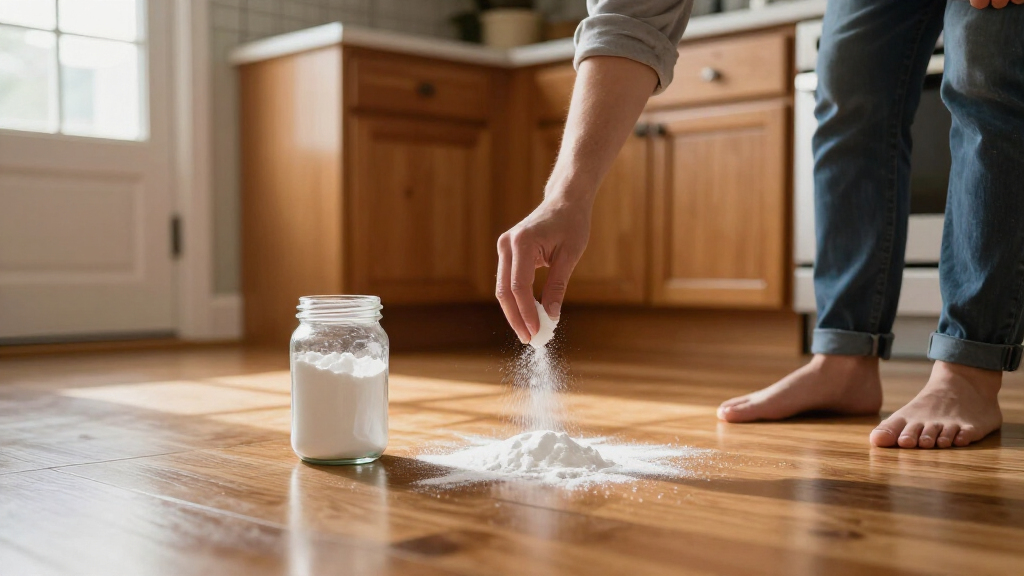
- Mix baking soda with water to form a paste or sprinkle dry for scrubbing.
- Gently scrub or wipe with a soft cloth or sponge—avoid excessive pressure.
- Rinse thoroughly with water and dry immediately.
- For stubborn stains, repeat cautiously or try alternative cleaners.
For example, when cleaning your stainless steel sink, sprinkle baking soda, scrub gently, rinse, and dry. For delicate marble countertops, skip baking soda altogether, opting instead for a pH-neutral cleaner. This careful approach helps prevent accidental damage and maintains the longevity of your surfaces. Understanding the importance of gentle, incremental cleaning minimizes the risk of micro-scratches or dulling that can compromise a surface’s appearance and function.
Remember: patience and testing are your best friends in avoiding surface damage. Rushing or skipping tests can lead to unintended etching or scratching, especially on sensitive materials. Consistent, gentle cleaning preserves the appearance and integrity of your surfaces over time, saving you money and hassle in the long run.
As an affiliate, we earn on qualifying purchases.
Comparing Baking Soda to Other Cleaning Agents
| Feature | Baking Soda | Vinegar | Commercial Cleaners |
|---|---|---|---|
| Eco-friendliness | High — non-toxic and biodegradable | High — natural acid, biodegradable | Variable — often chemical-based |
| Surface safety | Good on many surfaces, but abrasive | Good, but can etch or damage soft surfaces | Depends on formulation — read labels |
| Odor removal | Effective by neutralizing smells | Very effective for odors | Varies, some are fragrance-based |
| Stain removal | Good for some stains, especially organic | Excellent for mineral stains, rust | Specialized options available |
Use this table to weigh your options. Baking soda is a gentle, safe choice for many household tasks but isn’t always the best for delicate surfaces or specific stains. Consider the material and stain type when selecting your cleaner, as the tradeoff between safety and effectiveness can influence your cleaning results and surface longevity.
Frequently Asked Questions
Can baking soda damage my natural stone countertops?
Yes, baking soda’s abrasiveness can scratch or etch natural stone like marble and granite. It’s best to use a pH-neutral cleaner or a stone-safe product for these surfaces.Is baking soda safe to use on stainless steel appliances?
Generally, yes. Baking soda can help remove stains and grease from stainless steel, but avoid excessive scrubbing or using it on polished finishes to prevent dulling.How do I test if baking soda is safe for a new surface?
Apply a small amount on an inconspicuous spot, wait 10 minutes, then gently wipe and check for damage. If no scratches, discoloration, or dullness appear, it’s likely safe to proceed.Can baking soda cause damage to electronics or appliances?
It’s best to avoid using baking soda directly on electronics. Use it externally for cleaning surfaces around devices, and always keep liquids and powders away from sensitive electrical parts.Are there better options for cleaning delicate or porous surfaces?
Yes, pH-neutral cleaners, mild soap, or specially formulated surface cleaners are safer choices for delicate or porous materials like marble or soft metals.Conclusion
While baking soda is a trusty, eco-friendly cleaner, it’s not a magic bullet for every surface. Recognize its limits, test carefully, and use gentle techniques. That way, you keep your home sparkling without risking damage.
Think of baking soda as a helpful neighbor: kind, effective, but not suitable for every situation. When used wisely, it can do wonders—without harm. Your surfaces will thank you, and your cleaning routine will become smarter and safer.
Fall Picks
fall essentials
As an affiliate, we earn on qualifying purchases.