
TL;DR

Get cleaning gear delivered free with Prime
- Fast, free delivery on millions of items
- Prime Video, Amazon Music and more included
- Member-only deals all year
When motivation drops, breaking cleaning into tiny, specific tasks makes it easier to get started. Using timers, music, and rewards helps turn cleaning into an achievable routine, reducing stress and overwhelm.
Ever stared at a messy room and felt completely drained before even starting? You’re not alone. Motivation can vanish faster than you can say “clean house.” But here’s the truth: you don’t need a surge of willpower to make progress. Sometimes, all it takes is a few simple tricks to get your cleaning mojo back. Whether you’re battling fatigue, stress, or just plain apathy, this guide will show you how to make cleaning feel less like a chore and more like a tiny victory.
Forget the guilt or the overwhelming feeling that you need to overhaul everything at once. Instead, focus on small, doable steps that fit into your day. Soon, you’ll find your space gradually transforming — even if your motivation is still playing hide-and-seek.
Break cleaning into tiny, manageable tasks to avoid overwhelm.
Use timers and music to make cleaning feel like a game or a quick challenge.
Focus on high-impact areas first to see immediate, motivating results.
Enlist support or join challenges to stay accountable and inspired.
Practice kindness toward yourself—small wins build long-term habits.
Start with the tiniest tasks — like making your bed or wiping a counter
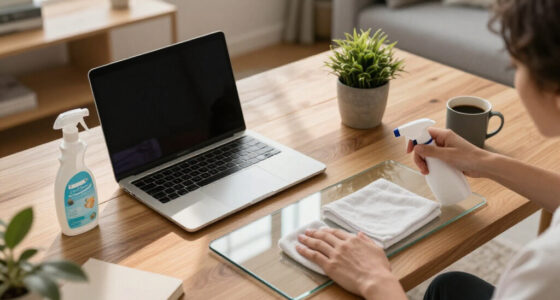
The first thing to do when motivation is low? Pick the smallest, easiest task. Think: making your bed, wiping down the kitchen counter, or grabbing a handful of laundry. These tiny wins create a sense of accomplishment that can snowball into bigger action. For example, I once spent five minutes just tidying up my coffee table, and suddenly the whole living room looked a little less chaotic.
Engaging in these small tasks is not just about clearing space; it’s about reshaping your mindset. Completing even minor chores can boost your confidence and reduce feelings of helplessness, which often accompany low motivation. This sense of achievement can serve as a catalyst, making it psychologically easier to tackle larger tasks later. Additionally, these small wins help break the cycle of procrastination, replacing inertia with momentum. The key tradeoff here is that while small tasks may seem insignificant, their cumulative effect can be profound—transforming your perception of cleaning from an overwhelming chore into manageable, even satisfying, progress.
As an affiliate, we earn on qualifying purchases.
Use timers to turn cleaning into a game — 5 or 10-minute sprints
When motivation is low, setting a timer can create a sense of urgency and focus. The idea is to challenge yourself to complete a task within a set period, which makes the process feel more like a game than a burden. For example, vacuuming a room or sorting mail with a 10-minute timer turns a potentially daunting chore into a manageable burst of activity. This approach works because it leverages the brain’s response to deadlines—creating a sense of urgency can help overcome inertia.
Moreover, these timed sprints can help you prioritize, ensuring that you focus on one task at a time without feeling overwhelmed by the whole house. The tradeoff is that while this method boosts immediate productivity, it might encourage rushing if not balanced with quality. Still, over time, these quick sessions can build a habit of consistent effort, reinforcing the idea that even small, timed efforts contribute significantly to your overall cleanliness. This method taps into the psychology of gamification, making cleaning feel less like a chore and more like a series of small, achievable victories.
As an affiliate, we earn on qualifying purchases.
Create a cleaning routine that feels doable — even if it’s just once a week
Establishing a cleaning routine doesn’t mean dedicating hours daily. Instead, it’s about carving out specific, manageable time slots that become part of your weekly rhythm. For instance, dedicating Sunday afternoons to quick bathroom wipes and laundry creates a predictable pattern. This consistency helps your brain associate certain days or times with cleaning, reducing the mental load of deciding when to do it. Over time, these routines become automatic, requiring less mental effort and making cleaning feel less like a burdensome task.
The benefit of a routine is that it balances effort and sustainability. It prevents the feeling of being overwhelmed by trying to do everything at once, which often leads to burnout or avoidance. The tradeoff is that routines require initial commitment and discipline, but once established, they can significantly reduce the mental barrier to starting. This consistency also means you’re less likely to experience the guilt of neglect, as you know your home is being maintained regularly—albeit in small, manageable chunks.
motivational cleaning music playlist
As an affiliate, we earn on qualifying purchases.
As an affiliate, we earn on qualifying purchases.
Play music, listen to podcasts, or reward yourself — boost your mood
Creating a positive environment can significantly influence your motivation to clean. Listening to upbeat music, engaging podcasts, or even comedy shows can elevate your mood and make the task feel less tedious. For example, playing a playlist of your favorite energetic songs during a kitchen tidy-up can turn a mundane chore into a dance party, transforming your attitude toward cleaning. This mood boost is rooted in the psychological concept that positive stimuli can increase motivation and reduce perceived effort.
Additionally, rewarding yourself after completing a task—like enjoying a cup of tea or a few minutes on social media—reinforces the behavior and creates a positive association. These small rewards can serve as mental incentives, encouraging you to start and finish tasks. The tradeoff is that over-reliance on external rewards might diminish intrinsic motivation over time, but when used judiciously, they can be powerful tools to jumpstart cleaning sessions. Overall, combining environmental enhancements with rewards helps reframe cleaning as a self-care activity rather than a chore, fostering a more positive mindset and sustained effort.
As an affiliate, we earn on qualifying purchases.
Focus on high-impact areas first — tackle the mess that stresses you out most
Prioritizing high-impact areas when motivation is low is about making the biggest difference with the least effort. Identifying spots that cause you the most stress—like a dirty kitchen sink or cluttered entryway—and tackling them first can create an immediate sense of relief. This strategic focus is important because it leverages the psychological principle that visible, immediate improvements reinforce your motivation to continue cleaning.
For example, clearing clutter from your dining table might instantly make the room look neater and motivate you to clean more areas. The implication here is that by addressing the most stressful or noticeable messes first, you create a positive feedback loop—seeing quick results encourages further effort. The tradeoff involves a potential neglect of less obvious areas, which might accumulate over time. However, this approach ensures that your limited energy yields the most satisfying and motivating outcomes early on, making it easier to sustain cleaning habits over the long term.
Enlist support or accountability — tell a friend or join a challenge
Motivation often benefits from social reinforcement. Sharing your cleaning goals with a friend or participating in an online challenge can create accountability that propels you forward. Knowing someone else is aware of your progress or expects updates taps into social motivation, which can be more compelling than self-motivation alone. For example, committing to a 7-day cleaning challenge with a friend and reporting daily progress can turn what might feel like a solitary chore into a shared experience. This social aspect fosters a sense of community and encourages consistency, especially on days when your motivation wanes.
The implication is that external accountability reduces the mental burden of self-motivation—you’re not solely relying on willpower. It also introduces a fun, competitive element that can make cleaning feel less monotonous. The tradeoff is that it requires coordination and honesty, and if the support system weakens, motivation might decline. Nevertheless, social accountability serves as a powerful tool to sustain effort over time, making the task more engaging and less isolating.
Practice self-compassion — celebrate small wins without guilt
Practicing self-compassion is crucial because low motivation often stems from feelings of guilt, overwhelm, or perfectionism. Recognizing that every small effort counts—whether it’s opening windows, picking up a few items, or wiping a mirror—helps foster a positive mindset. Celebrating these tiny wins without guilt reinforces the idea that progress is cumulative and that perfection isn’t the goal. For example, I once spent a minute just opening windows to let in fresh air, which made me feel more energized and less overwhelmed by the mess.
This approach reduces the negative self-talk that can paralyze motivation and instead encourages a gentle, sustainable attitude toward cleaning. The implication is that self-compassion builds resilience, making it easier to start again after setbacks. The tradeoff is that it might lead some to underestimate the importance of consistent effort, but overall, fostering kindness toward oneself creates a healthier relationship with cleaning and helps sustain motivation over the long term.
Frequently Asked Questions
How can I start cleaning when I feel overwhelmed or depressed?
Begin with one tiny task—like picking up clothes or wiping a countertop. Small wins can boost your mood and make bigger chores seem less intimidating. Remember, even a few minutes of effort counts.
What are quick and easy cleaning hacks for when I have no energy?
Try setting a timer for 5-10 minutes and focus on one area. Use music or podcasts to make it fun. Also, keep cleaning supplies accessible so you can grab and go without extra effort.
How do I stay motivated to keep my space clean long-term?
Create simple routines, like tidying every Sunday or doing a five-minute pick-up each evening. Celebrate small wins and consider accountability partners or challenges to stay on track.
Are there specific routines or habits that can help me maintain cleanliness without feeling burdened?
Yes. Short, regular sessions—like 10-minute nightly tidies—build habits without overwhelming you. Focus on high-impact areas and keep cleaning supplies handy to make quick fixes.
What should I do if I feel too anxious or depressed to clean at all?
Prioritize self-care first. Even just opening windows, sitting outside, or doing a breathing exercise can help. When ready, start with the smallest task—getting used to the idea that progress is possible, even in tiny steps.
Conclusion
Motivation ebbs and flows, but tiny steps keep you moving forward. The goal isn’t perfection—it’s progress. Think of your home as a small garden: watering a little every day beats neglect, and over time, it blooms.
Next time motivation runs dry, remember: just start with something small. That first step can transform your space and your mood. Your home is waiting—make that first move.
Fall Picks
fall essentials
As an affiliate, we earn on qualifying purchases.