TL;DR

Get cleaning gear delivered free with Prime
- Fast, free delivery on millions of items
- Prime Video, Amazon Music and more included
- Member-only deals all year
To reset your home after a vacation, check for hazards first, discard food with an uncertain refrigeration history, and start one useful load of laundry. Then air out rooms if conditions allow, restore kitchen and bathroom basics, and save deeper cleaning and unpacking for when you have the energy.
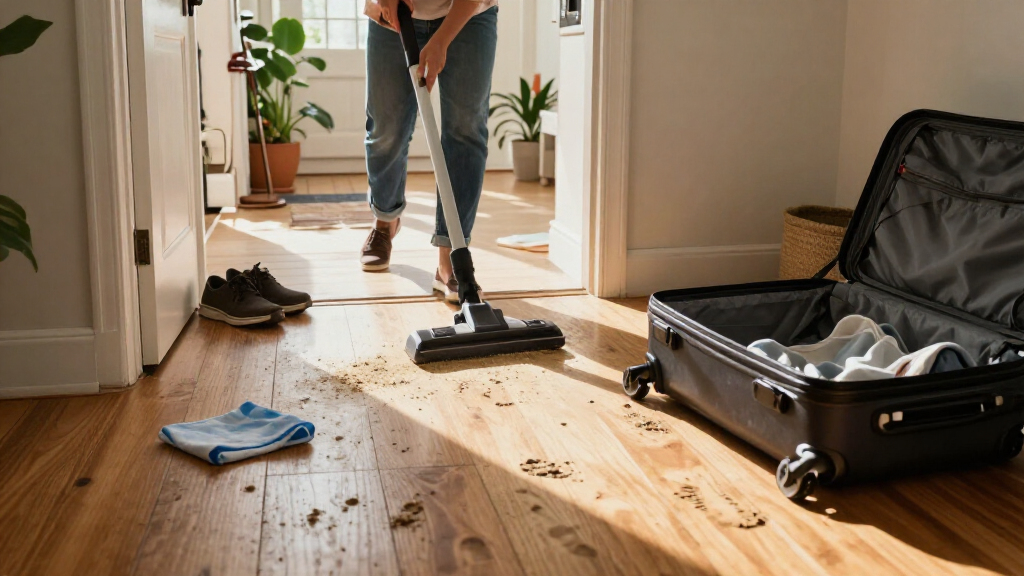
The suitcase is still by the door, your shoes are dusty, and the refrigerator may hold a surprise. Coming home should feel like landing, not like starting a second trip through a list of chores.
A useful reset begins with safety, food, and immediate comfort. You can check the house, deal with questionable perishables, and start laundry before deciding whether the floors, closets, and every travel pouch need attention. That order keeps the first hour manageable and helps you spot a real problem before it gets hidden under unpacked bags.
This guide gives you a practical way to reset your home after a weekend away or a longer holiday. You’ll see what to do first, how to handle the kitchen and bathroom without harsh guesswork, and what can wait until tomorrow. Think of it like unpacking a picnic basket: take care of the things that spoil first, then put everything else away at a steady pace.
Check for leaks, unusual odors, pests, and visible damage before unpacking; leave and seek appropriate help if you suspect a gas or smoke hazard.
Discard perishables with an uncertain refrigeration history instead of relying on smell or taste.
Start one useful load of laundry and unpack medications, toiletries, and tomorrow’s essentials first.
Air out rooms briefly only when outdoor air, weather, and security conditions make it appropriate.
Spread deeper cleaning across the next few days, and prepare for your next return by clearing food, rubbish, and dishes before leaving.
Reset your home after a vacation with a lighter first day
Start with safety, questionable food, and immediate comfort. Leave deeper cleaning and full unpacking for when you have more energy.
First, make the home safe
Look for warning signs before unpacking or switching on appliances.
Look for leaks, unusual odors, pests, visible damage, and power problems.
Confirm doors and windows are secure, and check alarm indicators according to device instructions.
If you suspect gas or smoke, leave and contact the appropriate emergency or utility service.
Handle food with uncertain storage
Smell and taste cannot reliably show whether food stayed at a safe temperature.
- Perishables with an uncertain refrigeration history
- Leftovers, dairy, or cut produce you cannot verify
- Seal food before placing it in the rubbish
- Wipe spills with a surface approved cleaner
- Wash reusable travel mugs and containers
- Clear the sink for the next meal
Make tomorrow easier
A few practical tasks restore daily comfort while the rest can wait.
Start one useful load
Choose clothes or towels you will need soon and follow their care labels.
Unpack what matters
Put away medications, toiletries, and tomorrow’s essentials first.
Refresh the rooms
Air out briefly when outdoor air, weather, and security conditions allow.
Restore kitchen and bath
Clear the sink and restock soap or toilet paper if needed.
Start with a quick safety check before you unpack
Check the home for obvious hazards before unpacking: look for leaks, unusual odors, signs of pests, broken windows, and power problems. If the house seems safe, confirm that doors and windows are secure and that smoke and carbon monoxide alarms appear to be working. A few minutes now can stop you from overlooking a problem while you sort laundry in the next room.
Walk the route from the entry to the kitchen and bathroom with your eyes open. Look beneath sinks for fresh drips, check ceilings for new water marks, and notice whether a room smells smoky, musty, or strongly of gas. A damp patch by the washing machine might mean a hose has loosened; a sharp gas-like odor calls for leaving the area and contacting the appropriate emergency or utility service. Don’t try to mask a warning smell with an air freshener.
Check your alarm indicators according to the device instructions, and use any leak sensor or security alert as a prompt to inspect the relevant area. Smart devices can help, but a notification history doesn’t prove every system worked throughout your trip. If a breaker has tripped or an appliance looks damaged, don’t open electrical equipment or attempt a repair unless you’re qualified; contact a licensed professional when needed.
For example, after four nights away, you notice the kitchen sink cabinet feels damp. Put your bag down, avoid using the area until you understand the leak, and deal with the water before unpacking toiletries nearby. If you find no warning signs, that check can end there. Safety first turns a vague arrival into a clear next step.
Products Worth Considering

Dyson W1 PencilWash Wet and Dry Cleaner with Dok Cordless Wet Floor Cleaner

eufy C28 Robot Vacuum Cleaner and Mop for Pet Hair, 15,000 Pa

LEVOIT Air Purifier for Home, Pets, Bedroom, Smart WiFi
As an affiliate, we earn on qualifying purchases.
Handle the fridge before spoiled food spreads its smell
After a vacation, sort refrigerated food by its storage history and discard perishables that may have been without reliable refrigeration. Check leftovers, dairy, cut produce, and anything you aren’t sure stayed cold. Smell and taste cannot reliably confirm food safety, so don’t sample a questionable container to decide whether it is safe.
Start with the easiest decisions: a takeaway box from before your trip, an opened carton with an uncertain date, or cut fruit you meant to eat the day you left. Remove food carefully, then wipe spills with a cloth and a cleaner approved for the surface. If a shelf has a sticky ring from a tipped jar, take it out only if the appliance instructions say it is removable, and wash it as directed.
Suppose you come home Sunday night to a fridge with milk, half an onion, and a bowl of leftovers. If you can’t establish how long an item has been stored or whether it remained properly chilled, discard it rather than risking a stomach upset. Seal discarded food before placing it in the rubbish, particularly if you’ll leave the bin indoors overnight. That small step keeps a sour smell from taking over the kitchen.
Once the uncertain food is gone, wash reusable travel mugs and containers, clear the sink, and check whether anything needs replacing before breakfast. Don’t mix cleaning products or use a stronger cleaner than the fridge manufacturer recommends. A clean shelf and a clear sink make the kitchen usable again, even if you postpone a full pantry sort until another day.
Use this 20-minute sequence to make the house feel normal
A short, ordered reset gets the essentials moving without asking you to clean every room on arrival. The exact time depends on what you find, but this sequence gives you a useful starting point: protect safety and food first, then handle the small tasks that improve comfort quickly.
- Minute 0–5: Put down your bags, check for leaks, unusual smells, pests, and visible damage, and confirm doors and windows are secure.
- Minute 5–10: Inspect the fridge and discard perishables whose storage history is uncertain. Wipe obvious spills.
- Minute 10–15: Start a load of clothes or towels you’ll need soon. Separate items according to their care labels.
- Minute 15–20: Put away medications and toiletries, clear the sink, and restock soap or toilet paper if needed.
This is a sequence, not a race. If you return late with a sleeping child, you might do only the safety check, food check, and medication setup. If you arrive at noon with energy to spare, you can add the next load of washing or sweep the kitchen floor. Either way, you have handled the things that make tomorrow morning easier.
Consider two travelers returning from a three-day trip. One spends an hour sorting every suitcase and goes to bed with wet towels in a heap. The other starts towels immediately, puts away medicines, and leaves souvenirs for the next day. The second routine protects useful time: laundry can run while you eat, shower, or rest. Keep the list flexible enough to fit your actual return, rather than treating the first evening like a housekeeping inspection.
Freshen the air without fighting the weather or your equipment
Air out your home briefly only when outdoor air, weather, and security conditions allow. Opening a window can clear a stale, closed-up feeling, but it isn’t a good choice during poor outdoor air quality, heavy rain, extreme temperatures, or when an open window would compromise security. A few minutes of ventilation can help; leaving windows open for hours is rarely necessary.
Before opening anything, check the conditions outside and look at the rooms that might hold lingering odors. A bedroom can smell a little stuffy after a week shut up, while a bathroom may smell damp because a towel didn’t dry fully. If airing is appropriate, open a window briefly and close it again when the room feels fresher. Then check that your heating, cooling, or ventilation seems to be running normally.
Set the thermostat to a comfortable, ordinary setting for your home and local climate. Avoid extreme adjustments in an attempt to cool or warm the place as fast as possible; your system may not work that way, and the manufacturer’s guidance matters. If a vent makes a new rattling noise or the system gives off a persistent unusual odor, switch to the equipment instructions and seek qualified help where appropriate.
For example, you return to a warm apartment with all windows closed. If the outdoor air is clean and the street is quiet, a brief window opening while you change clothes can make the space feel less stale. If smoke from nearby cooking or traffic is drifting in, keep the window closed and use ventilation as your system allows. Fresh air is useful when the conditions support it; it shouldn’t become another chore or a reason to ignore an equipment problem.
Start laundry and unpack what you’ll need tomorrow
Wash the travel items you need soon and unpack essentials first; the rest can wait. Start with towels, workout clothes, or a work shirt, then follow care labels and separate items as you normally would. A suitcase full of clothes can wait a day if you have clean basics ready for the morning.
Empty the bag onto one surface instead of scattering clothes across the bed. Pull out medications, glasses, chargers, toiletries, and any documents you’ll need soon, then put them in their usual places. This is especially helpful if you return before a workday: a charger on the desk and a clear laptop space can save a frantic search at breakfast.
Don’t leave damp swimwear or sweaty clothes packed in a closed suitcase. That warm, sour smell can cling to fabric and the bag lining. If an item is delicate or has special cleaning instructions, set it aside rather than tossing it into a hot wash. For a muddy pair of shoes, let the soil dry before brushing it off, then follow the material’s care guidance.
Imagine you get back from a beach weekend at 8 p.m. You need a towel and clean clothes the next day, but you don’t need every souvenir sorted before bed. Put wet items in the wash, unpack toiletries, and place travel papers where you can find them. Essentials first keeps tomorrow simple, while a basket for clean laundry gives the rest a temporary home instead of letting it sprawl across the room.
Make the kitchen and bathroom ready for your next morning
Restore the kitchen and bathroom basics you need for everyday use: clear the sink, wash reusable bottles and containers, and check for soap and toilet paper. You don’t need to scrub grout or reorganize a cabinet to make these rooms comfortable again. Focus on what you’ll touch first thing tomorrow.
In the kitchen, wash travel mugs and food containers promptly, especially if they held coffee, milk, or a meal. Follow their care instructions, and don’t assume every lid belongs in the dishwasher. Wipe crumbs and any visible counter spills with a surface-appropriate cleaner; a quick sweep can lift the sandy grit that often follows a beach trip.
In the bathroom, put away toiletries and check the sink, toilet, and shower for anything that needs attention. A quick rinse can remove residue from a travel bottle that leaked in your bag. If the room smells musty, check damp towels and the drain area, and use cleaning products only as their labels direct. Never mix cleaners, especially products containing bleach with other household cleaners.
For example, a family arriving home after a week away may find the bathroom fine but the kitchen sink piled with a few cups they left behind. Washing those cups, replacing the empty hand soap, and wiping the counter makes breakfast feel possible without starting a deep clean. Small, visible resets change how a room feels: a clear counter and fresh towel can make a tired home seem welcoming before you tackle anything bigger.
Check plants, deliveries, and the settings you changed before leaving
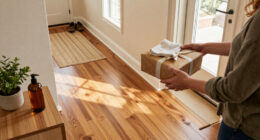
Check plants, incoming mail, deliveries, and household settings after the urgent chores are under control. Water plants according to their actual needs, not a blanket rule: a thirsty herb pot may need attention, while a succulent in damp soil may need none. Bring parcels and mail inside, and review any timers or smart-home settings you changed before leaving.
Look at each plant’s soil and leaves. If a pot feels dry and the plant’s care instructions call for watering, give it a measured drink and let excess water drain. A plant with yellow leaves may be reacting to too much water rather than too little, so avoid trying to fix every wilted leaf at once. If someone cared for your pets, follow their handoff notes and return pets to their usual feeding and walking schedule.
Smart thermostats, lights, leak sensors, and security systems may make arrival smoother, but check their current status and connection rather than assuming they worked throughout the trip. Review thermostat schedules and any vacation mode you activated. If you rely on a home office, test the internet connection and gather chargers or work equipment so your first work session doesn’t begin with a hunt through travel bags.
Picture coming back from a ten-day trip to find a parcel on the step and the thermostat still in vacation mode. Bring the delivery inside, check the device, and restore a normal comfort setting suited to your climate and equipment. Then collect mail before it piles up in the entry. These small checks close the loop between preparing to leave and settling back in.
Save the deep clean for a day when you have more energy
You usually don’t need to clean the whole house on arrival; prioritize the rooms and tasks that affect safety and daily comfort, then spread deeper cleaning across the next few days. The right amount depends on trip length, household needs, and what you find. A weekend away may call for little more than a fridge check, one laundry load, and a clear entryway.
Try dividing tasks into “tonight,” “tomorrow,” and “later this week.” Tonight might include food safety, medications, a shower, and clean clothes. Tomorrow could bring vacuuming the sand by the door, washing the remaining travel clothes, and wiping the bathroom mirror. Later in the week, you can sort souvenirs or clean out the suitcase lining if it needs attention.
This pace helps you notice what actually needs cleaning. A sealed bedroom may only need a quick dust, while a kitchen floor with crumbs and tracked-in grit needs a sweep. Use the right method for the surface: check care guidance for natural stone, finished wood, and appliance interiors, and avoid soaking materials that can swell or stain. A soft brush or damp cloth may be enough for a small mess.
For instance, if you return from a two-night city break close to midnight, you may be tired and still have work in the morning. Check safety, discard uncertain food, put away medication, and set out clean clothes. Leave closet organization and the spare-room vacuum for a better day. A realistic reset protects your energy and makes the home feel settled in useful stages instead of turning one evening into a marathon.
Make your next return easier before you leave
A little preparation before your next trip makes coming home easier: clear perishables, take out rubbish, wash or put away dishes, and leave the sink empty if you can. Set the thermostat according to your home, local climate, and equipment guidance, and arrange for mail or deliveries to be handled. These small habits reduce the number of decisions waiting for you at the door.
On the evening before leaving, check the refrigerator for food that won’t last until you return. Freeze suitable items or use them for dinner, rather than leaving a half-finished container to become a mystery. Empty kitchen rubbish and make sure damp towels aren’t sitting in a heap. If you have plants or pets, confirm care arrangements and leave clear instructions for the person helping you.
Put a short arrival note somewhere you’ll see it, such as in your phone: “check fridge, start towels, unpack medicine.” A short list is more likely to help when you’re tired than a detailed house-cleaning schedule. If your home uses smart devices, note which settings you changed so you can restore them without guessing later.
For a Friday-to-Sunday getaway, this preparation might take ten minutes: finish the milk, wash the coffee mug, take out the rubbish, and ask a neighbor to bring in parcels. You’ll return to fewer smells, less clutter, and a kitchen ready for breakfast. The best reset starts before the trip, but it doesn’t require a spotless home—just a few practical choices that leave fewer loose ends.
Frequently Asked Questions
What should I do first when I get home?
Check for obvious safety issues first, then inspect the refrigerator and start one useful load of laundry. Look for leaks, unusual smells, pests, or visible damage before unpacking around them. If anything suggests gas, smoke, or another immediate hazard, leave the area and contact the appropriate emergency or utility service.
How long should a post-vacation reset take?
It depends on the length of your trip and what needs attention. A basic reset can be brief: check the home, sort questionable food, and prepare essentials for tomorrow. A longer trip may mean more laundry and mail, but you can spread deeper cleaning across several days.
What food should I throw away after a trip?
Discard perishables that may not have stayed reliably refrigerated or whose storage history you can’t establish. That can include leftovers, dairy, and cut produce. Don’t rely on a food’s smell or taste to tell you whether it is safe.
Should I open the windows when I get home?
Open windows briefly if the outdoor air, weather, and security conditions are suitable. A short airing can ease a closed-up smell, but keep windows shut when air quality is poor, weather is harsh, or security is a concern. Use your ventilation system according to its instructions.
What if I return late and feel too tired to clean?
Do only the essentials that affect safety and tomorrow’s needs. Check for hazards, handle food with uncertain storage, put away medication, and set out clean clothes if needed. Leave sorting souvenirs, vacuuming, and other deeper cleaning for another day.
How can I make coming home easier next time?
Clear perishables, take out rubbish, and leave the sink tidy before you go. Arrange for mail or deliveries, confirm plant or pet care, and note any thermostat or smart-home settings you change. Those few steps can make your home feel more welcoming when you return.
Conclusion
Reset your home in order of need: safety, food, laundry, then comfort. Put away the items you’ll need tomorrow and let the deeper cleaning wait until you have the time and energy for it.
A calm return isn’t a perfectly scrubbed house; it’s a clear sink, fresh clothes, and a kitchen where breakfast can happen. Let the suitcase wait while home starts feeling like home again.