
TL;DR

Get cleaning gear delivered free with Prime
- Fast, free delivery on millions of items
- Prime Video, Amazon Music and more included
- Member-only deals all year
Most people miss key monthly cleaning jobs that prevent mold, improve air quality, and extend appliances’ lifespan. This guide highlights those neglected areas and how to easily incorporate them into your routine.
Ever feel like your home is cleaner than it looks? The truth is, routine wiping and vacuuming only scratch the surface. Hidden spots—under appliances, inside vents, behind furniture—accumulate dust, grease, and moisture, quietly impacting your health and home’s integrity.
Most people overlook these areas because they seem minor or take extra time. But neglecting them can cause mold, bad odors, or appliance failure. This guide reveals the monthly tasks you’re likely skipping—and why you should start paying attention.
Regularly clean hidden moisture-prone areas like bathroom grout, refrigerator coils, and vent filters to prevent mold and improve air quality.
Incorporate simple steps into your routine—like descaling showerheads and vacuuming under furniture—to avoid costly repairs and health issues.
High-touch household items, including door handles and remote controls, should be disinfected monthly to reduce germ spread.
Use a step-by-step checklist to tackle neglected jobs efficiently, splitting tasks across several days or weekends.
Pay attention to appliance filters and vents—cleaning and replacing them regularly saves energy and prolongs equipment lifespan.
The Monthly Cleaning Checklist Most People Skip
Weekly wiping handles what you can see. A focused monthly reset tackles the moisture, grease, lint, dust, and residue hiding where health risks and expensive problems begin.
“Monthly” is a planning rhythm—not a rule that every object must be deep-cleaned every four weeks.
Start with leaks, grout, filters, vents, gaskets, drains, and other places where dampness or restricted airflow can persist.
Pets, allergies, children, heavy cooking, smoke, and high humidity can shorten the interval.
Clean beyond the visible surface
The most useful monthly checklist targets slow-building problems. Look for trapped moisture, restricted airflow, greasy residue, allergens, leaks, odors, and worn seals before reaching for a stronger cleaner.
Restore airflow and food zones
- Degrease the range hood, filter, backsplash, and cabinet fronts.
- Wash refrigerator shelves, drawers, seals, and drip areas.
- Clean the dishwasher filter, spray arms, gasket, and dispenser.
- Inspect beneath the sink for leaks, odors, moisture, or pests.
Interrupt mold-friendly conditions
- Clean grout, caulk, drain covers, overflow openings, and behind the toilet.
- Descale fixtures when mineral deposits are visible.
- Wash bath mats, liners, fan covers, and damp countertop holders.
- Check condensation, damaged caulk, mildew, and slow leaks.
Capture what weekly vacuuming misses
- Vacuum beneath beds, sofas, cushions, and movable furniture.
- Dust fans, vents, baseboards, blinds, lampshades, and tracks.
- Wash protectors, throws, covers, and pet bedding by care label.
- Inspect hidden corners for insects, dampness, or mold-like growth.
Protect hard-working appliances
- Clean the washer drawer, gasket, filter, and drum as directed.
- Remove lint around the dryer and inside the screen housing.
- Inspect the dryer vent connection for damage or obstruction.
- Clean vacuum filters, brush rolls, and dust containers.
Check filters and alarms
- Inspect HVAC, air-conditioner, purifier, and dehumidifier filters.
- Replace filters according to condition and product instructions.
- Test smoke and carbon-monoxide alarms using approved guidance.
- Investigate recurring dust or humidity instead of masking it.
Reset overlooked household items
- Clean handles, switches, remotes, keys, railings, and controls.
- Wash bins, doormats, pet bowls, toys, carriers, and feeding mats.
- Clean mop heads, brushes, buckets, and microfiber cloths.
- Review cleaning-product storage and dispose of waste locally.
A practical sequence for one monthly session
Work from appliance maintenance to moisture control, then finish with dust and filters. Split the sequence across several days if a single session feels too large.
Fridge zone
Unplug if required. Inspect coils and drip areas; vacuum or clean only as the manufacturer recommends.
Fixtures
Descale showerheads and faucets where deposits are visible, using a method suitable for the finish.
Grout
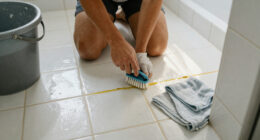
Clean kitchen and bathroom grout, then inspect caulk and surrounding surfaces for recurring moisture.
Hidden floors
Vacuum under furniture and behind movable appliances with a crevice tool for narrow edges.
Filters
Check HVAC, vacuum, purifier, washer, and other filters; service each one according to its manual.
Bleach can release dangerous gases when combined with ammonia, acids, vinegar, or incompatible products.
A disinfectant must remain visibly wet for the full label-specified time to work as intended.
Excess detergent or cleaner can leave residue that attracts soil and may irritate skin or airways.
Two rhythms, different jobs
Weekly cleaning controls visible dirt. Monthly maintenance reaches concealed areas and components that need inspection, washing, descaling, or servicing.
| Area | Weekly rhythm | Monthly focus | Why it matters |
|---|---|---|---|
| Kitchen | ✓Counters, dishes, visible spills | ✓Hood filter, refrigerator zones, dishwasher filter | Grease, odors, hygiene, and appliance airflow |
| Bathroom | ✓Sink, toilet, shower surfaces | ✓Grout, drains, fan cover, caulk, mineral deposits | Moisture control and early leak detection |
| Living spaces | ✓Open floors and quick dusting | ✓Under furniture, vents, fans, tracks, upholstery | Reduced reservoirs of dust, dander, and allergens |
| Appliances | ~Exterior wipe-down | ✓Filters, gaskets, drawers, housings, connections | Efficiency, odor prevention, and longer service life |
| Disinfection | ✗Not universally required everywhere | ~Use when illness, contamination, or risk warrants it | Cleaning removes soil; disinfection targets specified germs |
Frequency should respond to actual conditions, care labels, manufacturer instructions, local safety guidance, household health needs, and visible contamination.
Let risk—not perfection—set the order
The best checklist starts where moisture, grease, restricted airflow, or repeated contact create the greatest downstream impact. Cosmetic dusting can wait behind an active leak or clogged filter.
of household mold issues were attributed to neglected moisture-prone areas.
This figure is presented in the supplied article material and attributed there to an anonymous researcher. Treat it as a directional claim, not a independently verified universal rate. The practical lesson remains sound: investigate moisture promptly.
Hood, refrigerator zones, dishwasher, bins, handles, and sink cabinet.
Grout, drains, fixtures, fan cover, mats, liners, caulk, and leaks.
Furniture undersides, fans, vents, tracks, textiles, and touchpoints.
Washer, dryer, filters, vacuum parts, alarms, pet items, and tools.
Small tasks prevent larger problems
The real value of monthly cleaning is the chain reaction: earlier detection and better maintenance support hygiene, indoor comfort, appliance performance, and home safety.
Inspect the connection and surrounding lint each month, but arrange periodic complete vent inspection and cleaning at an interval appropriate for the appliance, vent design, usage, and professional guidance.
Why Your Home Needs More Than Weekly Cleaning
Weekly cleaning keeps visible dirt at bay, but some messes and hazards build up slowly. Think of your home as a living organism—moisture, dust, and grease settle into places you rarely see. Over time, these hidden spots become breeding grounds for mold, bacteria, and allergens.
For example, a kitchen backsplash or bathroom grout can harbor mold spores if ignored for months. These micro-dirt layers impact air quality and can trigger allergies or asthma. Addressing these issues monthly prevents small problems from becoming costly repairs or health risks.
The secret isn’t cleaning everything every day, but focusing on the neglected corners that trap moisture or dust. A quick monthly inspection can save you frustration and health expenses down the line.
Products Worth Considering

Dyson Ball Animal Total Clean Upright Vacuum

LEVOIT Vital 100S-P Smart Air Purifier with Washable Pre-Filter

Ring Battery Doorbell and Chime (3rd Gen), Satin Nickel
As an affiliate, we earn on qualifying purchases.
The Hidden Kitchen Dirt Most Miss Monthly
Your kitchen is a grease magnet. Over a month, grease splatters settle on the range hood, filters, backsplash, and cabinet fronts—often ignored because they seem hard to reach or time-consuming. But these build-up layers can trap dust, odors, and bacteria, making your kitchen less sanitary.
For example, a typical range hood filter can collect a quarter inch of greasy grime in a month—reducing its efficiency and inviting fire hazards. Cleaning these parts monthly ensures proper airflow and reduces smoke smells.
Don’t forget the fridge. Shelves and drawers accumulate spills, expired food, and crumbs. Regularly removing and washing them prevents mold and keeps your food fresher longer. Plus, wiping appliance handles and drawer pulls reduces germ transfer, especially during cold and flu season.
Bathroom Grime You Can’t See But Should Clean Monthly
Bathrooms are humid zones—perfect for mold, mildew, and mineral deposits. Many skip descaling showerheads or cleaning grout because it’s time-consuming. But mineral buildup can clog fixtures and cause water pressure issues.
For example, a showerhead clogged with limescale can reduce water flow by 30%, making your showers less satisfying and wasting water. Cleaning grout and caulk monthly keeps mold spores at bay and prevents damage to tiles.
Don’t forget drain covers, which trap hair and residue. Clearing these prevents slow drains and unpleasant odors. Also, wipe down damp surfaces like countertops and around the toilet to avoid recurring mildew.
The Overlooked Living Room and Bedroom Spots That Gather Dust
Soft furnishings, electronics, and hidden corners gather dust and allergens that impact air quality. Vacuuming under beds and sofas monthly removes trapped dust mites and pet dander.
For example, a dusty mattress can harbor over 2 million dust mites, which aggravate allergies. Washing mattress protectors and pillow covers monthly cuts down on these tiny invaders.
Ceiling fans, vents, and baseboards are often forgotten during weekly chores. Monthly dusting with a damp microfiber cloth captures stubborn particles and prevents them from circulating in your home’s air.
Cleaning electronic remotes, switches, and door handles reduces germ buildup, especially during cold seasons. These often-overlooked spots significantly improve your home’s hygiene and air quality.
Why Ignoring Laundry and Utility Areas Is Costly
Laundry rooms hide lint buildup, mold, and dust that can cause machinery failure or health issues. Monthly cleaning of your washing machine’s gasket, detergent drawer, and filter prevents odors and keeps it running smoothly.
For example, a clogged lint trap in your dryer can increase drying time by 25% and pose a fire risk. Cleaning lint screens and inspecting vents monthly cuts energy costs and prevents dangerous fires.
Your HVAC and air filters also need monthly checks. Dirty filters force your system to work harder, raising electricity bills and spreading dust or mold spores. Replacing filters regularly improves indoor air quality and prolongs appliance life.
Don’t forget to test smoke and carbon monoxide alarms each month, ensuring your safety in case of emergencies.
High-Touch Household Items That Need Monthly TLC
Door handles, light switches, and remote controls are germ magnets. Wiping them monthly with a damp cloth or disinfectant reduces the spread of bacteria and viruses.
Imagine a family with children—these surfaces can harbor thousands of germs in a month. Regular disinfection creates a healthier environment, especially during flu season.
Pet bowls, feeding mats, and toys also need monthly cleaning. Bacteria and mold can grow if not washed frequently, risking your pet’s health and spreading germs in your home.
Review your cleaning product storage. Outdated or unusable chemicals should be disposed of safely, avoiding accidental exposure or environmental harm.
How to Tackle the Most Overlooked Monthly Tasks in 5 Simple Steps
- Inspect and clean refrigerator coils and drip pans—unplug the fridge first, then vacuum coils and wipe drip areas with a damp cloth.
- Descale showerheads and faucets—unscrew, soak in vinegar, then scrub mineral deposits.
- Deep clean kitchen and bathroom grout—use a baking soda paste and scrub with an old toothbrush.
- Vacuum under furniture and behind appliances—move furniture if needed, and use a crevice tool for tight spots.
- Check and replace filters in HVAC, vacuum cleaners, and air purifiers—follow manufacturer instructions for each device.
Doing these steps monthly prevents build-up, keeps appliances running efficiently, and improves air quality.
Comparison Table: Weekly vs. Monthly Cleaning Tasks
| Weekly Cleaning | Monthly Deep-Cleaning |
|---|---|
| Surface wiping, vacuuming, quick bathroom wipe-downs | Inspect and clean hidden spots, deep grout cleaning, appliance maintenance |
| Kitchen counters, dishes, laundry | Refrigerator coils, vent filters, behind appliances |
| Trash removal, quick dusting | Vent covers, ceiling fans, under furniture |
| Electronics and high-touch items | Deep cleaning of mattresses, upholstery, and vents |
Frequently Asked Questions
Which cleaning tasks truly need to be done every month?
Focus on cleaning refrigerator coils, bathroom grout, vent filters, high-touch items, and inspecting moisture-prone areas like under sinks and behind appliances. These tasks prevent mold, odors, and equipment failure.
How long should a complete monthly cleaning routine take?
It depends on your home size, but most people spend about 1 to 2 hours spread across several days. Breaking tasks into manageable chunks makes it less overwhelming and more effective.
How can I split the checklist across several weekends?
Divide tasks into categories—kitchen, bathroom, living areas, appliances, and household items. Assign one category per weekend, focusing on deep cleaning and inspection, so it feels manageable and consistent.
What areas should be inspected for leaks and pest activity?
Check under sinks, around appliances, behind toilets, and in basement or crawl spaces monthly. Look for moisture, stains, or pests—address issues early to avoid bigger problems later.
What is the safest way to clean a washing machine?
Use a mixture of equal parts white vinegar and water to run an empty cycle. Clean the gasket with a damp cloth, and remove any lint or debris from the filter. Follow manufacturer instructions for your model.
Conclusion
Taking a few minutes each month to clean the overlooked corners of your home pays off in cleaner air, fewer allergies, and better appliance performance. It’s not about doing everything at once, but about catching what slips through routine chores.
Next time you look around, think about the hidden spots that silently gather dirt and moisture. Making them part of your regular routine transforms your home into a healthier, happier space — without extra fuss or chemicals.