TL;DR

Get cleaning gear delivered free with Prime
- Fast, free delivery on millions of items
- Prime Video, Amazon Music and more included
- Member-only deals all year
Spring cleaning isn’t just about surface tidying — it’s a chance to refresh your space and health. This guide walks you through planning, decluttering, deep cleaning techniques, and eco-friendly tips to do it right and keep your home feeling fresh year-round.
Imagine opening your windows on a breezy spring day. The sunlight pours in, illuminating dust bunnies and clutter lurking in every corner. That’s your cue — it’s time for a real deep clean, not just a quick swipe. Spring cleaning is about more than aesthetics; it’s a health boost, a mental reset, and a chance to breathe fresh life into your home.
In this guide, you’ll learn how to do it the right way — with practical steps, eco-friendly tips, and a plan that fits your schedule. No hype, just honest advice to transform your space and keep it that way. Let’s get started!
Create a detailed cleaning checklist and set a realistic schedule to stay organized.
Decluttering before cleaning saves time and makes your space feel instantly bigger.
Focus on deep-cleaning tasks like behind appliances, windows, and ceiling fans for a real refresh.
Use natural, eco-friendly cleaners like vinegar and baking soda to keep your home safe and green.
Develop daily habits like wiping counters and vacuuming high-traffic areas to prolong your clean.
The Right Way to Spring Clean Your Home
Spring cleaning is more than surface tidying. It is a planned reset for your space, air quality, routines, and peace of mind: declutter first, deep clean the hidden zones, choose safer supplies, then maintain the freshness with small weekly habits.
Regular deep cleaning can reduce indoor allergens and improve the air your household breathes.
Most homes benefit from a seasonal deep clean, with higher frequency for allergy-prone or high-traffic households.
A checklist turns an overwhelming whole-home project into visible, satisfying progress.
Plan, Then Declutter
Before the scrubbing begins, reduce friction. A room-by-room checklist, realistic schedule, and clear sorting system keep spring cleaning focused and prevent burnout.
Break the Home Into Zones
List tasks by kitchen, bathroom, bedrooms, and living areas. Include hidden spots like ceiling fans, window tracks, baseboards, and behind appliances.
Choose a Real Timeline
Use one focused weekend or spread tasks across several days. For example, clean the kitchen Saturday morning and bedrooms Sunday afternoon.
Keep, Donate, Toss
Clear unused clothes, duplicate gadgets, and dust-catching piles first. Less stuff means less to clean, organize, and maintain.
The Deep-Clean Sequence
Work top to bottom and hidden to visible. These five tasks deliver the biggest difference because they target dust, allergens, grime, mold risk, and the spaces daily cleaning misses.
Ceiling Fans
Dust blades and light fixtures with an extendable duster or microfiber cloth before lower surfaces.
Appliances
Move fridge, stove, washer, and dryer when safe to remove dust, lint, crumbs, and spills.
Windows
Use water and vinegar for glass, then wash or vacuum curtains, blinds, and sills.
Wet Rooms
Scrub counters, sinks, tubs, grout, and high-touch areas with appropriate ventilation.
Soft Surfaces
Vacuum carpets and upholstery thoroughly; steam clean when they need a deeper refresh.
Eco-Friendly Cleaning Wins
Natural cleaners can reduce chemical exposure, fumes, and environmental impact. They may require a little more scrubbing, but the health and sustainability tradeoff is often worth it.
| Feature | Traditional Cleaners | Eco-Friendly Cleaners | Signal |
|---|---|---|---|
| Ingredients | Chemicals, synthetic fragrances, dyes | Vinegar, baking soda, lemon, castile soap | ✓ safer profile |
| Safety | Potential irritants and fumes | Non-toxic options for families and pets | ✓ lower exposure |
| Environmental Impact | Can be polluting or non-biodegradable | Biodegradable with minimal waterway impact | ✓ greener |
| Cost | Often cheap upfront, less sustainable | Comparable, with long-term savings | ~ depends |
| Convenience | Ready-made and specialized | DIY mixes may need repeat application | ~ tradeoff |
Keep It Fresh Longer
The right daily habits prevent buildup, protect air quality, and make future deep cleans easier. Safety matters too: ventilate, read labels, wear gloves, and never mix cleaners.
Low-Effort Habits
- Wipe counters after cooking to prevent grime and bacteria buildup.
- Vacuum high-traffic areas weekly to control dust, dirt, and allergens.
- Put clutter away daily so mess never becomes a weekend project.
- Wash shower curtains regularly to reduce mold and mildew risk.
Safety First
- Open windows and keep air moving when using any cleaning product.
- Store supplies securely away from children, pets, heat, and food.
- Never mix cleaners; vinegar and bleach can create toxic chlorine gas.
- Call professionals for high ceilings, heavy appliances, or risky structural work.
Quick Answers
Spring cleaning works best when it fits your real life. Start early in spring if that feels natural, or choose any window when you can work steadily and safely.
When should I start?
Early spring is ideal, but your schedule matters more than the calendar. Pick a realistic stretch of time.
What natural cleaners work?
Vinegar, baking soda, lemon juice, and castile soap cover glass, odors, grime, and many everyday surfaces.
How often deep clean?
Every 3-6 months is a useful baseline. Homes with pets, allergies, or heavy traffic may need more frequent attention.
Plan Your Spring Clean Like a Pro — Start with a Solid Checklist
The first step to effective spring cleaning? Make a list. It helps you stay focused and avoid missing those hidden spots. Break your checklist into zones — kitchen, bathroom, bedrooms, living areas — and include specific tasks: dust ceiling fans, wash windows, clean behind appliances.
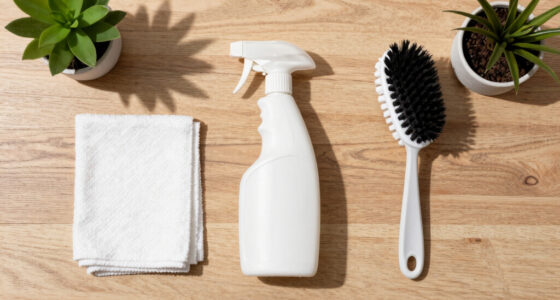
Gather supplies before you begin — microfiber cloths, eco-friendly cleaners, a vacuum with HEPA filter, mop, and scrubbing brushes. Setting a realistic timeline — say, a weekend or spread over a few days — keeps you motivated and avoids burnout.
For example, dedicate Saturday morning to the kitchen, then Sunday afternoon to bedrooms. Creating a plan helps you see progress, making the task feel less overwhelming and more manageable.
As an affiliate, we earn on qualifying purchases.
Declutter First — Clear Out What No Longer Serves You
Before you get into scrubbing, declutter. Clearing out unnecessary stuff instantly makes your space feel bigger and cleaner. Pick a room, grab a box, and sort. Items to keep, donate, or toss — be ruthless.
Imagine finding a pile of clothes you haven’t worn in a year or a stack of unused kitchen gadgets. Toss or donate these to free up space and cut down on dust catchers. Decluttering can cut your cleaning time by nearly half since there’s less to dust, vacuum, and organize.
This step isn’t just about tidiness; it’s about mental clarity, too. A well-organized home reduces stress and makes daily routines smoother.
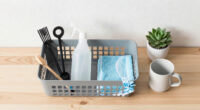
natural vinegar baking soda cleaner set
As an affiliate, we earn on qualifying purchases.
As an affiliate, we earn on qualifying purchases.
Deep Clean Your Home — 5 Tasks That Make the Biggest Difference
Deep cleaning transforms your home from dusty and dull to fresh and inviting. Here are five tasks that deliver the biggest impact:
- Ceiling Fans & Light Fixtures: Dust and grime settle here. Use an extendable duster or microfiber cloth.
- Behind Appliances: Move the fridge, stove, and washer to clean accumulated dust, lint, and food spills.
- Windows & Curtains: Wash windows with a mix of water and vinegar for streak-free shine. Wash or vacuum curtains and blinds.
- Kitchen & Bathroom Surfaces: Scrub countertops, sinks, and tubs with natural cleaners like baking soda and vinegar.
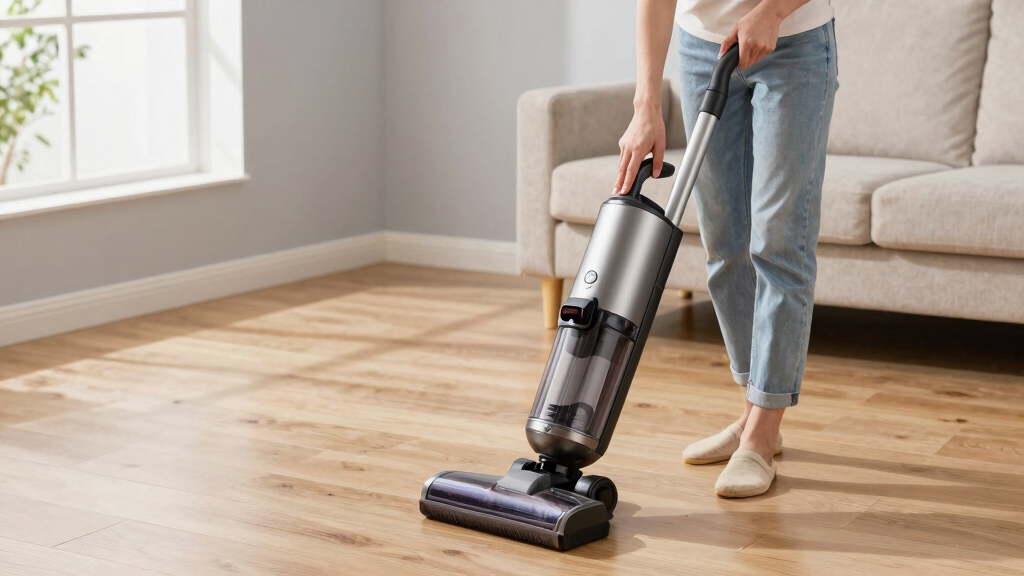
- Carpets & Upholstery: Vacuum thoroughly, then consider steam cleaning for a deep refresh.
Focusing on these tasks matters because they are the primary areas where dirt, dust, and grime tend to accumulate unnoticed but impact your home’s overall cleanliness, air quality, and hygiene. Neglecting them can lead to persistent allergens, mold growth, or bacteria buildup, which can affect health. By prioritizing these, you ensure your space isn’t just superficially clean but genuinely healthier and more inviting. The tradeoff is time and effort, but the long-term benefits—better air quality, fewer allergies, and a more comfortable home—far outweigh the initial investment.
As an affiliate, we earn on qualifying purchases.
Eco-Friendly Cleaning — Safe for Your Home and Planet
Switching to natural cleaners isn’t just trendy — it’s healthier for you, your family, and the planet. Use vinegar, baking soda, lemon juice, and castile soap. They’re effective, affordable, and non-toxic.
For instance, a spray of vinegar and water works wonders on glass and countertops. Baking soda absorbs odors and cleans grime without harsh fumes. Plus, these ingredients are biodegradable and won’t pollute your local waterways.
Here’s a quick tip: make a simple multi-purpose cleaner by mixing equal parts vinegar and water in a spray bottle. Use it on most surfaces for a safe, effective clean.
Understanding why these ingredients matter is key: they are not only safer but also reduce your exposure to harmful chemicals that can cause respiratory issues, skin irritation, or long-term health problems. Additionally, opting for eco-friendly products reduces your home’s chemical footprint, helping to preserve the environment for future generations. The tradeoff might be that natural cleaners sometimes require more frequent application or a little more scrubbing, but the health and environmental benefits make it well worth the effort.
As an affiliate, we earn on qualifying purchases.
Keep Your Home Clean Longer with Simple Habits
Maintaining a clean home doesn’t mean daily scrubbing. Small habits make a big difference. Wipe down kitchen counters after cooking, wash shower curtains regularly, and vacuum high-traffic areas weekly.
Imagine how much easier your weekly clean becomes if you tackle a few quick tasks daily. For example, wiping kitchen surfaces right after dinner prevents buildup, and putting away clutter daily stops mess from piling up.
Set reminders or create a routine. A little effort every day keeps your home fresh and reduces the need for intense spring cleaning each year.
These habits matter because they prevent the buildup of dirt, grime, and clutter, which can make deep cleaning more difficult and time-consuming later. They also promote a healthier living environment by reducing mold, dust, and bacteria growth. While they may seem small, these daily actions create a cumulative effect, making your home consistently cleaner and more comfortable. The tradeoff is minimal effort for maximum long-term cleanliness and health benefits.
Compare Traditional and Eco-Friendly Cleaning Products
| Feature | Traditional Cleaners | Eco-Friendly Cleaners |
|---|---|---|
| Ingredients | Chemicals, synthetic fragrances, dyes | Vinegar, baking soda, lemon, castile soap |
| Safety | Potential irritants, fumes | Non-toxic, safe for children and pets |
| Environmental Impact | Polluting, non-biodegradable | Biodegradable, minimal pollution |
| Cost | Often cheaper, but less sustainable | Comparable, with long-term savings |
Choosing eco-friendly options reduces chemical exposure and pollution, making your home safer and greener. Plus, many natural ingredients work just as well as synthetic cleaners.
Safety Tips for a Healthy Spring Clean
Always read labels and use proper ventilation. Wear gloves when handling strong cleaners, even natural ones like vinegar or baking soda. Keep chemicals out of children’s reach and never mix different cleaners — some combinations produce dangerous fumes.
For example, mixing vinegar and bleach creates toxic chlorine gas. Instead, stick to one cleaning product at a time, and open windows to let fresh air in. Safety first keeps your spring cleaning effective and injury-free.
Remember: if a task feels too high or tricky, call in professionals for high ceilings, behind heavy appliances, or structural work. Your safety comes first.
Frequently Asked Questions
When is the best time to start spring cleaning?
The ideal time is early spring, when the weather warms up and you can open windows for ventilation. However, you can start whenever it fits your schedule — the key is consistency.
What are the most effective natural cleaning solutions?
Vinegar, baking soda, lemon juice, and castile soap are versatile, safe, and affordable options. They work well on most surfaces and don’t leave harmful residues.
How do I clean hard-to-reach areas safely?
Use extendable tools, ladders, or hire professionals for tricky spots like ceiling fans or high shelves. Always prioritize safety and proper equipment.
What are some tips for cleaning specific areas like carpets, windows, or kitchens?
Vacuum carpets thoroughly, then steam clean if possible. Use a vinegar-water mix for streak-free windows. Regularly sanitize kitchen counters with natural cleaners to prevent bacteria buildup.
How can I make spring cleaning more eco-friendly?
Choose natural cleaning ingredients, reduce waste by reusing cloths, and avoid disposable cleaning products. Small changes add up to a greener home.
Conclusion
Spring cleaning is more than a chore — it’s an opportunity to breathe new life into your home. By following a clear plan and embracing eco-friendly practices, you turn a daunting task into a rewarding ritual. Your space will thank you — and so will your health.
Remember, a truly clean home is built on small, consistent efforts. So, grab your supplies, clear your mind, and start fresh. Your brighter, healthier home awaits.
Halloween Picks
halloween
As an affiliate, we earn on qualifying purchases.