
TL;DR

Get cleaning gear delivered free with Prime
- Fast, free delivery on millions of items
- Prime Video, Amazon Music and more included
- Member-only deals all year
A cleaning caddy is a portable container for the cleaning supplies you use often. By keeping essentials together, it can reduce trips to the cupboard, make short cleaning sessions easier to start, and give tools a consistent home. Keep the kit light, use products suited to your surfaces, and follow each label’s storage and safety directions.
You wipe the kitchen counter, reach for a cloth, and realize it’s still upstairs. Then you go looking for the cleaner, find it under the sink, and spot a brush in the bathroom. That stop-and-start pattern can make a five-minute task feel like a project.
A cleaning caddy is a portable container that keeps the supplies you use often in one place. It can help you carry those basics from room to room, spend less time searching, and settle into a repeatable routine. The change is small, but it can remove the little hassles that keep you from getting started.
This guide explains what to put in a useful caddy, how to keep it safe and manageable, and when a basket you already own will do the job. You’ll also see why a cleaning caddy changes everything only when it fits the way you actually clean.
Keep frequently used cloths, gloves, brushes, and suitable cleaners together to reduce searching and backtracking.
Pack for your regular tasks; a light caddy is easier to carry and less likely to become cluttered.
Use room-specific supplies where needed, and check product and surface instructions before cleaning.
Keep products closed in their original labeled containers, never mix them, and store the kit away from children and pets.
A sturdy basket you already own can test whether a portable kit fits your routine.
Why a Cleaning Caddy Changes Everything
Keeping everyday supplies together can reduce searching and backtracking, making short cleaning sessions easier to start. The best kit fits your routine and stays light and safe to carry.
How it helps
A caddy keeps regular tools close at hand as you move between rooms.
Keep basics together
Cloths, gloves, a brush, and suitable cleaners are easier to find when they share one home.
Carry your tools along
Move through familiar tasks without returning to the cupboard for each item.
Reduce little interruptions
Having supplies ready can make a quick cleanup feel more manageable.
Build a useful kit
Start with what your regular tasks actually need, then adjust after using it.
Pack cloths, gloves, a small brush or sponge, and cleaners suited to your surfaces.
Choose a stable container that feels comfortable when loaded; remove items that make it heavy or awkward.
Notice what you fetch repeatedly and what stays unused. A sturdy basket you already own can work.
Keep tasks and rooms in mind
One cleaner or tool may not suit every surface or room.
- Keep frequently used supplies together.
- Use products approved for the surfaces you clean.
- Separate tools when they belong to different rooms.
- Check product and surface instructions before use.
Store supplies safely
A tidy caddy still needs careful handling.
- Keep products closed and upright in their original labeled containers.
- Follow each label’s directions for use and storage.
- Never mix cleaning products.
- Keep the caddy out of reach of children and pets.
A small kit can stop cleaning from turning into a scavenger hunt
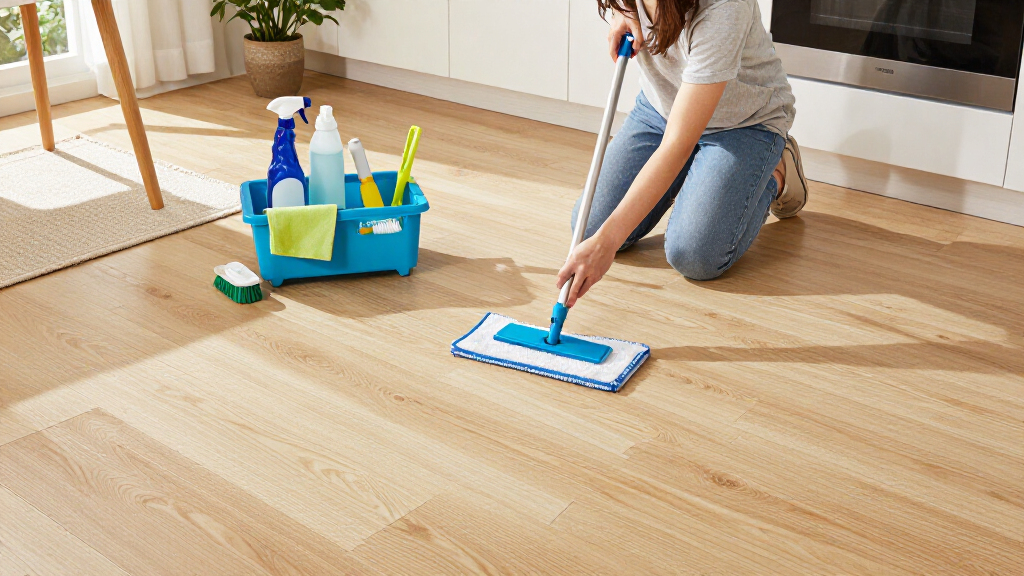
A cleaning caddy is a portable container for frequently used cleaning supplies. Its practical job is to bring those items with you, so you don’t keep walking back to a cupboard or searching through several rooms. The caddy works like a well-packed picnic basket: the point is having the right few things close at hand, not carrying the whole kitchen.
Say you plan to wipe the bathroom sink, mirror, and tap. If your cloth is in the laundry, your brush is under the kitchen sink, and the appropriate cleaner is in a hall cupboard, you have to gather everything before the actual cleaning begins. A caddy with those routine supplies already together trims away that setup.
Portable simply means easy to move between the places you clean. It might be a handled basket, a divided plastic bin, or a sturdy container you already have. Choose something that stands securely and feels comfortable when loaded; a caddy that tips or digs into your hand can create a new annoyance.
The container itself doesn’t clean anything, and it won’t make every task faster. Its value is that your cloths, gloves, brush, and suitable products have one home. After cleaning, returning them to that home makes it easier to find them next time.
Products Worth Considering

Bose SoundLink Flex Bluetooth Speaker (2nd Gen) – Portable Outdoor Speaker with Hi‑Fi Audio, Waterproof and Dustproof, USB‑C, Up to 12 Hours

Levoit Eleva 300X Air Purifier with Sealed HEPA Filtration

Shark HydroVac MessMaster Wet/Dry Vacuum & Mop Combo (AW261)
As an affiliate, we earn on qualifying purchases.
Fewer cupboard trips can make a short cleanup feel doable
A cleaning caddy changes everything most when it removes interruptions from a routine. You can carry the basics to the rooms you plan to clean instead of stopping to collect one item at a time. That doesn’t guarantee a faster clean, but it can make a small task feel simpler to begin and finish.
Imagine crumbs on the kitchen counter, fingerprints on the dining table, and a splash near the sink after dinner. If your cloths and appropriate surface cleaner are together, you can take care of those spots in one pass through the room. Without them, you may wipe one surface, pause to find a fresh cloth, and lose your momentum.
Think of a caddy as a quiet stagehand: it moves the tools into place while you focus on the work. This helps most in homes where supplies live in separate cupboards or where you clean several rooms in short bursts. In a studio with one cupboard near every task, a dedicated carrier may add little convenience.
When people say why a cleaning caddy changes everything, the useful answer is that it can lower the friction between noticing a mess and dealing with it. A container won’t create free time, and repeated trips may be a minor part of your routine. But when searching and gathering are the reasons a quick wipe gets put off, keeping the essentials together gives you fewer chances to abandon the task halfway through.
A steady room-by-room order helps you avoid missed spots
A cleaning caddy can support a repeatable route through your home. When the same few tools travel with you, it’s easier to follow a familiar order, such as high surfaces first and floors last. The caddy doesn’t decide the route; it simply keeps the supplies available as you go.
For example, on a weekly bathroom tidy, you might start with the mirror, move to the sink, wipe the outer surfaces, and finish with the floor. If your cloths and small brush are together, you don’t need to interrupt that sequence to hunt for a tool. If the next room is the kitchen, check that the products you carry suit its surfaces before using them there.
Group supplies by task or room when the same product shouldn’t be used everywhere. A bathroom kit might hold a cloth and brush used for that room, while general-purpose supplies stay in a separate everyday caddy. This helps you keep bathroom tools away from kitchen surfaces and avoid assuming one cleaner fits every material.
A routine should bend to the home. If you’re cleaning a sticky spill, deal with it safely before following the rest of your route. A family with young children may also prefer a small kit kept in a secure place rather than leaving the caddy out between rooms. The goal is a helpful pattern, not a rigid checklist.
A short supply list keeps your caddy useful and easy to carry
A useful caddy holds the items you reach for regularly and stays comfortable to lift when full. You don’t need a bottle for every surface or a tool for every rare mishap. Start with your actual routine, then add an item only if you repeatedly find yourself going back for it.
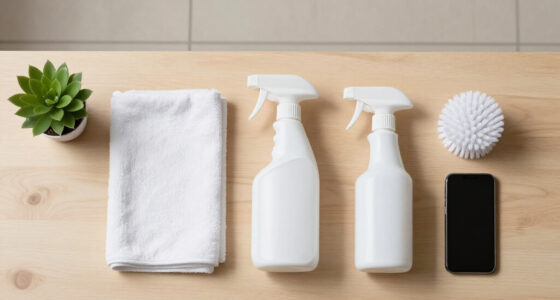
For a quick weekly tidy, a household might pack two microfiber cloths, a pair of gloves, a small brush, and a cleaner approved for the surfaces on that route. If someone in the home tends to spill tea near the table, a spare cloth may earn its place. A bulky specialty product that comes out twice a year can stay in its usual storage spot.
Use these steps to set up a practical kit:
- List your regular tasks. Think about the rooms you clean most weeks and the tools you use each time.
- Start with a small load. Add cloths, gloves, and a brush, then select only the products suited to those jobs.
- Check the weight and balance. Carry the caddy as you normally would; remove items that make it awkward or unstable.
- Try the setup for a week. Notice what you fetch repeatedly and what stays untouched.
- Adjust the contents. Add a genuinely useful item or return rarely used supplies to their regular storage.
Some caddies have divided compartments or removable bins, which can help separate cloths from bottles. A washable, water-resistant material may also be easier to wipe after a spill. Those features suit some routines; they don’t make any one design right for every home.
Safe storage matters more than a perfectly organized kit
Carry cleaning products upright, closed, and in their original labeled containers. Follow each product’s directions for use and storage, and keep the caddy out of reach of children and pets. A tidy arrangement can make supplies easier to see, but it doesn’t make household chemicals safe to handle casually.
For instance, if you carry a surface cleaner and a bathroom product together, keep both sealed and avoid letting one leak onto the other container. Never mix cleaning products. If a label says to use a product only on certain surfaces or with specific precautions, follow those directions even if you’re moving quickly through a routine.
Choose products for the surface, not just for convenience. A cleaner appropriate for a sealed countertop may not suit natural stone, painted wood, or a delicate finish. Check the surface manufacturer’s care guidance when you’re unsure, and test an unfamiliar product in a hidden spot if its directions recommend that step.
Ventilation and protective gear still matter. Open a window or use other ventilation when the product label calls for it, and wear gloves if directed or if your skin is sensitive. The caddy is a carrier, not a substitute for product instructions, good ventilation, or safe handling.
Keep the kit simple: labeled products, closed caps, and no mixing.
The best caddy fits your home, even if it isn’t a caddy
The right cleaning carrier is stable, easy to wipe, and large enough for your regular essentials. A handled container can help when you move between floors; a small bin may suit a compact flat with one cleaning cupboard. What matters is whether it makes your routine easier to carry out.
Consider a household that cleans a small apartment in short sessions. A lightweight basket with space for cloths, gloves, and one or two suitable products may be enough. A larger divided carrier might help someone moving between upstairs bathrooms, but it can become heavy if every compartment collects a rarely used bottle.
A basket or sturdy container you already own can work just as well. You don’t need to buy a new product to test the idea. Try grouping your usual supplies in a clean container for a week. If you find yourself carrying it from room to room and putting items back afterward, the setup is serving a purpose.
Room-specific kits can help when tools or products should stay separate, such as supplies used only in the bathroom. Refill or concentrate systems may reduce how many or how large the bottles you carry, but they’re optional and depend on the product. Keep any refill container clearly labeled and follow its manufacturer’s instructions; never put cleaning products in a bottle that could be mistaken for a drink container.
A caddy should earn its place by helping you clean. If it crowds a cupboard, gets too heavy, or turns into storage for every spare product, simplify it. The useful size is the smallest one that comfortably carries what your routine needs.
A two-minute reset keeps supplies clean and ready
A quick reset after each cleaning session helps keep the caddy organized and ready for the next one. Put bottles back upright, return brushes and cloths to their places, and remove anything you used in a different room. That small reset prevents damp tools and forgotten supplies from collecting at the bottom.
Picture finishing a bathroom clean with one wet cloth and a brush carrying a little residue. If you toss both into the caddy, they can leave everything damp or dirty. Let reusable cloths go to the laundry and rinse or store tools according to their care instructions before you pack the carrier away.
Wipe spills when they happen, then clean the caddy periodically according to its material and the manufacturer’s care guidance. Let it dry before returning cloths or tools. A plastic bin may tolerate a simple wash; a fabric carrier may need different care, so check its label instead of guessing.
Use the reset to review what you carried. If a product has been sitting untouched for weeks, return it to its normal storage place. If you repeatedly need a clean cloth halfway through a task, add another one. The caddy stays useful when its contents reflect the way you actually clean, rather than the way you imagined you might clean.
Small changes can make the next cleanup easier to start
A cleaning caddy helps most when it makes one regular task easier, not when it promises to transform your whole home. Pick a routine you often postpone, such as wiping the bathroom sink or clearing kitchen counters after dinner. Gather only the supplies that task needs and keep them together.
Try the setup for several sessions. If you clean the kitchen after supper, notice whether a ready cloth and suitable cleaner help you deal with crumbs and fingerprints before they dry. If the caddy sits untouched by the door, move it closer to the cupboard or simplify its contents. Your setup should follow your habits.
There’s no need to time every pass or buy a special organizer. The practical comparison is whether you spend less attention fetching supplies and more attention finishing the job. For some people, that means fewer trips between floors; for others, it simply means not searching under the sink for a brush.
Keep the caddy light, use products appropriate for each surface, and return everything to its place. That modest routine can turn scattered tools into a ready-to-go kit. If it doesn’t help after a fair try, a nearby shelf or one well-organized cupboard may suit your home better.
Frequently Asked Questions
What should I put in a basic cleaning caddy?
Start with microfiber cloths, gloves, a small brush or sponge, and cleaners suitable for the surfaces you clean regularly. Add supplies based on your routine; you don’t need to fill every compartment.
Should I keep all my cleaning products in one caddy?
Usually, a small selection is easier to carry and organize. Some products are surface-specific or bulky, so leave those in their usual storage place unless your task calls for them. Keep products closed and in their labeled containers, and never mix them.
Is a cleaning caddy worth buying?
It may help if you clean several rooms and often return to fetch supplies. Try a sturdy basket or container you already own first. If carrying your regular supplies together makes the routine easier, you’ll know what features would help before buying anything.
What size cleaning caddy should I choose?
Choose one that holds your regular essentials and feels comfortable to carry when full. A larger container can become heavy or encourage you to pack products you rarely use, so start small and adjust to your routine.
How often should I clean my cleaning caddy?
Wipe up spills when they happen and clean the container periodically according to its material and care directions. Let it dry before putting cloths and tools back inside, and send used cloths to the laundry rather than leaving them damp in the caddy.
Can I carry cleaning chemicals together in a caddy?
You can carry suitable products together if their containers are closed, upright, and kept in their original labeled packaging. Follow each label’s storage and use instructions, keep the caddy away from children and pets, and never mix cleaning products.
Will a cleaning caddy make cleaning faster?
It can reduce trips to fetch supplies and time spent searching, but how much time you save depends on your home and the task. Its most dependable benefit is keeping regular tools organized and close at hand.
Conclusion
Start with one regular cleaning task and carry only the supplies it needs. Keep products labeled and closed, choose tools that suit your surfaces, and return everything to the same place when you finish. If your setup saves you a cupboard trip or makes a quick wipe easier to begin, it’s doing its job.
A useful caddy doesn’t need to be fancy. It just needs to be ready when the next spill leaves a sticky patch on the counter.