TL;DR
Listen free for 30 days with Audible
Thousands of audiobooks and originals — cancel anytime.
Start your free trialAs an affiliate, we earn on qualifying purchases.
Regular cleaning removes coffee oils and bacteria, while descaling tackles mineral buildup. Using vinegar or commercial descalers, combined with machine-specific tips, keeps your coffee fresh and your machine in top shape. Clean often enough to prevent flavor issues and breakdowns.
Ever poured a cup of coffee and wondered why it tastes bitter or off? The culprit is often a buildup of coffee oils, mineral scale, and microbes hiding inside your machine. Cleaning your coffee maker isn’t just about hygiene — it’s about flavor, efficiency, and extending its lifespan.
In this guide, you’ll learn the right way to clean your coffee machine, including how often to do it, what products to use, and the common mistakes to avoid. Let’s get your coffee tasting as good as it should.
Perform a quick daily rinse of the carafe and filter basket to prevent microbial growth.
Use equal parts vinegar and water to deep clean every 1–2 months, especially in hard water areas.
Run full water cycles after vinegar to eliminate smell and taste issues.
Descale with citric acid or commercial descalers every 1–3 months to prevent mineral buildup.
Always check your machine’s manual before using any cleaning product to avoid damage.
How to Clean a Coffee Maker the Right Way
Bitter, dull, or sour coffee is rarely the bean’s fault. Coffee oils turn rancid, limescale chokes the heating element, and reservoirs quietly breed yeast and mold. The fix is a two-part routine — cleaning plus descaling — that takes minutes, costs pennies, and pays back in every cup.
“A dirty coffee maker can harbor yeast, mold, and bacteria — regular cleaning cuts microbial growth by up to 90%.”
Cleaning ≠ Descaling — you need both
Most guides conflate the two and confuse readers. Cleaning removes organic grime; descaling dissolves mineral crust. They target different enemies on different schedules.
Cleaning
Washes away coffee oils, residue, yeast and mold before they turn rancid and bitter — the flavor and hygiene job.
- WhereCarafe, filter basket, lid, reservoir, exterior & warming plate
- HowWarm soapy water after each use; weekly wash for reusable filters
- Tell-tale signBitter, stale, or “off” flavors in a fresh brew
Descaling
Dissolves limescale (calcium & magnesium) that coats internal tubing and the heating element — the performance job.
- WhereInternal water pathways, boiler, heating element
- HowVinegar solution or citric-acid descaler every 1–3 months
- Tell-tale signSlow brewing, gurgling, white crust, cooler or weaker coffee
Deep clean with vinegar — step by step
About 4 cups of each for a standard machine. The mid-cycle pause is the step everyone skips — and the one that does the heavy lifting.
While the cycles run, wash the carafe, drip tray and brew basket in warm soapy water and wipe the exterior — vinegar residue left on metal can corrode it.
Some makers warn vinegar can degrade rubber seals or void warranties — Keurig, for one, pushes its own solution. When in doubt, use a citric-acid descaler.
One skipped clean starts a chain reaction
Neglect doesn’t sit still — it compounds, from flavor to energy bills to the lifespan of the machine itself.
“Brewing with a dirty machine is like brewing with a dirty sponge — and the heater works overtime for a weaker cup.”
Why maintenance pays for itselfHow often to descale? Follow your water
Think of it like brushing your teeth — regular, but timed to your conditions. Harder water means mineral deposits form faster, so the interval shrinks.
What to use — and what never to
The right cleaner depends on the job. Highlighted verdicts reflect manufacturer guidance and residue safety.
| Cleaner / Method | Best For | Verdict | Notes |
|---|---|---|---|
| White vinegar (5%)1 : 1 with water | Deep clean + descale | ✓ Yes | The DIY standard; needs 2–3 plain-water rinse cycles to clear odor. |
| Citric acid solutionFood-grade powder | Descaling | ✓ Yes | Odor-free vinegar alternative; gentler smell, same dissolving power. |
| Commercial descalerUrnex · Durgol · brand solutions | Pod machines, warranty-safe | ✓ Yes | Usually citric-acid-based; the safe pick when the manual warns off vinegar. |
| Baking soda pasteMixed with water | Stubborn carafe stains | ~ Limited | A scrub for stains only — not for internal descaling. |
| Rice + soapy waterUncooked rice swirl | Narrow thermal carafes | ~ Limited | Manual abrasion trick where a sponge can’t reach. |
| BleachAny dilution | — | ✗ Never | Nearly impossible to rinse fully; unsafe residue in the brew path. |
| Submerging the baseSink or dishwasher | — | ✗ Never | Wipe the base and warming plate only; only removable parts get washed. |
Every brewer has its own ritual
The vinegar method covers drip machines. Everything else gets its own playbook — plus a filter swap roughly every 60 days or 60 reservoir refills on machines with charcoal filters.
Drip Coffee Maker
The full vinegar routine above, every 2 months. Wash carafe and basket daily; check the manual before any product.
Keurig / Pod Machines
Descale every 3–6 months with the brand solution, clean the exit needle, and never leave standing water in the reservoir.
Espresso Machine
Backflush regularly, wipe and purge the steam wand after every milk drink, and brush the group head weekly.
French Press
Disassemble the plunger after each use — oils hide under the mesh screens and turn rancid fast.
Moka Pot
Rinse only — no soap on aluminum. Inspect the rubber gasket and filter plate monthly for wear and buildup.
Pour-Over & Filters
Rinse the dripper after every brew and soap-wash weekly; wash reusable metal filters so oils never become a mold bed.
Why Regular Cleaning Keeps Your Coffee Tasting Fresh
Cleaning your coffee maker regularly is like giving your taste buds a fresh start. Coffee oils and mineral deposits can turn your brew bitter, dull, or sour. These residues don’t just affect flavor—they can also create a breeding ground for bacteria and mold, which thrive in warm, moist environments inside your machine. Over time, microbial growth can pose health risks and further degrade coffee quality.
Imagine a machine that’s clogged with scale and grime — it’s like brewing with a dirty sponge. Not only does this impair flavor, but it also forces the machine to work harder, reducing its lifespan and increasing energy consumption. Regular cleaning removes these deposits, ensuring optimal heat transfer and water flow, which are crucial for extracting the best flavor and maintaining efficiency. Neglecting this maintenance can lead to a decline in coffee quality and potential health hazards, as microbial growth can introduce unwanted pathogens into your brew.
Furthermore, scale buildup acts as an insulator on heating elements, causing the machine to work harder to reach the desired temperature. This inefficiency not only wastes energy but can also cause premature wear or failure of components. Regular cleaning, therefore, preserves both your health and your investment by maintaining the machine’s performance and lifespan. Ultimately, a clean machine produces better-tasting coffee and reduces the risk of costly repairs, making it a smart practice for any coffee enthusiast.
As an affiliate, we earn on qualifying purchases.
How Often Should You Clean Your Coffee Maker?
Think of cleaning frequency like brushing your teeth — it needs to happen regularly, but the exact timing depends on usage and water quality. For most households, a quick rinse and wipe after each use helps prevent residual oils from turning rancid and microbial growth. Deep cleaning every 1–3 months becomes essential for removing mineral deposits and microbial colonies that develop silently over time. In areas with hard water, mineral content is higher, and deposits can form rapidly, leading to clogging and reduced efficiency if not addressed promptly.
Ignoring signs like a sour taste, gurgling sounds, or slow brewing can result in mineral insulations on heating elements, which impair temperature stability and flavor extraction. Regular maintenance is a tradeoff: it requires time and effort but vastly improves your coffee’s flavor, prolongs your machine’s life, and prevents costly repairs. Adjusting your cleaning schedule based on your water hardness and brewing frequency ensures your machine operates at peak performance. For example, in very hard water areas, monthly descaling might be necessary, whereas softer water might only require every few months. Consider these factors to find a routine that keeps your coffee tasting fresh and your machine functioning optimally.
vinegar cleaner for coffee machine
As an affiliate, we earn on qualifying purchases.
As an affiliate, we earn on qualifying purchases.
Your Daily Routine to Prevent Buildup
Keep it simple: after each use, rinse the carafe and filter basket with warm, soapy water to remove residual oils that can turn rancid and contribute to microbial growth. Wiping the exterior with a damp cloth prevents dust and grime from settling into crevices. If you use a reusable filter, washing it weekly ensures that oils and coffee residues don’t become breeding grounds for mold or bacteria, which can develop in damp environments if left uncleaned.
Emptying the water reservoir if you won’t use the machine for a few days is a crucial step—standing water provides an ideal environment for microbial proliferation. Microorganisms like yeast and bacteria can multiply rapidly in stagnant water, affecting both health and taste. Regularly emptying and rinsing the reservoir minimizes this risk, keeping your machine hygienic and your coffee tasting fresh. These small daily habits are simple but effective in preventing the buildup of oils, mold, and bacteria. They also reduce the need for intensive cleaning later, saving you time and ensuring each brew remains flavorful. Think of these routines as the foundation of good coffee hygiene—small actions that yield big benefits over time.
As an affiliate, we earn on qualifying purchases.
How to Deep Clean with Vinegar — Step-by-Step
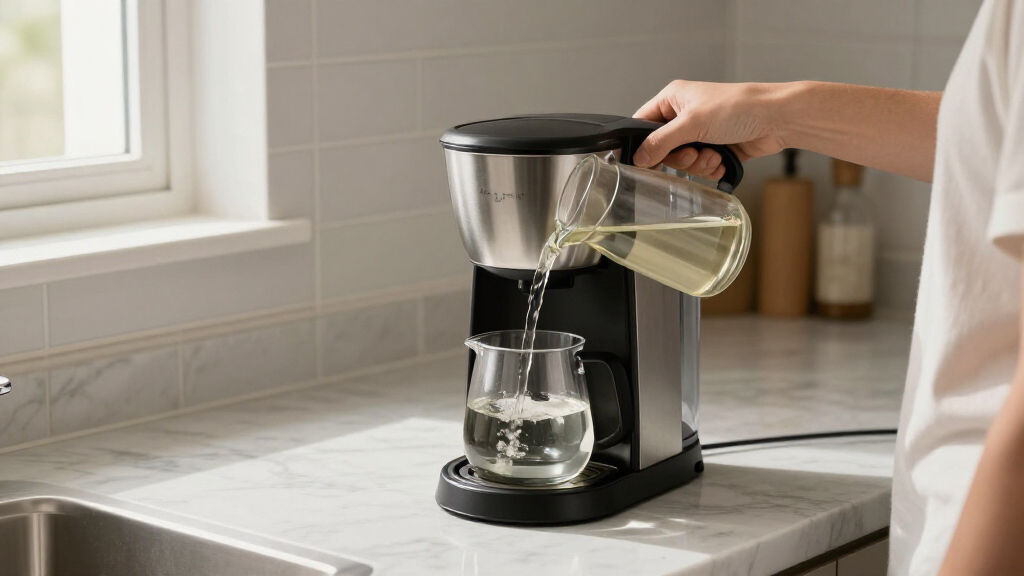
- Fill the water reservoir with equal parts white vinegar and water, typically about 4 cups of each for a standard machine. This mixture is potent enough to dissolve mineral deposits and break down coffee oils without damaging the machine if used properly. The acidity of vinegar effectively loosens mineral scale and dissolves organic residues, but overuse or improper rinsing can leave behind a sour taste. Therefore, thorough rinsing afterward is critical to prevent residual acidity from affecting your next brew.
- Start a brew cycle. Halfway through, pause the machine and let it sit for 30–60 minutes. This soaking period allows the vinegar solution to penetrate deep into deposits and microbial colonies, breaking them down more effectively. Skipping this step can result in incomplete cleaning, leaving behind residues that can impair flavor and hygiene. Patience here ensures a more thorough clean, especially in hard-to-reach areas like water channels and heating elements.
- Finish the cycle. Then, run 2–3 full cycles with plain water to thoroughly rinse out the vinegar, preventing any residual taste or smell from affecting your coffee. Proper rinsing also removes any loosened deposits, reducing the risk of buildup over time.
- Wipe down the exterior, drip tray, and clean the brew basket with warm, soapy water. This ensures all parts are sanitized and free of vinegar residue, which could otherwise impact flavor or cause corrosion if left on metal parts.
This simple process kills germs, dissolves scale, and refreshes your machine. Regularly running vinegar through your drip coffee maker every 2 months helps maintain a clean, flavor-neutral brewing environment, prolonging the life of your machine and ensuring optimal flavor extraction. Remember, the key is consistency—frequent, thorough cleaning prevents the accumulation of deposits and microbial colonies, maintaining both safety and quality in your daily brew.
As an affiliate, we earn on qualifying purchases.
Tackle Hard Water Scale Without Damaging Your Machine
Hard water leaves behind white, chalky deposits called limescale. These crusts form over heating elements and water pathways, acting as insulators that reduce heat transfer efficiency. When mineral deposits accumulate, they create a barrier that prevents the water from heating properly, leading to longer brewing times and lower water temperatures. This not only diminishes flavor extraction but also increases energy consumption, as the machine works harder to reach the desired temperature. Over time, scale buildup can cause overheating or damage to internal components, shortening your machine’s lifespan.
Descaling removes these deposits by dissolving calcium and magnesium minerals, restoring the machine’s ability to heat water evenly and quickly. Using descaling solutions containing citric acid or commercial descalers designed specifically for coffee makers ensures effective removal without harming delicate parts like rubber seals or tubing. Proper application—following manufacturer instructions—is crucial because improper use can lead to corrosion or residual chemical taste, both of which compromise safety and performance. In areas with hard water, establishing a regular descaling routine—every 1–3 months—prevents significant buildup, maintaining consistent brewing temperature and preserving flavor integrity. This proactive approach not only extends your machine’s lifespan but also guarantees each cup is optimally brewed, with full aroma and flavor.
Always avoid abrasive cleaners or bleach, which can damage internal components and leave harmful residues. Thorough rinsing after descaling is essential to remove any chemicals, protecting your health and ensuring your machine continues to perform at its best.
Cleaning Different Types of Coffee Machines
Drip Coffee Makers
Remove and wash the carafe, filter basket, and drip tray weekly. Deep clean with vinegar or descaler every 1–3 months.
Keurig and Pod Machines
Clean the brew needle with a paperclip, descale every 3–6 months, and run the machine’s cleaning cycle. Don’t forget to wash the removable parts regularly.
Espresso Machines
Backflush with a cleaning solution, clean the steam wand daily, and descale as recommended. Be gentle with seals and group heads to prevent damage and ensure proper operation.
French Press and Moka Pots
Disassemble and hand wash with warm soapy water after each use. For stubborn stains or mineral deposits, soak in a vinegar solution for a few hours before rinsing thoroughly. Regular cleaning prevents flavor contamination and ensures each brew remains fresh and flavorful.
Each type needs specific care — following these routines prevents flavor contamination and breakdown.
Common Mistakes That Wreck Your Coffee Maker
Using too much vinegar or commercial descalers can damage seals and gaskets, especially if not rinsed thoroughly. Overuse can lead to corrosion or deterioration of rubber and plastic parts, which can cause leaks or mechanical failure. Always follow your machine’s manual for recommended quantities and procedures to avoid these issues.
Never submerge the machine base or electrical components in water. Wiping with a damp cloth preserves safety and prevents short circuits or corrosion that can compromise your machine’s operation and lifespan.
Skipping regular cleaning allows scale and microbial buildup to accelerate, which can cause health risks and degrade flavor. Over time, this buildup can lead to costly repairs or replacement of parts, reducing your investment’s value.
Leaving water sitting in the reservoir between uses creates an environment where mold, yeast, and bacteria can multiply rapidly. Always empty and dry the reservoir if you won’t be using the machine for an extended period. This simple step significantly reduces microbial hazards and preserves the freshness of your coffee, preventing unpleasant odors and potential health issues.
Finally, avoid using bleach unless explicitly recommended by the manufacturer. Even then, ensure thorough rinsing to prevent chemical residues that can harm your health or damage machine components. Improper use of harsh chemicals can corrode internal parts or leave residues that alter taste and compromise safety.
Answering Your Top Coffee Maker Cleaning Questions
- How often should I clean my coffee maker? For most, a weekly wipe-down and a deep clean every 1–3 months suffices. Hard water areas need more frequent descaling, which prevents mineral deposits from clogging internal channels, ensuring consistent water temperature and flow for optimal flavor extraction.
- How much vinegar do I use, and is it safe? Mix equal parts white vinegar and water, about 4 cups each. While vinegar is generally safe and effective for removing scale, always check your machine’s manual. Some sensitive components may require alternative cleaning methods to avoid damage. Using the correct amount prevents over-acidification, which can harm internal parts or leave residual taste if not rinsed properly.
- How do I get rid of the vinegar smell? Run 2–3 cycles of plain water afterward to thoroughly rinse out residual vinegar. Adding a few drops of lemon juice during the rinse can also help neutralize lingering odors and leave a fresh scent. Proper rinsing is essential; otherwise, residual vinegar can affect the flavor of your coffee or cause a sour taste.
- What’s the difference between cleaning and descaling? Cleaning involves removing oils, coffee residues, and microbes from surfaces, which prevents flavor contamination and microbial growth. Descaling specifically targets mineral deposits built up inside water pathways and heating elements, which insulate and insulate heat transfer. Both are essential for maintaining optimal performance and flavor, but neglecting either can lead to degraded taste or machine damage.
- Can I use commercial descalers? Yes, especially in areas with hard water. Always follow the manufacturer’s instructions precisely to ensure safety and effectiveness, and rinse thoroughly afterward to remove any chemical residues. Using the correct product and procedure minimizes corrosion risk and preserves internal components.
Conclusion
Keeping your coffee maker clean isn’t just about hygiene — it’s about savoring every sip and protecting your investment. Simple habits, like regular rinsing and periodic descaling, make a world of difference.
So next time you brew, remember: a clean machine brews the best coffee. Your taste buds — and your machine — will thank you.
Flea & tick season Picks
flea and tick prevention
As an affiliate, we earn on qualifying purchases.