
TL;DR
Play games included with Prime
Start a Prime free trial and play with Amazon Luna on your devices.
Start playingAs an affiliate, we earn on qualifying purchases.
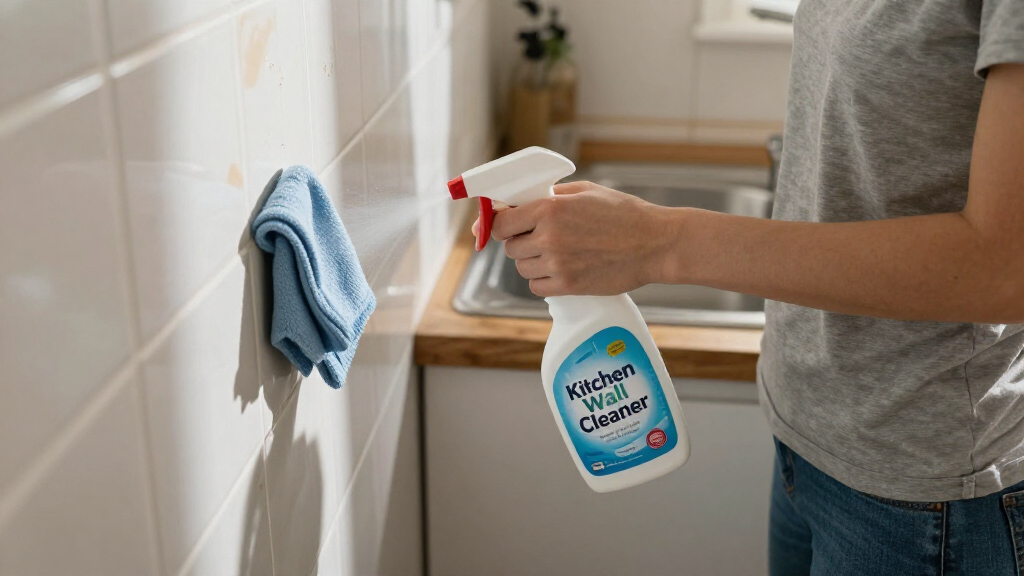
Greasy kitchen walls can be cleaned safely with gentle solutions like dish soap, baking soda, or vinegar. Regular maintenance and smart products make ongoing cleaning easier. Use microfiber cloths and avoid harsh scrubbing to protect your surfaces.
Use a gentle mixture of dish soap and warm water for most painted walls to avoid damage.
Test cleaning solutions on small areas first to prevent surprises.
Microfiber cloths are your best friends — they clean well without scratching.
Regular wiping prevents heavy grease buildup, making deep cleans easier.
Steam cleaning works great on tiles and sealed surfaces, but avoid it on drywall or wallpaper.
Identify Your Wall Surface to Avoid Damage
Before you start scrubbing, know what kind of wall you’re cleaning. Painted drywall needs gentle handling, while tile or ceramic backsplashes can handle a bit more scrubbing. Wallpaper? That’s a different story — harsh cleaners can peel or tear it.
For example, a homeowner found that using a sponge with warm water and dish soap kept her painted walls shiny without peeling. On the other hand, trying to scrub wallpaper with baking soda caused tears. Always test your cleaning solution on a small, hidden spot first.
eco-friendly grease remover for kitchen walls
As an affiliate, we earn on qualifying purchases.
As an affiliate, we earn on qualifying purchases.
Gather the Right Supplies for a Safe, Effective Clean
Your cleaning arsenal should include mild dish soap, baking soda, white vinegar, warm water, and soft microfiber cloths or sponges. For stubborn grease, a gentle commercial degreaser can help. Avoid abrasive scrubbers — they scratch delicate surfaces and make future cleaning harder.
Using the right supplies is crucial because it directly impacts the effectiveness and safety of your cleaning process. For instance, microfiber cloths trap grease particles more efficiently than rough sponges, reducing the risk of scratching or damaging your wall’s surface. Choosing gentle cleaners over harsh chemicals helps preserve your wall’s paint or finish, preventing premature peeling or discoloration. This selection of tools and solutions embodies a balance between efficacy and surface preservation, ensuring your cleaning process is both safe and successful.
microfiber cleaning cloths for kitchen
As an affiliate, we earn on qualifying purchases.
As an affiliate, we earn on qualifying purchases.
Step-by-Step: How to Clean Greasy Walls Without Damage
- Remove loose dust or debris with a dry microfiber cloth.
- Mix a few drops of dish soap into warm water. For tough grease, add a tablespoon of baking soda.
- Dip a soft sponge or cloth into the solution. Wring out excess water — it should be damp, not soaked.
- Gently wipe the walls, working from top to bottom. Use circular motions for stubborn spots.
- For really greasy patches, make a paste of baking soda and water, then apply with a soft cloth.
- Rinse with a clean, damp cloth to remove soap residue.
- Dry the wall with a clean towel to prevent streaks and water spots.
Think of it like giving your walls a gentle spa treatment — soft, caring, and effective.
As an affiliate, we earn on qualifying purchases.
Compare Cleaning Solutions: Which Works Best?
| Solution | Best For | Pros | Cons |
|---|---|---|---|
| Dish Soap & Warm Water | General greases, painted drywall | Safe, inexpensive, readily available | Less effective on heavy buildup |
| Baking Soda Paste | Stubborn spots, tiled surfaces | Natural, gentle abrasive | Can be messy, needs rinsing |
| White Vinegar Solution | Grease, mold, mildew | Antimicrobial, eco-friendly | Strong smell; may not suit wallpaper |
| Commercial Degreasers | Heavy grease buildup | Powerful, fast | Potential chemical smell, cost |
Choosing the right solution depends on your wall type and how greasy the surface is. For most home kitchens, a gentle mix of dish soap and water does the trick.
stain-resistant washable wall paint
As an affiliate, we earn on qualifying purchases.
As an affiliate, we earn on qualifying purchases.
Prevent Future Grease Buildup with Smart Habits
Cleaning your walls regularly is like brushing your teeth — it keeps everything fresh and manageable. Use an exhaust fan while cooking, wipe down walls after frying or roasting, and consider applying a washable, stain-resistant paint in high-traffic areas. When grease starts to show, a quick swipe with a damp cloth prevents it from hardening and becoming a chore.
For example, a busy mom noticed that after installing a good range hood, her walls stayed cleaner longer. Wiping them down every two weeks kept grease from building up, saving her hours of scrubbing later.
Steam Cleaning: An Easy Deep Clean for Certain Surfaces
Steam cleaning is a chemical-free way to tackle stubborn grease on tile or sealed surfaces. The hot steam melts grease and lifts dirt, making it easy to wipe away. Just be cautious — avoid steam on unsealed drywall or wallpaper, as moisture can cause damage.
Imagine holding a steam cleaner close to your kitchen tiles, feeling the warm vapor soften grease and grime. It’s a fast, eco-friendly method for deep cleaning without harsh chemicals.
Frequently Asked Questions
What is the safest way to clean painted kitchen walls without damaging the paint?
Use warm water mixed with a few drops of mild dish soap. Wipe gently with a soft microfiber cloth, avoiding harsh scrubbing or abrasive tools. Always test on a hidden spot first.Can I use vinegar or baking soda on all wall types?
Yes, generally safe for most painted or tiled surfaces. However, avoid using on wallpaper or unsealed drywall without testing first, as they can be sensitive to moisture or acids. It’s important to consider that vinegar’s acidity can weaken wallpaper adhesives over time, and baking soda’s abrasive nature might scratch delicate finishes. Always test first and use sparingly to prevent damage.How often should I clean my kitchen walls to prevent grease buildup?
Aim for once a month, especially if you cook often or fry foods. Wiping down after cooking sessions keeps grease from accumulating and makes deep cleaning easier.Are commercial degreasers necessary, or do natural solutions suffice?
Many natural solutions like dish soap, vinegar, and baking soda work well for typical grease. Reserve commercial degreasers for heavy, stubborn buildup or commercial kitchens.What’s the best way to prevent future grease stains?
Use an exhaust fan while cooking, wipe walls regularly, and consider applying washable or stain-resistant paint in high-traffic areas. These steps create a barrier that reduces grease adhesion and makes maintenance easier, ultimately saving you time and effort.Conclusion
Cleaning greasy kitchen walls doesn’t have to be a battle. A few simple steps, the right tools, and regular habits keep your space fresh and inviting. Think of it as giving your kitchen a daily glow-up — quick, gentle, and effective. Now, grab that microfiber cloth and start brightening your walls today.NFL season / tailgating Picks
team gear
As an affiliate, we earn on qualifying purchases.