TL;DR

Get cleaning gear delivered free — and shop member deals
- Fast, free delivery on millions of items
- Access to Prime Big Deal Days deals on October 6–7
- Prime Video, Amazon Music and more included
Kitchen sponges often harbor millions of bacteria, including pathogens like E. coli and Salmonella. Regular sanitizing and timely replacement are key to reducing health risks, with safer alternatives like microfiber cloths also worth considering.
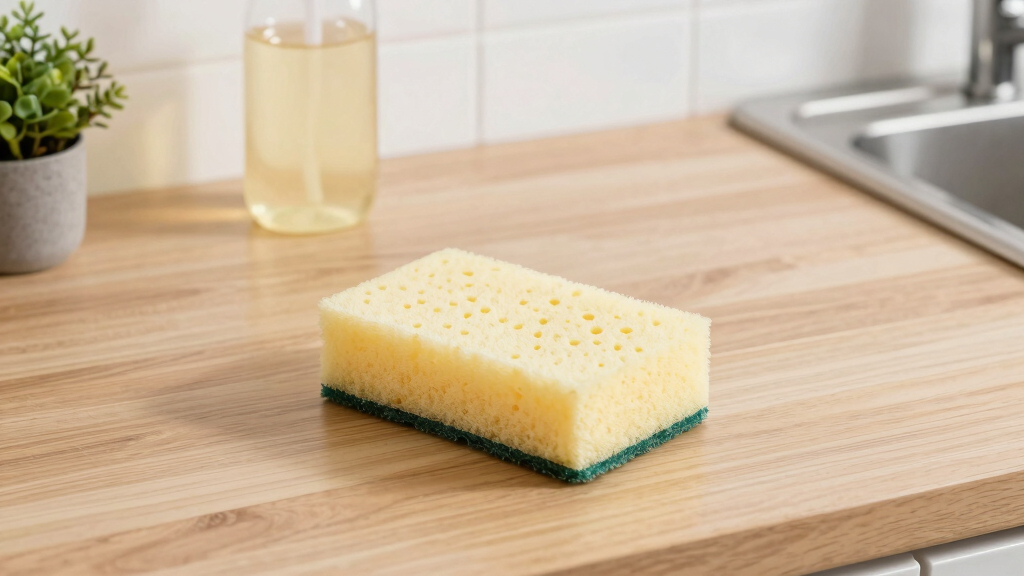
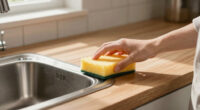
Almost everyone uses a sponge in the kitchen, but few realize just how bacterial-filled these little scrubbers really are. A damp sponge sitting in a corner can quickly turn into a tiny petri dish of germs, some of which can cause food poisoning. It’s a surprising truth that a simple kitchen tool could be more dangerous than you thought—if you don’t clean or replace it regularly.
In this guide, you’ll learn exactly what’s lurking in your sponge, how to sanitize it effectively, and when to toss it out. Plus, we’ll explore safer tools and habits that keep your kitchen healthier without adding hassle. Ready to turn the tables on bacteria? Let’s get started.
Kitchen sponges can harbor over 10 million bacteria per square inch, including harmful pathogens.
Regular sanitizing methods like microwaving, dishwasher cycles, and bleach soaks effectively reduce bacteria but don’t eliminate the need for frequent replacem…
Replacing your sponge every 1-2 weeks is one of the simplest ways to prevent bacterial buildup.
Switching to silicone scrubbers or microfiber cloths can drastically lower bacterial risks and make sanitation easier.
Good drying habits and separate sponges for different tasks help keep bacteria at bay.
Why Your Kitchen Sponge Is a Bacteria Magnet
Kitchen sponges are perfect breeding grounds for bacteria. They’re moist, porous, and come into contact with raw meats, dirty dishes, and food residues daily. A typical sponge can harbor over 10 million bacteria per square inch, including harmful strains like E. coli, Salmonella, and Listeria.
Imagine a sponge sitting in a damp corner. Every time you wipe a plate or scrub a counter, bacteria transfer from the food to the sponge. The moist environment helps bacteria multiply rapidly, turning your cleaning tool into a bacterial hot zone within just a few days. This rapid growth means that even a seemingly clean sponge can become a significant source of contamination if not properly managed. The implication? Using a contaminated sponge can unknowingly spread bacteria to your dishes and surfaces, increasing the risk of foodborne illness. The tradeoff is between convenience and safety—neglecting proper hygiene can have serious health consequences, especially for vulnerable populations like children, the elderly, or immunocompromised individuals.
As an affiliate, we earn on qualifying purchases.
How Bacteria Spread from Sponges to Your Food
When you use a dirty sponge, bacteria hitch a ride on your dishes, countertops, and utensils. For example, if you wipe raw chicken juice off a cutting board with a sponge and then clean your glassware without rinsing thoroughly, bacteria transfer occurs. This process is called cross-contamination, and it’s a leading cause of foodborne illnesses.
Understanding this transfer is crucial because bacteria are often invisible to the naked eye but can cause serious health issues. The more contaminated your sponge is, the higher the risk of spreading pathogens that can cause symptoms like nausea, diarrhea, or more severe infections. The implication here is that even small lapses in hygiene—like not rinsing thoroughly or using the same sponge across different tasks—can significantly increase your risk of illness. The tradeoff involves balancing routine cleaning with awareness of how easily bacteria can be transferred; neglecting this can lead to outbreaks of food poisoning, especially if proper handwashing and surface sanitation aren’t also practiced.
As an affiliate, we earn on qualifying purchases.
The Best Ways to Sanitize Your Sponge and Kill Bacteria
Effective sanitization is key to keeping bacteria under control. Here are the top methods:
- Microwave Method: Wet the sponge completely and microwave it on high for 1-2 minutes. The heat kills most bacteria, but be careful—hot steam can cause burns. This method is quick and effective, but it’s important to ensure the sponge is thoroughly wet to prevent fires or damage.
- Dishwasher Cycle: Run the sponge through a hot dishwasher cycle. The combination of high temperature and detergent helps reduce bacterial load significantly. This method is convenient if you already run your dishwasher regularly, and it ensures the sponge dries quickly afterward, preventing bacteria from thriving.
- Bleach Soak: Soak the sponge in a solution of 1 part bleach to 9 parts water for 5 minutes. Rinse thoroughly afterward. This method is highly effective at killing bacteria and viruses, but overuse can degrade the sponge material over time. Proper rinsing is essential to remove residual bleach, which can be harmful if it contacts food or skin.
- Vinegar or Hydrogen Peroxide: Soaking in these natural disinfectants offers some bacteria reduction, though less thoroughly than heat or bleach. They are good options for regular maintenance, especially for those avoiding chemicals, but should be supplemented with other methods for thorough sanitation.
Remember, regular sanitation isn’t enough—replacing your sponge every 1-2 weeks is the best way to stay safe. This prevents bacteria from establishing a resilient colony that can survive cleaning efforts.
For example, a sponge sanitized with bleach can reduce bacteria by up to 99%, but if it’s kept wet or used for too long, bacteria can rebound quickly, making replacement a crucial part of your hygiene routine. The tradeoff is between effort and safety—consistent sanitation and timely replacement minimize health risks, while neglect can lead to bacterial buildup that’s hard to eliminate.
As an affiliate, we earn on qualifying purchases.
Are Antimicrobial Sponges Really Safer? What Science Says
Antimicrobial sponges contain agents designed to inhibit bacterial growth. They seem like a good idea, but research shows their benefits are limited over time. Bacteria can develop resistance or colonize areas where antimicrobials can’t reach.
Understanding this is important because relying solely on antimicrobial properties might give a false sense of security. If bacteria develop resistance or find refuge in microscopic crevices, the sponge becomes less effective over time. The implications are that antimicrobial sponges shouldn’t replace good hygiene practices—they’re more of an adjunct than a solution. Proper cleaning, regular replacement, and using alternative tools like silicone scrubbers are more reliable strategies for long-term bacterial control. The tradeoff involves investing in consistent hygiene habits rather than depending on a product’s claimed antimicrobial properties, which may diminish with misuse or over time.
According to studies, proper cleaning and frequent replacement outperform antimicrobial products. In fact, the CDC recommends regular sanitation and replacement over reliance on antimicrobial coatings for long-term bacterial control.
So, while antimicrobial sponges might offer a temporary boost, they shouldn’t replace good hygiene habits.
As an affiliate, we earn on qualifying purchases.
Frequently Asked Questions
Are kitchen sponges really that dirty?
Yes, studies show they can harbor over 10 million bacteria per square inch, including dangerous pathogens like Salmonella and E. coli, especially if not cleaned or replaced regularly.How often should I replace my sponge?
Experts recommend replacing sponges every 1-2 weeks, or sooner if you notice an odor, mold, or visible wear. Regular replacement helps prevent bacterial buildup.What’s the safest way to sanitize my sponge?
Microwaving a damp sponge for 1-2 minutes, running it through a hot dishwasher cycle, or soaking it in a bleach solution are effective methods. Always follow safety precautions.Can I use a dishcloth instead of a sponge?
Yes, dishcloths are easier to sanitize and tend to dry faster. Just wash them regularly at high temperatures and replace frequently.Are antimicrobial sponges worth buying?
They can help temporarily reduce bacteria, but proper cleaning and frequent replacement are more reliable for long-term safety. Don’t rely solely on antimicrobial properties.Conclusion
Your sponge may seem harmless, but it’s a hidden source of bacteria that can threaten your health. Regular cleaning, quick drying, and timely replacement are your best defenses. Think of your sponge as a tiny, bacterial hotspot—treat it like one, and your kitchen stays safer.
Next time you reach for that scrubber, remember: a little extra care goes a long way. Keep it dry, keep it fresh, and your kitchen will thank you.
Fall Picks
fall essentials
As an affiliate, we earn on qualifying purchases.