TL;DR

Get cleaning gear delivered free with Prime
- Fast, free delivery on millions of items
- Prime Video, Amazon Music and more included
- Member-only deals all year
Getting moss off your roof safely means assessing the situation, using gentle tools, applying appropriate treatments carefully, and taking preventative steps. Safety and patience prevent damage and future moss growth.
Moss on your roof isn’t just an eyesore. It’s a sponge that holds moisture, slowly weakening shingles and tiles over time. But tackling moss the wrong way can cause more harm than good—dislodging shingles, damaging paint, or even risking a fall.
In this guide, you’ll learn how to remove moss safely and effectively. We’ll cover everything from gentle cleaning techniques to eco-friendly solutions, plus how to keep moss from coming back. Because a clean, moss-free roof isn’t just about looks—it’s about protecting your home.
Always assess roof condition before starting to avoid causing damage.
Use gentle tools like soft brushes and low-pressure water to clean moss safely.
Apply moss-killing solutions carefully, following manufacturer instructions to prevent harm.
Install zinc or copper strips for ongoing moss prevention without chemicals.
Prioritize safety: work on dry days, secure your ladder, and consider professional help for steep or damaged roofs.
Why Removing Moss Safely Matters More Than You Think
Moss retains moisture like a sponge, causing shingles to warp, crack, or lift. This persistent dampness creates an environment conducive to rot and mold, which can compromise the structural integrity of your roof over time. If ignored, moss can accelerate deterioration, leading to costly repairs or even roof replacement. But rushing to remove moss with high pressure or harsh chemicals can strip away protective layers, dislodge shingles, or damage the underlying roof deck, which might lead to leaks or further structural issues.
Safety is especially critical. Working on a mossy roof increases the risk of slips and falls, particularly on steep or high roofs. Additionally, improper removal techniques can inadvertently damage the roofing material, creating entry points for water and pests. Using gentle, targeted methods preserves the roof’s integrity while reducing hazards for the homeowner. Ultimately, safe removal means protecting your investment and your safety, ensuring the roof remains a durable barrier against the elements for years to come.
As an affiliate, we earn on qualifying purchases.
Step-by-Step Guide to Removing Moss Without Causing Damage
- Assess the roof’s condition. Carefully examine your roof for signs of damage such as cracked or missing shingles, loose tiles, or areas where moss has caused lifting. Address these issues before cleaning to prevent worsening damage. If the roof shows significant deterioration, consult a professional to avoid exacerbating problems during removal.
- Gather your safety gear. Non-slip shoes, a harness if working on steep slopes, and a sturdy, stable ladder are essential. Work on a dry, calm day with good visibility to minimize risks. Proper safety equipment not only prevents falls but also ensures you can work effectively without rushing or risking injury.
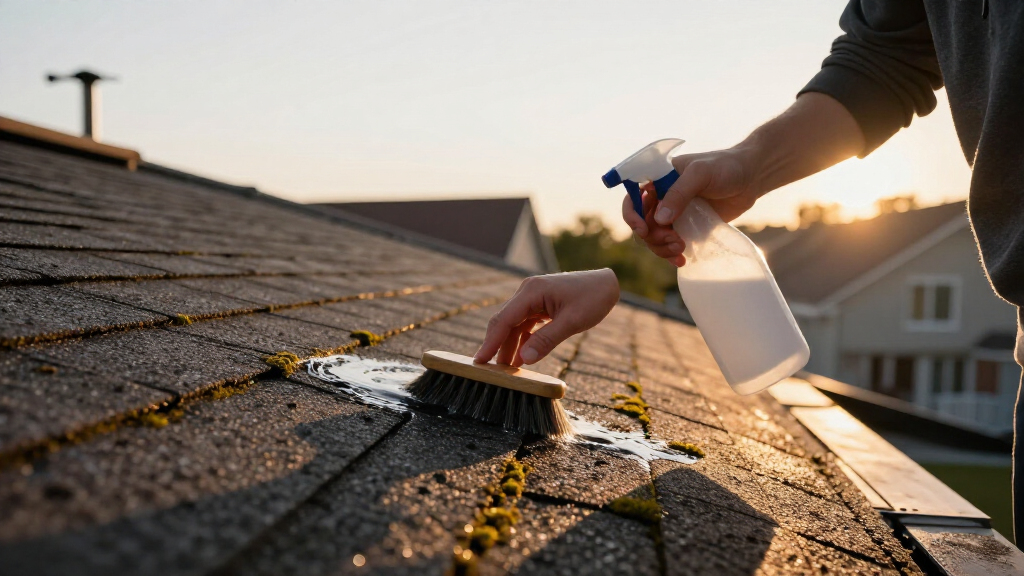
- Choose gentle tools. Use a soft-bristle brush or broom to scrub moss gently. These tools remove moss without applying excessive force that could dislodge shingles or damage the surface. Avoid high-pressure washers, which can force water under shingles, weaken the roof structure, or dislodge tiles, leading to leaks and costly repairs.
- Apply moss-killing solutions. Use products formulated with zinc sulfate or copper sulfate, following the manufacturer’s instructions carefully. These solutions inhibit moss growth by disrupting its cellular processes. Apply evenly with a sprayer, ensuring runoff does not enter gutters or harm surrounding plants. Proper application prevents chemical waste and environmental impact, making the process safer and more effective.
- Rinse and inspect. After the solution has had time to work, rinse the roof lightly with water to remove residual moss and chemical residues, if necessary. Carefully check for loose or damaged shingles and repair promptly. This step ensures that the roof remains intact and free from vulnerabilities that moss or chemicals might exploit.
- Prevent future growth. Trim overhanging branches to reduce shade and moisture retention. Install zinc or copper strips along the ridges—these metal strips release ions that inhibit moss regrowth naturally. Ensure proper drainage and gutter cleaning to prevent water pooling, which creates an ideal environment for moss to re-establish. Combining these measures with regular inspections keeps your roof moss-free longer and extends its lifespan.
eco-friendly moss killer for roofs
As an affiliate, we earn on qualifying purchases.
As an affiliate, we earn on qualifying purchases.
Compare Common Moss Removal Methods: Which One Is Right for You?
| Method | Effectiveness | Safety | Impact on Roof | Ease of Use |
|---|---|---|---|---|
| Soft-bristle brush + water | High | Very safe | Minimal | Easy |
| High-pressure washer | Quick but risky | Low (risk of damage) | High (can dislodge shingles) | Moderate |
| Chemical moss removers | Very effective | Moderate (follow instructions) | Low if used properly | Moderate |
| Natural remedies (vinegar, baking soda) | Variable | High | Low | Easy |
Choosing the right method depends on your roof’s condition and your comfort level. Soft brushes and gentle chemicals strike a good balance between safety and effectiveness. Avoid high-pressure washers unless you’re experienced or hire a professional.
Keep in mind that each method has tradeoffs. For example, while chemical treatments are highly effective, they may require careful handling and environmental considerations. Natural remedies are safer but often need repeated applications and more patience, especially on stubborn moss. High-pressure washers can save time but risk damaging your roof if not used correctly. Selecting the appropriate method involves weighing these factors against your specific roof condition, your skill level, and your safety priorities.
As an affiliate, we earn on qualifying purchases.
Eco-Friendly and Natural Solutions That Actually Work
More homeowners want to keep their roofs clean without harsh chemicals, not just for safety but also to protect the environment. Eco-friendly options like diluted vinegar or baking soda are popular because they’re non-toxic and biodegradable. However, their effectiveness depends on the moss’s stubbornness and environmental conditions. For example, a homeowner in Oregon used a mixture of vinegar and water, carefully sprayed it over moss patches, and observed gradual reduction over several treatments. This approach minimizes chemical runoff into nearby gardens and water sources, making it safer for pets and wildlife.
Natural remedies often require patience and persistence. Vinegar, for instance, works by acidifying the moss’s environment, but it may need multiple applications to fully eradicate stubborn patches. While they may take longer than chemical solutions, these methods are less likely to cause harm to your landscape or pollute local waterways. Recent innovations include installing zinc and copper strips, which release ions that create a hostile environment for moss without introducing chemicals. These solutions offer ongoing prevention and are especially appealing to environmentally conscious homeowners, providing long-term benefits with minimal ecological footprint.
As an affiliate, we earn on qualifying purchases.
How to Keep Moss Off Your Roof for Good
Prevention is the best strategy. Making your roof inhospitable to moss involves reducing conditions that favor its growth. Trim overhanging branches to increase sunlight exposure, which helps dry out the roof and discourages moss from establishing. Regularly cleaning gutters prevents water pooling, which creates a moist environment ideal for moss. Installing zinc or copper strips along the ridge line is a highly effective, low-maintenance solution—these metal strips continuously release ions that inhibit moss growth as rain washes over them. This creates a natural, ongoing chemical barrier that doesn’t require frequent reapplication.
Additionally, ensuring proper attic ventilation helps keep the roof dry by reducing condensation and moisture buildup. Proper drainage systems prevent standing water on the roof surface, which is a primary catalyst for moss growth. These combined measures—shade reduction, metal strips, ventilation, and drainage—form a comprehensive approach that minimizes moss re-establishment, prolonging the time between cleanings and maintaining a healthy, durable roof.
Safety Tips You Can’t Ignore When Cleaning Your Roof
Safety should always come first. Never work on a wet or icy roof, as the risk of slips and falls increases dramatically. Use a sturdy, non-slip ladder and secure it properly on firm ground—consider placing a ladder stabilizer or having a spotter. When working on steep or high roofs, wear a harness attached to a secure anchor point. Protective gear such as gloves, safety glasses, and long sleeves protect against chemicals, debris, and accidental scrapes. Always follow the manufacturer’s instructions when using chemical treatments, ensuring proper mixing and application to avoid overexposure or runoff that could harm plants or water sources.
If your roof is very high, steep, or shows signs of structural damage, don’t hesitate to contact professionals. They have specialized equipment, training, and experience to perform the job safely and thoroughly, reducing the risk of accidents and damage. Remember, rushing or neglecting safety precautions can lead to serious injury or costly repairs—prioritize your safety above all else.
Frequently Asked Questions
Is it safe to remove moss from my roof myself?
Yes, if you follow safety guidelines. Use proper equipment, avoid working in bad weather, and choose gentle cleaning methods. For steep or damaged roofs, hiring professionals is the safest bet.
What’s the best way to remove moss without damaging my roof?
A soft-bristle brush combined with gentle moss-killing solutions like zinc or copper sulfate is effective and safe. Avoid high-pressure washers, which can dislodge shingles or tiles.
Are chemical treatments safe for my family and plants?
When used according to instructions, products with zinc or copper ions are generally safe. Keep chemicals away from plants and water sources, and rinse thoroughly if needed.
How often should I clean moss off my roof?
Inspect your roof every 1–2 years, especially if you notice moss growth or increased shade. Regular maintenance prevents buildup and extends roof life.
What are the best preventative measures to stop moss from growing back?
Trim overhanging branches, install zinc or copper strips, and keep gutters clean. These steps create an environment hostile to moss and help your roof stay clear longer.
Conclusion
Removing moss from your roof doesn’t have to be risky or damaging. With the right tools, gentle techniques, and preventive measures, you can keep your roof clean and protected for years. Think of moss removal as a mindful routine—patience and safety make all the difference.
Imagine your roof shining in the sun, free of moss, with a long-lasting barrier preventing future growth. Taking care of your roof today means fewer worries tomorrow—and a home that stays beautiful and dry for years to come.
Halloween Picks
halloween
As an affiliate, we earn on qualifying purchases.