TL;DR

Get cleaning gear delivered free with Prime
- Fast, free delivery on millions of items
- Prime Video, Amazon Music and more included
- Member-only deals all year
Fading happens mainly due to sun exposure, weather, and material type. Regular cleaning, protective treatments, and smart storage can extend your furniture’s life and keep it looking its best.
Nothing stings more than seeing your patio furniture lose its vibrant color after just a season or two. The rich, bright hues you loved fade into dull shades of gray, washed out by the sun and weather. But why does this happen, and more importantly, how can you make it better?
In this guide, you’ll learn the main reasons your outdoor furniture looks tired and faded, plus practical steps to bring it back to life. Whether you have plastic chairs or wicker sofas, understanding the cause is the first step to reversing the damage and protecting your investment.
UV rays are responsible for over 80% of outdoor furniture fading within two years.
Regular cleaning combined with UV-protectant sprays can extend furniture life by multiple seasons.
Materials like synthetic wicker and powder-coated metals resist fading much better than natural wood or uncoated steel.
Applying protective coatings and covers annually is a simple way to prevent fading before it starts.
Choosing furniture with built-in UV resistance or fade-proof fabrics can save you time, money, and frustration.
Why Does Patio Furniture Fade So Fast? The 3 Big Causes
Fading happens because the materials and environment work against your furniture. Sunlight, weather, and material choice all play roles in how quickly colors wash out or surfaces degrade.
Picture this: a plastic chair left in the sun for a summer. Its vibrant blue turns pale, almost chalky, after just 12 months. That’s UV rays breaking down the dyes and plastics. The same applies to wicker, metal, or fabric — they all have their vulnerabilities.
Here are the main culprits:
- Sun Exposure: UV rays break down dyes and weaken surfaces, causing color loss and brittleness. This process not only dulls the appearance but also compromises the structural integrity of the furniture, making it more prone to cracks or breaks over time.
- Weather Conditions: Rain, snow, and humidity promote mold, mildew, and rust, dulling the finish and weakening the material’s surface. These elements accelerate deterioration, especially if furniture isn’t properly sealed or stored, leading to costly repairs or replacements.
- Material Type: Plastic and resin fade quickly because they’re highly susceptible to UV damage, which can make them brittle and prone to cracking. Metal can rust or peel if not properly coated, and wood often cracks or warps if moisture isn’t managed, affecting both appearance and durability. Fabric cushions fade and stain, diminishing comfort and visual appeal.
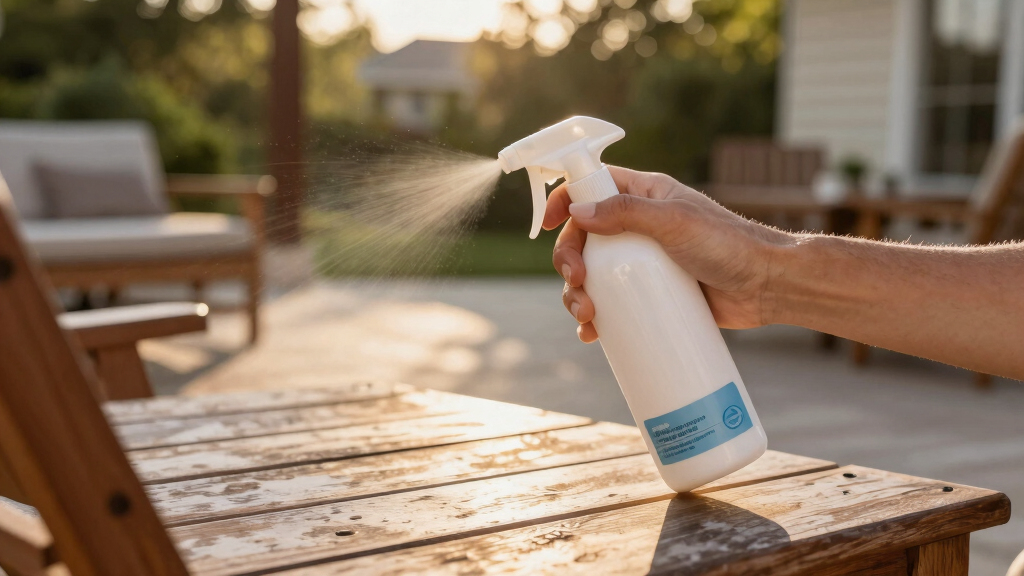
UV protection spray for outdoor furniture
As an affiliate, we earn on qualifying purchases.
As an affiliate, we earn on qualifying purchases.
Materials Matter: What Makes Some Furniture Fade Faster?
Not all materials fade equally, which impacts not only how long your furniture stays vibrant but also how you should care for it. Recognizing these differences is crucial for making informed choices—whether you’re purchasing new pieces or maintaining existing ones.
For example, powder-coated metals like aluminum resist rust and color loss better than uncoated steel because the coating acts as a barrier against moisture and UV damage. Synthetic wicker is designed with UV stabilization, meaning it’s engineered to withstand prolonged sun exposure without cracking or fading. In contrast, natural wicker weathers faster, turning gray and brittle due to its organic fibers being more vulnerable to environmental stressors.
Here’s a quick comparison:
| Material | Fading Resistance | Notes |
|---|---|---|
| Plastic/Resin | High vulnerability | Prone to UV damage, becomes brittle, and may crack over time, especially if not UV-stabilized. |
| Powder-coated metal | Good resistance | Less rust and color degradation; the coating provides a protective barrier, but the coating itself can chip or wear over time if not maintained. |
| Wood | Moderate | Susceptible to cracking, warping, and fading without regular sealing and maintenance, especially in humid climates. |
| Synthetic wicker | High resistance | Designed to withstand UV rays and weathering, maintaining color and flexibility longer than natural wicker. |
| Fabric cushions | Variable | Sun fades colors and accelerates staining; mildew and mold growth are risks if not properly treated and stored. |
As an affiliate, we earn on qualifying purchases.
How to Bring Your Faded Furniture Back to Life in 4 Easy Steps
Restoring faded patio furniture isn’t magic — it’s a process rooted in understanding your furniture’s material and applying the right techniques. Starting with a thorough cleaning helps remove dirt, mold, and stains that can hide the true extent of damage. Then, restoring color requires choosing appropriate products—like paint or stain—that are designed for outdoor conditions, ensuring durability and vibrancy. Finally, applying protective measures such as UV sealants or covers creates a barrier against future damage. Here’s a detailed plan:
- Clean thoroughly: Use gentle, eco-friendly cleaners suitable for your material to remove accumulated dirt, mold, and stains. Proper cleaning not only improves appearance but also reveals underlying damage that might need repair.
- Assess damage: Look for cracks, warping, or fading that might be beyond simple cleaning. Sometimes, cleaning exposes issues like peeling paint or structural weakness, guiding your repair choices.
- Restore color: Use paints, stains, or fabric dyes specifically formulated for outdoor use. For example, a spray-on UV-resistant paint can rejuvenate plastic chairs, while outdoor stains can refresh wooden surfaces. The choice of product impacts how well the color lasts and how it withstands weathering.
- Seal and protect: Apply UV-protectant sprays, sealants, or breathable covers to shield your furniture from future sun damage. Reapply these protections annually or after heavy weather events to maintain color and integrity.
Imagine a faded wooden bench. A 15-minute light sanding, followed by a fresh coat of outdoor stain, can turn it into a centerpiece again. The key is patience, proper surface preparation, and selecting products suited to your furniture’s material to ensure long-lasting results.
furniture cleaning spray for outdoor use
As an affiliate, we earn on qualifying purchases.
As an affiliate, we earn on qualifying purchases.
Latest Tech: How New Coatings and Materials Can Save Your Furniture
Technology is making it easier to keep outdoor furniture looking fresh longer. UV-resistant coatings and fade-proof fabrics are game changers, offering enhanced protection that wasn’t available in the past.
Recent advances include eco-friendly, transparent sealants that form a durable barrier against UV rays, moisture, and dirt. These coatings can significantly extend the lifespan of your furniture, often adding 2-3 years or more of vibrant appearance with proper application. Additionally, innovations in fabric technology now incorporate UV stabilization at the fiber level, meaning cushions and covers resist fading much longer than traditional materials. This not only preserves the aesthetic appeal but also reduces the frequency and cost of repairs and replacements.
Choosing furniture with these advanced features initially might have a higher upfront cost, but it results in savings over time and less hassle maintaining your outdoor space. Investing in high-tech coatings and fabrics is a proactive approach to combating the inevitable effects of outdoor exposure, ensuring your furniture remains attractive and functional for years to come.
fade-resistant outdoor furniture fabric
As an affiliate, we earn on qualifying purchases.
As an affiliate, we earn on qualifying purchases.
Prevention: Keep Your Patio Furniture Bright for Years
The best way to fight fading? Stop it before it starts. Regular maintenance, protective products, and smart storage habits are your best defense against the relentless effects of sun and weather.
Here are practical tips with deeper reasoning:
- Clean seasonally: Using gentle soap and water removes dirt, mold, and other residues that can accelerate deterioration. Keeping surfaces clean prevents the buildup of damaging elements that can cause staining, mold growth, and surface weakening.
- Apply UV protectants annually: Regularly reapplying UV protectants ensures a fresh barrier against the sun’s rays, which are constantly breaking down dyes and surfaces. This proactive step maintains color vibrancy and structural integrity, especially in climates with intense sun exposure.
- Use covers: During winter or heavy storms, covering furniture with breathable, UV-resistant covers shields it from harsh elements. Covers prevent moisture buildup, which can lead to mold, and block direct sunlight, reducing fading.
- Store indoors: When not in use for extended periods, storing cushions and lightweight furniture inside protects them from UV rays, moisture, and temperature fluctuations that accelerate aging.
- Choose fade-resistant materials: Investing in furniture made from synthetic wicker, powder-coated metals, or UV-treated fabrics is a strategic choice that inherently resists fading. While no material is completely fade-proof, selecting high-quality, UV-stabilized options significantly extends the vibrancy and lifespan of your outdoor setup.
Frequently Asked Questions
How can I tell if my patio furniture is beyond repair?
If your furniture is cracked, warped, or the colors are completely washed out despite cleaning and treatment, replacing it may be more cost-effective than restoring it. Look for structural damage and fading that won’t respond to paint or sealants.
What products are best for restoring faded furniture?
Use UV-resistant paints, stains, or fabric dyes designed for outdoor use. For metal surfaces, look for rust-inhibiting primers and sealants. Always check compatibility with your furniture’s material and follow manufacturer instructions for best results.
How often should I clean and treat my outdoor furniture?
Clean your furniture at least once per season with gentle, eco-friendly cleaners. Reapply UV protectants annually or after heavy weather. Regular maintenance keeps fading at bay and prolongs the life of your furniture.
Can I prevent fading altogether?
While you can’t stop fading entirely, regular cleaning, protective coatings, and covering or storing furniture during harsh weather greatly reduce its speed. Choosing fade-resistant materials from the start also helps keep colors vibrant longer.
Are eco-friendly options available for protecting outdoor furniture?
Yes, many brands now offer environmentally safe sealants, paints, and fabrics that provide UV protection without harmful chemicals. Look for products labeled as eco-friendly or biodegradable for a greener choice.
Conclusion
Fading doesn’t have to be an unavoidable part of outdoor life. With a little knowledge and regular care, you can keep your patio furniture vibrant and inviting for years to come. Think of it as giving your outdoor space a daily dose of armor against the sun and weather.
Next time you see that dull hue creeping in, remember: a quick clean, some protection, and smart storage are your best allies. Your patio deserves to stay colorful — it’s worth the effort.
Columbus Day / Indigenous Peoples' Day Picks
long weekend sales
As an affiliate, we earn on qualifying purchases.