TL;DR

Get cleaning gear delivered free with Prime
- Fast, free delivery on millions of items
- Prime Video, Amazon Music and more included
- Member-only deals all year
A slippery deck often results from moisture, algae, or worn surfaces. Regular cleaning, drainage, and anti-slip treatments significantly reduce slip risks, making your deck safer and more durable.
If your deck feels more like an ice rink every time it rains or snows, you’re not alone. Slippery decks are a common hazard many homeowners overlook until it’s too late. The good news? With a little knowledge and some simple fixes, you can make your outdoor space safe and inviting, no matter the weather.
In this guide, you’ll learn why decks become slick, what materials and conditions contribute to the problem, and most importantly, how you can fix it with practical, eco-friendly solutions. Whether you’re dealing with moss, mold, or worn surfaces, I’ve got you covered with straightforward advice that actually works.
Regular cleaning with eco-friendly solutions removes organic growths that cause slick surfaces.
Improving drainage prevents standing water, a prime cause of slipperiness.
Applying anti-slip coatings or embedded grit increases traction on smooth decks.
Seasonal maintenance, like clearing snow and debris, keeps surfaces safer year-round.
Choose eco-conscious treatments that protect your family, pets, and the environment.
What makes your deck slippery and how to spot the warning signs
Your deck’s slipperiness usually comes down to moisture and surface texture. Smooth, sealed wood or composite decks look great but can turn into skating rinks when wet. Watch for greenish patches of moss or slimy mold — those organic layers trap water and reduce grip. Also, splintered or worn surfaces expose rough patches that can either grip or trip you up.
Imagine stepping out after a rainstorm. If your deck feels slick like glass or you notice water pooling, that’s a clear sign it’s time to take action. Regular inspection helps catch these issues early before someone slips.
Understanding the warning signs is crucial because it allows you to address small problems before they become serious safety hazards. For example, moss or algae buildup indicates persistent moisture and organic growth, which can be slippery and also deteriorate your deck’s material over time. Worn or splintered areas not only pose a tripping hazard but also suggest that the surface’s grip has been compromised, increasing the risk of slips. Recognizing these signs early can save you money and prevent accidents by prompting timely maintenance or treatment.
eco-friendly anti-slip deck coating
As an affiliate, we earn on qualifying purchases.
As an affiliate, we earn on qualifying purchases.
How weather and environment turn your deck into a slip hazard
Weather plays a starring role in deck slipperiness. Rain, dew, snow, and ice can turn even the roughest wood into a skating rink. Plus, in damp climates, algae, mold, and moss thrive, creating a slick film that’s invisible until you step on it. Over time, leaves and dirt accumulate, trapping moisture and encouraging organic growth.
For example, a homeowner in the Pacific Northwest noticed their wooden deck was especially slippery during fall and winter. Regular cleaning and sealing made a big difference in safety and longevity.
Understanding how environmental factors contribute to slipperiness helps you anticipate and mitigate risks. Moisture is a primary culprit because it not only makes surfaces slick but also promotes the growth of organic matter like moss and algae, which are inherently slippery. These organic layers are often invisible or barely noticeable, making them particularly dangerous. Additionally, debris such as fallen leaves and dirt act as moisture traps, creating a breeding ground for these organic layers. Recognizing that environmental conditions are dynamic and variable means that proactive maintenance, like seasonal cleaning and sealing, is essential to prevent these hazards from becoming severe safety issues over time.
As an affiliate, we earn on qualifying purchases.
The best ways to make your deck less slippery without harming the environment
Making your deck safer involves a mix of cleaning, maintenance, and applying eco-friendly solutions. Here’s a step-by-step list:
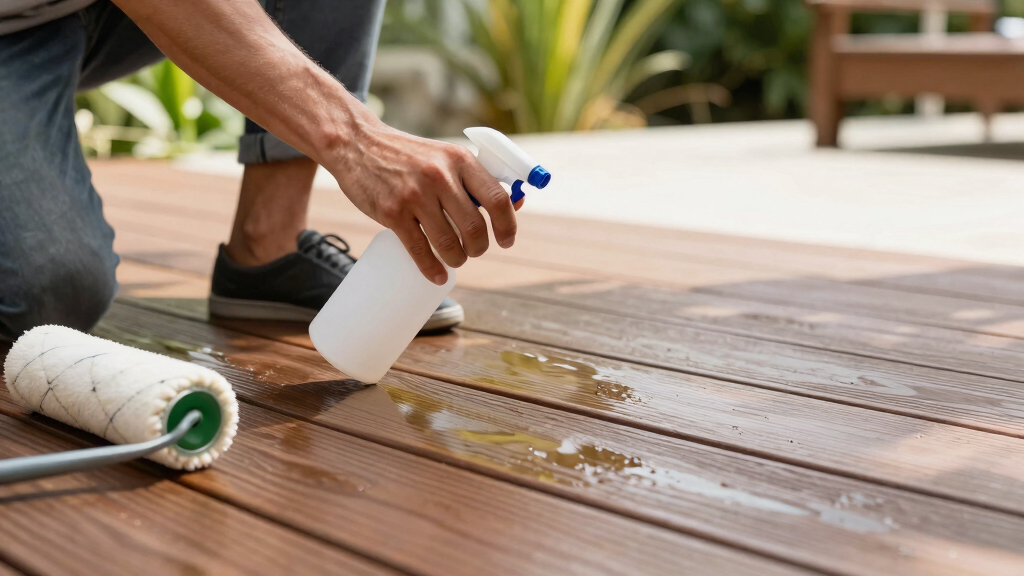
- Clean thoroughly with a stiff brush and eco-safe cleaner to remove moss, mold, and dirt.
- Improve drainage by clearing debris and fixing any pooling issues.
- Apply a natural anti-slip coating, like silica-based paint or a stone aggregate treatment, which embeds grit into the surface.
- Install non-slip strips or grip tape in high-traffic or especially slick spots.
- Regularly inspect and reapply treatments annually, especially before winter.
Using eco-friendly cleaning and treatment methods not only preserves the environment but also ensures your deck remains safe without introducing harmful chemicals. For example, biodegradable cleaners break down naturally without polluting waterways, and natural grit coatings enhance traction without altering the deck’s appearance or damaging its surface. These solutions are especially important if your deck is near gardens, water features, or if you have pets and children who might be exposed to toxic substances. The tradeoff is usually a bit more effort or expense upfront, but the long-term benefits—safety, environmental health, and deck longevity—are well worth it.
As an affiliate, we earn on qualifying purchases.
Comparison of anti-slip options: what works best for your deck
| Option | Best For | Pros | Cons |
|---|---|---|---|
| Anti-slip paint/coating | Wood, concrete, composite | Long-lasting, customizable texture | Requires prep work, can wear over time |
| Non-slip tapes/strips | High-traffic areas, stairs | Easy to install, instant grip | May peel or wear in weather |
| Embedded grit or stone aggregate | All surfaces | Durable, natural grip | More involved application process |
| Natural treatments (e.g., silica) | Eco-conscious homeowners | Safe, environmentally friendly | May need reapplication more often |
Choosing the right anti-slip solution depends on your deck’s material, local climate, and your eco-priorities. For example, embedded grit treatments provide a durable, natural grip but require more effort during application and reapplication. Anti-slip paint offers a customizable surface but may need regular touch-ups and proper surface prep to ensure longevity. Non-slip tapes are quick fixes suitable for stairs or high-traffic areas but can peel or degrade with weather exposure. Understanding these tradeoffs helps you select the safest, most sustainable option for your specific needs, balancing durability, safety, and environmental impact effectively.
deck drainage improvement products
As an affiliate, we earn on qualifying purchases.
As an affiliate, we earn on qualifying purchases.
Maintaining your deck’s grip through seasonal changes
Prevention is your best friend when it comes to slippery decks. In regions with cold winters, focus on keeping ice and snow off your surface. Use a plastic shovel instead of metal to avoid damaging finishes. Applying a layer of ice-melt safe for your deck material can melt ice without harm.
In rainy seasons, clean your deck at least once a year, and consider resealing every 2-3 years to keep the surface textured and water-resistant. Regularly check for moss or algae buildup and scrub them off promptly.
Understanding seasonal variations helps you implement targeted maintenance routines. For example, in winter, removing snow carefully prevents the buildup of ice layers that can be treacherous when melting and refreezing. Using eco-friendly de-icing products minimizes chemical runoff that could harm plants or water systems. During rainy seasons, consistent cleaning and resealing maintain the deck’s textured surface, reducing the likelihood of organic growth and water pooling. Recognizing that environmental conditions fluctuate means adopting a proactive, seasonally tailored maintenance plan to keep your deck safe and durable throughout the year.
Frequently Asked Questions
Why is my deck so slippery after rain or snow?
Rain, snow, and ice create slick surfaces, especially if moss or algae are present. Water reduces traction, and organic growths trap moisture, making surfaces dangerously slippery. Regular cleaning and proper drainage can help prevent this.
What are the best ways to make my deck less slippery?
Apply eco-friendly anti-slip coatings, install non-slip strips, clean regularly, and fix drainage issues. These steps improve traction and reduce fall risks, especially in wet conditions.
Are anti-slip treatments safe for children and pets?
Most modern anti-slip products are designed to be safe when used as directed. Always check labels, especially if you have kids or pets, and opt for environmentally friendly options when possible.
Can I use DIY methods to improve traction?
Absolutely. Using grip tape, scrubbing with stiff brushes, or applying non-slip paint are effective DIY options. Just follow product instructions carefully for best results.
How often should I maintain my deck to prevent slipperiness?
At least once a year, especially before winter or rainy seasons. Regular inspections, cleaning, and reapplication of treatments help keep your deck safe and slip-free.
Conclusion
Your deck doesn’t have to be a slip-and-fall hazard. Simple steps like regular cleaning, proper drainage, and eco-friendly anti-slip treatments can turn slick surfaces into safe, inviting spaces. Safety starts with awareness—and a regular maintenance routine that keeps your outdoor area secure and beautiful.
Think of your deck as a garden path: clear, textured, and well-maintained — ready for every season. Take control now, and enjoy your outdoor space without worry.
Columbus Day / Indigenous Peoples' Day Picks
long weekend sales
As an affiliate, we earn on qualifying purchases.