TL;DR
Prime for Young Adults — start your free trial
Fast free delivery, streaming and member deals for eligible 18–24 year olds.
Try it freeAs an affiliate, we earn on qualifying purchases.
Act quickly when hair dye stains appear. Use safe household items like baking soda, vinegar, or rubbing alcohol, testing first. For stubborn stains, gentle chemical treatments or professional help may be needed.
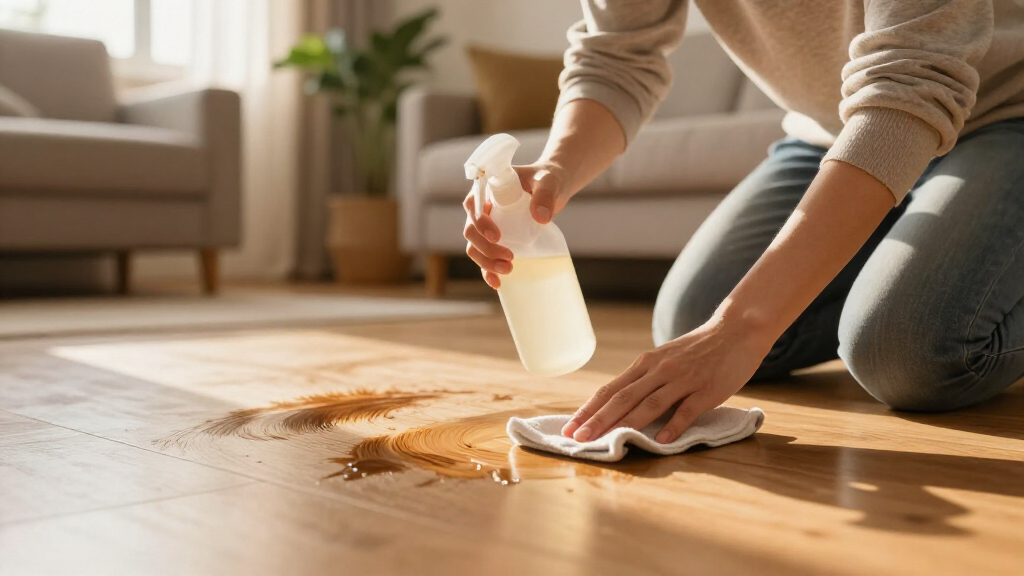
Getting hair dye on your surfaces might feel like a mini disaster. That rich, dark splash of color can seem impossible to remove once it sets. But don’t panic. Knowing what works and what doesn’t can save your counters, carpets, or clothes from permanent staining.
This guide walks you through the most effective, safe methods for tackling hair dye stains on different surfaces. Whether it’s a quick wipe or a more involved cleaning, you’ll learn how to handle each situation confidently and keep your home looking fresh.
How to Remove Hair Dye Stains From Surfaces
That rich, dark splash of color can seem impossible to remove once it sets. But don’t panic. Knowing what works — and what doesn’t — can save your counters, carpets, and clothes from permanent staining. This guide walks you through the most effective, safe methods for tackling hair dye on every surface in your home.
Permanent / Semi / Temporary
Counters · Fabric · Tile · Floors
Set Beyond Surface Level
Before Any Treatment
What Surfaces Are Most Vulnerable?
Different surfaces react differently to hair dye. Porous materials act like sponges, trapping pigment in tiny crevices — while hard, non-porous surfaces let dye sit on top where it wipes away. Absorption risk determines your cleaning strategy.
Marble & Granite Counters
These stones absorb dye quickly, leaving stubborn marks. Dye gets trapped inside the pore structure, making removal significantly harder — gentle, immediate cleaning prevents permanent discoloration.
Fabric, Cotton & Upholstery
Dye fibers embed deep within the material’s weave, often requiring aggressive or repeated cleaning. Dish soap and cold water come first; peroxide works on whites.
Tile, Glass & Plastic
These surfaces don’t absorb dye, so stains sit on top and wipe away easily. But harsh chemicals can still scratch or discolor them — a plastic cutting board often washes clean with simple household items.
Different Types of Hair Dye — and Why They Matter
Recognizing which type of dye stained your surface directly influences your cleaning approach. A temporary spray on fabric might rinse right out, while permanent dye on a countertop may need stronger chemical treatment.
| Dye Type | How It Bonds | Removal Difficulty | Best First Response |
|---|---|---|---|
| Permanent | Pigments bond deeply with fibers — often ammonia derivatives and oxidative colorants chemically modify the surface they contact. | ✗ Very Hard | Solvents like rubbing alcohol or specialized stain removers; water alone won’t break the bonds. |
| Semi-Permanent | Sits more on the surface and fades faster, but can still stain visibly — especially on porous materials. | ~ Moderate | Baking soda paste, diluted vinegar, and prompt blotting usually lift most pigment. |
| Temporary | Spray or gel formulas lack penetrating pigments — they don’t chemically bond with fibers. | ✓ Easy | Often washes out with plain soap and water, or even a simple rinse on fabric. |
What’s Inside Hair Dye — and Why Time Matters
The chemical makeup of hair dye determines its tenacity and guides your choice of cleaning strategy. And once dye hits a surface, the clock starts ticking.
Dyes & Pigments
Engineered to be long-lasting, pigments form bonds and embed themselves into fibers and porous materials. Their chemical structure clings tightly, resisting simple cleaning.
Alcohols
Used to penetrate hair shafts, alcohols dissolve oils and can stain plastics or painted surfaces, sometimes interacting with finishes and causing discoloration.
Ammonia Derivatives & Oxidative Colorants
Found in permanent dyes, these chemically bond with surfaces — especially porous ones — which is why some stains resist water and mild cleaners entirely.
Why Acting Fast Is Your Best Strategy
Splash dye on white ceramic tile and wipe immediately with a damp cloth — most pigment lifts because it hasn’t dried yet. Wait an hour, and the same stain may need gentle bleaching agents or professional treatment. Quick response cuts cleaning effort by up to 50% and preserves your surfaces.
Your Step-by-Step Stain Response
Follow this sequence every time dye spills — the order matters as much as the methods.
Blot, Don’t Rub
Lift excess dye with a damp cloth immediately. Rubbing pushes pigment deeper into fibers and pores.
Identify Surface & Dye
Check porosity and dye type. Porous surfaces need gentleness; permanent dye needs solvents.
Test First
Apply your cleaning agent to a small, hidden area. Wait, inspect for etching or discoloration.
Apply the Right Cleaner
Baking soda paste, vinegar, dish soap, or rubbing alcohol — matched to surface and dye type.
Escalate If Needed
Stubborn stains may need hydrogen peroxide, enzymatic cleaners, or professional help.
Household Items That Actually Work
Baking Soda & Vinegar
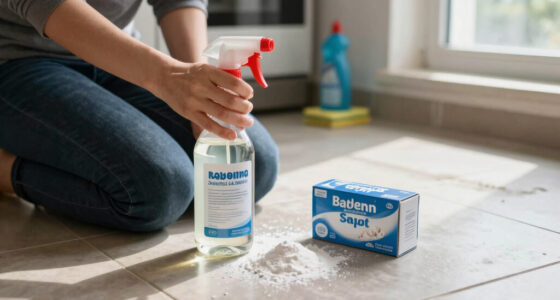
Mild abrasives and acids lift dye stains safely. Ideal for countertops, tiles, and delicate sealed surfaces. Make a paste, apply gently, rinse clean.
Hydrogen Peroxide
Breaks down stubborn pigment — best reserved for white fabrics and durable surfaces. Always dilute and test on a hidden spot first.
Rubbing Alcohol
Highly effective on plastic and non-porous surfaces where dye sits on top. Dissolves the bonds that water alone can’t touch.
Enzymatic Cleaners
Break down dye molecules at the chemical level — especially effective on clothing and upholstery where fibers have trapped pigment.
Dish Soap & Cold Water
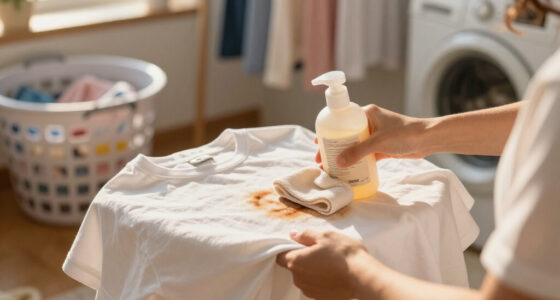
The safest first attempt on clothing. For stubborn fabric stains, follow with a baking soda paste before reaching for stronger agents.
Bleach & Commercial Removers
Bleach works on whites and very durable surfaces but can discolor or weaken materials. Modern commercial removers are eco-friendlier and less abrasive.
Frequently Asked Questions
What’s the best way to remove dye from clothing?
Start with dish soap and cold water. For stubborn stains, apply a baking soda paste or use hydrogen peroxide on white fabrics. Commercial removers work too — but always test first.
How do I protect my countertops during cleaning?
Use gentle methods like baking soda paste or diluted vinegar. Rubbing alcohol works on plastic or sealed surfaces, but test first to prevent etching or discoloration.
Can I use bleach on hair dye stains?
Bleach can work on white or very durable surfaces, but use it cautiously — it can discolor or weaken some materials. Always dilute and test on a hidden area.
Which household items are safest?
Baking soda, vinegar, hydrogen peroxide, and rubbing alcohol are generally safe when used properly and tested beforehand — less harsh than commercial chemicals.
How do I prevent stains during dyeing sessions?
Apply petroleum jelly around the hairline, cover surfaces with plastic or old towels, and wear gloves. Simple barriers prevent most accidental splashes.
Are there dedicated commercial products?
Yes — stain removers formulated for fabric and surface cleaning are available in most supermarkets and hardware stores, increasingly eco-friendly and less abrasive.
The Bottom Line: Cleaning hair dye stains isn’t magic — it’s about quick action, choosing the right method, and knowing your surfaces. A little preparation and prompt cleaning turn a potential disaster into a quick fix. Your home’s surfaces will thank you, and you’ll feel in control of those colorful accidents.
What Surfaces Are Most Vulnerable to Hair Dye Stains?
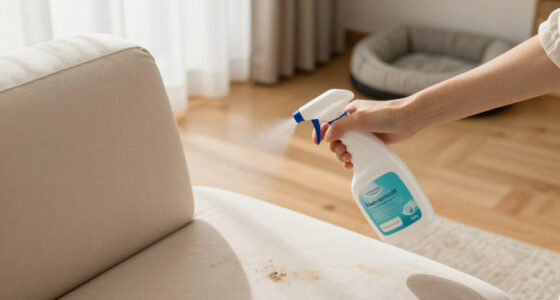
Different surfaces react differently to hair dye. Porous surfaces like countertops made of marble or granite can absorb dye quickly, leaving stubborn marks. This absorption is why stains on such surfaces tend to be more persistent—they act like sponges, trapping dye fibers and making removal more challenging. Soft fabrics such as upholstery or clothing often trap dye fibers, making stains harder to lift because the dye becomes embedded within the material’s fibers, requiring more aggressive or repeated cleaning. Hard surfaces like tiles or glass are generally easier to clean because they don’t absorb dye, but even they can be damaged if harsh chemicals are used, leading to scratches or discoloration. Floors—whether hardwood, vinyl, or tile—require careful treatment to avoid scratches or water damage, especially since some cleaning agents can weaken adhesives or finishes. Immediate action is crucial: the longer dye sits, the more it penetrates porous materials or bonds with fibers, making subsequent removal efforts less effective. For example, spilling dye on a marble kitchen island demands quick, gentle cleaning to prevent permanent discoloration. Conversely, a dye spill on a plastic cutting board might be more forgiving, often washing away with simple household items if addressed promptly.
hair dye stain remover for surfaces
As an affiliate, we earn on qualifying purchases.
As an affiliate, we earn on qualifying purchases.
Different Types of Hair Dye and Why They Matter
Hair dyes come in permanent, semi-permanent, and temporary forms. Permanent dyes contain pigments that bond deeply with fibers and materials, making stains tougher to remove because these dyes are designed to resist washing out and often chemically modify the hair or surface they contact. Semi-permanent dyes sit more on the surface and fade faster, but they can still cause visible stains—especially on porous surfaces—if not cleaned quickly. Temporary dyes, like those in spray or gel form, often wash out with soap and water quickly, because they don’t contain the same penetrating pigments. Recognizing which type of dye stained your surface is vital because it directly influences your cleaning approach. For instance, a temporary spray dye on fabric might come out with just a rinse, while a permanent dye on a countertop may require stronger chemical treatments. Moreover, understanding the formulation helps in choosing the right method: chemical-based stains are generally resistant to water alone, necessitating solvents or bleaching agents, whereas surface-level dyes might respond well to milder solutions. The implications are clear—identifying the dye type early can save time, effort, and prevent damage to your surfaces or clothing.
household cleaning products for dye stains
As an affiliate, we earn on qualifying purchases.
As an affiliate, we earn on qualifying purchases.
What’s Inside Hair Dye That Makes It Hard to Remove?
Hair dyes contain dyes, alcohols, and pigments that adhere strongly to surfaces. The dyes and pigments are designed to be long-lasting, which means they form bonds or embed themselves into fibers and porous materials. Pigments give dye its vibrant color, but their chemical structure allows them to cling tightly, resisting simple cleaning. Alcohols, used to help penetrate hair shafts, can stain plastics or painted surfaces because they dissolve oils and can interact with surface finishes, sometimes causing discoloration or damage. An anonymous researcher notes that permanent dyes often contain ammonia derivatives and oxidative colorants, which chemically bond with surfaces, especially porous ones, making removal more challenging. This deep bonding explains why some stains resist water or mild cleaners—these dyes require specific solvents or chemical reactions to break down the bonds. Recognizing the composition helps in selecting the appropriate cleaning agents: solvents like rubbing alcohol or specialized stain removers are often necessary for stubborn, deeply bonded dyes. The key takeaway is that the chemical makeup of hair dye determines its tenacity and guides the choice of cleaning strategy to avoid damage or incomplete removal.
As an affiliate, we earn on qualifying purchases.
Why Acting Fast Is Your Best Strategy
The moment hair dye hits a surface, the clock starts ticking. Fresh stains are easier to lift because the dye hasn’t dried and bonded yet. Once it sets, it penetrates deeper into the material, forming bonds that are much harder to break. This is especially true for porous surfaces, where the dye can seep into tiny crevices and fibers, making removal significantly more difficult over time. Imagine splashing dye on a white ceramic tile; wiping it immediately with a damp cloth might remove most of the pigment because the dye remains on the surface. However, wait an hour, and the same stain could have penetrated deeper, requiring stronger solutions like gentle bleaching agents or even professional treatments to effectively remove it. Research indicates that quick response can reduce cleaning effort by up to 50%, because early intervention prevents dyes from setting in and bonding strongly. This emphasizes that prompt action not only saves time but also preserves the integrity of your surfaces, reducing the need for abrasive or damaging treatments later on.
professional stain removal for carpets and counters
As an affiliate, we earn on qualifying purchases.
As an affiliate, we earn on qualifying purchases.
Frequently Asked Questions
What is the best way to remove hair dye from clothing?
Start with dish soap and cold water. For stubborn stains, apply a paste of baking soda and water or use hydrogen peroxide if the fabric is white. Commercial stain removers can also work, but always test first to avoid damage.
How can I remove hair dye from my countertops without damaging them?
Use gentle methods like baking soda paste or diluted vinegar. For tougher stains, rubbing alcohol can be effective on plastic or sealed surfaces, but test first to prevent etching or discoloration.
Can I use bleach to remove hair dye stains?
Bleach can work on white or very durable surfaces but should be used cautiously. It can discolor or weaken some materials. Always dilute and test on a hidden area first.
What household items are safest for removing dye stains?
Baking soda, vinegar, hydrogen peroxide, and rubbing alcohol are generally safe if used properly and tested beforehand. They are less harsh than commercial chemicals and often effective for fresh stains.
How do I prevent staining during future hair dyeing sessions?
Apply petroleum jelly around your hairline, cover surfaces with plastic or old towels, and wear gloves. These simple steps protect your skin and surfaces from accidental splashes.
Conclusion
Cleaning hair dye stains isn’t magic; it’s about quick action, choosing the right method, and knowing your surfaces. With these practical tips, you can tackle most mishaps confidently, saving your surfaces and your time.
Next time dye spills happen, remember: a little preparation and prompt cleaning turn a potential disaster into a quick fix. Your home’s surfaces will thank you — and you’ll feel more in control of those colorful accidents.
NFL season / tailgating Picks
team gear
As an affiliate, we earn on qualifying purchases.