
TL;DR

Get cleaning gear delivered free with Prime
- Fast, free delivery on millions of items
- Prime Video, Amazon Music and more included
- Member-only deals all year
Act fast using cold water and gentle methods. Enzymatic cleaners and hydrogen peroxide are most effective. Avoid heat or hot water, which can set stains permanently. Even old stains can often be removed with patience.
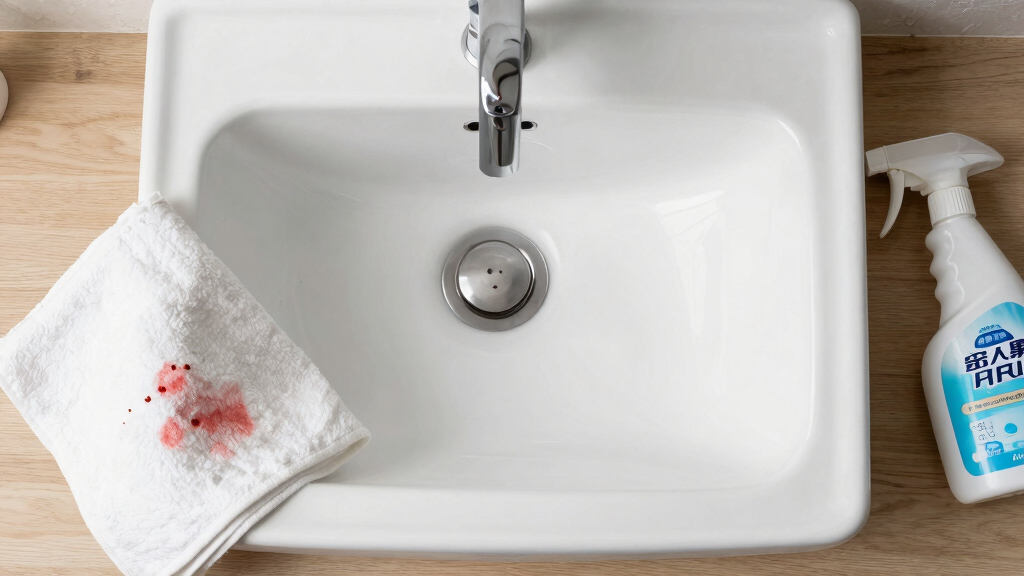
Blood stains can feel like a nightmare, especially when they appear on your favorite shirt or your clean carpet. But here’s a secret: the key to removing them isn’t magic — it’s quick action and the right approach. Waiting even a few hours makes stains much tougher to lift. So, in this guide, you’ll learn exactly how to treat blood stains effectively, whether fresh or dried, and how recent advances in cleaning products can make your life easier.
By the end, you’ll have practical, safe techniques to tackle those stubborn stains without risking fabric damage. Because blood stains aren’t just a mess — they’re a challenge you can beat, with the right tools and tips at your fingertips.
Treat blood stains immediately with cold water to prevent setting.
Use enzymatic cleaners or hydrogen peroxide for best results, especially on dried stains.
Avoid heat and hot water, which cause proteins to coagulate and set the stain permanently.
Test cleaning solutions on a hidden fabric spot to avoid damage or discoloration.
Even old blood stains can often be lifted with patience and proper treatments.
Why Acting Fast Is Your Best Shot at Removing Blood Stains
The moment you notice a blood stain, your first move should be to act — immediately. Fresh blood is mostly water and proteins, which are easiest to wash out when still wet. Once it dries, it sets into fibers, making removal more complicated. This is because proteins undergo a process called coagulation — they change structure and bond tightly with fabric fibers, making them resistant to washing. The longer blood remains on a surface, the more these proteins denature and bind, which diminishes the effectiveness of cleaning solutions. This is why swift action not only prevents the stain from setting but also reduces the need for harsh chemicals or aggressive scrubbing later. Understanding this helps you prioritize immediate treatment, saving time and effort while minimizing potential damage to your fabrics or surfaces.
Imagine trying to erase a marker from a whiteboard vs. a permanent marker. Same idea. The longer blood stays on fabric or carpet, the more it bonds with the material. That’s why quick response is crucial — it can mean the difference between a stain that’s easily removable and one that’s permanent. Rinsing with cold water immediately after a spill can prevent proteins from coagulating, which is why this simple step is your best first line of defense.
For example, if your kid trips and leaves a small blood smudge on their shirt, rinse it right away under cold water. That simple step drastically improves your chances of full removal, often without the need for chemicals. The sooner you act, the more you preserve the fabric’s integrity and the easier the stain removal process becomes.
blood stain remover enzymatic cleaner
As an affiliate, we earn on qualifying purchases.
As an affiliate, we earn on qualifying purchases.
How to Remove Blood Stains Step by Step
- Rinse with Cold Water: Hold the fabric or carpet over a sink or tub. Run cold water through the stain from the back to push the blood out. This initial rinse prevents blood from setting by diluting and removing proteins before they coagulate, significantly increasing the chance of complete removal.
- Apply a Cleaning Solution: Use an enzymatic stain remover or hydrogen peroxide on the stain. Dab gently with a cloth or sponge. Enzymatic cleaners contain proteins that specifically digest blood proteins, breaking down the stain at a molecular level. Hydrogen peroxide acts by releasing oxygen, which helps lift blood from fibers. The choice of solution depends on the fabric and stain age; understanding why these work helps you choose the most effective method and avoid unnecessary damage.
- Let it Sit: Wait 5-10 minutes to give the solution time to break down the blood proteins. Patience here is key: longer exposure can improve stain removal, especially for dried or stubborn stains. However, avoid letting the solution dry completely on delicate fabrics, as this can cause discoloration or weakening of fibers.
- Blot and Rinse Again: Blot with a clean cloth and rinse with cold water. Repeat if necessary. Gentle blotting lifts dissolved blood particles without spreading the stain or damaging fibers. Rinsing removes residual cleaning agents, reducing the risk of residue that can cause discoloration or attract dirt.
- Check and Repeat: For stubborn stains, repeat the process. Avoid rubbing, which can spread the stain or damage fabric fibers, making the stain worse or causing pilling or fraying.
- Air Dry: Once the stain lifts, let the fabric air dry. Avoid heat, which can set any remaining stain by causing proteins to coagulate permanently, making them impossible to remove later.
hydrogen peroxide stain remover for fabrics
As an affiliate, we earn on qualifying purchases.
As an affiliate, we earn on qualifying purchases.
The Best Cleaning Agents for Blood Stains
| Agent | Best For | How It Works |
|---|---|---|
| Cold Water | Fresh stains on clothing or fabric | Flushes out blood before it sets by diluting proteins and preventing coagulation, which makes subsequent cleaning easier and more effective. |
| Hydrogen Peroxide (3%) | White fabrics, stubborn stains | Breaks down blood proteins by releasing oxygen, helping lift the stain. It’s especially useful on whites but can cause discoloration on colored fabrics, so testing is essential. |
| Enzymatic Cleaners | Old or dried stains | Digest proteins at a molecular level, loosening the stain from fibers and making it easier to remove with subsequent rinsing. |
| Baking Soda Paste | Light stains or delicate fabrics | Absorbs moisture and lifts stain particles, reducing the stain’s visibility. It’s gentler and suitable for fabrics that can’t tolerate harsher chemicals. |
| Lemon Juice & Salt | Light fabric stains | Natural bleaching and stain lifting through acid action and abrasive salt, but should be used cautiously to avoid fabric damage or discoloration. |
As an affiliate, we earn on qualifying purchases.
What Not to Do When Removing Blood Stains
- Don’t use hot water: It cooks the proteins, causing them to coagulate and bond more tightly with fabric fibers, making the stain impossible to remove and potentially setting it permanently.
- Don’t rub vigorously: Rubbing can cause the stain to spread or embed deeper into fibers, making it more difficult to remove and risking damage such as pilling or fraying.
- Don’t use bleach on colored fabrics: Bleach can cause discoloration or weaken fibers, especially on delicate or dyed fabrics, leading to permanent damage.
- Don’t wait too long: Dried blood is more resistant because proteins have coagulated and bonded with fibers, requiring more intensive treatments that can risk fabric integrity.
- Don’t mix cleaners: Combining hydrogen peroxide with ammonia or bleach can generate hazardous fumes, posing health risks and potentially damaging your fabrics or surfaces.
As an affiliate, we earn on qualifying purchases.
How to Treat Dried Blood Stains Without Ruining Your Fabric
Dried blood isn’t necessarily a lost cause. To treat it effectively, start by soaking the fabric in cold water for at least 30 minutes to loosen the coagulated proteins. Then, apply an enzyme-based cleaner or a gentle hydrogen peroxide solution—these work by breaking down the hardened proteins and lifting the stain. Gently blot or dab, avoiding aggressive scrubbing, which can damage fibers or embed the stain further. Repeat the process as needed to maximize stain removal without harm. For carpets, use a damp cloth with mild detergent and patience, allowing the cleaning agents to work gradually. Remember, patience and gentle handling are key—rushing or scrubbing can cause fibers to fray or the stain to set deeper, making removal more difficult and risking damage to your textiles.
Think of it like trying to erase a chalk mark on a blackboard — patience and a gentle touch are your best tools. Rushing or aggressive scrubbing only embeds the stain further or damages the material, so take your time and treat dried stains with care to preserve the fabric’s integrity.
Natural and Eco-Friendly Tricks That Actually Work
Natural solutions can be surprisingly effective, especially for light stains or delicate fabrics. For example, a paste of baking soda and water can lift light blood stains because baking soda acts as a mild abrasive and a pH buffer, helping to neutralize stains and odors. Lemon juice, which contains natural acids, combined with salt, can serve as a gentle bleaching agent, breaking down stain molecules without harsh chemicals. Saltwater rinses help flush out residual blood from fabrics, aiding in stain removal. These methods work by leveraging natural chemical reactions—acid-base interactions, mild abrasives, and pH balancing—to loosen and lift stains without damaging fibers. While they may require patience and repeated applications, their safety and environmental benefits make them worth trying first, especially on delicate or lightly stained fabrics. The key is understanding how these natural agents interact with blood proteins and fibers, allowing you to tailor your approach for effective, eco-friendly cleaning.
Imagine wiping a muddy boot with a damp cloth — simple, yet effective. These options are gentle, environmentally friendly, and often safer for your fabrics, making them ideal first steps for lighter stains or when chemical alternatives are undesirable.
Frequently Asked Questions
How do I remove dried blood stains from clothing?
Start by soaking the fabric in cold water for about 30 minutes to loosen the stain. Then, apply an enzymatic stain remover or a small amount of hydrogen peroxide. Gently blot or rub, then rinse thoroughly with cold water. Repeat if necessary, and air dry.
Can I use bleach to remove blood stains?
Bleach can be effective on white, colorfast fabrics, but it risks discoloration or damage on colored or delicate materials. Always test a small hidden area first. For best safety, stick with enzymatic cleaners or hydrogen peroxide on most fabrics.
What’s the best way to clean blood from carpets?
Blot with cold water first to soak up fresh blood. Then, apply a mixture of cold water and mild detergent or enzymatic cleaner. Gently blot or dab — avoid scrubbing — and repeat as needed. Finish by blotting with a clean, damp cloth and letting it air dry.
Are natural remedies effective for blood stains?
Yes, solutions like saltwater, lemon juice, and baking soda are helpful, especially for light stains or delicate fabrics. They’re gentle, environmentally friendly, and often require multiple applications for stubborn stains. Understanding how these agents interact with blood proteins and fibers can help you optimize their use, making your natural stain removal more effective.
How long do I have to treat a blood stain?
The sooner you act, the better. Fresh stains are easiest to remove. However, even old, dried blood stains can often be lifted with patience, gentle treatments, and the right solutions. Recognizing the chemical changes that occur over time helps you understand why patience and proper techniques are crucial for successful removal.
Conclusion
Blood stains don’t have to be a permanent fixture. The secret is quick action, gentle handling, and the right tools. With a little patience and the right approach, you can turn back the clock on those stubborn stains — turning a messy moment into a success story.
Next time blood shows up on your favorite shirt or carpet, remember: you hold the power to erase it — safely and effectively. Keep these tips in mind, and you’ll always be ready to tackle stains like a pro.
Columbus Day / Indigenous Peoples' Day Picks
long weekend sales
As an affiliate, we earn on qualifying purchases.