
TL;DR
Open a free Amazon Business account
Business pricing, bulk buying and tax-exempt orders.
Create a free accountAs an affiliate, we earn on qualifying purchases.
Old yellow stains on white clothes can often be removed with proper treatments like oxygen bleach and pretreatments. Multiple cycles and patience improve results, while avoiding heat and harsh chemicals helps prevent further damage.
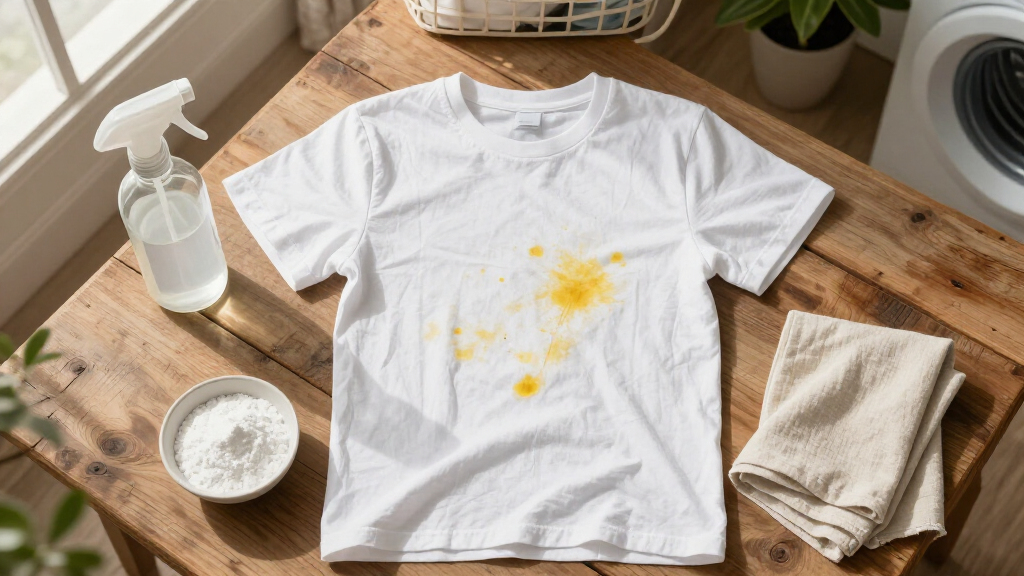
Nothing ruins the pristine look of white clothes faster than those stubborn yellow stains. If you’ve ever stared at a once-bright shirt now tinged with a dull, yellowish hue, you know the feeling of frustration. But don’t toss that garment just yet. Many old stains, even those that seem permanent, can be lightened or removed with simple, safe techniques.
In this guide, you’ll discover how to tackle yellowing caused by sweat, storage, mineral deposits, and more. Whether you’re dealing with a favorite t-shirt or a vintage linen, these tips can bring back their original brightness—and save you money on replacements.
Always check the care label to avoid damaging fabrics during stain removal.
Oxygen bleach is safer and more effective for old yellow stains than chlorine bleach.
Patience matters—multiple treatments may be necessary for stubborn stains.
Avoid heat until you’re sure the stain is gone, to prevent setting discoloration.
Natural remedies like hydrogen peroxide and sunlight can help but work best with consistent application.
How to Remove Old Yellow Stains From White Clothes
Do not give up on that white garment yet. Old discoloration from sweat, storage, oils, minerals, and residue can often be lifted through patient pretreatment, oxygen bleaching, careful washing, and inspection before heat.
The restoration sequence
Five careful moves beat one harsh treatment
Begin gently, match every treatment to the care label, and let time do the heavy work. Heat should remain out of the process until inspection confirms that the stain is gone.
Read the label
Confirm the fabric can be washed, soaked, and treated with bleach. Refer delicate or dry-clean-only pieces to a professional.
Rinse gently
Use cool-to-warm water to loosen surface residue. Avoid hot water until the stain source is understood.
Pretreat
Work liquid enzyme detergent into the stain with fingertips or a soft brush. Leave it for 15–30 minutes.
Oxygen-soak
Dissolve oxygen bleach exactly as directed. Soak for several hours or overnight when the label permits.
Wash and inspect
Wash at the warmest safe temperature, add an extra rinse, then air-dry and inspect before repeating.
Diagnose before treating
Match the method to the source of the yellowing
Yellow stains do not all behave alike. Organic residue, oxidized oils, storage acids, and mineral deposits each respond to different chemistry.
Sweat and antiperspirant
Best route: Enzyme detergent followed by oxygen bleach. On washable white cotton, spot-test a peroxide, baking soda, and dish soap paste.
General yellowing
Best route: Oxygen-bleach soak, correctly dosed detergent, and an extra rinse. Mild sunlight may help when the fabric permits.
Storage stains
Best route: Repeat gentle oxygen soaks. Antique, embroidered, or fragile textiles belong with a conservator or specialist cleaner.
Rust and minerals
Best route: Use a laundry rust remover. Never add chlorine bleach, which can intensify iron staining and create yellow halos.
Food and oil
Best route: Lift grease first with liquid detergent or a small amount of dish soap, then use enzymes for protein or starch residue.
Mystery stain
Best route: Start with the gentlest treatment, spot-test in a hidden area, avoid heat, and assess after each air-dried cycle.
| Stain type | First treatment | Useful follow-up | Avoid | Risk note |
|---|---|---|---|---|
| Sweat / antiperspirant | ✓Enzyme pretreatment | ✓Oxygen bleach | ✗Hard scrubbing | ~Spot-test peroxide |
| General yellowing | ✓Oxygen soak | ✓Extra rinse | ✗Excess detergent | ~Limit sun exposure |
| Storage stains | ✓Repeated gentle soaks | ✓Professional care | ✗Harsh escalation | ~Fragile fibers |
| Rust / iron | ✓Laundry rust remover | ✓Mineral-binding detergent | ✗Chlorine bleach | ~Follow directions |
| Food / oil | ✓Grease-cutting detergent | ✓Enzyme product | ✗Dryer heat | ~May need stages |
Bleach decision
Choose oxygen first; reserve chlorine for rare label-approved cases
Oxygen bleach works more slowly, but it is generally better suited to old yellow stains and less likely to weaken washable fibers. Chlorine can damage cotton, elastic, and mineral-stained fabric.
Never mix chlorine bleach with ammonia, vinegar, acids, rubbing alcohol, hydrogen peroxide, or other cleaners. Dangerous gases or violent chemical reactions may result.
Home-remedy reality check
Helpful assistants—not universal cures
Common household products can support stain removal, but none replaces a fabric-safe process. Spot-testing and complete rinsing remain essential.
Hydrogen peroxide
Useful on many washable whites, especially for sweat and other organic residue. Test a hidden area first and never combine it with chlorine bleach.
Baking soda
Helpful for deodorizing and gentle surface cleaning, but it is not a powerful bleaching agent by itself.
Sunlight
Air-drying in sunlight can brighten compatible fabrics. Avoid prolonged exposure because ultraviolet light can gradually weaken fibers.
Check the Fabric and Care Label First—Don’t Skip This Step
Before you do anything, identify what kind of fabric you’re working with. A cotton shirt? Silk blouse? Wool sweater? The care label is your best friend. It tells you whether the item can handle soaking, bleaching, or high heat. For delicate fabrics like silk, wool, or vintage textiles, consider consulting a professional cleaner instead of DIY methods.
Ignoring these guidelines can cause irreparable damage, like shrinking, color loss, or fiber weakening. So, always read the label carefully. If it says “dry-clean only,” that’s your sign to leave it to the pros.
As an affiliate, we earn on qualifying purchases.
Resist the Urge to Dry or Iron Before Stain Removal—Why Heat Locks in Discoloration
Heat is a stain’s worst enemy—or best friend, depending on how you use it. Yet, many people rush to dry or iron stained garments, only to make the stain permanent. When yellow stains have set in, heat from dryers or irons can cause the discoloration to deepen and bond more tightly with fibers. This is because heat causes chemical reactions in the stain molecules, making them more resistant to removal and potentially causing the stain to become more ingrained.
Always air-dry or lay flat to inspect before applying heat. If you’re unsure whether a stain is gone, resist the temptation to toss it in the dryer. Instead, treat the stain again and only dry after you’re satisfied with the results. This approach minimizes the risk of setting the stain permanently, which can happen with just one heat exposure.
stain remover for yellow stains on white shirts
As an affiliate, we earn on qualifying purchases.
As an affiliate, we earn on qualifying purchases.
How to Pretreat and Soak Old Yellow Stains — Your Step-by-Step Guide
- Start with a gentle rinse. Rinse the garment in cool-to-warm water to loosen surface soils and prevent setting the stain further. This initial step helps remove loosely attached residues, making subsequent treatments more effective.
- Apply a stain remover or enzyme detergent. Gently work it into the stained area, using your fingertips or a soft brush. Let it sit for 15–30 minutes. Enzyme detergents are particularly effective because they break down proteins and oils that cause yellowing, especially from sweat or food. Proper pretreatment ensures the stain molecules are more accessible to bleaching agents later, increasing the likelihood of removal.
- Prepare an oxygen bleach solution. Dissolve oxygen bleach (like sodium percarbonate) according to the package instructions. Soak the garment for several hours or overnight if the label permits. Extended soaking allows oxygen to penetrate deeply into fibers, breaking down stubborn stain molecules that have oxidized over time. This step is crucial because old stains often require multiple treatments to fully lift.
- Wash at the highest temperature allowed. Use your usual detergent, setting the washer to the warmest safe temperature. Adding an extra rinse helps remove residual chemicals and loosened stain particles. Higher temperatures accelerate chemical reactions, but it’s vital to stay within the fabric’s safe limits to prevent damage or shrinking.
- Air dry and inspect. Check if the stain has lightened. Repeat treatment cycles if necessary. Patience here is key—sometimes multiple rounds are needed for deeply ingrained stains, but each cycle reduces the stain’s intensity without risking fabric integrity.
Patience is key. Several treatment rounds may be needed for stubborn stains, especially if they’ve been set for years. Each step allows oxygen and enzymes to work more thoroughly, gradually restoring the fabric’s original whiteness and brightness.
As an affiliate, we earn on qualifying purchases.
Treating Different Types of Yellow Stains: What Works Best
Yellow stains aren’t all caused by the same thing. Knowing the source helps you choose the right approach. Here’s a quick rundown with concrete examples.
| Type of Stain | Common Causes | Best Treatment |
|---|---|---|
| Sweat and Antiperspirant | Body oils, aluminum compounds, detergent residue | Pretreat with enzyme detergent, then soak in oxygen bleach. For stubborn stains, a paste of hydrogen peroxide, baking soda, and dish soap works well. Understanding that these stains originate from organic compounds and metal salts explains why treatments like enzymes and oxygen bleach are effective—they target the organic and mineral components, breaking them down for easier removal. The tradeoff is that some treatments may weaken delicate fibers or cause color loss if misused, so always test first. |
| General Yellowing | Oxidized oils, long-term storage, residue buildup | Oxygen bleach soak, wash with proper detergent, and sun-dry when possible. This type of yellowing results from oxidation of oils and residues that have accumulated over time. It’s important to note that prolonged storage conditions—especially in humid or poorly ventilated environments—accelerate this process, making treatment more challenging. Sunlight acts as a natural bleaching agent but can weaken fibers if exposure is too long, so balance is necessary. |
| Storage Stains | Moisture, acidic packaging, poor storage conditions | Repeated oxygen bleach soaking. For fragile textiles, consult a conservator. Storage-related stains often involve complex chemical reactions from moisture and acids, which can cause fibers to weaken or discolor further if improperly treated. Repeated gentle oxygen bleach treatments can gradually reverse these effects, but fragile textiles may require specialized conservation techniques to prevent damage. |
| Rust or Mineral Stains | Metal contact, hard water deposits | Use a rust remover made for laundry; avoid chlorine bleach which can worsen rust stains. These stains are often stubborn because they involve inorganic deposits that bond with fibers. Using a rust remover designed for laundry ensures targeted chemical action without damaging the fabric. Chlorine bleach can react with mineral deposits, sometimes making rust stains worse or causing yellow halos, so caution is essential. |
| Food and Oil | Cooking spills, greasy residues | Oily spots first with dish soap, followed by enzyme detergents for protein-based stains. Recognizing that these stains are primarily organic, enzymatic treatments are effective because they break down fats and proteins. However, if not treated promptly, they can set and become more resistant. Using dish soap initially helps lift the oil, but multiple steps may be necessary to fully restore whiteness, especially on older stains. |
Matching the stain type with the right treatment saves time and protects your fabric’s integrity. Understanding the chemistry behind each stain guides you in choosing the most effective method while minimizing potential damage or color loss.
sunlight and hydrogen peroxide stain remover
As an affiliate, we earn on qualifying purchases.
As an affiliate, we earn on qualifying purchases.
Why Oxygen Bleach Is Safer and More Effective Than Chlorine Bleach
Oxygen bleach, like sodium percarbonate, is gentle yet powerful. It works by releasing oxygen to break down organic stains, lightening yellowing without damaging fibers. Chlorine bleach, on the other hand, can weaken cotton and cause yellowing to worsen if misused. Its oxidative power is higher but less selective, meaning it can break down cellulose fibers and cause yellow halos or fiber damage over time.
For old yellow stains, oxygen bleach is usually the best first choice because it effectively targets organic components like sweat, oils, and food residues while preserving fiber strength. Its chemical action is more controlled, reducing the risk of unintended damage. Conversely, chlorine bleach should only be used if the care label explicitly states it’s safe, and even then, with caution—overuse can lead to yellowing and fiber deterioration.
Remember: never mix chlorine bleach with ammonia, acids, or other cleaners. Dangerous gases or reactions can occur, risking respiratory harm or fabric damage.
The tradeoff here is safety versus aggressiveness—oxygen bleach offers a safer, more sustainable approach for most stains, especially on delicate or vintage whites, while chlorine bleach’s harsher action can cause long-term damage if not carefully managed.Home Remedies: What Works, What Doesn’t, and Why
Many turn to common kitchen staples for whitening whites—hydrogen peroxide, baking soda, vinegar, lemon juice. Here’s what you should know about each and the reasons behind their effectiveness or limitations.
- Hydrogen peroxide: Effective on organic stains like sweat and food because it oxidizes residues, breaking them down into simpler, less visible compounds. However, it can bleach delicate fibers or cause uneven coloring if overused, so always spot-test first. Its ability to penetrate fibers makes it useful for stubborn stains, but excessive use can weaken fibers over time.
- Baking soda: Good for odor and mild soil, but less effective on deep yellowing because it mainly neutralizes acids and absorbs odors rather than removing oxidized stains. When combined with oxygen bleach, it enhances cleaning power, but relying solely on baking soda may not suffice for severe discoloration. Its mild abrasive action can also help lift surface stains without damaging fabric.
- White vinegar: Helps remove alkaline residues and deodorizes because it neutralizes alkaline build-up from detergents and body oils. While it can brighten whites, overuse or applying directly on colored fabrics may cause fading or uneven discoloration. Using vinegar separately from bleach prevents dangerous chemical reactions, but it’s more effective as a supplementary step rather than a primary stain remover.
- Lemon juice and sunlight: Mild natural whitener that relies on citric acid and UV light to break down stain molecules. Works best on sturdy fabrics like cotton but can weaken delicate fibers or cause uneven fading if overused or applied excessively. Sunlight enhances bleaching but can also degrade fibers if exposure is prolonged.
- Dishwashing liquid: Cuts grease effectively because of its surfactant properties, but overuse can create excess suds that hinder rinsing and leave residue. It’s best used as a pre-treatment for oily stains rather than a whitening agent.
- Aspirin: Popular online for stain removal, but scientific evidence shows limited effectiveness beyond mild stain lifting. Its use is based on the idea of salicylic acid’s mild bleaching action, but it generally doesn’t outperform standard treatments like oxygen bleach or enzyme detergents.
Remember, natural remedies can lighten stains but often require patience and multiple applications. They are most effective as part of a comprehensive treatment plan that includes proper pretreatment and washing techniques.
Mistakes That Sabotage Your Stain Removal Efforts
Hastily drying or ironing stained clothes is a quick recipe for permanent yellowing. Heat sets stains by causing chemical changes in the stain molecules, making them resistant to removal. For instance, heat can cause protein-based stains like sweat or food residues to coagulate and bond with fibers, making subsequent cleaning much more difficult. This is why it’s crucial to wait until you’re certain the stain is gone before applying heat.
Other common errors include using hot water on unknown stains, which can cause certain stains to set or spread, and scrubbing too hard, which damages fibers and can embed stains further. Overloading the washing machine reduces water circulation and prevents thorough cleaning, leading to residual stains and fabric stress. Mixing chemicals like bleach and ammonia can produce toxic fumes, risking health and fabric integrity. These mistakes often stem from impatience or lack of understanding of stain chemistry, but they significantly decrease the chances of successful stain removal and can permanently damage your garments.
Always double-check product instructions, treat the stain gently, and test on inconspicuous areas first. Better safe than sorry—with your whites, patience pays off and preserves your clothes’ longevity.
Modern Trends in Stain Removal: What’s New and What’s Useful
Today’s laundry scene favors cold-active enzymes and oxygen-based whiteners. These systems work effectively at lower temperatures, saving energy and reducing fabric stress. Concentrated formulas and targeted pretreatments are also trending, helping you treat stains before washing. These innovations allow for more environmentally friendly and fabric-safe cleaning, but they require understanding their proper use to avoid ineffective results or fabric damage.
Some techniques, like laundry stripping, can remove heavy residue but risk fading colors or damaging elastic if overused. This process involves soaking clothes in a mixture of washing soda, borax, and detergent to strip away buildup, but excessive use can weaken fibers or cause color loss. Always follow manufacturer instructions and consider fabric type to prevent unintended damage. Staying current means balancing innovative products with traditional wisdom—knowing what works best for your specific stains and garments—so you can maintain brightness without compromising fabric integrity.
Prevention Is Better Than Cure—Simple Habits to Keep Whites Bright
Prevention is the easiest way to avoid yellowing. Wash whites promptly after wearing to prevent stain setting, especially with sweat or oils. Treat underarm areas with stain repellents or pre-treatments before stains develop, and let antiperspirant dry completely to minimize residue transfer. Using the right amount of detergent and avoiding overloading the washer ensures thorough cleaning and reduces residue buildup that can cause yellowing over time.
Store whites in a dry, clean, and breathable environment—preferably in acid-free storage—to prevent residual moisture and contact with metals or acids that accelerate discoloration. Keep moisture, heat, and contact with acidic or metallic materials away from your laundry stash. Small habits, like removing clothes quickly from the washer and drying in sunlight when possible, help keep whites brighter longer by preventing the buildup of residues and oxidation.
Your Quick Action Plan for Bright White Clothes Again
Ready for a quick game plan? Here’s a simple checklist to restore yellowed whites:
- Identify fabric and check care label.
- Rinse in cool water and pretreat with enzyme detergent or stain remover.
- Soak in oxygen bleach for several hours or overnight.
- Wash at the highest safe temperature, with extra rinse if needed.
- Air-dry, then inspect. Repeat if necessary.
Patience and gentle treatment often beat harsh chemicals. Your whites will thank you for it!
Frequently Asked Questions
Can old yellow stains really be removed?
Many old yellow stains can be lightened or removed with proper treatments. Results depend on the fabric, how long the stain has been there, and previous heat exposure. Sometimes, only lightening is possible if the stain has set for years.
What is the best remover for yellow stains on white clothes?
An enzyme pretreatment followed by a soak in oxygen bleach is usually the most effective approach for most washable whites. It targets organic stains and can lighten years of discoloration.
Why did bleach turn my white shirt yellow?
Chlorine bleach can react with body oils, antiperspirant compounds, or minerals in hard water, causing a yellowish tint. Overusing or improper application can also weaken fibers and cause further discoloration.
Can I soak white clothes overnight?
Yes, in most cases, especially with oxygen bleach, overnight soaking can help lift stubborn yellowing. Always check the garment’s care label and test a small area first.
Does hydrogen peroxide remove yellow underarm stains?
Hydrogen peroxide oxidizes organic residues like sweat, helping to brighten whites. Spot-test first to ensure it doesn’t bleach or weaken the fabric.
Conclusion
Brightening old yellowed whites isn’t about magic—it’s about patience, proper technique, and gentle treatment. With the right approach, many stains can be lightened or removed, saving your favorite clothes from the trash.
Next time you see that dull yellow hue, remember: stubborn stains are often just waiting for a second chance. Treat them kindly, and your whites will glow again, like new.
Fall Picks
fall essentials
As an affiliate, we earn on qualifying purchases.